
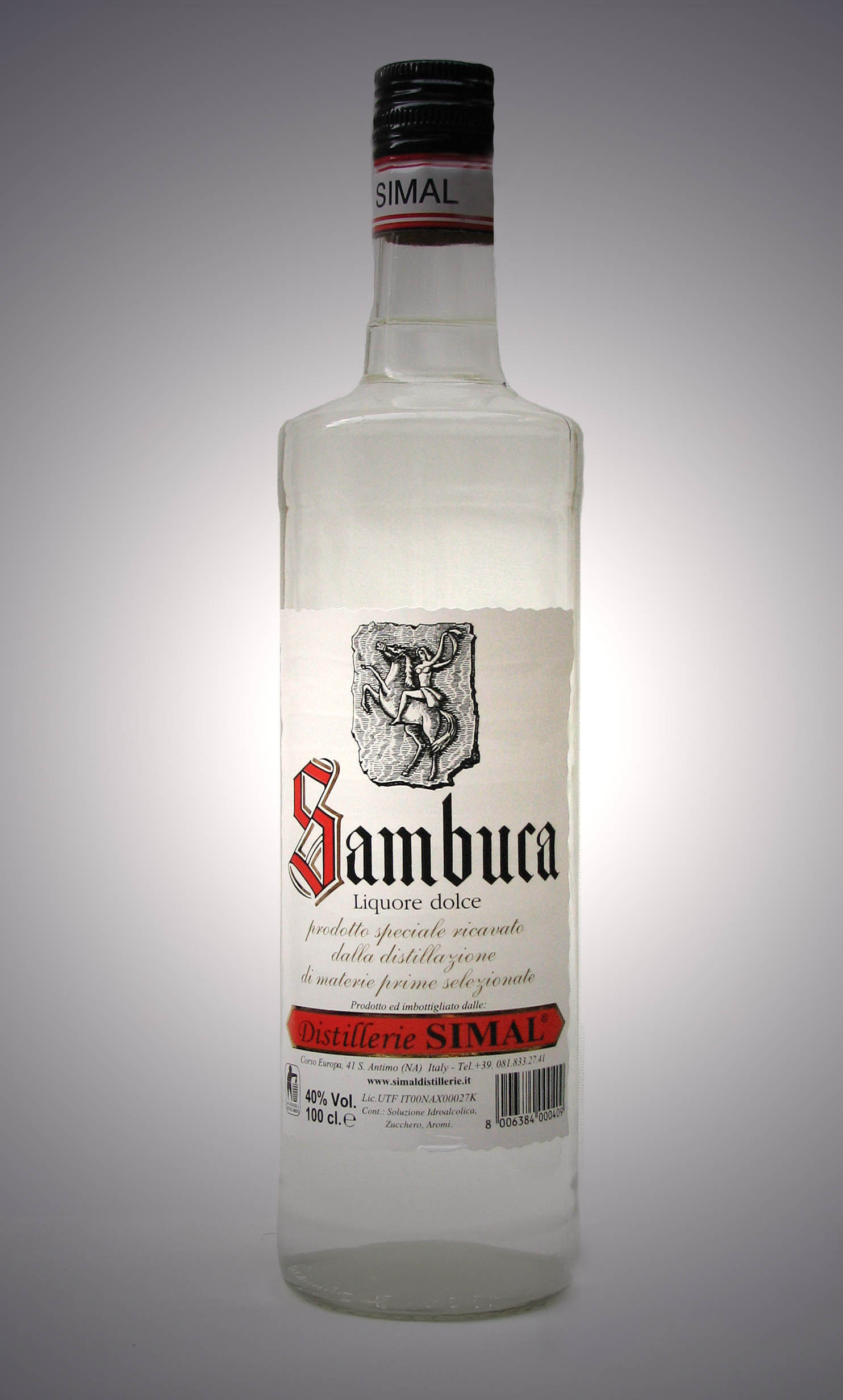
In the world of spirits, few beverages command as distinct a place in the market as Sambuca. Often recognized by its signature anise-forward flavor profile and its dramatic presentation as a digestif, Sambuca is a category leader in Italian liqueur production. For those navigating the beverage industry or examining the strategic positioning of legacy spirits, understanding the composition of Sambuca is essential. It is not merely a botanical infusion; it is a carefully calculated brand formulation that balances tradition with chemical consistency. By deconstructing its ingredients and production methods, we gain insight into how a brand maintains its corporate identity and market relevance in a crowded global alcohol market.
The Botanical Foundation: Defining the Sambuca Profile
At its core, Sambuca is an aniseed-flavored liqueur, a classification that dictates its primary market appeal and consumer expectation. However, the technical definition of the product is governed by strict regulations, particularly within the European Union, which demand specific alcohol content and sugar levels. To successfully market a Sambuca brand, a company must adhere to these standards while sourcing high-quality raw materials that ensure a consistent flavor profile across different batches.
The Role of Star Anise and Green Anise
The defining characteristic of Sambuca is the inclusion of star anise (Illicium verum) or green anise (Pimpinella anisum). These botanicals are rich in anethole, a compound that provides the characteristic licorice-like aroma and flavor. In brand strategy, the sourcing of these botanicals is a key differentiator. High-end brands often emphasize the geographic origin of their star anise—frequently sourced from Southeast Asia—to signal premium quality to the consumer. The distillation process requires precise extraction of these essential oils, as the ratio of anethole dictates the “louche” effect—the cloudiness that occurs when the spirit is mixed with water or ice, a visual trademark of the product.
Elderflowers and the “Secret” Blend
While anise provides the backbone, the identity of a successful Sambuca brand often hinges on its “secret” proprietary blend of additional botanicals. Many manufacturers incorporate elderflowers (Sambucus nigra), from which the liqueur takes its name. These flowers introduce subtle floral notes that round out the sharpness of the anise, creating a more sophisticated flavor profile. Beyond elderflower, common additions include licorice root, coriander, cloves, and cinnamon. From a branding perspective, these secondary ingredients are the “intellectual property” of the producer, serving as the basis for marketing campaigns that focus on complexity, heritage, and depth of character.
The Distillation and Blending Process: Technical Consistency
In the spirits industry, branding is synonymous with consistency. A consumer who purchases a bottle of Sambuca expects an identical sensory experience every time. To achieve this, manufacturers employ advanced distillation techniques that balance raw ingredient variations with chemical precision. This is where the intersection of artisanal tradition and modern industrial technology becomes most apparent.

The Science of Essential Oil Extraction
The production process begins with the maceration or steam distillation of the botanicals. Because essential oils are highly volatile, the timing and temperature of the distillation process are critical. Large-scale producers utilize computer-controlled extraction systems to monitor the concentration of anethole in real-time. By managing these variables, the distillery ensures that the “heart” of the distillate remains consistent. From a business finance standpoint, this high level of technical control minimizes waste and ensures that every liter produced meets the brand’s strict quality control parameters, protecting the company’s reputation and bottom line.
Sweetening and Standardization
Following distillation, the clear, high-proof spirit must be balanced. By law, Sambuca must contain at least 350 grams of sugar per liter. The type of sugar used—typically refined beet or cane sugar—is significant because it affects the mouthfeel and viscosity of the final product. A brand aiming for a luxury market position might focus on the clarity and purity of the syrup used, while a mass-market brand might prioritize cost-efficient supply chains. The integration of sugar is a delicate phase; if the blend is not perfectly homogenized, the liqueur can lose its signature brilliance. For the marketing team, the “viscosity” of the liquid is often touted as a sign of quality, reinforcing the premium identity of the brand through both tactile and visual cues.
Market Positioning and Brand Strategy in the Spirits Sector
The success of a Sambuca brand is not solely determined by the quality of its botanicals, but by how those ingredients are packaged, marketed, and sold to a target demographic. In a saturated spirits market, Sambuca represents a niche product that must navigate the changing preferences of modern consumers who are increasingly moving toward lower-ABV options or premium, artisanal alternatives.
Branding the Ritual
One of the most effective strategies in the history of Sambuca marketing is the creation of the “Sambuca Ritual.” Whether it is the flaming service—the con mosca tradition featuring three coffee beans representing health, happiness, and prosperity—or the use of specific glassware, the brand effectively converts a simple beverage into an experience. By associating the ingredients with a specific ritual, the brand creates a high barrier to entry for competitors. The ingredients become secondary to the occasion, which is a classic move in corporate identity building: sell the experience, not just the liquid.
Adapting to Consumer Trends
Modern brand strategy requires agility. As the health-conscious consumer demographic grows, some producers are experimenting with “all-natural” labeling, emphasizing that their anise and elderflower are ethically sourced and free from synthetic additives. This is a crucial pivot in brand positioning. By highlighting the raw materials (the “what is it made of” question), companies can command higher price points and build brand loyalty among consumers who prioritize transparency. Marketing materials for these brands focus on the purity of the distillation, framing the product as a “botanical spirit” rather than just a traditional liqueur, thus shifting the brand identity to align with current “craft” beverage trends.
The Economics of Distribution and Retail
Finally, the “ingredients” of a successful brand include the supply chain itself. The logistics of sourcing high-quality star anise, managing the volatility of grain alcohol prices, and navigating international liquor taxes are significant financial challenges. A well-managed Sambuca brand must balance the cost of these inputs with its retail pricing strategy. By analyzing the breakdown of production costs—from the procurement of raw botanical material to the bottling and global logistics—distillery owners can make informed decisions about market expansion. Understanding that the base spirit is essentially a high-proof alcohol infused with plant extracts allows a business to streamline operations, reduce overhead, and increase margins, ensuring the brand remains financially sustainable in the long term.
In conclusion, Sambuca is a product defined by its botanical precision and its strategic utility as a market-driven spirit. Whether it is the infusion of star anise, the addition of elderflower, or the careful management of sugar and alcohol, every component is part of a broader corporate identity. For those looking to understand the mechanics of the spirits industry, Sambuca serves as a prime case study in how simple ingredients can be transformed through technology and branding into a global success story.
aViewFromTheCave is a participant in the Amazon Services LLC Associates Program, an affiliate advertising program designed to provide a means for sites to earn advertising fees by advertising and linking to Amazon.com. Amazon, the Amazon logo, AmazonSupply, and the AmazonSupply logo are trademarks of Amazon.com, Inc. or its affiliates. As an Amazon Associate we earn affiliate commissions from qualifying purchases.