
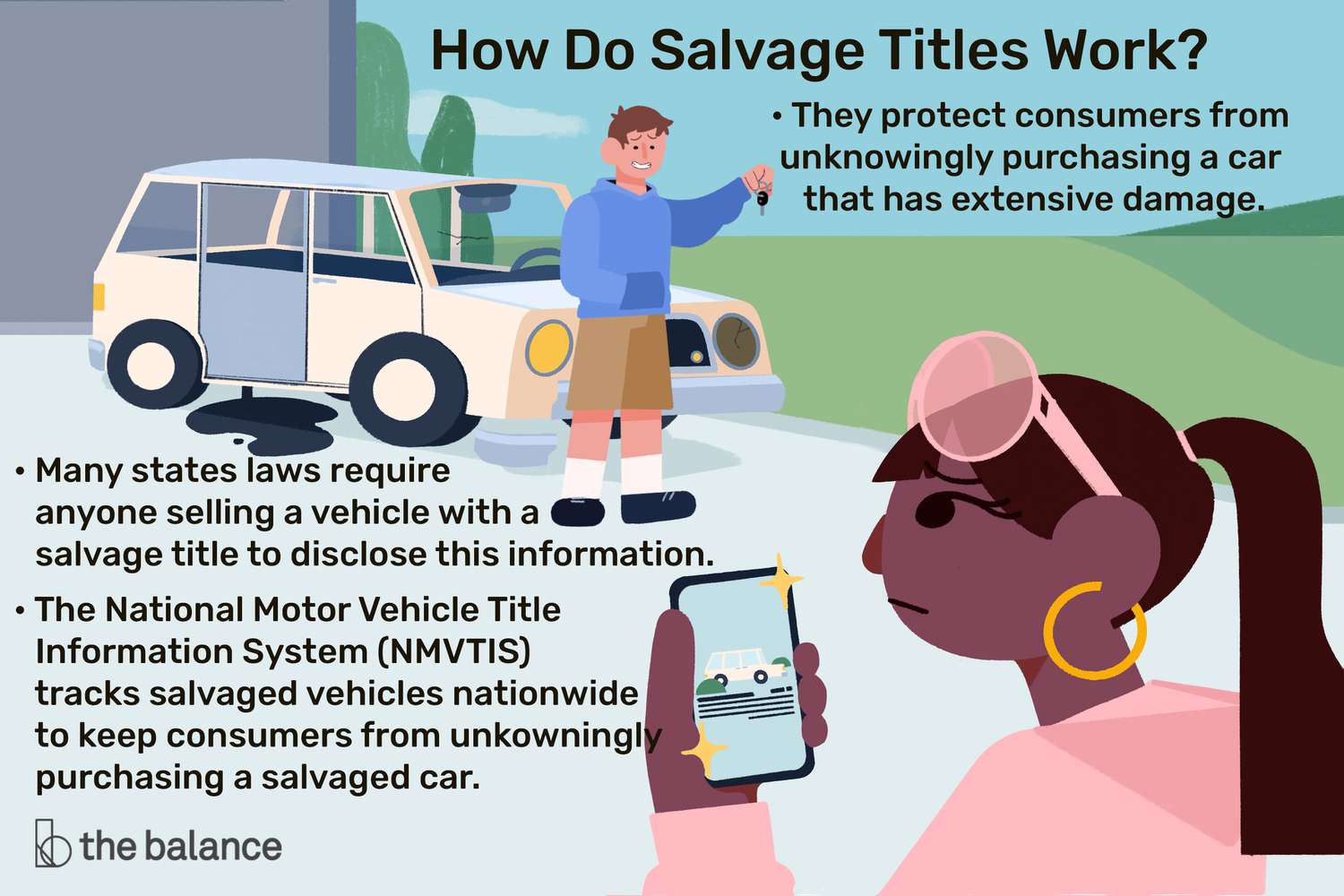
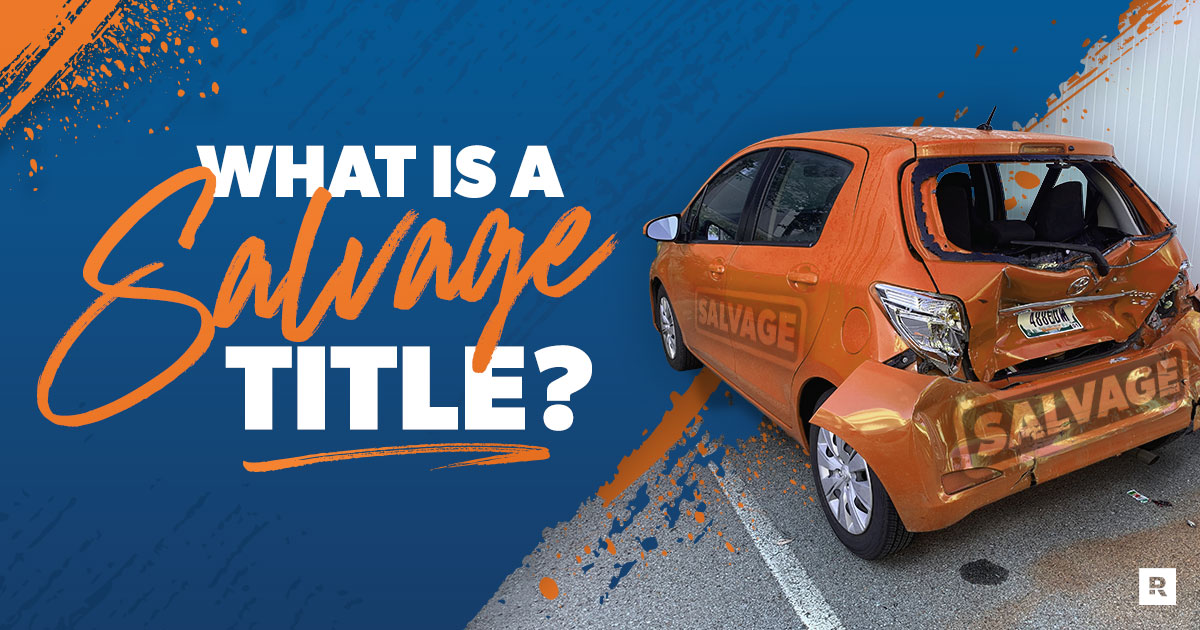
When navigating the secondary automotive market, whether as a consumer looking for a deal or an investor seeking a high-yield flipping opportunity, the term “salvage title” carries significant financial weight. In the realm of personal finance, a vehicle is often one of the largest depreciating assets a person owns. Understanding the implications of a salvage title is essential for protecting your net worth and making informed capital allocation decisions. At its core, a salvage title is a legal designation indicating that a vehicle has sustained extensive damage or has been deemed a total loss by an insurance provider. From a financial perspective, this designation fundamentally alters the asset’s valuation, insurability, and liquidity.
The Financial Mechanics of a Salvage Designation
To understand the money-centric implications of a salvage title, one must first understand how an insurance company arrives at this conclusion. This is not merely a mechanical assessment but a rigorous cost-benefit analysis performed by actuarial professionals.
The Total Loss Threshold
Insurance companies use a specific mathematical formula to determine when a car should be branded with a salvage title. This is known as the “Total Loss Threshold.” In many jurisdictions, if the cost of repairs plus the estimated salvage value of the vehicle exceeds a certain percentage of the car’s Actual Cash Value (ACV)—typically between 70% and 100%—the insurer will declare it a total loss.
For the owner, this means the insurance company pays out the ACV of the car and takes possession of the title. For a prospective buyer, it signifies that the vehicle’s repair costs were deemed high enough that restoring it was not a sound financial move for a multi-billion dollar corporation. Understanding this threshold is vital because it highlights the immediate 20% to 40% reduction in market value that occurs the moment a title is branded.
The Transition from Salvage to Rebuilt
It is important to distinguish between a “salvage” title and a “rebuilt” or “reconstructed” title. A vehicle with a salvage title cannot legally be driven on public roads. To return the vehicle to the status of a functional asset, it must undergo significant repairs and pass a state-mandated safety inspection. Once it passes, the title is upgraded to “rebuilt.”
From an investment standpoint, the “rebuilt” status is where the value proposition lies. However, even with a rebuilt title, the vehicle will never regain its original “clean title” market value. For the savvy financial planner, this represents a permanent impairment of the asset’s price ceiling.
The Economics of Purchasing a Salvage Title Vehicle
For many individuals, the primary draw of a salvage title vehicle is the drastically lower entry price. In a high-inflation environment where used car prices have reached historic highs, the 30-50% discount offered by salvage titles can be a tempting way to preserve cash flow. However, the true cost of ownership involves more than just the sticker price.
Initial Capital Expenditure vs. Long-term Liability
Purchasing a salvage vehicle allows a buyer to acquire a higher-end model or a newer year for a fraction of the cost of a clean-titled equivalent. For those who plan to drive the car “into the dirt”—meaning they intend to keep the vehicle until its end-of-life—this can be a brilliant move for personal cash preservation. By reducing the initial capital outlay, the buyer avoids the steepest part of the depreciation curve.
However, if the buyer views the car as a liquid asset that might be sold in three to five years, the financial outlook shifts. The pool of potential buyers for a salvage title vehicle is significantly smaller, leading to low liquidity. When it comes time to sell, you may find that the “savings” you enjoyed at the start are eclipsed by the difficulty of finding a buyer willing to pay a fair price.
Depreciation and Resale Value Realities
In traditional asset management, we look at the rate of depreciation. A clean-title car depreciates steadily. A salvage-title car, however, has already experienced a massive “valuation shock.” While it may depreciate more slowly in terms of raw dollars from that point forward, its ceiling is permanently capped. Financial experts often warn that a salvage title car is an “illiquid asset.” If you need to liquidate your assets quickly during a financial emergency, a salvage title vehicle will likely be the hardest item in your portfolio to convert back into cash.
Navigating the Financial Barriers: Insurance and Lending
The hidden costs of salvage titles often manifest in the tertiary financial markets—specifically in banking and insurance. These institutions are built on risk mitigation, and a salvage title represents a high-risk variable.
Why Lenders Avoid Salvage Titles
For those who do not have the liquid capital to buy a vehicle outright, a salvage title presents a major obstacle. Most traditional banks and credit unions refuse to issue auto loans for vehicles with salvage or rebuilt titles. The reasoning is simple: the collateral (the car) is difficult to value accurately. If the borrower defaults on the loan, the bank cannot easily recoup its investment through a standard repossession and auction.
For the buyer, this means they often have to rely on high-interest personal loans or cash reserves. This increases the “opportunity cost” of the purchase. Instead of leveraging low-interest debt to buy a clean-title car and keeping their cash in a high-yield savings account or the stock market, the buyer is forced to tie up their liquid capital in a high-risk asset.
The Difficulty of Comprehensive Coverage
Insurance is another area where the math of salvage titles becomes complicated. While most insurers will provide basic liability coverage for a rebuilt title, many will refuse to offer collision or comprehensive insurance.
If they do offer full coverage, the premiums are often significantly higher than those for a clean-titled vehicle. Furthermore, in the event of a subsequent accident, the payout will be based on the “salvage-adjusted” value, which is substantially lower. From a wealth protection perspective, you are paying a premium to protect an asset that has already lost a significant portion of its recoverable value. This creates a scenario of “diminishing returns” on your insurance spend.
Salvage Titles as a Business Model: Flipping and Income Generation
While the risks are high for the average consumer, the salvage market provides a unique niche for side hustles and small business finance. Professional car flippers often use salvage auctions as a source of “raw materials.”
The “Buy Low, Fix, Sell” Strategy
For an individual with mechanical expertise and access to wholesale parts, a salvage title vehicle is a high-yield investment. The goal is to purchase a vehicle at 20-30% of its ACV, invest 20% in repairs, and sell it at 60-70% of its clean-title value. When executed correctly, the ROI (Return on Investment) can far exceed traditional stock market returns.
However, this requires a deep understanding of “hidden liabilities.” A vehicle that looks like it only has cosmetic damage might have underlying structural or electronic issues that can turn a profitable flip into a “money pit.” Successful investors in this space treat every purchase like a corporate acquisition, performing rigorous due diligence before committing capital.
Identifying Potential Profit Margins
The key to profitability in the salvage market is identifying “light” salvage. These are often vehicles that were totaled due to hail damage, theft recovery, or minor accidents where the airbags deployed (airbag replacement is prohibitively expensive for insurers but manageable for independent shops). By focusing on vehicles where the damage is aesthetic rather than structural, the investor protects their profit margin and ensures the final product is a viable, safe asset for the next owner.
Protecting Your Wealth: Due Diligence and Risk Mitigation
If you are considering integrating a salvage title vehicle into your financial plan, you must employ professional-grade risk mitigation strategies. The goal is to ensure that the lower price tag does not lead to higher long-term expenses.
Inspection Costs and Hidden Liabilities
Before any money changes hands, a pre-purchase inspection (PPI) by a trusted mechanic is non-negotiable. This is a small upfront cost—usually $100 to $300—that can save you thousands. You are looking for signs of frame damage, water damage (flood cars are notorious financial disasters), and shoddy repair work.
Additionally, utilizing services like Carfax or AutoCheck to view the vehicle’s history is essential. You need to know why the car was totaled. A car totaled for hail damage is a much better financial bet than a car that was submerged in salt water during a hurricane. In the world of finance, information is the best defense against loss.

Final Financial Assessment
Ultimately, a salvage title vehicle is a high-risk, high-reward financial instrument. It offers the potential for significant savings and a lower entry point into car ownership or the automotive trade. However, it requires a sophisticated understanding of market valuation, insurance limitations, and repair costs.
For the average person focused on steady wealth accumulation, the complications of a salvage title may outweigh the initial savings. But for the informed buyer who understands the math of depreciation and the realities of the secondary market, a salvage title can be a strategic tool for optimizing cash flow and minimizing the impact of one of life’s most expensive necessities. Success in this niche depends entirely on your ability to look past the “deal” and see the true economic reality of the asset.
aViewFromTheCave is a participant in the Amazon Services LLC Associates Program, an affiliate advertising program designed to provide a means for sites to earn advertising fees by advertising and linking to Amazon.com. Amazon, the Amazon logo, AmazonSupply, and the AmazonSupply logo are trademarks of Amazon.com, Inc. or its affiliates. As an Amazon Associate we earn affiliate commissions from qualifying purchases.