
In the competitive landscape of the global confectionery market, few products have achieved the level of iconic status and regional dominance as salt water taffy. At first glance, a consumer might ask, “What is salt water taffy?” and expect a culinary answer. However, from the perspective of brand strategy and corporate identity, salt water taffy is not merely a confection; it is a masterclass in place-based branding, sensory marketing, and the cultivation of an enduring “heritage” identity.
Since its inception on the boardwalks of the late 19th century, salt water taffy has transcended its simple ingredients—sugar, cornstarch, corn syrup, glycerine, water, and butter—to become a powerful symbol of the American seaside vacation. For brand strategists and marketing professionals, the story of taffy offers profound insights into how a commodity product can be elevated into a high-value brand asset through storytelling, theatrical production, and consistent visual identity.

The Origin Myth as a Brand Foundation
The most critical component of any resilient brand is its “origin story.” In the case of salt water taffy, the brand identity is inextricably linked to a narrative that balances serendipity with entrepreneurial wit. The legend typically centers on David Bradley, an Atlantic City candy merchant in the 1880s whose shop was flooded during a storm surge. When a young girl asked for taffy, he jokingly referred to his soaked stock as “salt water taffy.”
From Storm Surges to Marketing Genius
What makes this origin story a brilliant brand foundation is its ability to transform a potential disaster—a flooded storefront—into a unique selling proposition (USP). While modern salt water taffy does not actually contain ocean water (as the salt content would ruin the texture), the name creates an immediate mental association with the sea. This is a classic example of “Nominal Branding,” where the name itself performs the heavy lifting of the marketing strategy. By naming the product after its environment, the brand owners ensured that the candy would forever be synonymous with the coastal experience.
The Power of Place-Based Branding
In marketing theory, place-based branding (or “terroir” in the wine industry) tethers a product’s value to its geography. Salt water taffy brands have successfully leveraged this for over a hundred years. When a consumer purchases a box of taffy, they are not just buying sugar; they are buying a piece of Atlantic City, Cape May, or Santa Monica. This strategy creates a “souvenir effect,” where the product’s perceived value is inflated by the emotional resonance of the location where it was acquired. For modern brand strategists, the lesson is clear: if you can link your product to a desirable physical experience or a cherished memory, you create a brand loyalty that transcends price sensitivity.
Sensory Branding and the “Boardwalk Experience”
Modern brand strategy often focuses on the “customer journey,” but salt water taffy brands were pioneers of experiential marketing long before the term was coined. The “what” of salt water taffy is inseparable from the “how” of its production.
The Theater of Taffy Pulling
One of the most effective brand assets for taffy manufacturers is the taffy-pulling machine. Strategically placed in storefront windows, these rhythmic, mechanical displays serve as “brand theater.” The sight of the glistening, stretching dough provides a hypnotic visual hook that draws consumers into the retail environment. This is sensory branding at its most potent: it engages the sight, the sound of the mechanical rhythm, and the smell of the cooking sugar. In a digital-first world, this physical “show” remains a vital part of the corporate identity, signaling authenticity and craftsmanship in a way that a static advertisement never could.
Visual Identity: Pastel Palettes and Nostalgic Packaging
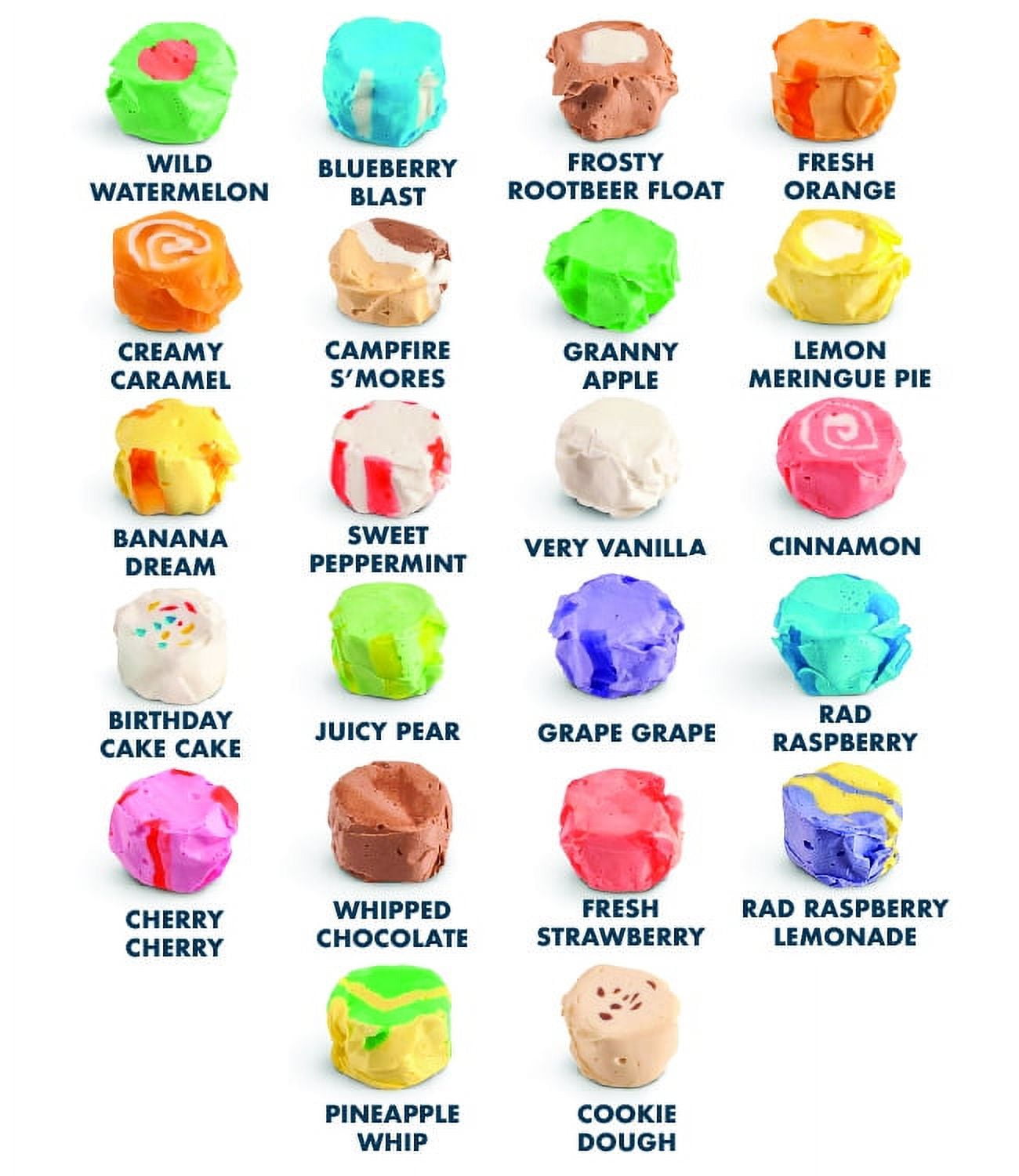
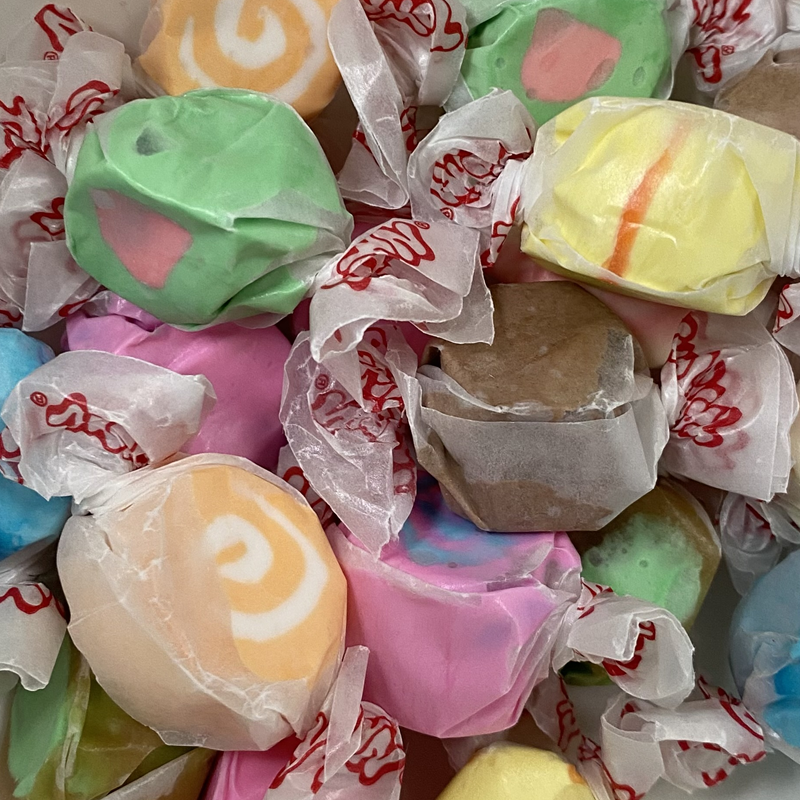
The visual identity of salt water taffy brands is almost universally characterized by pastel colors—mint greens, soft pinks, and pale yellows. These choices are not accidental. In the psychology of design, these colors evoke a sense of lightness, nostalgia, and whimsy. The packaging often features vintage typography and nautical motifs, reinforcing the brand’s heritage status. By maintaining this consistent visual language, taffy brands signal to the consumer that they are a “safe” and “traditional” choice, providing a sense of continuity in a rapidly changing world. For a brand to survive a century, it must maintain its core visual DNA while subtly updating its elements to remain relevant.
Navigating the Commodity Trap through Product Differentiation
The greatest challenge for any candy manufacturer is the “commodity trap”—the risk of the product being seen as interchangeable with any other. Salt water taffy brands have navigated this through aggressive flavor innovation and perceived exclusivity.
Flavor Innovation as a Market Entry Strategy
While the base of the product remains constant, the “brand personality” of a taffy company is often defined by its flavor portfolio. By offering hundreds of variations—from traditional vanilla to avant-garde “salted caramel” or “tropical mango”—brands can cater to diverse demographics. This variety acts as a low-cost R&D engine; seasonal flavors can be used to test market trends, while “mystery flavors” create engagement and social media buzz. In brand strategy, this is known as “product line extension,” allowing a brand to remain fresh without losing its core identity.
Exclusivity and Regional Scarcity
Many of the most successful salt water taffy brands, such as Fralinger’s or James’ on the Jersey Shore, have historically maintained a strategy of regional scarcity. By limiting distribution primarily to their flagship boardwalk locations, they increased the brand’s “prestige value.” This scarcity creates a “must-buy” mentality for tourists. Even as these brands move into e-commerce, they lean heavily on their “local” roots to differentiate themselves from mass-produced, supermarket alternatives. They aren’t just selling candy; they are selling an “authentic” local artifact.
Modernizing a Heritage Brand for the Digital Consumer
How does a brand rooted in the 19th century survive the 21st? The answer lies in the successful transition of salt water taffy from a boardwalk staple to a digital-first gift item.
Leveraging E-commerce and Social Media Aesthetics
The aesthetic of salt water taffy—its bright colors, varied shapes, and satisfying texture—is tailor-made for platforms like Instagram and TikTok. Savvy brands have leaned into the “unboxing” experience, ensuring that their mail-order packaging reflects the same premium, nostalgic feel as their physical stores. By utilizing high-definition video of the pulling process (often referred to in digital marketing as “Oddly Satisfying” content), these brands have found a new way to engage younger audiences who may have never visited a boardwalk.
Corporate Identity in the Era of Direct-to-Consumer (DTC)
The shift to a Direct-to-Consumer model has allowed taffy brands to reclaim their margins and control their brand narrative. By bypassing traditional wholesalers, brands can communicate directly with their customers through email marketing and loyalty programs. The “corporate identity” of a modern taffy company is no longer just the storefront; it is the entire digital ecosystem—the website UX, the tone of voice in social media captions, and the efficiency of the shipping process. The challenge for these heritage brands is to ensure that the “digital boardwalk” feels just as enchanting as the physical one.
Case Studies in Successful Taffy Brand Rejuvenation
To understand “what is salt water taffy” in a business context, one must look at the leaders who have defined the category. Brands like Taffy Town have revolutionized the product’s identity by moving away from the traditional “wrapped” look to a patented “24-hour conditioning” process that creates a lighter, fluffier texture.
Lessons from Atlantic City and Beyond
Atlantic City remains the spiritual home of the taffy brand. The rivalry between Fralinger’s and James’ Candy Company provides a classic case study in market positioning. Fralinger’s positioned itself with the “long box”—a unique packaging choice that became a brand signature—while James’ focused on its proprietary recipes and “cut-to-fit” shapes. This horizontal competition drove innovation in the category, proving that even within a niche market, distinct brand identities can coexist and thrive by targeting slightly different consumer psychographics.
Conclusion: The Strategic Value of the Taffy Model
In summary, salt water taffy is a testament to the power of branding over product. It is a simple mixture of sugar and air, yet through over a century of strategic storytelling, sensory engagement, and careful identity management, it has become a multi-million dollar industry. For any brand manager or entrepreneur, the salt water taffy model offers a blueprint for longevity: find an origin story, create a theatrical experience, maintain a consistent visual identity, and never underestimate the power of nostalgia. Whether you are selling software or sweets, the goal remains the same—to turn a commodity into an indispensable part of the consumer’s lifestyle and memory.
aViewFromTheCave is a participant in the Amazon Services LLC Associates Program, an affiliate advertising program designed to provide a means for sites to earn advertising fees by advertising and linking to Amazon.com. Amazon, the Amazon logo, AmazonSupply, and the AmazonSupply logo are trademarks of Amazon.com, Inc. or its affiliates. As an Amazon Associate we earn affiliate commissions from qualifying purchases.