
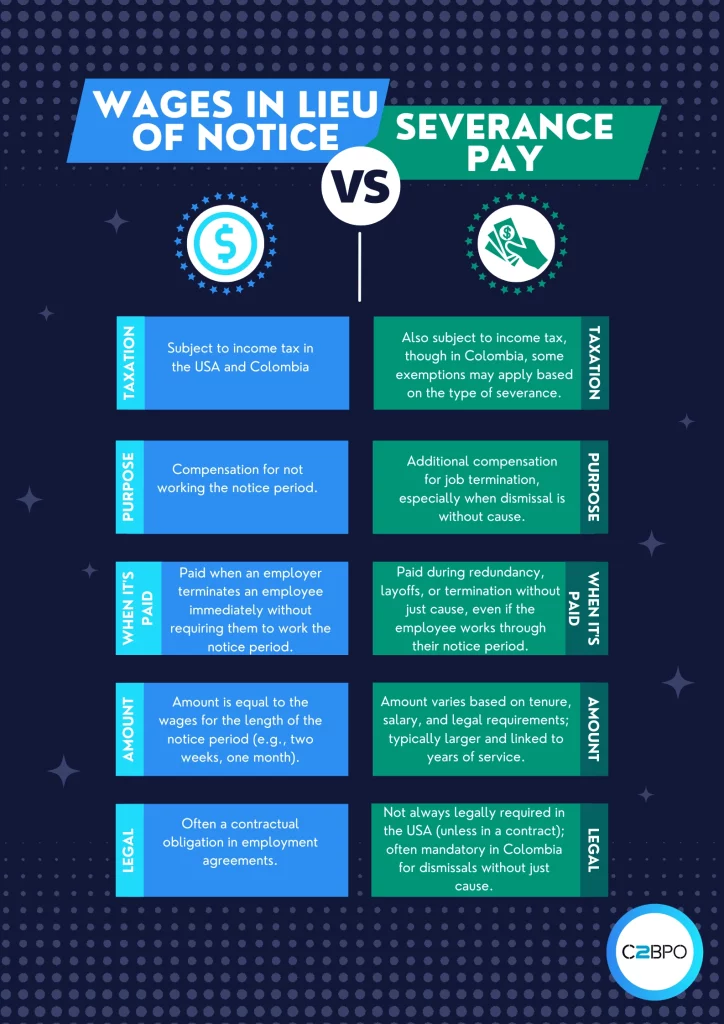
Salary in lieu of notice, often abbreviated as SILON, is a financial provision made by an employer to an employee when their employment contract is terminated without cause, and the employer does not require the employee to work during the full or any part of the contractual or statutory notice period. Instead of the employee continuing to perform their duties for the notice duration, they are compensated financially for that period. This payment essentially covers the salary and benefits the employee would have received had they worked through their notice period. Its primary purpose is to provide immediate financial stability to an employee facing job loss while allowing the employer to sever ties instantly, often to protect sensitive information, prevent disruptions, or manage an immediate transition. SILON is distinct from severance pay, which is typically an additional payment beyond the notice period, often based on years of service, and aims to compensate for the loss of employment itself.

The Mechanics of Salary in Lieu of Notice (SILON)
Understanding when SILON applies, how it’s calculated, and the methods of payment are crucial for both employers and employees to navigate employment terminations effectively and fairly. This mechanism is deeply embedded in employment contracts and labor laws designed to protect both parties.
When Does SILON Apply?
SILON primarily comes into play when an employer decides to terminate an employee’s contract without a “just cause” (e.g., serious misconduct, gross negligence). If an employer wishes to end the employment relationship immediately, or before the full notice period has been served, they typically have a contractual or legal obligation to compensate the employee for the unworked portion of that notice period. This can happen for various business reasons, such as restructuring, redundancy, or simply a desire for a clean and immediate break. Crucially, the right to SILON is often stipulated within the employment contract itself. If not explicitly stated, statutory minimum notice periods mandated by labor laws in a given jurisdiction will typically apply, or in some cases, common law principles which can imply a longer “reasonable notice” period based on factors like the employee’s age, position, and length of service. The decision to pay SILON is usually at the employer’s discretion, providing an alternative to requiring the employee to work out their notice.
Calculating SILON
The calculation of SILON aims to put the employee in the same financial position they would have been in had they worked their full notice period. This typically includes their base salary, but can also extend to other components of their total compensation package. Key factors in the calculation include:
- Base Salary: The most straightforward component, covering the regular wages for the notice period.
- Benefits: This is a critical element and often includes the employer’s contributions to health insurance, pension plans, life insurance, and other non-cash benefits that would have been provided during the notice period. The value of these benefits needs to be accurately assessed and included.
- Bonuses and Commissions: If an employee had a reasonable expectation of earning bonuses or commissions during the notice period, these might also be included in the SILON calculation, particularly if their contract specifies this or if a precedent has been set.
- Other Perquisites: Company car allowance, housing allowances, or other similar perks may also be monetized and added to the SILON.
- Notice Period Length: The duration of the notice period is fundamental. This can be specified in the employment contract, determined by statutory minimums, or by common law principles which may dictate a longer “reasonable” notice period based on the employee’s role, age, and tenure.
The calculation must be precise to avoid potential disputes and ensure compliance with labor laws.
Payment Methods and Timing
SILON can be disbursed in a couple of ways: as a single lump sum payment or as a series of payments corresponding to the employee’s regular pay cycle over the duration of what would have been the notice period.
- Lump Sum Payment: This is common and provides the employee with immediate access to the full amount. However, it can have significant tax implications, potentially pushing the employee into a higher tax bracket for that specific pay period.
- Installment Payments: Some employers opt to continue paying the employee on their regular pay schedule for the duration of the notice period. This can help mitigate the immediate tax impact for the employee and maintain continuity of certain benefits, although this varies.
The chosen method of payment can also influence the continuation of benefits. If SILON is paid as a lump sum, benefits like health insurance might cease immediately, requiring the employee to explore options like COBRA (in the U.S.) or other private insurance. If payments continue over the notice period, benefits might also continue during that time. Clarity on these aspects is paramount in the termination agreement.
Legal and Financial Implications for Employers
For employers, navigating SILON involves a complex interplay of legal compliance, financial planning, and risk management. Mishandling these aspects can lead to significant financial penalties, reputational damage, and legal disputes.
Compliance and Risk Mitigation
Employers must adhere strictly to relevant employment laws and contractual obligations when determining and paying SILON. Failure to provide adequate notice or compensation in lieu can result in claims of wrongful dismissal, which can be costly and time-consuming. Understanding the minimum statutory notice periods in their jurisdiction is essential, but employers must also be mindful of “common law” notice periods, which in many countries can be considerably longer than statutory minimums, especially for senior employees or those with long service. Clear, unambiguous employment contracts that explicitly outline notice periods and the employer’s right to pay in lieu of notice are crucial for mitigating legal risks. Consulting with legal counsel specialized in employment law before terminating an employee, especially in complex cases, is a best practice to ensure compliance and minimize exposure to litigation.
Budgeting and Financial Planning
The potential costs associated with SILON must be factored into an organization’s financial planning and budgeting, particularly when considering workforce reductions or restructurings. While termination costs are often unpredictable, proactive financial modeling can help companies anticipate these expenses. Unforeseen SILON payouts, especially for multiple employees, can significantly impact cash flow and profitability. From an accounting perspective, these payments are typically recorded as operating expenses. Strategic planning for potential termination costs is part of robust business finance, ensuring that the company can meet its obligations without undue financial strain. This includes setting aside reserves or factoring such costs into departmental budgets or project wind-downs.
Tax and Regulatory Considerations
SILON is generally considered taxable income for the employee and subject to standard payroll deductions (income tax, social security, Medicare, etc.). Employers are responsible for withholding these taxes and reporting the payments correctly to tax authorities (e.g., via a W-2 form in the U.S. or similar tax documents globally). The classification of SILON for tax purposes is vital. While it often falls under regular income, specific jurisdictions may have nuances, especially concerning payments that exceed certain thresholds or are part of larger severance packages. Employers must ensure their payroll systems are configured to handle SILON payments correctly, preventing errors that could lead to penalties from tax authorities or complications for the employee. Distinguishing SILON from other forms of termination pay, such as true severance (which might have different tax treatments or reporting requirements in some areas), is also crucial for regulatory compliance.
Financial Considerations for Employees Receiving SILON
For employees, receiving SILON presents an immediate financial landscape that requires careful navigation, from managing a lump sum to understanding tax implications and transitioning benefits.
Immediate Financial Planning
Receiving SILON, whether as a lump sum or in installments, provides a financial cushion during a period of unemployment. However, it is imperative for the employee to engage in immediate and prudent financial planning. The first step is to assess the duration for which this payment needs to cover living expenses, given that the job search may take time. Prioritizing essential expenses such as housing, food, and utilities is crucial. If the SILON is a lump sum, it should be allocated carefully, perhaps by first shoring up an emergency fund, then paying down high-interest debt, and finally setting aside funds for daily living. Employees should also investigate their eligibility for unemployment benefits; in some jurisdictions, receiving SILON, especially as a lump sum, might affect the timing of when unemployment benefits can begin. Understanding this interaction is key to optimizing financial support during job transition.
Tax Implications for Individuals
SILON is generally treated as regular income and is fully taxable. This means it will be subject to federal, state, and local income taxes, as well as payroll taxes (Social Security and Medicare in the U.S.). If received as a lump sum, it can potentially push the employee into a higher tax bracket for that particular pay period, leading to a larger portion of the payment being withheld for taxes or a larger tax liability come tax season. Employees should be aware of this and plan accordingly. Consulting a tax advisor is highly recommended to understand the specific tax implications, plan for potential tax liabilities, and explore any available deductions or strategies to mitigate the tax burden. Understanding how their effective tax rate might change and making estimated tax payments, if necessary, can prevent unexpected tax bills.
Managing Benefits Transition
One of the most critical aspects of job termination, even with SILON, is the transition of benefits. Health insurance is a primary concern. In the U.S., employees may be eligible for COBRA, which allows them to continue their employer-sponsored health coverage for a limited period by paying the full premium plus an administrative fee. The cost of COBRA can be substantial, and employees must factor this into their financial planning. Alternatives, such as marketplace plans under the Affordable Care Act, or private insurance, should also be explored. Beyond health insurance, employees need to understand the implications for their retirement plans (e.g., 401(k)s, IRAs), life insurance, and any other employer-provided benefits. Information on pension vesting schedules and options for rolling over retirement funds is essential. If the employer offers outplacement services, these should be utilized to aid in the job search, potentially shortening the period of unemployment and reducing reliance on SILON funds.
Navigating SILON: Best Practices and Expert Advice
Successful navigation of SILON requires diligence and proactive measures from both employers and employees to ensure fairness, compliance, and financial stability.
For Employers
For employers, establishing clear policies and executing termination processes with precision are paramount. First, consistently review and update employment contracts to ensure they clearly define notice periods and the company’s right to pay in lieu of notice. This clarity minimizes ambiguity and potential disputes. Second, always consult legal counsel specializing in employment law before implementing any termination that involves SILON. This ensures compliance with all local, state, and federal labor laws, mitigating the risk of wrongful dismissal claims. Third, maintain transparent and empathetic communication with employees. While terminations are difficult, explaining the process, the calculation of SILON, and the implications for benefits can help alleviate stress and foster a more respectful separation, even if the employee is departing. Finally, ensure that payroll and HR systems are equipped to accurately calculate and process SILON, including all taxable components and benefit valuations, to avoid regulatory non-compliance.

For Employees
For employees, proactive engagement and due diligence are key. First, meticulously review your employment contract to understand your notice period and any specific clauses regarding salary in lieu of notice. Knowing your entitlements upfront empowers you during a difficult time. Second, upon notification of termination, immediately seek to understand the specifics of the SILON offer. Request a detailed breakdown of the payment, including how your salary, benefits, and any potential bonuses or commissions for the notice period have been calculated. Do not hesitate to ask clarifying questions about the payment schedule, tax implications, and the exact date your benefits will cease. Third, if the terms are unclear, or if you believe your rights are not being fully respected, consider seeking independent legal advice from an employment lawyer. This can be crucial, especially if the offered SILON seems inconsistent with your contract or statutory/common law entitlements. Finally, immediately engage in robust financial planning. Understand the tax implications of receiving a lump sum, budget carefully for your living expenses, and proactively research health insurance alternatives and other benefit transition strategies to safeguard your financial well-being during your job search.
aViewFromTheCave is a participant in the Amazon Services LLC Associates Program, an affiliate advertising program designed to provide a means for sites to earn advertising fees by advertising and linking to Amazon.com. Amazon, the Amazon logo, AmazonSupply, and the AmazonSupply logo are trademarks of Amazon.com, Inc. or its affiliates. As an Amazon Associate we earn affiliate commissions from qualifying purchases.