
Embarking on the entrepreneurial journey is a deeply personal, often exhilarating, and undoubtedly transformative decision. For many, the driving force behind this ambition isn’t merely the pursuit of a passion, but a strategic move towards greater financial autonomy, wealth creation, and a more robust income portfolio. In an era marked by unprecedented economic shifts and technological advancements, the landscape of business opportunities is vast and ever-evolving, presenting both exciting prospects and formidable challenges. This guide is designed to navigate aspiring entrepreneurs through the critical considerations of identifying, planning, and launching a financially viable venture, ensuring that the path chosen aligns with both personal aspirations and a clear roadmap for financial success.
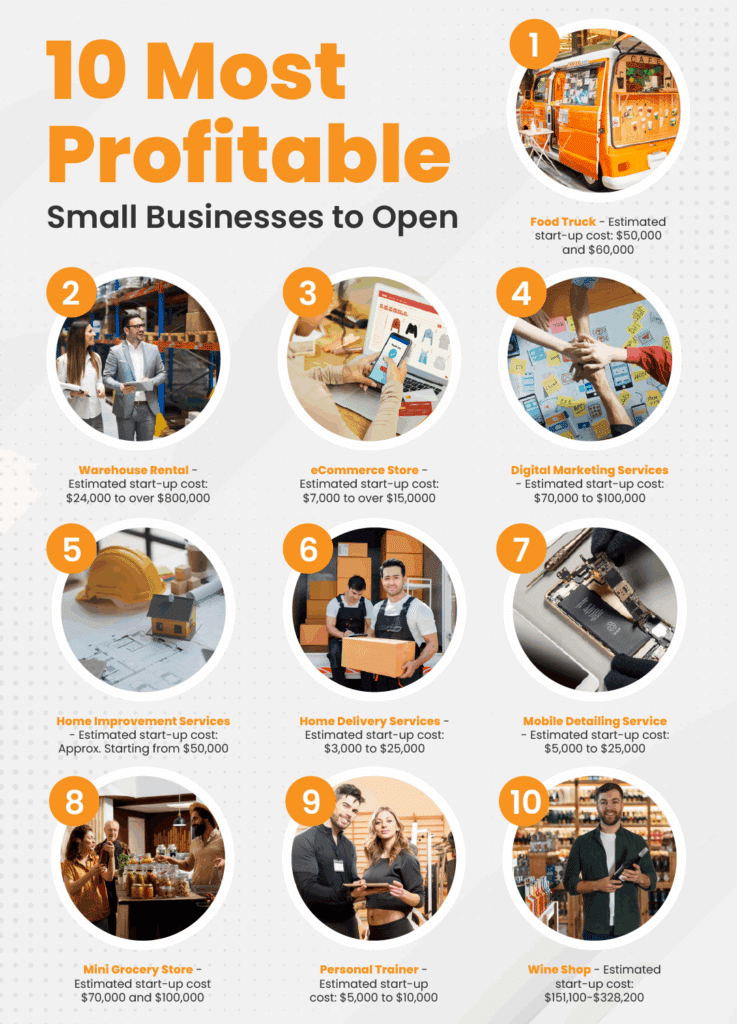
The question “what business to open?” is more than a simple query; it’s the genesis of a strategic financial endeavor. It demands a blend of introspection, market analysis, and a shrewd understanding of economic principles. From leveraging digital platforms for global reach to identifying niche markets with unmet demands, the potential for building significant wealth and achieving profound professional satisfaction has never been more accessible. However, success hinges not on luck, but on a well-researched, meticulously planned, and financially sound approach to business creation and management.
Navigating the Entrepreneurial Landscape: Identifying Your Financial Imperative
The decision to start a business is frequently underpinned by a fundamental desire for financial betterment. It’s about taking control of one’s economic future rather than being a passive participant. Understanding this core motivation is crucial for selecting a business that not only excites but also promises a tangible return on investment—both in terms of time and capital.
The Allure of Financial Independence
One of the most compelling reasons to open a business is the prospect of achieving financial independence. This isn’t just about earning a living; it’s about creating a system that generates wealth beyond the confines of a traditional salary. Entrepreneurship offers the potential for uncapped earnings, allowing your income to scale directly with your efforts, innovation, and market penetration. It’s the ultimate pathway to escaping the limitations of a fixed wage, providing the freedom to dictate your financial trajectory and accumulate assets more rapidly.
Diversifying Income Streams: Beyond the Traditional Paycheck
In today’s volatile economic climate, relying solely on a single income source is increasingly risky. Opening a business is an excellent strategy for income diversification, building resilience into your personal financial ecosystem. A successful venture can serve as a primary or secondary stream of revenue, cushioning against job market uncertainties and providing a hedge against economic downturns. This diversification is a cornerstone of sound financial planning, transforming passive wealth generation into active, entrepreneurial income.
Building Wealth Through Equity and Asset Creation
Unlike employment where you trade time for money, business ownership allows you to build equity and create tangible assets. A growing business accrues value that can be sold, inherited, or leveraged for further investment. This includes intellectual property, customer lists, brand recognition, and operational infrastructure, all of which contribute to the enterprise’s overall valuation. Over time, these assets can significantly contribute to your net worth, offering a powerful vehicle for long-term wealth accumulation that far surpasses the scope of a traditional savings account or pension fund.
Unearthing Profitable Business Ideas: A Strategic Approach
The foundation of any successful business lies in a compelling idea—one that not only resonates with your capabilities but also addresses a genuine market need. This isn’t about blind passion; it’s about merging personal strengths with a strategic understanding of market dynamics to identify truly profitable ventures.
Identifying Market Gaps and Unmet Needs
The most lucrative businesses often emerge from identifying and filling market gaps. This requires keen observation and analytical skills. What problems are people facing that currently lack efficient, affordable, or convenient solutions? Where do existing services fall short? Conduct thorough market research to pinpoint frustrations, underserved demographics, or emerging needs. For example, the rise of remote work created a demand for sophisticated collaboration tools and home office solutions, opening new avenues for financially successful businesses. Pinpointing these voids is the first step toward creating a product or service with inherent demand.
Leveraging Personal Skills and Interests for Monetization
While market demand is paramount, your own skills, expertise, and interests can significantly inform your business idea. What are you exceptionally good at? What do you enjoy doing? Often, the most sustainable businesses are those built around a founder’s inherent capabilities, as this reduces the learning curve and fuels genuine engagement. A hobby in digital design could translate into a freelance agency, or a knack for organization could lead to a successful virtual assistant service. The key is to find the intersection where your skills meet a profitable market need, allowing you to monetize your unique value proposition.
Assessing Profitability and Scalability Potential
Before committing to an idea, rigorously assess its profitability and scalability. Profitability isn’t just about revenue; it’s about margins. Can your chosen business model generate sufficient profit after accounting for all costs (COGS, operational expenses, marketing)? Equally important is scalability: Can the business grow without a proportional increase in costs? Businesses that can scale effectively—such as software-as-a-service (SaaS) models, digital products, or certain service franchises—have the potential for exponential financial growth, offering superior returns on investment. A thorough financial projection is essential here.
The Role of Problem-Solving in Value Creation
At its core, every successful business solves a problem or fulfills a desire. The greater the problem it solves, or the more keenly it fulfills a desire, the greater its potential for financial success. Whether it’s streamlining a complex process, providing convenience, enhancing well-being, or offering entertainment, your business must create tangible value for its customers. This problem-solving approach is not just a marketing angle; it’s the fundamental driver of customer acquisition, retention, and ultimately, sustainable revenue generation.
Exploring Lucrative Business Models and High-Potential Niches
The digital age has democratized entrepreneurship, offering an array of business models that can be launched with relatively low capital and high potential for financial returns. Understanding these models is key to selecting a venture that aligns with your financial objectives and risk tolerance.
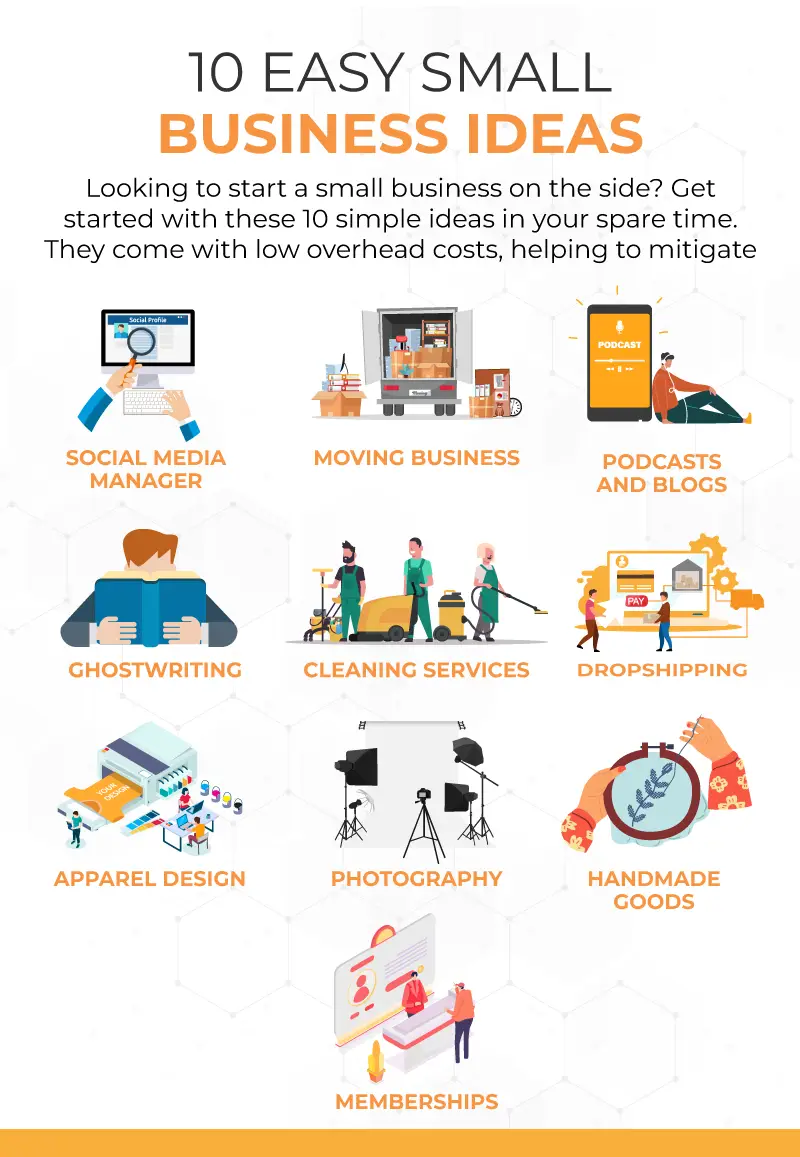
The Rise of Online Income: E-commerce, Digital Products, and Services
The internet remains a fertile ground for new businesses. E-commerce platforms like Shopify, Etsy, or even direct-to-consumer websites allow individuals to sell physical products globally with minimal overhead compared to brick-and-mortar stores. Even more appealing from a margin perspective are digital products such as e-books, online courses, software templates, or stock photography, which once created, can be sold repeatedly without additional production costs. Similarly, online services—from virtual assistant roles and social media management to freelance writing and web development—offer high profitability due to their low startup costs and the ability to serve a global clientele from any location.
Service-Based Ventures: Low Overhead, High Margins
Many service-based businesses require minimal upfront investment beyond skill and time. Consulting, coaching, tutoring, specialized cleaning services, personal training, or local handyman services can be highly profitable because they primarily leverage personal expertise rather than extensive inventory or equipment. The margins are often excellent, as the primary costs are related to marketing and the entrepreneur’s time. These businesses thrive on reputation and repeat clients, making customer satisfaction a direct driver of financial success.
Subscription Models: Predictable Recurring Revenue
The subscription economy has transformed how consumers access goods and services, and it offers an incredibly powerful financial model for businesses: predictable recurring revenue. From SaaS products that charge monthly fees for software access to curated box services and online content platforms, subscriptions ensure a consistent cash flow. This predictability allows for more accurate financial forecasting, better resource allocation, and a higher valuation for the business, making it an attractive option for both founders and investors.
Capitalizing on Emerging Trends (e.g., Sustainability, Health & Wellness)
Keeping an eye on societal shifts and emerging trends can reveal significant financial opportunities. For instance, the growing global emphasis on sustainability has led to a boom in eco-friendly products, sustainable consulting, and circular economy initiatives. Similarly, the health and wellness sector continues its robust growth, creating demand for everything from personalized nutrition plans and fitness tech to mental wellness apps and organic food products. By aligning your business with these macro-trends, you can tap into a rapidly expanding customer base with a higher propensity to spend on values-aligned solutions.
The Financial Blueprint: Launching and Funding Your Venture
A brilliant business idea is only the first step. Translating that idea into a viable, revenue-generating entity requires meticulous financial planning and a strategic approach to funding. This blueprint is crucial for mitigating risk and maximizing your chances of financial success.
Crafting a Robust Business Plan: The Financial Projections
A comprehensive business plan is not just a document for investors; it’s your financial roadmap. Central to this plan are the financial projections: detailed forecasts of your startup costs, revenue streams, operational expenses, profit and loss statements, and cash flow analysis for the first 3-5 years. These projections force you to confront the financial realities of your business, identify potential shortfalls, and set realistic revenue targets. They will guide your pricing strategies, budgeting, and overall financial decision-making, ensuring that every operational choice has a clear financial justification.
Securing Capital: Bootstrapping, Loans, and Investment
Funding is often the biggest hurdle for new businesses.
Bootstrapping, or self-funding, is the leanest approach, using personal savings or initial profits to fund growth. This minimizes debt and equity dilution but can limit growth speed.
Small business loans from banks or government programs (e.g., SBA loans in the U.S.) offer capital at reasonable interest rates but require a solid business plan and collateral.
Venture capital or angel investment can provide substantial capital in exchange for equity, suitable for high-growth potential businesses but typically involves a more rigorous fundraising process and relinquishing a portion of ownership. Each option has distinct financial implications, impacting your cost of capital and future financial control.
Managing Startup Costs and Operational Expenses
Controlling costs from day one is paramount for financial longevity. Startup costs can include legal fees, initial inventory, equipment, branding, and website development. Operational expenses cover rent, salaries, utilities, marketing, and ongoing supplies. Develop a detailed budget and continuously monitor actual spending against it. Look for ways to minimize fixed costs, such as leveraging co-working spaces, cloud-based software, or outsourcing non-core functions. Every dollar saved on expenses is a dollar added to your bottom line, directly enhancing profitability.
Understanding Pricing Strategies for Profit Maximization
Your pricing strategy directly impacts your revenue and perceived value. It’s a delicate balance between covering costs, achieving desired profit margins, and remaining competitive. Consider value-based pricing (charging what the customer perceives the product to be worth), cost-plus pricing (adding a markup to your costs), or competitive pricing (matching or beating competitors). Experiment with different models, analyze customer response, and be prepared to adjust. Dynamic pricing, tiered options, and bundled services can also significantly increase average transaction values and overall profitability.
Sustaining Growth and Maximizing Financial Returns
Launching a business is merely the beginning. True financial success comes from sustained growth, strategic financial management, and a continuous focus on optimizing returns. This long-term perspective is what differentiates fleeting ventures from enduring enterprises.
Reinvesting Profits for Scalability
Once your business starts generating profits, a critical decision is how to utilize them. Smart entrepreneurs understand the power of reinvestment. Instead of immediately extracting all profits, strategically funneling a portion back into the business can fuel scalability, develop new products, expand into new markets, or upgrade technology. This calculated reinvestment acts as an accelerant, boosting future revenue streams and increasing the overall valuation of your business, thereby magnifying your long-term financial returns.
Monitoring Key Financial Metrics (KPIs)
Consistent monitoring of key financial performance indicators (KPIs) is non-negotiable for informed decision-making. Essential KPIs include revenue growth, gross profit margin, net profit margin, customer acquisition cost (CAC), customer lifetime value (CLTV), burn rate, and cash flow. Regularly analyzing these metrics provides real-time insights into your business’s financial health, identifies areas of inefficiency, and signals opportunities for optimization. Tools for financial reporting and analytics are invaluable for tracking these figures and making data-driven adjustments.
Adapting to Market Shifts and Economic Trends
The business world is dynamic. Economic downturns, technological disruptions, and evolving consumer preferences can rapidly change the landscape. A successful business owner must be agile and willing to adapt. Continuously scan the market for new trends, competitive threats, and emerging opportunities. This might involve pivoting your business model, diversifying your product offerings, or exploring new markets. Financial resilience comes from foresight and the ability to strategically adjust your operations to maintain profitability even in turbulent times.

Exit Strategies and Wealth Realization
While the immediate focus is on building a successful business, it’s wise to consider long-term exit strategies from a financial perspective. Do you envision selling the business for a substantial sum? Passing it down to family? Or perhaps transitioning to a more passive ownership role? Planning an exit strategy from the outset can influence decisions related to legal structure, financial reporting, and even customer retention, all of which impact the eventual valuation of your enterprise. A well-executed exit can represent the culmination of years of hard work, translating your business equity into significant personal wealth.
In conclusion, opening a business is a monumental undertaking, but one brimming with the potential for profound financial reward. By approaching the endeavor with a clear understanding of your financial motivations, strategically identifying profitable ideas, embracing sound business models, meticulously planning your financial blueprint, and committing to continuous growth and adaptation, you can unlock a future of financial independence and wealth creation. The journey demands diligence, insight, and an unwavering focus on the numbers, but for those who master these elements, the returns can be truly transformative.
aViewFromTheCave is a participant in the Amazon Services LLC Associates Program, an affiliate advertising program designed to provide a means for sites to earn advertising fees by advertising and linking to Amazon.com. Amazon, the Amazon logo, AmazonSupply, and the AmazonSupply logo are trademarks of Amazon.com, Inc. or its affiliates. As an Amazon Associate we earn affiliate commissions from qualifying purchases.