
In the intricate ecosystem of modern commerce, terms like “profit margin,” “ROI,” and “balance sheet” are the lingua franca of success. Yet, underpinning these tangible financial metrics lies a less immediately quantifiable, but equally critical, element: safety culture. Often perceived solely as a matter of compliance or human resources, a robust safety culture is, in fact, one of the most powerful financial instruments available to a business. It’s an investment that significantly impacts a company’s bottom line, mitigating risk, enhancing productivity, and ultimately fostering sustainable growth.
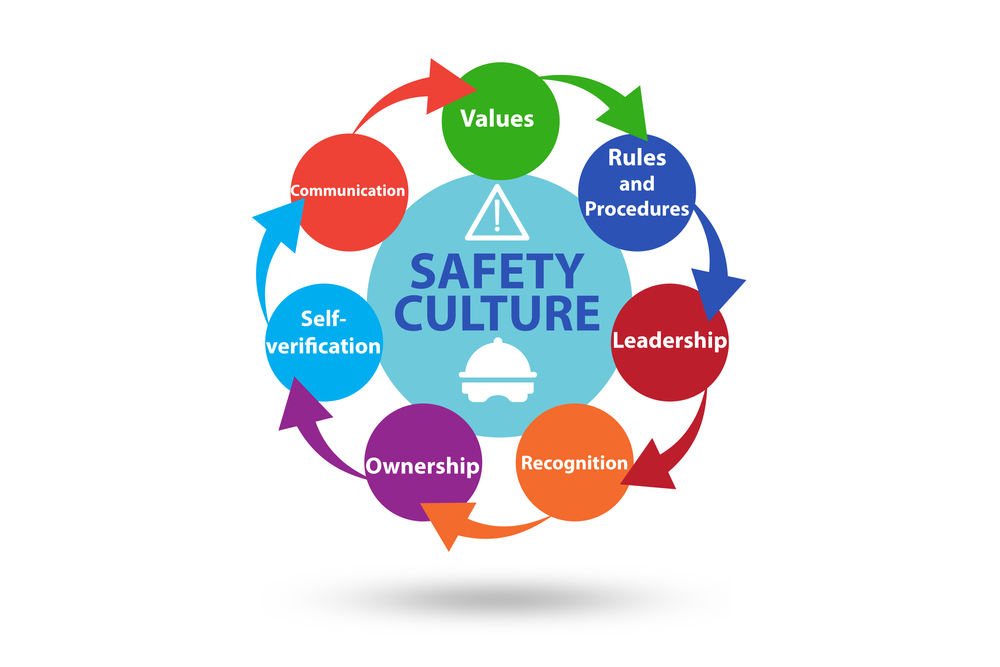
At its core, safety culture represents the shared values, beliefs, attitudes, and behaviors that employees and management hold towards safety within an organization. It’s not merely a set of rules or a binder of policies; it’s the ingrained way an organization approaches risk, prioritizes well-being, and makes decisions that affect the safety of its people, assets, and reputation. From a financial perspective, understanding and actively cultivating a strong safety culture transitions safety from a necessary evil or an overhead cost into a strategic asset, crucial for long-term financial health and operational resilience. This article will delve into why safety culture is fundamentally a financial imperative, exploring the costs of its neglect and the significant returns on investment derived from its deliberate cultivation.
The Tangible Costs of Neglecting Safety Culture
The absence or weakness of a safety culture is not a benign oversight; it’s a ticking financial time bomb. The costs associated with poor safety practices extend far beyond immediate incident response, permeating every facet of a business’s financial structure. Recognizing these costs is the first step toward understanding the profound financial value of proactive safety management.
Direct Financial Penalties and Liabilities
When safety culture falters, the most immediate and stark financial consequences often manifest as direct penalties and liabilities. Regulatory bodies worldwide, such as OSHA in the United States or HSE in the UK, impose hefty fines for safety violations. These aren’t just minor slaps on the wrist; serious breaches can result in fines running into millions of dollars, capable of severely impacting quarterly earnings or even threatening the solvency of smaller enterprises.
Beyond regulatory fines, incidents resulting from a weak safety culture frequently lead to costly lawsuits. Injured employees, affected customers, or even third parties can file claims for damages, medical expenses, lost wages, and pain and suffering. Settlement costs, legal fees, and court-mandated compensation can drain company reserves, diverting capital that could otherwise be allocated to innovation, market expansion, or shareholder returns. Moreover, insurance premiums, particularly for workers’ compensation and general liability, are directly tied to a company’s safety record. A history of frequent incidents and claims inevitably leads to increased premiums, becoming a continuous drain on operational budgets.
Operational Disruptions and Productivity Losses
The financial impact of a neglected safety culture isn’t confined to penalties; it deeply infiltrates daily operations, leading to significant productivity losses and disruptions. An accident, regardless of its severity, triggers an immediate chain reaction: production halts, equipment damage, emergency response, and investigations. Each of these steps represents non-productive time, where resources are consumed without generating revenue.
For instance, a single serious injury on a factory floor can shut down an entire production line for hours or even days while the incident is investigated, equipment is inspected, and morale is managed. The costs accumulate rapidly: lost output, delayed deliveries, potential contractual penalties, and overtime wages for other staff to compensate for the backlog. Furthermore, a workforce operating in an environment perceived as unsafe experiences lower morale, increased stress, and higher absenteeism. This psychological toll translates directly into reduced efficiency, poorer quality of work, and ultimately, a less productive workforce. The ripple effect of one safety lapse can disrupt an entire supply chain, leading to further financial repercussions for the business and its partners.
The Hidden Costs of Reputation Damage
Perhaps the most insidious and long-lasting financial consequence of a poor safety culture is the damage inflicted upon a company’s reputation. While harder to quantify immediately, reputation directly translates into market share, customer loyalty, investor confidence, and talent acquisition. A highly publicized accident or a consistent pattern of safety breaches can swiftly erode public trust. Consumers may boycott products or services, choosing competitors with a stronger ethical and safety track record. This decline in sales impacts revenue directly and can necessitate expensive marketing campaigns to rebuild trust, often with limited success.
For publicly traded companies, a tarnished safety record can cause stock prices to plummet, as investors become wary of future liabilities, regulatory scrutiny, and decreased profitability. Attracting top talent also becomes significantly harder; skilled professionals are increasingly discerning, opting for organizations that prioritize employee well-being and demonstrate a responsible corporate identity. This “brain drain” can lead to higher recruitment costs, a less skilled workforce, and a competitive disadvantage in the talent market. The cumulative effect of reputation damage can be catastrophic, diminishing brand equity built over decades and fundamentally undermining long-term financial viability.
Safety Culture as a Strategic Financial Investment
Conversely, investing in a robust safety culture is not merely about avoiding costs; it’s a strategic financial decision that yields substantial returns. By shifting from a reactive approach to a proactive one, businesses can transform safety from an expense into a driver of financial growth and stability.
Reducing Risk and Enhancing Resilience
A strong safety culture is inherently a risk management strategy. By actively identifying hazards, implementing preventive measures, and fostering a continuous improvement mindset, organizations dramatically reduce the likelihood of costly incidents. This proactive stance minimizes the need for emergency responses, repairs, and legal battles, allowing resources to be channeled towards productive endeavors.
Moreover, a well-entrenched safety culture enhances an organization’s overall resilience. When incidents do occur, a culture of preparedness, clear communication, and rapid learning ensures quicker recovery and minimal disruption. This resilience translates into more stable financial performance, predictable operational costs, and greater investor confidence. Companies with strong safety records often benefit from lower insurance premiums, as insurers recognize their reduced risk profile. Over time, these cumulative savings contribute significantly to the bottom line, demonstrating a clear return on the investment made in cultivating a safety-first environment.
Improving Employee Productivity and Retention
The human element is central to both safety and financial performance. A strong safety culture directly impacts employee well-being, fostering a healthier, more engaged, and ultimately more productive workforce. Employees who feel valued and protected are less stressed, more focused, and more likely to contribute their best work. This reduction in stress and physical risk leads to fewer injuries, lower absenteeism rates, and enhanced mental health, all of which directly translate into sustained productivity.
Furthermore, a company known for its commitment to safety becomes an attractive employer. This positively impacts talent acquisition and, crucially, talent retention. High employee turnover is a significant financial drain, involving costs for recruitment, onboarding, training, and the loss of institutional knowledge. By reducing turnover through a positive and safe work environment, businesses save substantial amounts, while also building a more experienced, skilled, and loyal workforce. This stable, high-performing team is a direct driver of efficiency, innovation, and sustained profitability.
Boosting Brand Value and Market Confidence
In today’s socially conscious marketplace, a strong safety culture acts as a powerful differentiator and enhancer of brand value. Companies that consistently demonstrate a commitment to safety are perceived as responsible, ethical, and trustworthy. This positive perception resonates with customers, leading to increased loyalty and market share. Consumers are increasingly willing to support brands that align with their values, and safety is a paramount concern for many.
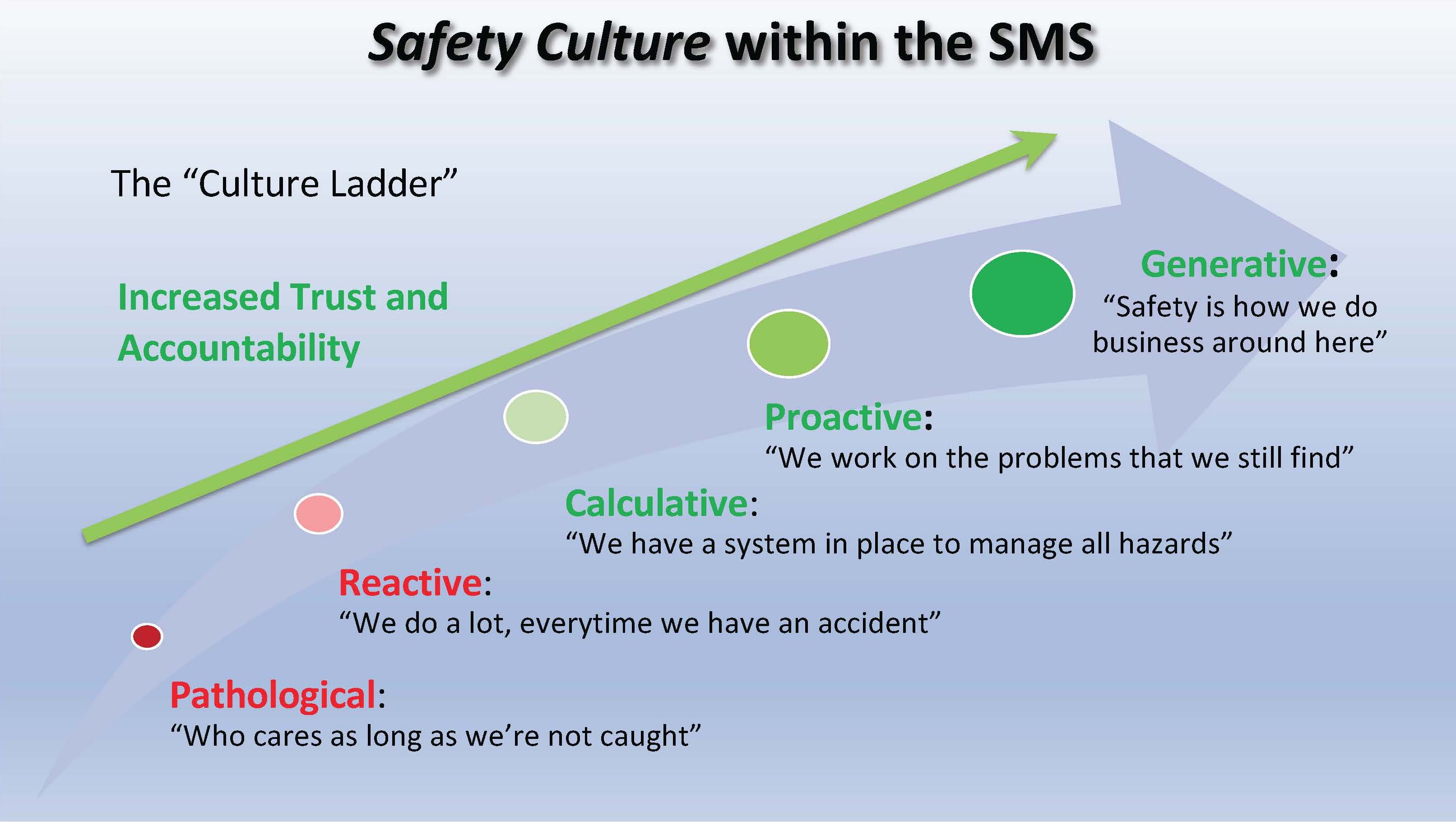
Beyond customers, a robust safety culture instills confidence in investors and business partners. Ethical investors actively seek out companies with strong ESG (Environmental, Social, Governance) performance, where safety culture plays a crucial role. A solid safety record can attract capital, reduce borrowing costs, and enhance the overall valuation of a company. Business partners are also more likely to collaborate with organizations that mitigate risk effectively, ensuring smoother operations across the supply chain. In essence, a strong safety culture elevates a company’s reputation from merely compliant to truly exemplary, creating a competitive advantage that translates directly into long-term financial success and market leadership.
Building a Financially Sound Safety Culture
Cultivating a robust safety culture is not an overnight transformation; it requires deliberate strategy, consistent effort, and, crucially, appropriate financial allocation. Businesses must view safety initiatives not as discretionary expenses, but as fundamental investments in their long-term financial viability.
Leadership Commitment and Resource Allocation
The bedrock of any effective safety culture is unequivocal leadership commitment. This commitment must be visible, vocal, and backed by tangible resource allocation. It goes beyond mere endorsements; it involves senior management actively participating in safety initiatives, championing safety as a core value, and making difficult decisions that prioritize safety over short-term production goals. Financially, this means budgeting adequately for safety training, equipment upgrades, safety personnel, and continuous improvement programs.
When leaders invest in state-of-the-art safety technology, provide comprehensive training, and allocate sufficient time for safety meetings and audits, they send a clear message: safety is paramount. This financial backing reinforces the cultural shift, demonstrating to employees that the company is serious about their well-being. Moreover, it empowers safety teams with the tools and authority needed to implement effective programs, ensuring that safety efforts are not perpetually constrained by insufficient funds.
Data-Driven Safety Management
In the realm of business finance, decisions are increasingly driven by data, and safety culture should be no exception. Implementing data-driven safety management involves collecting, analyzing, and acting upon safety performance metrics. This includes tracking incident rates, near misses, safety audit findings, training completion rates, and employee feedback. Crucially, it also involves quantifying the financial impact of these metrics.
By conducting detailed cost-benefit analyses, organizations can demonstrate the tangible return on investment (ROI) of safety initiatives. For example, calculating the cost avoidance from a reduction in incidents or the financial gain from improved productivity dueates directly to the improved safety measures. Predictive analytics can identify high-risk areas or activities, allowing for targeted interventions that prevent incidents before they occur, thus optimizing resource allocation for maximum financial impact. Embracing financial modeling for safety investments allows businesses to treat safety as an asset that generates returns, making a compelling case for continued and increased investment.
Continuous Improvement and Employee Engagement
A strong safety culture is never static; it’s characterized by a commitment to continuous improvement, fueled by active employee engagement. This means fostering an environment where all employees feel empowered to identify hazards, suggest improvements, and report concerns without fear of reprisal. Financially, this empowers the workforce to become frontline risk managers, identifying and mitigating potential financial liabilities before they escalate.
Implementing robust feedback loops, conducting regular safety audits, and learning systematically from both incidents and near misses are critical. Each incident, even a minor one, represents a financial learning opportunity. Analyzing root causes and implementing corrective actions prevents recurrence, saving future costs. Empowering employees to be part of the solution, through safety committees, suggestion programs, and shared responsibility, not only improves safety outcomes but also boosts morale and job satisfaction, further contributing to productivity and retention, thus circling back to direct financial benefits.
Measuring the ROI of Safety Culture Initiatives
To solidify the financial case for safety culture, organizations must move beyond qualitative benefits and actively measure the return on investment (ROI) of their safety initiatives. This requires a systematic approach to quantifying both cost avoidance and tangible gains.
Quantifying Cost Avoidance
Measuring cost avoidance involves estimating the expenses that did not occur due to effective safety interventions. This includes calculating the savings from avoided workers’ compensation claims, reduced insurance premiums, fewer regulatory fines, and minimized legal fees. For example, if a company reduces its incident rate by 20% after implementing a new safety program, it can calculate the financial savings based on the average cost of incidents in previous years.
This analysis should also factor in the avoidance of operational disruptions, such as production downtime and equipment repair costs. By demonstrating how proactive safety measures prevent these direct and indirect costs, businesses can present a clear financial statement of value created through risk mitigation. This allows safety departments to justify their budgets and even argue for increased investment, positioning themselves as indispensable financial stewards.
Assessing Productivity Gains
The ROI of safety culture extends beyond cost avoidance to include measurable gains in productivity. This can be assessed by tracking improvements in key operational metrics such as output per employee, reduced absenteeism, and lower rates of employee turnover following safety enhancements. For instance, a decline in unscheduled absences due to workplace injuries or stress directly translates into more consistent labor availability and higher output.
Moreover, a safer, more engaged workforce often exhibits higher quality work, leading to fewer reworks, reduced waste, and improved customer satisfaction—all of which have positive financial implications. Measuring these improvements requires baseline data and consistent tracking over time, but the resulting figures provide powerful evidence of how investing in safety directly contributes to operational efficiency and revenue generation.
Long-Term Financial Health and Sustainability
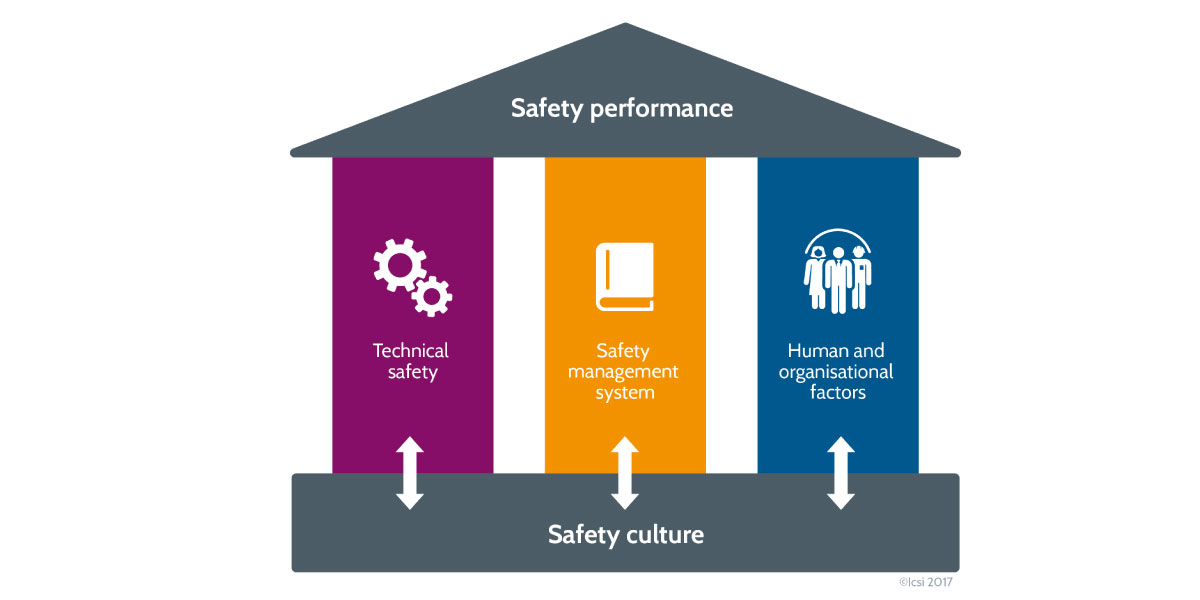
Ultimately, the ROI of a strong safety culture is reflected in the long-term financial health and sustainability of the business. Companies with exemplary safety records often enjoy lower capital costs, as they are perceived as less risky by lenders and investors. This can translate into better credit ratings and more favorable loan terms. Furthermore, enhanced brand reputation and market confidence stemming from a strong safety culture can positively impact stock valuation for public companies.
In an era where corporate social responsibility and ethical governance are increasingly scrutinized, a robust safety culture is a non-negotiable component of a sustainable business model. It ensures not only compliance but also the ethical treatment of employees, resilience against unforeseen challenges, and a positive public image, all of which contribute to enduring profitability. Investing in safety culture is therefore not merely an ethical choice, but a financially astute strategy for building a resilient, reputable, and sustainably prosperous enterprise.
In conclusion, “what is safety culture?” is not just a question about workplace well-being; it’s a profound inquiry into the financial bedrock of a business. A strong safety culture is an indispensable asset, acting as a powerful mechanism for risk mitigation, cost control, productivity enhancement, and brand value accretion. By understanding and actively managing safety culture through a financial lens, businesses can transform what might traditionally be seen as an overhead into a strategic investment that generates substantial, measurable returns, securing their financial future in an increasingly complex and competitive global economy.
aViewFromTheCave is a participant in the Amazon Services LLC Associates Program, an affiliate advertising program designed to provide a means for sites to earn advertising fees by advertising and linking to Amazon.com. Amazon, the Amazon logo, AmazonSupply, and the AmazonSupply logo are trademarks of Amazon.com, Inc. or its affiliates. As an Amazon Associate we earn affiliate commissions from qualifying purchases.