
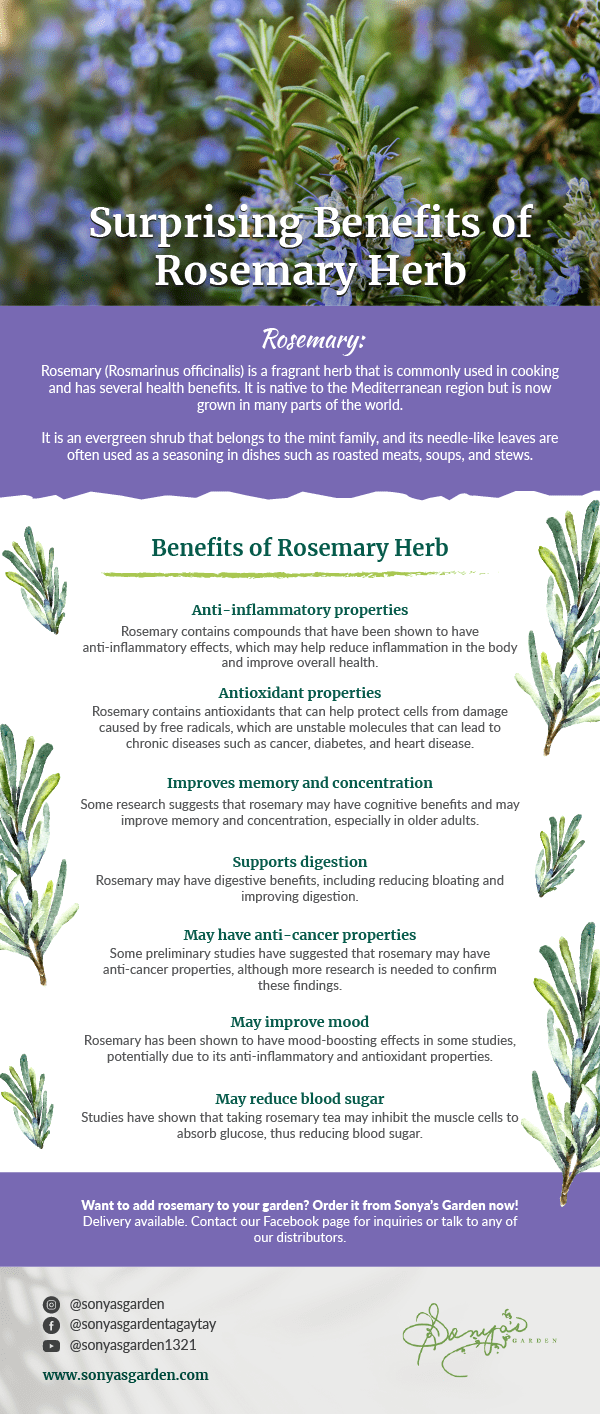
Rosemary, with its distinctive pine-like fragrance and robust flavor, is far more than just a culinary herb or an ornamental garden plant. Beyond its widely recognized uses in gastronomy and traditional medicine, Rosmarinus officinalis holds significant, often untapped, economic potential. For the discerning entrepreneur, the savvy home gardener, or the forward-thinking investor, understanding “what rosemary plants are good for” translates directly into opportunities for income generation, cost savings, and strategic investment. This article delves into the multifaceted financial benefits that rosemary plants offer, exploring avenues from commercial agriculture and value-added products to sustainable living and market speculation.
Rosemary as a Commercial Agricultural Opportunity
The cultivation of rosemary presents a compelling case for commercial agriculture, especially for those looking to tap into niche markets with high demand for natural and organic products. Its resilience, relatively low maintenance requirements, and diverse applications make it an attractive crop for various scales of operation.
Cultivation for Profit: From Farm to Market
Commercial rosemary farming can range from small-scale, high-yield plots to extensive plantations, each with its own economic model. For small to medium-sized farms, the focus might be on direct sales to restaurants, farmers’ markets, or local food cooperatives, commanding premium prices for fresh, locally sourced herbs. Larger operations, however, might target wholesale distribution to food processors, pharmaceutical companies, or essential oil distillers. The robust nature of rosemary allows for multiple harvests throughout the year in suitable climates, ensuring a consistent supply and revenue stream. Investing in efficient irrigation systems and sustainable farming practices can further enhance yields and reduce operational costs, maximizing profitability. Furthermore, the longevity of rosemary plants – often productive for many years – means that the initial investment in planting stock yields long-term returns, making it a sustainable agricultural asset.
Niche Markets and Premium Pricing for Organic Rosemary
The rising consumer demand for organic and sustainably produced goods offers a significant advantage for rosemary growers. Certified organic rosemary can command significantly higher prices than conventionally grown alternatives. This premium extends across various segments, from fresh culinary herbs to dried ingredients and extracts. Farmers who invest in organic certification not only tap into this lucrative market but also align with growing environmental consciousness, potentially attracting eco-conscious consumers and businesses. Beyond organic, specific rosemary varieties known for superior aroma, flavor, or oil content can be marketed as gourmet or specialty items, further segmenting the market and justifying higher price points. This strategic positioning allows growers to differentiate their product and capture a larger share of the value chain.
Essential Oil Extraction: A High-Value Derivative
Perhaps one of the most financially rewarding avenues for rosemary cultivation is the production of essential oil. Rosemary essential oil is highly sought after in the aromatherapy, pharmaceutical, cosmetic, and fragrance industries due to its distinctive scent and purported therapeutic properties (e.g., memory enhancement, pain relief, antiseptic qualities). The essential oil market is a global, multi-billion dollar industry, with specific demand for high-quality, pure botanical extracts. While essential oil extraction requires specialized equipment – typically a steam distillation unit – the concentrated value of the oil per unit of raw material is significantly higher than that of dried or fresh herbs. A farm producing essential oil can generate substantial revenue from a relatively small land area. Strategic partnerships with established essential oil distributors or direct sales through e-commerce channels can unlock significant profit margins.
Diversifying Income Streams Through Value-Added Rosemary Products
Beyond raw cultivation, the true financial potential of rosemary often lies in transforming the raw herb into a diverse array of value-added products. This strategy allows producers to capture a larger share of the consumer dollar by meeting specific market needs across various industries.
Culinary Delights: Creating and Selling Gourmet Rosemary Products
Rosemary’s culinary versatility makes it an ideal ingredient for a wide range of gourmet products. This includes dried rosemary blends, rosemary-infused olive oils and vinegars, savory baked goods (like rosemary crackers or breads), spice rubs, and even artisanal rosemary jellies or syrups. Small businesses can start by crafting these products in home kitchens (adhering to local food safety regulations) and selling them at farmers’ markets, craft fairs, or through online platforms like Etsy. As demand grows, scaling up to a commercial kitchen and distributing to specialty food stores or local delis becomes feasible. Branding these products with unique recipes, attractive packaging, and a compelling story can significantly enhance their market appeal and profitability. The key is to leverage rosemary’s distinct flavor profile to create unique and memorable gastronomic experiences.
Health and Wellness: Essential Oils, Hydrosols, and Herbal Remedies
The wellness market offers fertile ground for rosemary-derived products, capitalizing on its historical use in traditional medicine. Beyond pure essential oil, rosemary hydrosol (the aromatic water byproduct of distillation) is gaining popularity as a natural toner, skin refresher, and mild aromatic spray. Herbal remedies, such as rosemary tinctures, teas, and capsules, can be developed to target specific health concerns, from improving cognitive function to aiding digestion. For those with expertise in herbalism or natural health, creating and marketing these therapeutic products can be a rewarding venture. Strict adherence to health regulations and clear labeling of product benefits and usage instructions are crucial for building consumer trust and ensuring legal compliance. The growing interest in natural alternatives to conventional medicine ensures a robust market for these offerings.
Beauty and Personal Care: Infusing Rosemary into Cosmetics
The cosmetic industry is another major consumer of rosemary extracts, recognizing its antioxidant, anti-inflammatory, and antimicrobial properties. Rosemary can be incorporated into shampoos and conditioners (believed to stimulate hair growth), soaps, lotions, balms, and facial cleansers. Entrepreneurs can develop their own lines of natural skincare and haircare products, appealing to consumers who prioritize clean ingredients and botanical formulations. This segment often thrives on effective marketing that highlights the natural benefits and premium quality of the ingredients. Packaging and branding play a critical role here, as consumers are often drawn to aesthetically pleasing and eco-friendly products. Creating a signature scent or product line based around rosemary can establish a unique brand identity in a competitive market.
Cost Savings and Sustainable Living: The Economic Benefits of Home Cultivation
While much of the focus is on generating income, growing rosemary at home also offers significant financial advantages through cost savings and contributes to a more sustainable, self-sufficient lifestyle, which has its own long-term economic benefits.
Reducing Grocery Bills: Fresh Herbs at Your Fingertips

One of the most immediate and tangible financial benefits of growing rosemary at home is the reduction in grocery expenses. Fresh herbs, especially organic ones, can be surprisingly expensive when purchased regularly from supermarkets. A single rosemary plant, easily grown in a pot on a windowsill or in a garden bed, can provide a continuous supply of fresh sprigs for cooking throughout the year. This eliminates the need to buy often overpriced, pre-packaged herbs that may wilt quickly. For culinary enthusiasts who frequently use rosemary in their dishes, the savings accumulate quickly, freeing up household budget for other necessities or discretionary spending.
DIY Solutions: Saving on Health and Beauty Products
Beyond culinary uses, home-grown rosemary can be a valuable ingredient for DIY health and beauty products, leading to further savings. Instead of purchasing expensive, chemical-laden commercial products, one can easily make rosemary-infused oils for massage, hair rinses, or simple salves. A homemade rosemary essential oil (if one has access to a small distiller) or even just an infused oil can replace costly store-bought aromatherapy products. This not only saves money but also provides control over the ingredients, ensuring purity and avoiding unwanted additives. Embracing DIY solutions with rosemary is a practical step towards financial independence in personal care.
Eco-Friendly Practices: A Step Towards Financial Resilience
Cultivating rosemary as part of a home garden promotes sustainable living, which indirectly contributes to financial resilience. Reducing reliance on commercially produced goods, minimizing waste from packaging, and participating in a circular economy (e.g., composting garden waste to enrich soil) are all practices that lead to long-term financial benefits. A thriving home garden, inclusive of rosemary, fosters food security and reduces a household’s carbon footprint. In an era of increasing economic volatility and environmental concerns, investing time and effort into self-sufficiency through gardening can be a wise financial strategy, mitigating future expenses and promoting a healthier lifestyle.
Strategic Investment and Market Growth in the Rosemary Industry
Beyond direct cultivation and product creation, the rosemary industry offers opportunities for strategic investment, reflecting its growing market presence and diverse applications. Analyzing trends and identifying growth sectors can yield significant returns for investors.
Analyzing Market Trends and Consumer Demand
Investors keen on the rosemary market should closely monitor consumer trends. The increasing emphasis on natural ingredients, plant-based diets, and holistic wellness fuels demand for rosemary in various forms. Research into market reports on the essential oil, herbal remedy, and natural cosmetics sectors can reveal growth hotspots. For example, a surge in demand for cognitive enhancers might boost the market for rosemary supplements. Understanding geographical variations in demand and identifying emerging markets can guide investment decisions. Data on organic food sales, aromatherapy product consumption, and the growth of specific beauty segments provide valuable insights into where capital can be most effectively deployed within the rosemary value chain.
Investing in Rosemary-Related Businesses and Startups
Rather than direct farming, investors might choose to support existing businesses or promising startups within the rosemary ecosystem. This could include companies specializing in essential oil distillation technologies, innovative rosemary-based food or beverage products, natural cosmetic brands, or even agritech firms developing sustainable rosemary cultivation solutions. Seed funding, venture capital, or even crowdfunding can provide capital to these ventures, with investors expecting a return as the companies scale and capture market share. Due diligence is crucial, focusing on the business model, market differentiation, management team experience, and scalability potential.
Global Trade and Export Potential
The global trade in rosemary and its derivatives is substantial. Countries with suitable climates can become significant exporters of raw or processed rosemary. Investors might look into logistics, processing facilities, or international distribution networks that facilitate this trade. Understanding international trade agreements, export regulations, and currency fluctuations are key considerations for this segment. Developing partnerships with international buyers or investing in companies with strong export capabilities can provide access to broader markets and higher profit margins, leveraging the worldwide demand for this versatile plant.
Scaling Your Rosemary Enterprise: From Hobbyist to High-Volume Producer
For those who begin with a small garden or a handful of plants and envision a larger enterprise, scaling a rosemary operation requires strategic planning, significant investment, and a keen understanding of business dynamics.
Business Planning and Capital Acquisition
Transforming a hobby into a commercial venture necessitates a robust business plan. This includes detailed projections for production costs, revenue, marketing expenses, and overheads. Identifying target markets, outlining a competitive strategy, and forecasting growth are essential. Crucially, scaling up often requires substantial capital. This might come from personal savings, small business loans, agricultural grants, angel investors, or venture capitalists. A well-articulated business plan is instrumental in securing this funding, demonstrating the viability and potential return on investment for the rosemary enterprise. This plan should also encompass an operational strategy, outlining procurement, processing, and distribution channels.
Marketing and Branding for Market Penetration
As a rosemary business grows, effective marketing and strong branding become paramount. Developing a distinctive brand identity – including a memorable name, logo, and consistent messaging – helps the business stand out. Marketing efforts could include digital strategies (e.g., e-commerce website, social media campaigns, SEO), participation in trade shows, local advertising, and public relations. Highlighting the unique selling propositions of the rosemary products – whether it’s organic certification, unique flavor profiles, therapeutic benefits, or sustainable sourcing – is crucial. Building a strong brand story can foster customer loyalty and facilitate market penetration beyond initial niche markets.
Legal and Regulatory Considerations for Commercial Sales
Operating a commercial rosemary business, especially one involving food, health, or cosmetic products, comes with a host of legal and regulatory obligations. This includes obtaining necessary business licenses, adhering to food safety standards (e.g., FDA regulations in the US, EFSA in Europe), cosmetic ingredient regulations, and labeling requirements. Intellectual property protection for unique product formulations or branding might also be necessary. Understanding and complying with these regulations is not only a legal imperative but also builds consumer trust and safeguards the business against potential liabilities. Consulting with legal and regulatory experts is advisable to ensure full compliance and smooth operation as the business scales.
In conclusion, “what are rosemary plants good for” extends far beyond their aesthetic appeal or aromatic qualities. They represent a versatile asset with significant financial utility, offering pathways for direct income generation through agriculture and value-added products, substantial cost savings for the prudent household, and strategic investment opportunities within a growing global market. By understanding and strategically leveraging these diverse benefits, individuals and businesses can unlock the true economic potential of this remarkable herb.
aViewFromTheCave is a participant in the Amazon Services LLC Associates Program, an affiliate advertising program designed to provide a means for sites to earn advertising fees by advertising and linking to Amazon.com. Amazon, the Amazon logo, AmazonSupply, and the AmazonSupply logo are trademarks of Amazon.com, Inc. or its affiliates. As an Amazon Associate we earn affiliate commissions from qualifying purchases.