
The term “RSL Club” evokes a distinct image and a rich history, particularly within Australia. From a brand perspective, understanding an RSL Club isn’t merely about its physical location or its services; it’s about dissecting a powerful, multi-faceted brand identity built on heritage, community, and evolving relevance. At its core, an RSL Club represents a unique blend of corporate identity, social enterprise, and a deeply embedded cultural touchstone.
The Legacy and Identity of RSL: A Brand Foundation
The brand of an RSL Club is intrinsically tied to its origins, giving it a gravitas that many commercial entities strive for. The acronym RSL stands for Returned and Services League, an organization founded to support veterans and their families. This fundamental mission forms the bedrock of its brand equity.

Origins and Core Mission: The Brand’s Purpose
The Royal Australian Returned and Services League of Australia (RSL) was established after World War I, driven by the need to care for ex-service personnel. This initial purpose — advocacy, welfare, and camaraderie for those who served — became the defining brand promise. Every RSL Club, as an extension of this league, inherited this foundational brand mission. Their existence is justified by this commitment, which serves as a powerful differentiator. Unlike purely commercial ventures, the RSL brand carries an inherent social responsibility and a moral imperative. This brand purpose is communicated through its operations, from welfare programs and commemorative events to the atmosphere within the club itself, fostering a sense of belonging and respect. For its stakeholders, including veterans, their families, and the wider community, the RSL brand signifies trust, support, and remembrance.
Community & Membership: Defining the Target Audience
The RSL brand has historically targeted veterans and their immediate families. This primary demographic has shaped the club’s offerings, from accessible facilities to specific welfare services. However, over time, the RSL brand has strategically expanded its target audience to include the broader community. This expansion was vital for sustainability and continued relevance. By opening membership and facilities to non-veterans, RSL Clubs have evolved into community hubs, offering dining, entertainment, and social activities. This diversification requires a nuanced brand strategy: maintaining loyalty among the core veteran community while appealing to a new, younger demographic. The brand must convey inclusivity without diluting its core identity or perceived value to its original audience. It’s a delicate balance of celebrating heritage while fostering modern appeal.
The Visual and Experiential Brand
The RSL brand is not just about its mission; it’s also about its visual identity and the tangible experience it offers. The RSL logo, often featuring a poppy or an emblem of remembrance, instantly communicates its foundational values. Club interiors frequently incorporate memorabilia, honor rolls, and flags, creating an atmosphere that subtly reinforces the brand’s history and respect for service.
The experiential brand extends to the services provided:
- Dining and Entertainment: Bistro-style restaurants, bars, live music, and gaming facilities cater to a diverse clientele.
- Events and Functions: Spaces for community gatherings, private events, and most importantly, Anzac Day and Remembrance Day commemorations, which are central to the RSL’s brand narrative.
- Welfare Services: Beyond the social aspects, the direct support provided to veterans remains a crucial, if less publicly visible, component of the brand experience.
Each interaction, from a meal purchased to a memorial service attended, contributes to the overall perception and strength of the RSL brand. Consistency in service, quality, and the adherence to the club’s underlying values are paramount for building a strong, trusted brand reputation.
Navigating Modernity: Evolving the RSL Brand
The RSL brand faces the ongoing challenge of remaining relevant in a rapidly changing social and economic landscape. To thrive, RSL Clubs must continually assess and evolve their brand strategy, balancing reverence for tradition with an embrace of contemporary needs and expectations.
Balancing Tradition with Contemporary Appeal
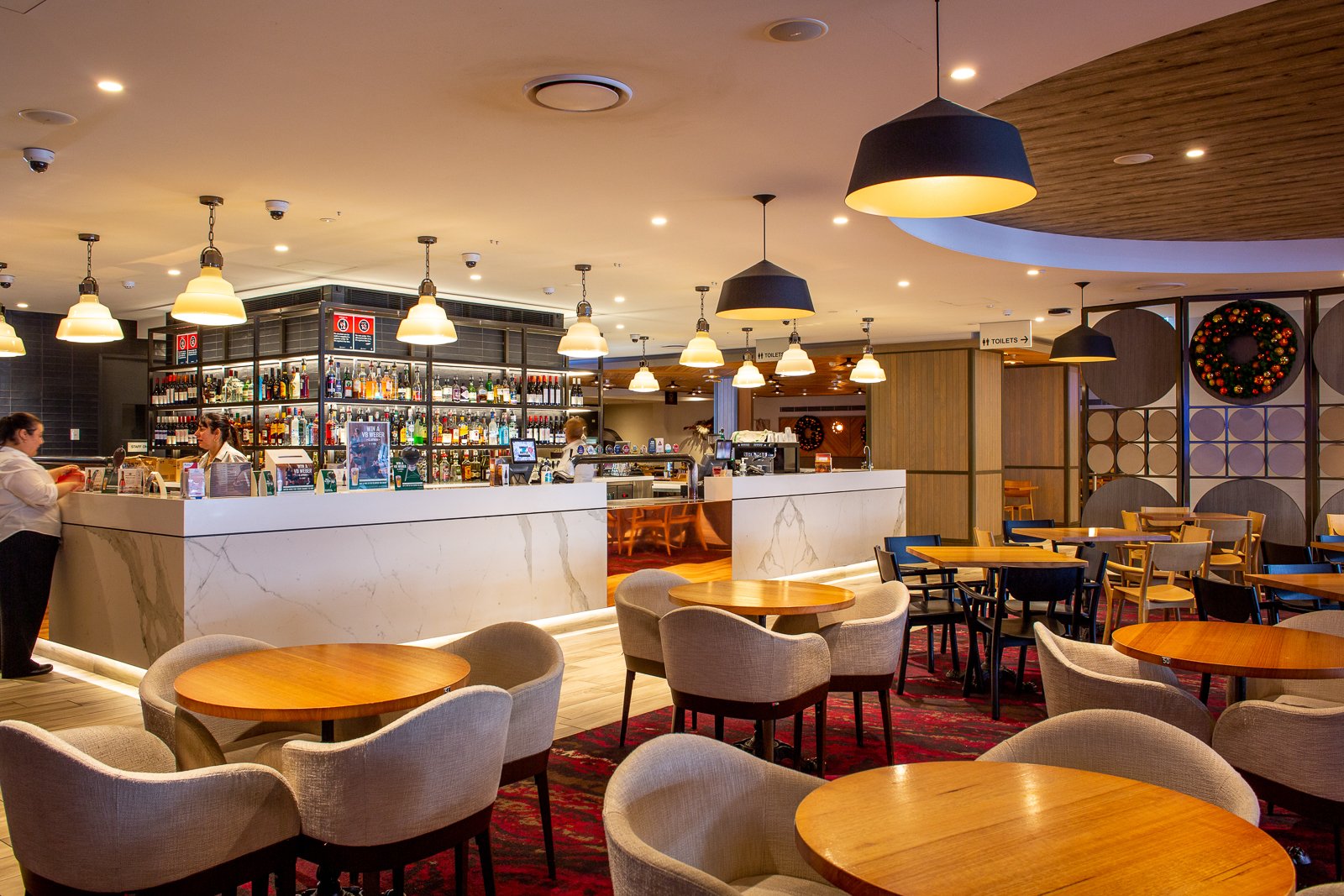
One of the most significant brand challenges for RSL Clubs is how to honor their legacy without being perceived as dated or exclusive. The visual aesthetics, service offerings, and communication styles must resonate with both older members and younger generations. This often involves strategic design updates to club interiors, modernizing menus, and incorporating contemporary entertainment options. The brand message needs to articulate the enduring values of mateship, respect, and community while demonstrating forward-thinking approaches to leisure and social engagement. For example, while the traditional “diggers’ club” atmosphere is valued by some, a modern RSL might incorporate co-working spaces or family-friendly zones, subtly broadening its brand appeal without abandoning its roots.
Diversifying Offerings: Expanding Brand Touchpoints
Successful RSL Clubs have expanded their brand touchpoints beyond traditional club services. This might include:
- Community Partnerships: Collaborating with local schools, sports clubs, and cultural organizations to position the RSL as a central community partner, not just a veterans’ club.
- Wellness Programs: Offering health and wellness initiatives that cater to broader community needs, from fitness classes to mental health support, thereby extending the brand’s care mission.
- Retail and Merchandise: Developing branded merchandise that allows members and supporters to visually identify with the RSL brand outside the club premises.
Each new offering must align with the overarching brand values and contribute to the club’s perceived utility and relevance within its community. This diversification helps to future-proof the brand by creating multiple revenue streams and engagement points.
Digital Presence and Engagement: Modernizing Brand Reach
In the digital age, a robust online presence is indispensable for any brand, including the RSL. This involves:
- Professional Websites: Providing up-to-date information on services, events, and membership, reflecting a modern, accessible brand.
- Social Media Engagement: Utilizing platforms like Facebook, Instagram, and even TikTok to reach diverse demographics, share stories, promote events, and engage with the community in real-time. This is crucial for attracting younger members who may not be familiar with the RSL’s heritage.
- Online Membership Portals and Communication: Streamlining administrative processes and fostering a sense of community through digital newsletters and member-only content.
A strong digital strategy not only expands the RSL brand’s reach but also modernizes its image, demonstrating that while it respects its past, it is firmly rooted in the present and looking towards the future.
The RSL Brand as a Social Enterprise
From a brand perspective, RSL Clubs often function as social enterprises. Their primary motivation isn’t pure profit maximization, but rather the fulfillment of a social mission, with any surplus reinvested into that mission and the community. This positions the RSL brand distinctively against purely commercial entertainment venues.
Brand Reputation and Trust: Pillars of Community Engagement
The RSL brand thrives on its reputation for integrity, community support, and its unwavering commitment to veterans. Trust is its most valuable asset. This trust is built over decades of consistent service, transparent operations, and active participation in local communities. Any misstep can significantly erode this trust, making ethical leadership and clear communication vital brand management responsibilities. The brand’s reputation for being a safe, welcoming, and family-friendly environment also differentiates it from other entertainment options. For many, an RSL Club isn’t just a place; it’s an institution they believe in and support due to its perceived positive societal impact.
Marketing and Communication Strategies for Impact
Marketing for an RSL brand requires a dual approach: celebrating its heritage while highlighting its modern value proposition. Communication strategies should focus on:
- Storytelling: Sharing compelling stories of veterans, community impact, and the club’s role in local life helps humanize the brand and foster emotional connections.
- Value Proposition: Clearly articulating the benefits of membership and patronage, from access to facilities and services to the inherent satisfaction of supporting a worthy cause.
- Targeted Campaigns: Developing specific campaigns for different demographics – for example, highlighting family-friendly events for younger families, while promoting welfare services to veterans.
Effective brand communication reinforces the RSL’s unique position as both a community hub and a guardian of national memory.
Measuring Brand Success: Beyond Financial Metrics
While financial sustainability is crucial, the success of an RSL brand cannot be measured solely by profit margins. Key brand metrics include:
- Membership Growth and Retention: Indicating the brand’s ability to attract and keep its audience.
- Community Engagement: Levels of participation in events, partnerships, and volunteer activities.
- Brand Perception Surveys: Assessing public sentiment, awareness, and association with core values.
- Social Impact Metrics: Quantifying the welfare support provided to veterans and their families.
These non-financial metrics are critical for evaluating how well the RSL brand is fulfilling its mission and maintaining its unique social enterprise identity.
Challenges and Opportunities in Brand Stewardship
The stewardship of the RSL brand is an ongoing process, fraught with both challenges and opportunities that shape its future.
Maintaining Relevance in a Changing Landscape
The demographic of veterans is changing, with fewer active service personnel and a broader diversity of experiences. This necessitates a brand strategy that adapts to the needs of contemporary veterans, including those from recent conflicts, while still honoring the legacy of past generations. Furthermore, the competitive landscape for leisure and entertainment is fierce. RSL Clubs must continuously innovate their offerings and communication to remain a preferred choice for social engagement, leisure, and community gatherings. This involves regular market research and agile brand adjustments.

Attracting New Generations: Future-Proofing the Brand Identity
The long-term viability of the RSL brand depends heavily on its ability to attract and engage younger generations. This is arguably the most significant brand challenge and opportunity. Strategies could include:
- Youth-focused Programming: Creating events and activities specifically designed for younger demographics.
- Modern Philanthropy: Tapping into younger generations’ desire for social impact and community involvement, framing RSL as a vehicle for positive change.
- Ambassador Programs: Engaging younger members or community leaders to advocate for the RSL brand.
By proactively addressing these areas, RSL Clubs can ensure that their powerful brand legacy continues to resonate, adapt, and serve communities for generations to come, affirming their place not just in history, but as a vibrant and essential part of modern Australian life.