
In the rapidly evolving landscape of PropTech (Property Technology), few platforms carry as much weight for licensed professionals as RPR, or Realtors Property Resource. Launched by the National Association of Realtors (NAR) in 2010, RPR was designed to be the ultimate data-driven umbrella for the real estate industry. It isn’t just a website; it is a sophisticated software ecosystem that aggregates billions of data points into a single, accessible interface. For the modern real estate professional, understanding RPR is essential to mastering the digital tools that define today’s market.
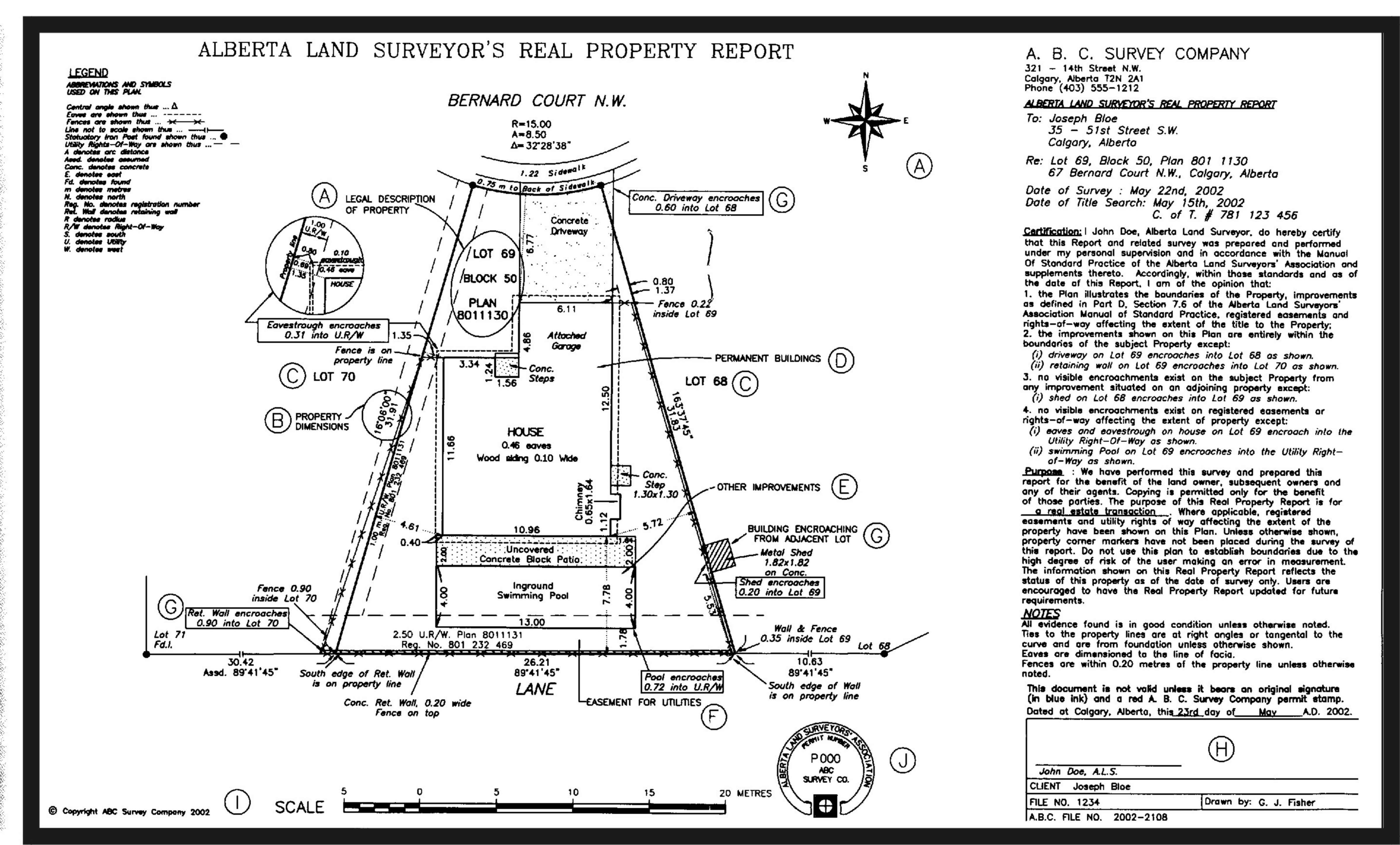
As technology continues to disrupt traditional brokerage models, RPR stands as a testament to how “Big Data” can be harnessed to provide a competitive edge. This article explores the technological architecture of RPR, its advanced software features, and how it fits into the broader tech stack of a digital-first real estate practice.
The Technological Infrastructure of RPR: A Big Data Powerhouse
At its core, RPR is a massive database management system. Unlike consumer-facing platforms like Zillow or Redfin, which prioritize user experience for the general public, RPR is built as a business intelligence tool. Its primary goal is to provide a comprehensive, 360-degree view of any property in the United States by syncing multiple disparate data streams.
Big Data Aggregation and Real-Time Syncing
The true “engine” of RPR is its ability to aggregate data from thousands of sources simultaneously. This includes data from over 900 Multiple Listing Services (MLS), public records, tax assessments, liens, flood maps, school zones, and even dynamic demographic data from the U.S. Census Bureau.
From a technical standpoint, managing this volume of data requires robust server architecture and sophisticated ETL (Extract, Transform, Load) protocols. RPR’s backend ensures that when a Realtor searches for a property, they aren’t just seeing a snapshot; they are seeing a live synthesis of the property’s history. This integration eliminates the need for professionals to toggle between five different software applications to find a single piece of information.
The All-in-One Dashboard Experience
RPR’s user interface (UI) is designed to streamline the research process. The software employs a modular design, allowing users to move between residential and commercial modes seamlessly. This technological flexibility is crucial for agents who operate in hybrid markets. By centralizing market statistics, property details, and area analytics into one dashboard, RPR minimizes “app fatigue,” a common issue in the tech-heavy real estate industry.
Advanced Software Features and the RVM Algorithm
One of the most significant technological contributions of RPR to the real estate world is the Realtor Valuation Model® (RVM). While many platforms use automated valuation models (AVMs), the RVM is a step above in terms of algorithmic complexity and data accuracy.
The RVM: A Superior Tech Valuation Tool
The RVM is a proprietary algorithm that calculates a property’s value by incorporating both public records and real-time MLS data—including active, pending, and sold listings. Most consumer AVMs rely heavily on public records, which can be months out of date. The RVM’s tech-driven approach allows it to factor in the most recent market shifts, providing a more precise estimate.
For tech-savvy agents, the RVM serves as a “sanity check” for their own Comparative Market Analysis (CMA). The software also allows for “Refined Value” adjustments. If an agent knows a homeowner recently installed a $50,000 smart-home system—something a standard algorithm wouldn’t know—they can manually input these data points into the software to update the valuation in real-time.
Geospatial Mapping and Layering
RPR leverages advanced Geographic Information System (GIS) technology to provide deep spatial insights. Users can apply various “layers” to maps, such as:
- Heat Maps: Visualizing market trends like price per square foot or concentration of distressed properties.
- Opportunity Zones: A critical feature for commercial investors looking for tax-advantaged technology hubs.
- Infrastructure Layers: Including traffic counts and proximity to transit, which are calculated via complex spatial algorithms.
These mapping tools transform raw data into visual narratives, making it easier for professionals to explain complex market conditions to their clients.
Mobile Optimization and the Digital Workflow
In the modern real estate environment, work doesn’t just happen at a desk. The RPR Mobile™ app is a prime example of how mobile-first software design can revolutionize field operations.
The RPR Mobile App: Efficiency in the Field
The RPR app is not a “lite” version of the desktop site; it is a fully integrated mobile workstation. Using GPS technology, the app can identify the property an agent is currently standing in front of and instantly pull up its entire history. This “Look Around” feature utilizes the smartphone’s hardware to provide an augmented-reality-style experience of the surrounding neighborhood’s data.
Furthermore, the app facilitates instant communication. An agent can generate a 30-page “Property Report” or a “Market Activity Report” directly from their phone and text it to a client in seconds. The backend tech handles the PDF generation and cloud storage, ensuring the agent’s phone doesn’t get bogged down by large files.
API Potential and Third-Party Integrations
Modern real estate tech stacks are all about interoperability. RPR is designed to work alongside other industry-standard software. For instance, RPR integrates with platforms like ZipForm and various Transaction Management Systems. This connectivity ensures that data flows smoothly from the research phase to the contract phase, reducing manual entry errors and increasing digital security across the transaction.
The Future of PropTech: AI and Predictive Analytics in RPR
As we look toward the future of real estate technology, RPR is increasingly leaning into Artificial Intelligence (AI) and predictive modeling to help professionals stay ahead of the curve.
Predictive Analytics and Lead Nurturing
One of the most exciting tech developments in RPR is its “Propensity to Sell” scoring. By analyzing historical data patterns—such as how long a homeowner has lived in a property, local market turnover rates, and demographic shifts—RPR’s algorithms can predict which homeowners are most likely to list their homes in the near future. This shift from reactive data (what happened) to predictive data (what will happen) represents the next frontier in real estate software.
AI-Enhanced Reporting
RPR is also exploring ways to integrate generative AI into its reporting features. Imagine a system that doesn’t just provide a list of school ratings but uses AI to write a personalized summary of the local educational landscape based on a buyer’s specific needs. By automating the narrative aspect of data reporting, RPR allows agents to focus on high-level strategy while the software handles the heavy lifting of content creation.
Security, Access, and Data Integrity
In the digital age, data is a commodity, and its security is paramount. RPR is unique because it is a closed system, available exclusively to members of the National Association of Realtors.
Maintaining a Secure Ecosystem
Because RPR is not open to the public, the data integrity remains higher than on “open” platforms. The software requires NAR credentials for access, ensuring that the sensitive information (such as private listing notes or expired listing data) remains within the professional community. This gated approach protects both the agent’s intellectual property and the consumer’s privacy.
Blockchain and the Future of Property Records
While not yet fully implemented across all jurisdictions, the technological roadmap for platforms like RPR includes the potential for blockchain integration. Using decentralized ledgers could further secure property titles and transaction histories, making the RPR database the “single source of truth” for real estate assets. For now, RPR’s rigorous verification of its 900+ MLS feeds serves as a precursor to this level of digital certainty.
Conclusion: Embracing the RPR Tech Advantage
RPR is much more than a “search site” for Realtors; it is a sophisticated data engine that represents the pinnacle of current property technology. By aggregating big data, utilizing advanced algorithms like the RVM, and offering a robust mobile experience, RPR empowers real estate professionals to act as data consultants rather than just intermediaries.
In a world where consumers have more access to information than ever before, the professional’s value lies in their ability to use advanced software to interpret that information. Mastering RPR is not just about learning a new tool; it is about embracing the digital transformation of the real estate industry. As RPR continues to integrate AI and predictive analytics, it will remain at the forefront of the PropTech revolution, providing the digital infrastructure that drives the modern housing market.
aViewFromTheCave is a participant in the Amazon Services LLC Associates Program, an affiliate advertising program designed to provide a means for sites to earn advertising fees by advertising and linking to Amazon.com. Amazon, the Amazon logo, AmazonSupply, and the AmazonSupply logo are trademarks of Amazon.com, Inc. or its affiliates. As an Amazon Associate we earn affiliate commissions from qualifying purchases.