
The vibrant hues and elegant form of the tulip have captivated hearts and minds for centuries, transcending mere botanical beauty to become a rich tapestry of symbolic meaning. Beyond their aesthetic appeal, tulips carry a profound cultural weight, a language of flowers that has been interpreted and reinterpreted across diverse societies and historical periods. For businesses and brands, understanding this nuanced lexicon is not merely an academic exercise but a potent tool in the arsenal of strategic communication. In an increasingly crowded marketplace, where attention spans are fleeting and consumer perception is paramount, the ability to imbue a brand with resonant symbolism can be the differentiator that sparks recognition, fosters loyalty, and ultimately drives success. This article delves into the multifaceted significance of tulips and explores how these floral connotations can be strategically harnessed to shape brand identity, enhance marketing efforts, and cultivate deeper connections with target audiences.

The Historical Tapestry of Tulip Symbolism
The journey of the tulip from its Central Asian origins to its status as a global icon is interwoven with stories of opulence, passion, and even speculative frenzy. This rich history has endowed the flower with a complex and sometimes contradictory set of meanings, providing fertile ground for diverse brand interpretations.
From Humble Beginnings to Ottoman Grandeur
Originally native to a vast region spanning from Southern Europe to Central Asia, the tulip was first cultivated and admired in the Ottoman Empire. Here, it was not just a flower but a symbol of earthly paradise, divine love, and perfect beauty. Sultan Suleiman the Magnificent, in particular, was a great patron of the tulip, associating it with his reign and incorporating it into his palaces and gardens. This association with royalty and imperial power lent the tulip an air of nobility and exclusivity, a perception that would echo through its later history. The tulip’s presence in Ottoman art, literature, and courtly life solidified its status as a symbol of refined taste and sophisticated elegance. The Ottoman court’s deep appreciation for the flower laid the groundwork for its eventual global popularity, highlighting its early connection to prestige and elevated status.
The Dutch Golden Age and Tulip Mania: A Cautionary Tale and a Symbol of Fortune
The tulip’s arrival in Europe in the 16th century, primarily through the Netherlands, marked a pivotal moment in its symbolic journey. Initially a luxury item prized by the aristocracy, the flower’s popularity exploded, leading to the infamous “Tulip Mania” of the 17th century. This speculative bubble, where bulb prices reached astronomical levels before crashing spectacularly, transformed the tulip into a symbol of both immense wealth and the perils of avarice. Yet, even in its association with financial excess, the tulip retained its allure. It became synonymous with the burgeoning Dutch Republic’s economic power and global trade, representing prosperity and ambitious enterprise. This duality – of fortune and potential ruin – offers brands a complex narrative to explore, hinting at both ambition and the inherent risks in bold ventures. The inherent beauty of the tulip, even amidst the economic madness, ensured its enduring appeal, a testament to its ability to capture the imagination beyond material value.
Renaissance Love and Enduring Passion
Across various cultures and eras, the tulip has also been imbued with meanings of love and passion. Its cup-like shape has been interpreted as a chalice, a vessel holding profound emotions. In some traditions, it signifies deep, true love, a commitment that is both beautiful and enduring. This romantic symbolism makes the tulip a powerful emblem for brands operating in sectors that celebrate relationships, personal expression, and heartfelt experiences, such as luxury goods, hospitality, or even artisanal crafts. The sheer variety of tulip colors further enriches this symbolism, with each shade carrying its own specific emotional resonance, allowing for even more nuanced brand messaging.
The Spectrum of Color: Nuances in Tulip Symbolism for Brand Expression
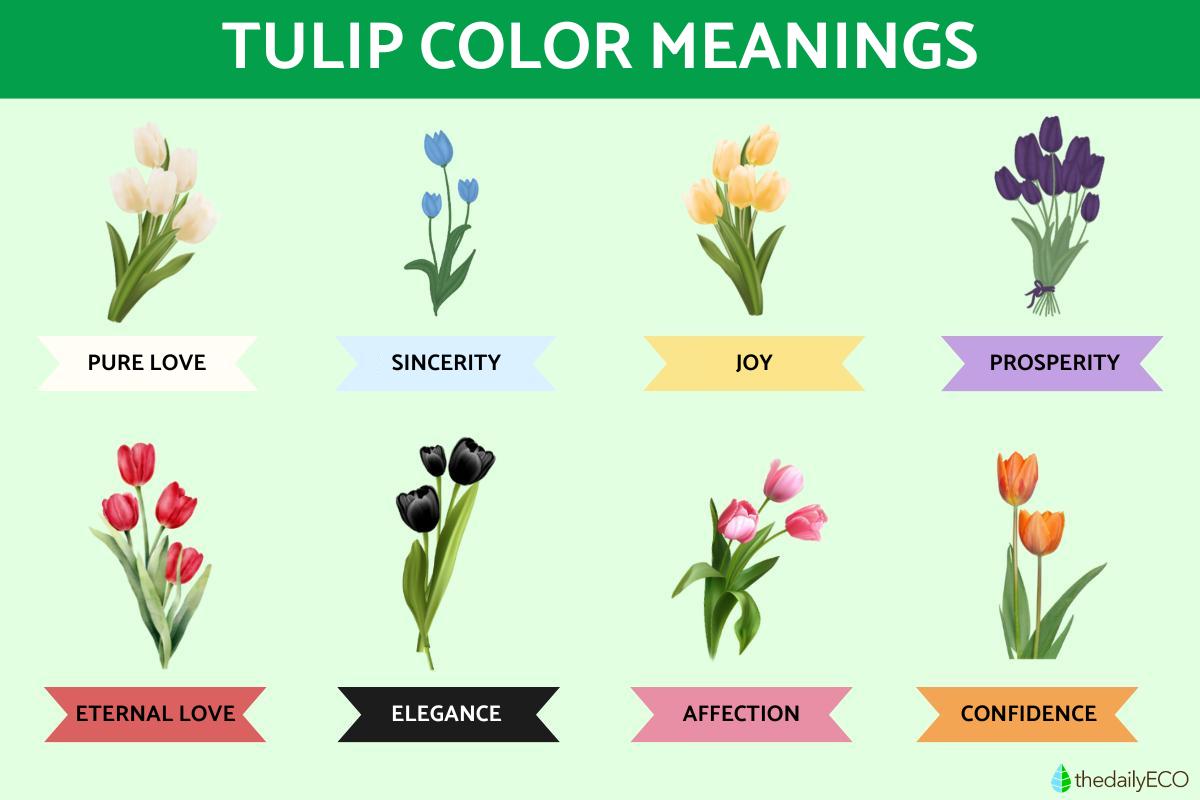
The impact of a brand is often amplified by its ability to evoke specific emotions and associations. The diverse color palette of tulips offers a sophisticated means of communicating these desired attributes, allowing brands to fine-tune their symbolic messaging and connect with audiences on a deeper, more resonant level.
Red Tulips: Boldness, Love, and Unwavering Devotion
Red, the most passionate of colors, imbues the red tulip with meanings of intense love, desire, and ardent devotion. Historically, it has been associated with declarations of love and the depths of romantic feeling. For brands, a red tulip can signify a bold and unwavering commitment to their customers, a passionate pursuit of excellence, or a deep-seated dedication to their core values. Brands aiming to convey a sense of urgency, excitement, or powerful emotional connection might find the red tulip a compelling visual metaphor. It speaks of impactful beginnings and fervent dedication, making it suitable for brands that champion strong opinions or offer life-changing products and services.
Yellow Tulips: Sunshine, Happiness, and Cheerful Optimism

Yellow tulips are beacons of sunshine, embodying happiness, joy, and cheerful optimism. They represent new beginnings, bright futures, and lightheartedness. In branding, a yellow tulip can communicate a sense of positivity, approachability, and a focus on well-being. Companies aiming to foster a sense of community, offer uplifting experiences, or promote a light and airy aesthetic might find the yellow tulip a perfect fit. It can also symbolize a company’s innovative spirit, its ability to bring fresh perspectives and radiant ideas to the market, suggesting a forward-thinking and optimistic outlook.
Pink Tulips: Affection, Care, and Gentle Warmth
Pink tulips carry connotations of gentle affection, nurturing care, and tender love. They speak of warmth, understanding, and the softer, more compassionate aspects of relationships. Brands focused on family, well-being, or those that aim to provide comfort and support might find the pink tulip a powerful symbol. It conveys a sense of trust, kindness, and heartfelt appreciation, making it ideal for brands that prioritize customer care and build relationships on empathy and personal connection. This symbolism also extends to celebrating milestones and expressing gratitude in a gentle and heartfelt manner.
Purple Tulips: Royalty, Nobility, and Spiritual Connection
Purple, a color often associated with royalty and nobility, lends purple tulips an air of luxury, sophistication, and spiritual depth. They can signify a sense of pride, accomplishment, and a connection to higher aspirations. For brands, purple tulips can communicate exclusivity, refinement, and a focus on visionary thinking or transformative experiences. They are suited for luxury brands, organizations with a strong ethical or spiritual foundation, or those that aim to inspire a sense of awe and wonder. The regal nature of the purple tulip suggests a premium offering and a commitment to exceptional quality and grand vision.
White Tulips: Purity, Forgiveness, and New Beginnings
White tulips represent purity, innocence, forgiveness, and the promise of new beginnings. They are often associated with new chapters, fresh starts, and a clean slate. Brands that champion transparency, offer redemption, or focus on renewal and self-improvement could find the white tulip a fitting emblem. It conveys a sense of honesty, clarity, and the potential for positive transformation. This symbolism is particularly potent for brands aiming to promote personal growth, environmental sustainability, or ethical practices, signifying a commitment to clean and honest operations.
Strategic Integration: Branding with Botanical Resonance
The symbolic meanings of tulips are not merely decorative elements; they are powerful communication tools that can be strategically woven into the fabric of a brand’s identity and marketing efforts to create a lasting impression and foster deeper customer engagement.
Cultivating Brand Identity and Visual Language
The choice of tulip imagery, and specifically the colors used, can significantly influence the perception of a brand. A luxury fashion house might opt for deep red or regal purple tulips in its visual collateral to evoke sophistication and exclusivity. Conversely, a wellness app focused on mental health might use soft pink or serene white tulips to communicate a sense of calm, care, and fresh starts. The consistent application of this chosen symbolism across all brand touchpoints – from logos and website design to packaging and advertising – reinforces the brand’s core message and creates a cohesive and memorable identity. This visual language, rooted in the universally understood meanings of tulips, allows for an immediate emotional connection with the audience, transcending linguistic barriers.
Enhancing Marketing Campaigns and Storytelling
Tulips offer rich narrative potential for marketing campaigns. A spring collection from a retail brand could be launched with a campaign celebrating the “rebirth” symbolized by tulips, highlighting new products and fresh styles. A financial institution might use yellow tulips to convey optimism about future investments and economic growth. Even a tech company could leverage the tulip’s historical association with innovation during Dutch Tulip Mania to frame its own groundbreaking advancements. By incorporating tulip motifs into advertisements, social media content, and promotional events, brands can tap into the flower’s inherent positive associations, making their messages more engaging, memorable, and emotionally resonant. The storytelling potential is immense, allowing for campaigns that are both visually appealing and conceptually rich.
Fostering Customer Loyalty and Emotional Connection
Ultimately, the strategic use of symbolism is about building genuine connections with consumers. When a brand’s chosen symbolism, like that of the tulip, aligns with a customer’s personal values or aspirations, it creates a powerful sense of affinity. A brand that uses pink tulips to emphasize its commitment to community support, for instance, can attract customers who value empathy and social responsibility. Similarly, a brand that consistently employs vibrant yellow tulips to represent joy and positivity can build a loyal following of individuals who seek happiness and optimism in their lives. This deeper emotional resonance fosters not just transactional relationships but enduring loyalty, transforming customers into brand advocates who feel a genuine connection to the meanings the brand embodies. The consistent communication of these values through recognizable symbols like tulips solidifies this bond.
aViewFromTheCave is a participant in the Amazon Services LLC Associates Program, an affiliate advertising program designed to provide a means for sites to earn advertising fees by advertising and linking to Amazon.com. Amazon, the Amazon logo, AmazonSupply, and the AmazonSupply logo are trademarks of Amazon.com, Inc. or its affiliates. As an Amazon Associate we earn affiliate commissions from qualifying purchases.