
The musical concept of ritornello form serves as one of the most significant structural innovations in the history of Western classical music. Emerging prominently during the Baroque era, this compositional technique provided the architectural blueprint for the concerto, allowing composers to balance individual virtuosity with the collective power of the ensemble. By understanding the mechanics of the ritornello, one gains a deeper appreciation for the logic that governs Baroque masterworks, from the fiery concertos of Antonio Vivaldi to the complex textures of J.S. Bach. At its core, the ritornello is a strategy of repetition and contrast, a “little return” that anchors the listener amidst the shifting landscapes of musical development.
The Architecture of the Ritornello
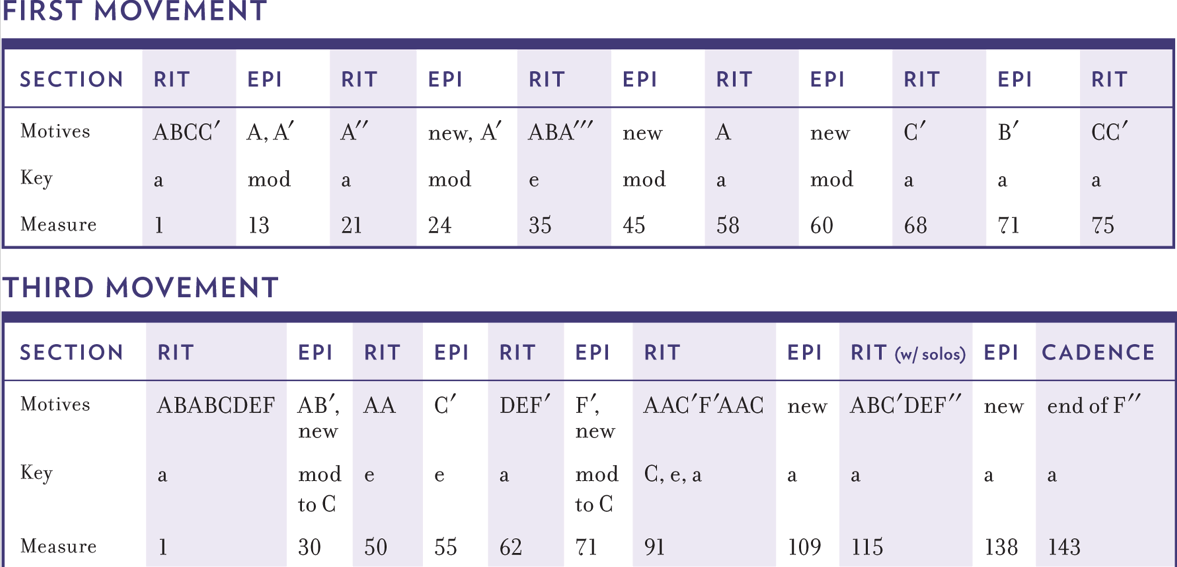
To define ritornello form, one must first understand its literal translation from Italian: “a little return.” This structural device relies on the alternation between two primary musical forces: the tutti (the full orchestra or ensemble) and the soloist (or a smaller group of soloists known as the concertino). The form is cyclical, relying on the periodic reappearance of a recognizable theme to provide a sense of stability and formal closure.
The Role of the Tutti
The tutti section is the backbone of the ritornello. It typically presents the primary thematic material—a bold, rhythmically driven melody that defines the character of the movement. Because the tutti represents the collective, its role is to establish the home key and provide a rhythmic anchor. When this theme returns at the end of a section, it signals to the audience that the musical argument has reached a point of resolution. In the Baroque period, this return was rarely an exact copy; rather, it was often varied or shortened to reflect the harmonic journey taken during the preceding solo passage.
The Interplay with Soloistic Virtuosity
While the tutti provides the structure, the solo passages provide the drama. After the initial ritornello, the soloist enters, often modulating to a related key or exploring new melodic variants. These episodes are inherently fluid, designed to showcase the technical agility of the performer. The brilliance of the form lies in this constant tension: the tutti strives for structural unity, while the soloist strives for individual expression. By oscillating between these two poles, composers created a narrative arc that kept listeners engaged, balancing predictability with surprise.
Harmonic Evolution and Tonal Narrative
Ritornello form is not merely a melodic repetition; it is fundamentally a harmonic exercise. During the 18th century, music moved away from modal structures toward a more rigid tonal system characterized by specific key relationships. The ritornello form was the perfect vehicle to showcase this new harmonic language, allowing the composer to map out a clear path from the home key to distant tonal centers and back again.
Establishing the Home Key
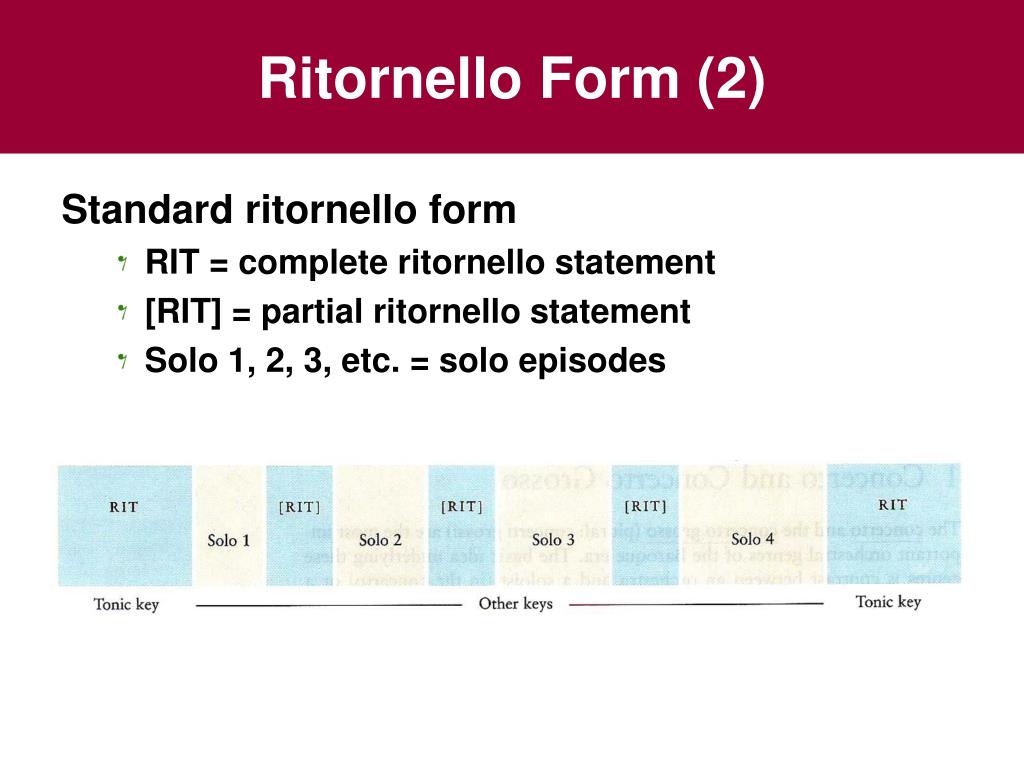
Every ritornello structure begins by grounding the listener in the tonic key. This opening statement—the first ritornello—must be memorable and rhythmically distinct. It serves as the “reference point” for the entire movement. Without this initial grounding, the subsequent explorations into foreign keys would lack the necessary context to feel like a departure. When the music modulates away, the ear subconsciously yearns for the return of this tonic stability, creating a psychological anticipation that the composer satisfies at pivotal moments in the movement.
Modulation and Development
The genius of the Baroque ritornello lies in how it handles modulation. As the soloist explores new musical territory, the music ventures into different keys—often the dominant, the relative minor, or other closely related tonalities. The tutti sections that interrupt these solo passages serve as tonal waypoints. For instance, a return of the ritornello theme in the dominant key confirms that the soloist has arrived at a new destination. This iterative process allows a piece of music to expand, turning a simple theme into a complex, multi-layered journey that feels much longer and more substantial than a simple song structure.
Evolution from Baroque to Classical and Beyond
While the ritornello form reached its zenith with Vivaldi, its influence stretched far beyond the Baroque era. The structural principles established by the ritornello—specifically the idea of alternating between a recurring theme and contrasting episodes—laid the groundwork for what would eventually evolve into the Rondo form of the Classical period.
The Vivaldian Standard
Antonio Vivaldi is often cited as the architect of the standard ritornello concerto. His ability to create themes that were both intellectually satisfying and physically kinetic allowed him to write hundreds of concertos that maintained a high level of formal integrity. In Vivaldi’s hands, the ritornello was a high-energy mechanism; he frequently used short, punchy motives that could be easily fragmented or reassembled. This flexibility allowed for the dramatic contrast required in works like The Four Seasons, where the tutti represents the fury of nature and the solo represents the human perspective within it.
The Legacy of the Recurring Theme
As music progressed into the works of Mozart and Beethoven, the strict ritornello form began to dissolve in favor of Sonata form, which prioritized the development of themes over their mere repetition. However, the DNA of the ritornello remained. Even in the concertos of the 19th and 20th centuries, composers continued to use the orchestral opening to establish the themes, and the interaction between the soloist and the ensemble continued to act as a dialogue. The modern Rondo—characterized by an ‘A-B-A-C-A’ structure—is essentially a streamlined, more rhythmic descendant of the Baroque ritornello.
Why Ritornello Form Matters Today
For the modern listener, musician, or producer, understanding ritornello form offers a lesson in effective communication and structural pacing. Whether one is composing a film score, arranging a pop track, or analyzing the history of Western art music, the principles of the ritornello remain highly relevant.
The Art of the “Hook”
In contemporary music production, we refer to the “hook” or the “chorus” as the central element that the listener anticipates. The ritornello is, in many ways, the ancestor of the modern chorus. It teaches the importance of a recurring identity. In a world of endless sonic variety, the human brain seeks patterns. By presenting a strong initial statement and returning to it after sections of developmental intensity, composers ensure that their music remains coherent and memorable.
Structural Literacy
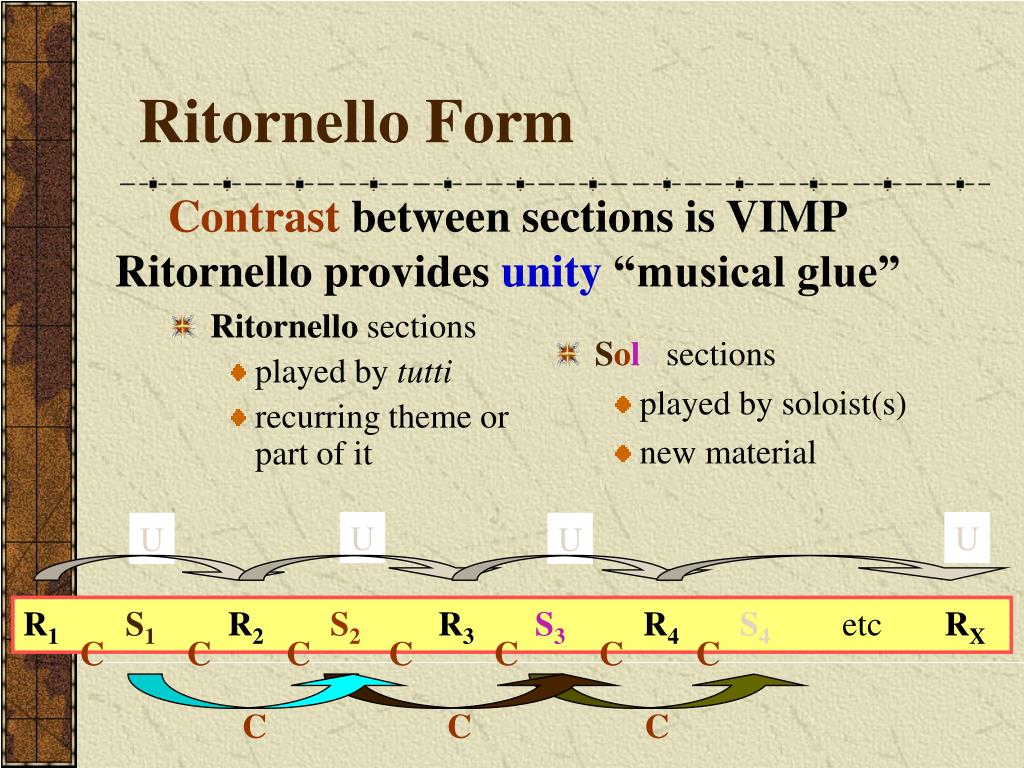
Developing a literacy in musical forms like the ritornello allows for a deeper appreciation of the creative process. It reveals that great music is not just a collection of beautiful melodies, but a carefully managed negotiation of time, space, and tonal expectation. When we hear a Bach violin concerto today, we are hearing a sophisticated computer-like logic applied to human emotion. The tutti sections function as the “code” that governs the performance, while the solo episodes represent the “user interaction.” This duality is exactly what makes the music feel alive even centuries after its composition.
The ritornello form remains one of the most effective ways to organize musical thought. By bridging the gap between the collective power of the group and the singular voice of the soloist, it achieves a perfect balance of harmony and discord, stability and adventure. It reminds us that repetition is not a sign of creative limitation, but rather a powerful tool for clarity and emotional impact. As we continue to navigate the vast landscape of music history, the “little return” continues to stand as a monumental pillar of compositional excellence.
aViewFromTheCave is a participant in the Amazon Services LLC Associates Program, an affiliate advertising program designed to provide a means for sites to earn advertising fees by advertising and linking to Amazon.com. Amazon, the Amazon logo, AmazonSupply, and the AmazonSupply logo are trademarks of Amazon.com, Inc. or its affiliates. As an Amazon Associate we earn affiliate commissions from qualifying purchases.