
In the dynamic world of collectible card games, understanding the nuanced characteristics of individual cards is paramount for collectors, investors, and enthusiasts alike. Among the myriad of print variations and rarities, the “reverse holo” Pokémon card stands out as a distinct category with specific implications for market value, investment strategy, and portfolio diversification. Far more than a mere aesthetic choice, the presence of a reverse holo pattern often dictates a card’s liquidity, desirability, and long-term financial trajectory within the secondary market.
The Financial Anatomy of a Reverse Holo Card
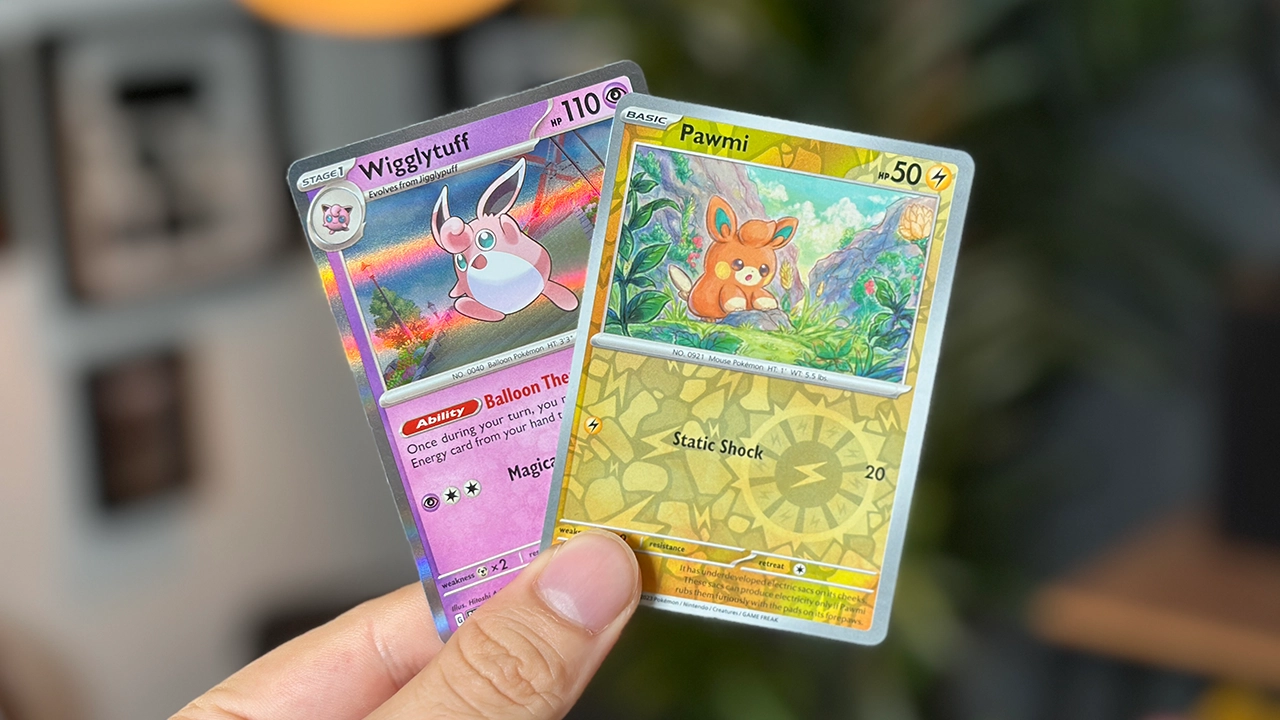
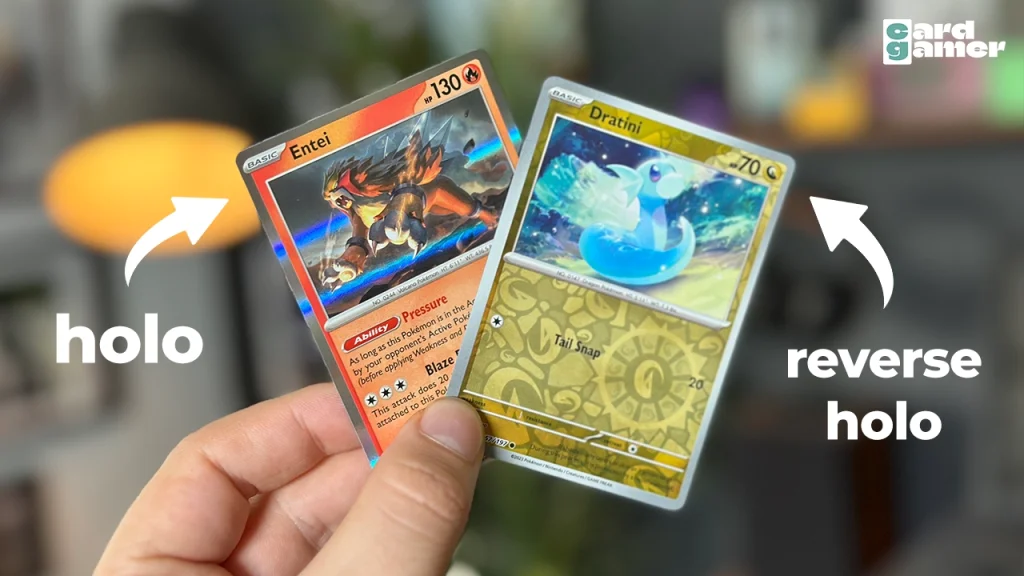
A reverse holo Pokémon card is distinguished by its unique holographic pattern application. Unlike a standard holographic card where the illustration of the Pokémon itself is shiny, a reverse holo card features a holographic sheen on the entire card background surrounding the Pokémon’s artwork, while the Pokémon image itself remains non-holographic. This visual reversal makes them easily identifiable and has a significant impact on their perceived value and rarity among collectors.
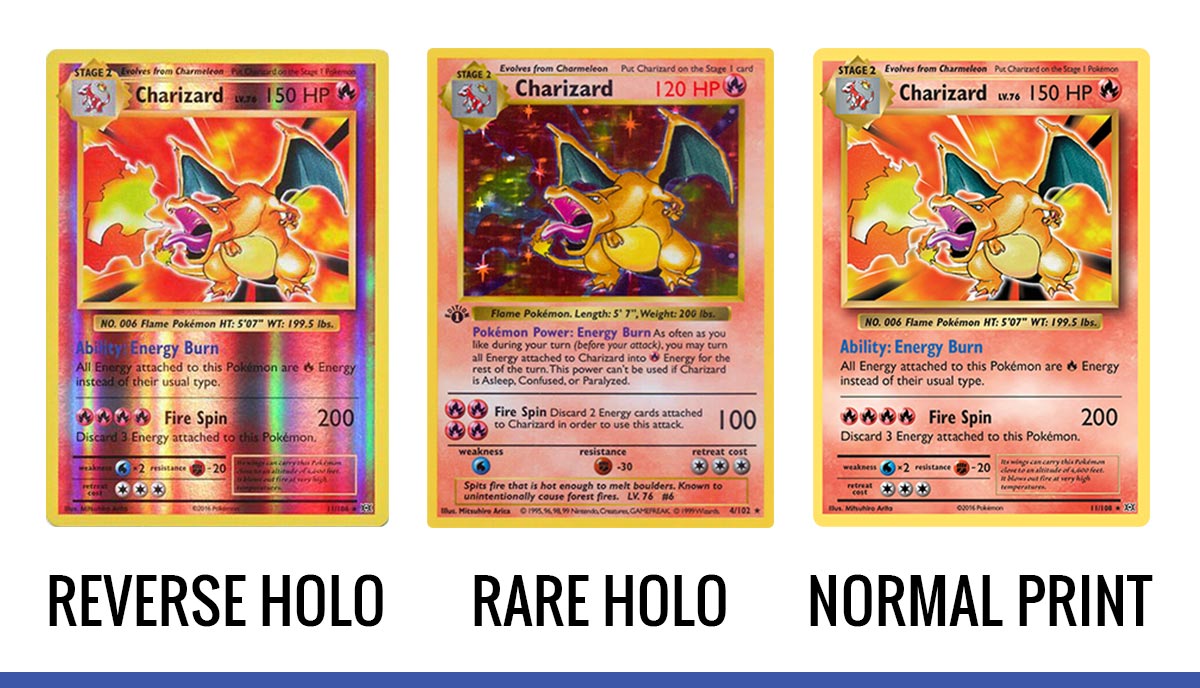
The manufacturing process for reverse holos contributes to their distinct market position. They are typically found in the “common,” “uncommon,” and “rare” slots of a booster pack, making them a common pull in terms of slot rarity, but their specific holographic treatment sets them apart from their non-holo counterparts. Historically, some sets have featured distinct reverse holo patterns, adding another layer of complexity and potential value differentiation. For investors, recognizing these pattern variations and their associated demand is crucial for accurate valuation. For example, certain early sets featured unique cosmos or shattered ice reverse holo patterns that are highly sought after today, reflecting a premium in the market due to their vintage appeal and unique aesthetic.
Visual Distinction and its Market Impact
The visual appeal of a reverse holo is undeniable. The shimmering background can highlight the card’s design in a way standard cards cannot, often enhancing the overall artistic presentation. From a financial perspective, this aesthetic enhancement translates directly into demand. Collectors often prefer holographic versions of cards, and the reverse holo offers a unique twist on this preference. For popular Pokémon or cards with desirable artwork, a reverse holo version will almost invariably command a higher price than its non-holo equivalent, assuming all other factors like condition are equal. This premium is not just due to rarity—as reverse holos are not inherently “rarer” than some other card types like ultra rares or secret rares in terms of pull rate per set—but rather due to their distinct visual identity and the collector preference for shiny cards. Understanding this preference is key for anyone looking to invest in or divest from Pokémon cards. The consistent visual allure ensures a baseline demand that underpins their market stability and growth potential.
Market Dynamics and Value Drivers
The value of a reverse holo Pokémon card is influenced by a complex interplay of factors, many of which are common to the broader collectible market, but some are specific to the Pokémon TCG and its community. Identifying these drivers is essential for making informed financial decisions, whether one is buying, selling, or simply assessing the current worth of a collection.
Rarity vs. Scarcity in Reverse Holos
While a reverse holo card isn’t necessarily a “rare” card type in the same vein as a Secret Rare or Ultra Rare, its specific treatment does introduce elements of both rarity and scarcity. Every booster pack typically contains one reverse holo. This consistent pull rate means that an individual reverse holo card for a common Pokémon is not inherently scarce. However, the specific reverse holo version of a highly sought-after card – perhaps a powerful competitive card or a fan-favorite Pokémon – introduces a form of conditional scarcity. When considering older sets, where sealed product is no longer readily available, any specific reverse holo from that era becomes scarcer simply due to the finite supply of un-opened packs. This distinction is critical: a reverse holo of a common card might never appreciate significantly, but a reverse holo of an iconic Pokémon or a key tournament-winning card from a vintage set can see substantial value growth due to its combined desirability and genuine scarcity over time. Investors must differentiate between the common occurrence of a reverse holo versus the genuine scarcity of a specific, desirable reverse holo from a harder-to-find set.
Condition and Grading’s Impact
For any collectible asset, condition is paramount, and reverse holo Pokémon cards are no exception. Due to their extensive holographic surface, reverse holos are particularly susceptible to wear and tear, such as scratches, scuffs, and print lines, which can significantly diminish their visual appeal and, consequently, their market value. A reverse holo card in mint (PSA 9) or gem-mint (PSA 10) condition can command multiples of the price of a near-mint (PSA 7-8) or lightly played version. Professional grading by reputable services like PSA (Professional Sports Authenticator) or BGS (Beckett Grading Services) provides an objective assessment of a card’s condition, which in turn offers liquidity and confidence to buyers. For an investor, understanding grading standards and accurately assessing a card’s condition before purchase or submission is a non-negotiable skill. A pristine reverse holo is a premium asset, while a damaged one, regardless of its character or set, may struggle to find a buyer at a desirable price point. The financial returns on a graded gem-mint reverse holo can be substantial, often surpassing the cost of the card itself plus grading fees, especially for highly desirable cards.
Set Popularity and Character Appeal
Beyond condition and intrinsic rarity, the broader market appeal of the set and the specific Pokémon featured heavily influences a reverse holo’s value. Cards from highly popular sets (e.g., Base Set, E-series sets, or recent sets tied to popular video game releases) generally perform better than those from less beloved or niche expansions. Similarly, reverse holos featuring iconic Pokémon like Charizard, Pikachu, or other fan favorites consistently outperform cards of lesser-known Pokémon, even if they share the same rarity slot and condition. This is a fundamental principle of the collectibles market: demand drives value. A reverse holo of a highly sought-after character taps into a broader base of collectors and investors, creating a more robust market with higher price ceilings. For those looking to invest, identifying reverse holos from popular sets featuring popular Pokémon is a strategy to mitigate risk and maximize potential returns, leveraging the emotional and nostalgic value that often underpins the card market.
Reverse Holos as an Investment: Opportunities and Risks
Approaching reverse holo Pokémon cards as an investment requires a balanced understanding of their potential for appreciation and the inherent risks associated with any speculative asset. Strategic acquisition and diligent portfolio management are key to navigating this niche market.
Identifying High-Potential Reverse Holos
For the discerning investor, identifying reverse holos with strong appreciation potential involves a multi-faceted analysis. Beyond the obvious factors of character popularity and set relevance, consider cards with low population reports at high grades. If only a handful of PSA 10 reverse holos exist for a particular desirable card, its scarcity in top condition will drive significant premiums. Furthermore, pay attention to cards that have strong playability in the competitive TCG circuit. While competitive viability fluctuates, cards that are powerful in-game often see increased demand from players and collectors alike, creating a dual market that can bolster prices. Finally, historical data and market trends should be scrutinized. Are specific reverse holo patterns from older sets showing consistent growth? Are certain artists’ works gaining traction? These subtle indicators can point towards undervalued assets or emerging trends that savvy investors can capitalize on.
Market Fluctuations and Volatility
The Pokémon card market, like any collectible market, is subject to fluctuations and can be volatile. Hype cycles driven by anniversaries, new game releases, or social media trends can cause rapid price surges, followed by corrections. Reverse holos are not immune to this. While popular reverse holos often hold their value well, less desirable ones can see significant depreciation during market downturns. External economic factors, such as recessions or shifts in discretionary spending, can also impact the market. Investors must be prepared for this volatility, understanding that short-term gains are not guaranteed and that a long-term perspective is often more prudent. Diversifying one’s Pokémon card portfolio, perhaps by investing in different rarities, sets, and card types, including a selection of high-potential reverse holos, can help mitigate overall risk.
Authentication and Counterfeiting Concerns
As the value of Pokémon cards, including certain reverse holos, has climbed, so too has the prevalence of counterfeit cards. Protecting one’s investment begins with ensuring authenticity. Always purchase cards from reputable dealers, established online marketplaces with strong buyer protection, or direct from trusted sellers. Familiarize yourself with the visual cues of genuine Pokémon cards, including print quality, card stock, and holographic patterns. For higher-value reverse holos, professional grading services offer an invaluable layer of authentication, as graders are trained to detect fakes. Investing in authenticated or graded cards, while potentially incurring higher initial costs, significantly reduces the risk of acquiring worthless counterfeits and provides peace of mind, thus safeguarding your financial outlay.
Strategies for Buying, Selling, and Collecting
Engaging with the reverse holo market, whether as a buyer, seller, or long-term collector, requires strategic planning and adherence to best practices to maximize returns and satisfaction.
Acquiring Reverse Holos: Best Practices
When acquiring reverse holos, diligence is key. For individual cards, prioritize condition above all else; a lower-grade reverse holo, no matter how rare the Pokémon, offers limited investment potential. Seek out clear, high-resolution photos if buying online, scrutinize for damage, and don’t hesitate to ask for additional angles or videos. For sealed product, research pull rates and set values to ensure the potential contents justify the cost. Consider purchasing graded reverse holos directly from reputable grading companies’ marketplaces or verified sellers to ensure authenticity and a professionally assessed condition. Attending local card shows or conventions can also provide opportunities to inspect cards in person and negotiate prices, fostering community engagement alongside financial transactions.
Maximizing Resale Value: Tips for Sellers
To maximize resale value for your reverse holos, presentation and transparency are paramount. Ensure cards are stored meticulously in protective sleeves and top loaders to prevent damage. For higher-value cards, professional grading is often a worthwhile investment, as it instills buyer confidence and often leads to higher sale prices. When listing cards online, provide numerous high-quality images under good lighting, showcasing both the front and back of the card, highlighting the reverse holo pattern clearly. Be transparent about any imperfections, no matter how minor. Research recent “sold” listings for comparable cards to set a competitive yet profitable price. Effective marketing, including detailed descriptions and appropriate keywords, will also attract more potential buyers, translating into better financial outcomes.
Integrating Reverse Holos into a Financial Portfolio
For serious collectors who view their Pokémon cards as an asset, integrating reverse holos into a broader financial portfolio requires strategic thought. While not traditional financial instruments, highly desirable and well-preserved reverse holos can serve as a form of alternative investment, offering diversification outside of stocks, bonds, or real estate. They can hold intrinsic value and, in some cases, appreciate significantly, acting as a hedge against inflation or market downturns in other sectors. However, it’s crucial to view this as a long-term play, understanding the illiquid nature of physical collectibles and the specialized knowledge required for proper valuation. Treat your collection like any other investment: monitor its value, protect its assets, and consider consulting with a financial advisor who understands alternative assets if integrating significant value into your overall wealth management strategy. Reverse holos, when chosen wisely, can be more than just a nostalgic hobby; they can be a tangible and appreciating asset within a diverse investment landscape.
aViewFromTheCave is a participant in the Amazon Services LLC Associates Program, an affiliate advertising program designed to provide a means for sites to earn advertising fees by advertising and linking to Amazon.com. Amazon, the Amazon logo, AmazonSupply, and the AmazonSupply logo are trademarks of Amazon.com, Inc. or its affiliates. As an Amazon Associate we earn affiliate commissions from qualifying purchases.