
The Strategic Use of Credit Cards for Bill Payments
Using a credit card to pay bills is more than just a transactional convenience; it’s a financial strategy that, when executed thoughtfully, can offer significant benefits to your personal finance landscape. While often associated with the risk of accumulating debt, responsible credit card use for bill payments can enhance cash flow management, optimize reward earning, and even contribute positively to your credit profile. The key lies in understanding the mechanics, the inherent advantages, and the potential pitfalls before integrating this method into your financial routine.
Understanding the “Why”
The primary motivations for paying bills with a credit card typically revolve around financial optimization. For many, it’s about leveraging the grace period – the time between making a purchase and the due date of your credit card statement – to maintain liquidity in their checking account for longer. This extended cash flow can be crucial for managing unexpected expenses or simply ensuring sufficient funds for other critical financial obligations. Beyond liquidity, the allure of credit card rewards programs is a powerful incentive. Earning cash back, travel miles, or points on routine expenditures transforms necessary payments into opportunities for tangible benefits, effectively reducing the net cost of living. Furthermore, consistent and timely payments on a credit card can positively impact your credit score, demonstrating responsible credit utilization and payment history, which are fundamental components of a strong credit profile.
Identifying Suitable Bills
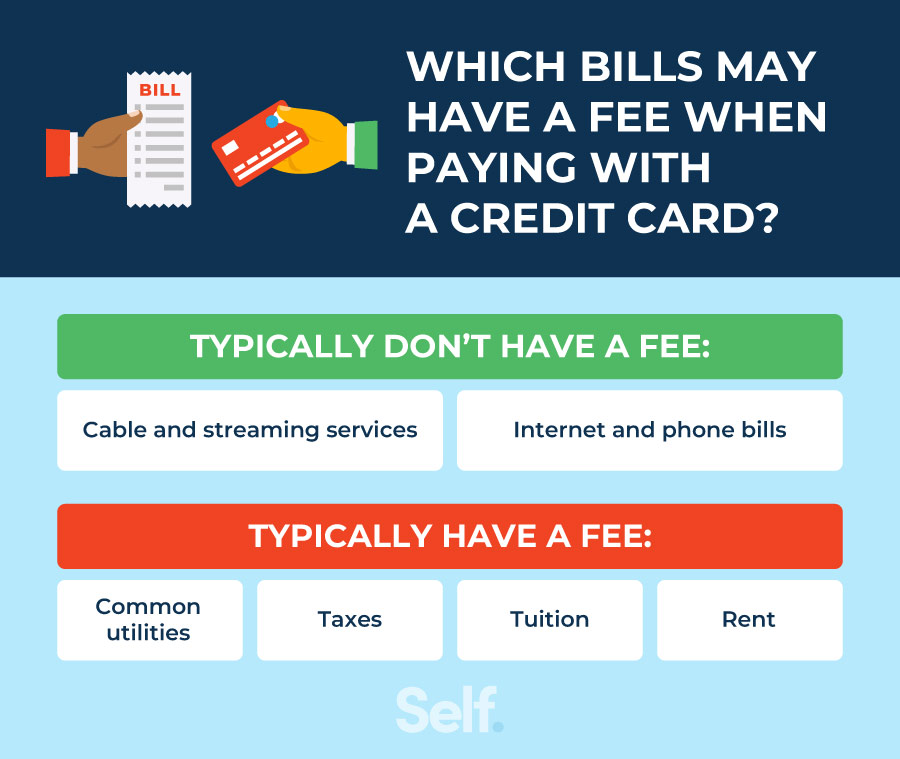
Not all bills are created equal when it comes to credit card payments. Bills typically paid via credit card without additional fees include utility bills (electricity, gas, water), internet and cable services, phone bills, insurance premiums, and streaming subscriptions. Many online retailers and subscription services also readily accept credit cards. However, some categories, such as rent, mortgages, student loan payments, or tax payments, may incur a convenience fee or surcharge when paid with a credit card. These fees, which can range from 1% to 3% or more of the transaction amount, can quickly negate any rewards earned and should be carefully evaluated. The strategic selection of bills is paramount; prioritize those that offer direct payment without extra charges, or where the rewards earned substantially outweigh any associated fees.
Step-by-Step Guide to Paying Bills with a Credit Card
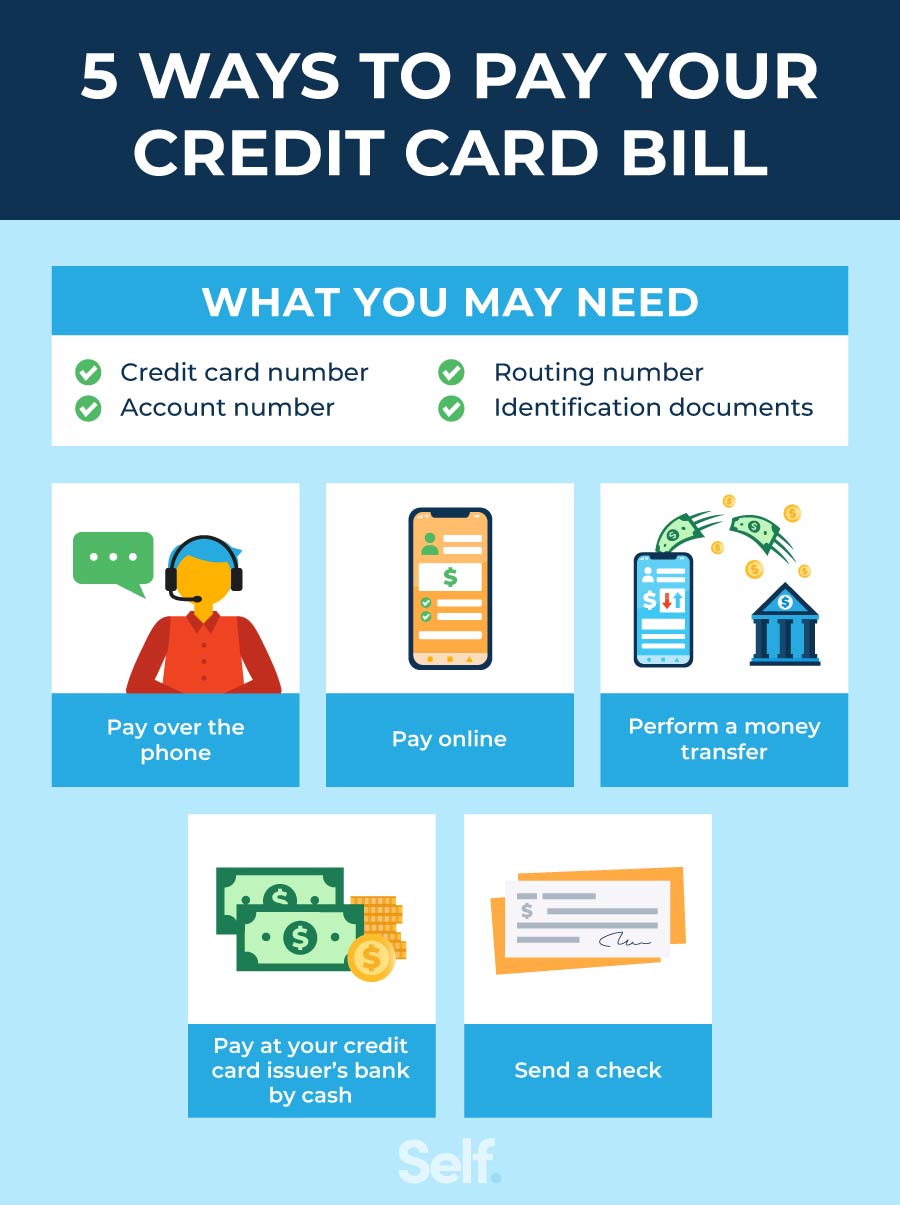
Paying bills with a credit card is generally straightforward, but the exact process can vary depending on the biller and your banking preferences. Understanding the common methods ensures you can confidently and securely manage your payments. Each approach has its own nuances, offering varying degrees of control and convenience.
Direct Payment via Biller’s Website
This is arguably the most common and often the simplest method. Most service providers, from utility companies to internet providers, offer an online portal where customers can manage their accounts and make payments. You’ll typically log into your account, navigate to the “Billing” or “Payments” section, and select the option to pay with a credit or debit card. You will then input your credit card details—card number, expiration date, security code (CVV), and billing address. Many billers also allow you to save your credit card information for future payments and set up recurring automatic payments, streamlining the process and reducing the risk of missing a due date. Always double-check for any processing fees before finalizing the payment.
Using Your Bank’s Bill Pay Service
Many banks offer a comprehensive online bill pay service that allows you to manage and pay multiple bills from a single platform. This centralizes your payment activities, providing a consolidated view of your financial obligations. To use this, you’ll typically add each biller as a payee within your bank’s online banking portal, providing their name, address, and your account number with them. When scheduling a payment, you can select which account to draw funds from—often a checking account, but some banks allow you to link and pay directly from a credit card, especially if the credit card is issued by the same bank. This method can offer an added layer of security as you’re not directly entering your credit card details on various external websites, and your bank handles the transmission of payment information to the biller.
Third-Party Payment Processors
For billers that do not directly accept credit card payments or those that impose high fees, third-party payment processors can be an alternative. Services like Plastiq, for example, allow you to pay a wide range of bills, including rent, mortgages, and student loans, with a credit card. These services act as an intermediary, charging your credit card and then sending a payment (often an electronic transfer or a check) to the biller on your behalf. While these platforms can expand your options for earning rewards on payments that wouldn’t normally qualify, they almost always charge a transaction fee, typically between 2.5% and 3.5%. It is crucial to calculate whether the rewards earned outweigh this fee; for high-value transactions, the fee can quickly negate any benefits. Furthermore, ensure the third-party processor is reputable and secure before entrusting them with your financial information.
Benefits and Risks: A Balanced Perspective
The decision to use a credit card for bill payments requires a thorough understanding of both its advantages and potential drawbacks. While the allure of rewards and convenience is strong, the responsible management of credit is paramount to avoid financial pitfalls.
Advantages: Rewards, Cash Flow, and Credit Building
The most tangible benefit for many is the rewards potential. Credit cards often offer cash back, travel miles, or points on every dollar spent. By channeling regular bill payments through a rewards card, you can accumulate these benefits much faster, turning everyday expenses into valuable perks like free flights, hotel stays, or direct monetary rebates. Secondly, using a credit card can significantly improve your cash flow management. By delaying the actual outflow of cash from your checking account until your credit card statement is due (typically 21-25 days after the billing cycle ends), you retain liquidity for longer. This can be beneficial for budgeting, managing irregular income, or handling unexpected expenses. Finally, responsible credit card use for bill payments can bolster your credit score. Consistent on-time payments contribute positively to your payment history, which is the most influential factor in credit scoring. Furthermore, using a portion of your available credit and paying it off regularly demonstrates responsible credit utilization, another key factor.
Disadvantages: Fees, Interest, and Debt Accumulation
Despite the benefits, there are significant risks. The primary concern is the potential for interest charges. If you do not pay your credit card balance in full by the due date each month, interest will accrue on the outstanding balance. Credit card interest rates are notoriously high, often ranging from 15% to 25% APR or more. This can quickly erode any rewards earned and lead to a spiral of debt. Another common drawback is transaction fees or convenience fees. Some billers impose a surcharge (typically 1-3%) for credit card payments to offset their processing costs. If the fee negates or exceeds the value of your rewards, paying with a credit card becomes financially illogical. The most severe risk is debt accumulation. The ease of using a credit card can tempt individuals to spend beyond their means. If bill payments, combined with other spending, push you into a cycle where you can only afford minimum payments, interest charges can cause your debt to grow exponentially, severely impacting your financial health.
Best Practices for Responsible Credit Card Bill Payments
To maximize the benefits and minimize the risks of using credit cards for bill payments, adopting a disciplined approach is essential. These best practices serve as a framework for smart financial management.
Automate Payments, But Verify
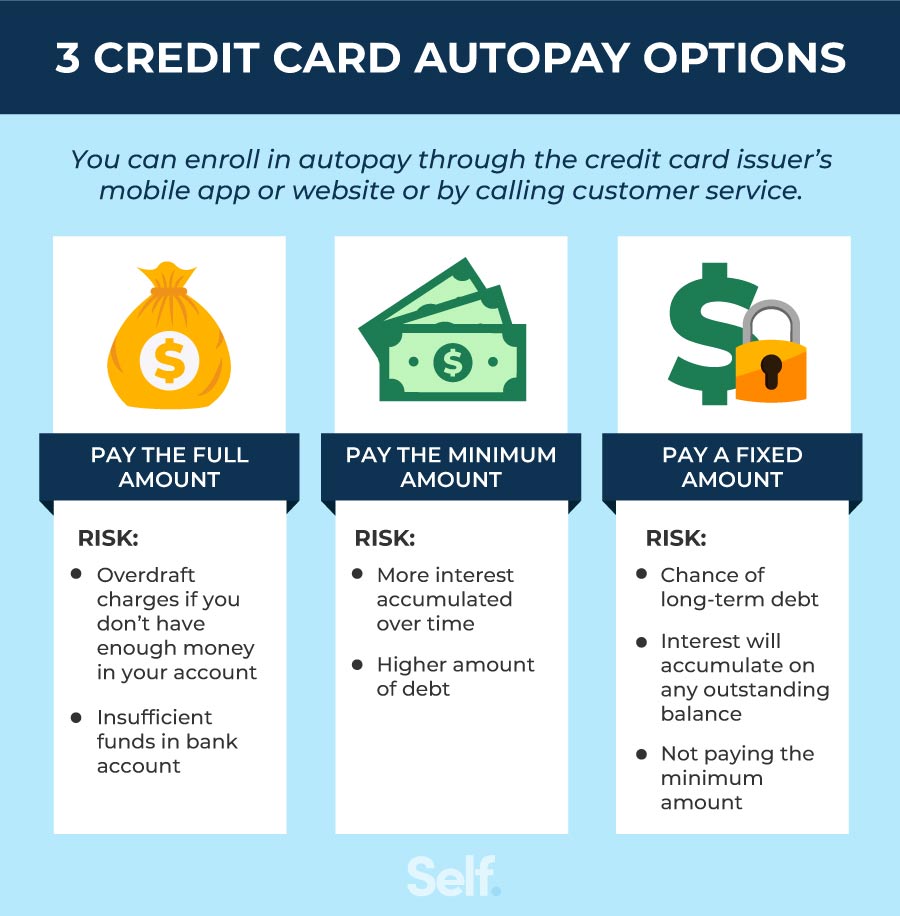
Setting up automatic payments for your credit card bill ensures you never miss a due date, which is crucial for avoiding late fees and protecting your credit score. However, simply setting and forgetting can be risky. Always set up automatic payments for the full statement balance, not just the minimum due. Simultaneously, make it a habit to regularly review your statements and pending automatic payments. This allows you to catch any errors, fraudulent charges, or unexpected increases in bill amounts before they are processed, giving you time to dispute them or adjust your budget. Many people automate the bill to the credit card, and also automate the credit card payment from their bank.
Prioritize Full Repayment
This is the golden rule of using credit cards, especially for bill payments. Always aim to pay your entire credit card statement balance in full by the due date. By doing so, you avoid all interest charges and utilize the credit card as a short-term, interest-free loan that simply streamlines your expenses and earns rewards. If you consistently carry a balance, the high interest rates will quickly outweigh any rewards earned, turning a beneficial strategy into a costly one. If paying in full is not always feasible, consider if using a credit card for certain bills is truly the best approach for your current financial situation.
Monitor Your Credit Utilization
Credit utilization, which is the amount of credit you’re using compared to your total available credit, is a significant factor in your credit score. Lenders prefer to see a low utilization ratio, typically under 30%. While paying bills with a credit card can help build credit, it also increases your utilization temporarily. If you’re using a large portion of your credit limit each month, even if you pay it off, it could slightly depress your score if reported before your payment. To mitigate this, consider making a payment on your credit card before the statement closing date to show a lower balance, or ensure you have a high enough credit limit that your routine bill payments do not push your utilization too high.
Leverage Introductory Offers Wisely
Many credit cards offer lucrative sign-up bonuses or introductory 0% APR periods. If you have significant upcoming bill payments, strategically using a new card with a sign-up bonus can be an excellent way to meet spending requirements and earn a substantial reward. Similarly, a 0% APR offer can provide a window of opportunity to pay off a large bill or consolidate existing debt without incurring interest, provided you have a clear plan to pay the balance in full before the introductory period expires. Always read the terms and conditions carefully to understand the requirements and duration of these offers.
When to Avoid Using a Credit Card for Bills
While advantageous for many, there are specific scenarios where using a credit card to pay bills can be detrimental. Recognizing these situations is key to maintaining sound financial health and preventing unnecessary costs.
High Transaction Fees
The most straightforward reason to avoid using a credit card is when the biller imposes a significant transaction fee or convenience fee. If a biller charges 2.5% to process a credit card payment, and your rewards card only offers 1% cash back, you’re effectively losing 1.5% on the transaction. For a $500 bill, that’s an unnecessary $12.50 expense. Always compare the fee against the value of the rewards you expect to earn. In many cases, using a debit card or setting up an ACH transfer directly from your bank account will be a more cost-effective option, even if it means sacrificing potential rewards.
Struggling with Debt Management
If you are already carrying a credit card balance that you’re struggling to pay off, or if you frequently find yourself making only minimum payments, adding more charges to your credit card is a perilous path. Using a credit card for bills in this situation will only exacerbate your debt problem, pushing you deeper into a cycle of high-interest payments. Prioritize paying down your existing high-interest debt before considering using credit cards for routine expenses. Focus on creating a solid budget and emergency fund to manage bills with cash, rather than relying on credit that you cannot comfortably repay.
Minimum Payment Traps
The ability to make a minimum payment can offer a false sense of security. While meeting the minimum keeps your account current, it does little to reduce your principal balance, especially with high-interest rates. If paying a bill with a credit card means you can only afford the minimum payment, you are falling into a “minimum payment trap.” Over time, the accumulated interest will make the cost of that bill significantly higher than if you had paid it directly from your checking account. This strategy not only negates any rewards but actively costs you money and prolongs your debt obligations. Always ensure you have the funds available to pay the entire credit card bill in full if you choose to use it for bill payments.
aViewFromTheCave is a participant in the Amazon Services LLC Associates Program, an affiliate advertising program designed to provide a means for sites to earn advertising fees by advertising and linking to Amazon.com. Amazon, the Amazon logo, AmazonSupply, and the AmazonSupply logo are trademarks of Amazon.com, Inc. or its affiliates. As an Amazon Associate we earn affiliate commissions from qualifying purchases.