
In the traditional landscape of educational management, discipline has long been viewed through the lens of liability and containment. For decades, “Zero Tolerance” policies were marketed as the gold standard for maintaining order, but from a business and financial perspective, these models have proven to be remarkably inefficient. As educational institutions increasingly operate like complex corporations—balancing budgets, managing human capital, and seeking long-term returns on investment—the shift toward “Restorative Justice” (RJ) is emerging not just as a social movement, but as a strategic financial pivot.
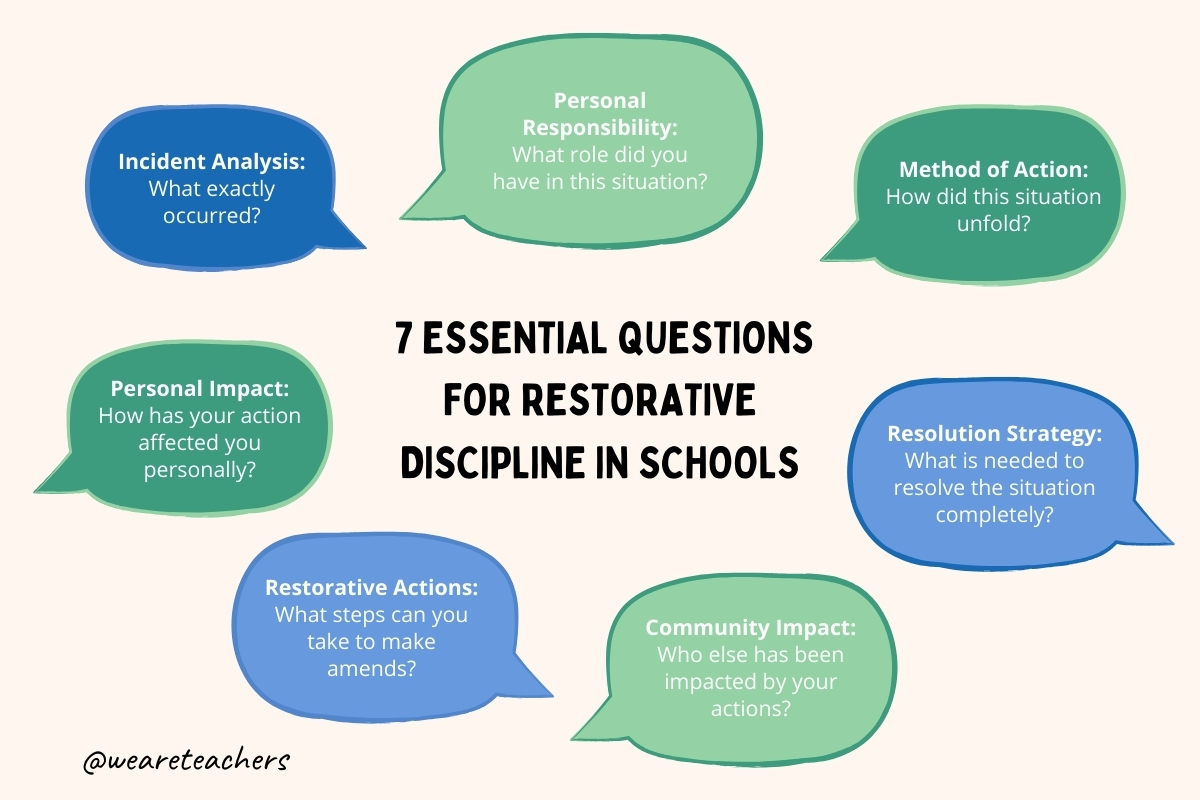
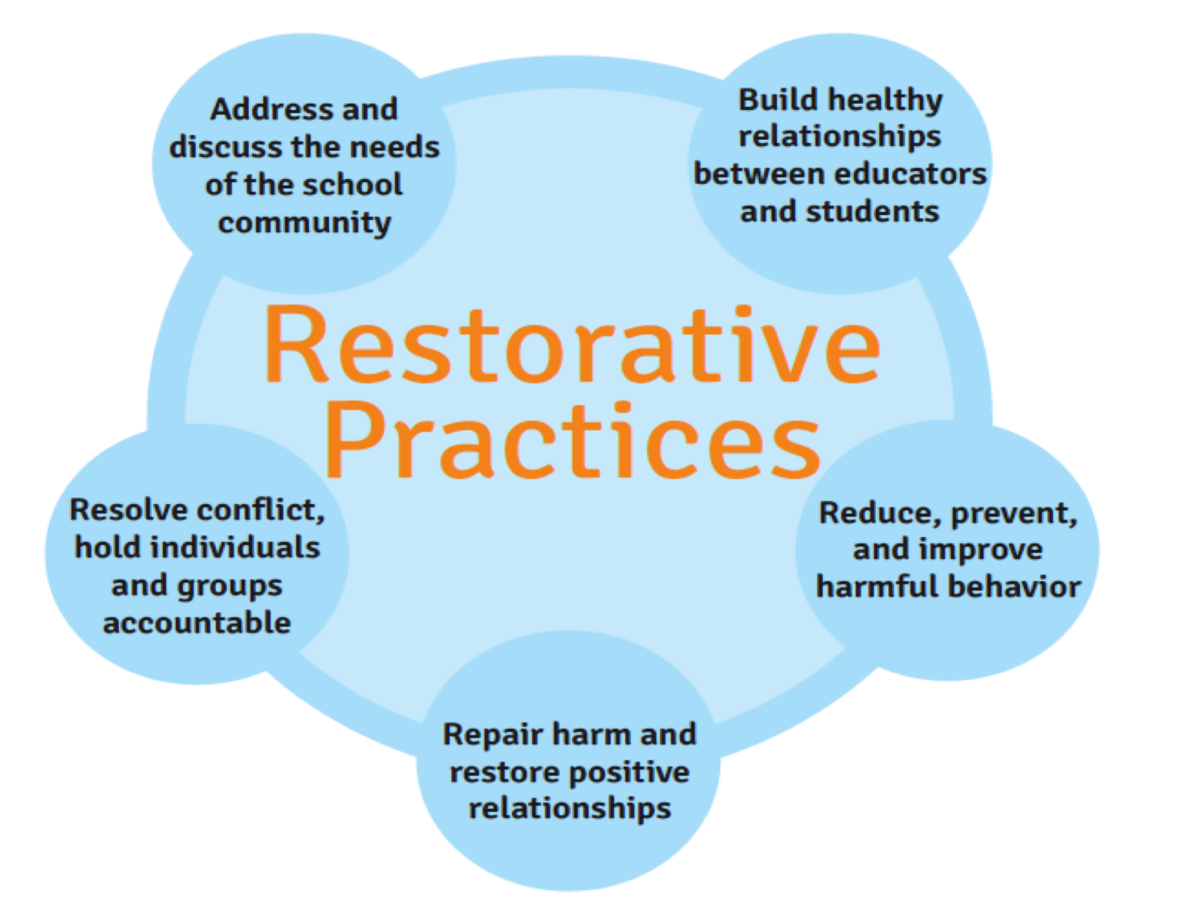
Restorative justice in schools is a framework that focuses on repairing harm and building community rather than simply delivering punishment. While the humanistic benefits are well-documented, the financial implications are even more profound. By analyzing the cost-benefit ratio of restorative practices, educational leaders and stakeholders can identify how this methodology stabilizes school budgets, maximizes student lifetime value, and reduces the immense economic burden of the school-to-prison pipeline.
The Financial High Cost of Traditional Punitive Discipline
To understand why restorative justice is a sound financial investment, one must first audit the “hidden” costs of the traditional punitive model. Zero-tolerance policies, which rely heavily on out-of-school suspensions and expulsions, create a cascade of negative financial externalities that drain school resources and diminish the institution’s bottom line.
The Direct Costs of Suspensions and Expulsions
From a business finance perspective, every student represents a specific unit of revenue, often tied to Average Daily Attendance (ADA) funding provided by state and federal governments. When a student is suspended or expelled, that revenue stream is instantly severed. For large school districts, the cumulative loss of ADA funding due to punitive discipline can reach millions of dollars annually.
Furthermore, the administrative overhead required to process a single suspension—including teacher documentation time, clerical processing, and expensive formal hearing procedures—often outweighs the “efficiency” that punitive measures claim to provide. By investing in restorative justice, schools retain their students and, by extension, their primary source of operational funding.
Litigation and Liability Risks in Traditional Systems
Punitive disciplinary systems are frequently a catalyst for costly legal battles. Schools that rely on exclusionary discipline are more susceptible to lawsuits regarding due process violations, discrimination, and the disproportionate targeting of minority groups or students with disabilities.
The legal fees associated with defending these practices, coupled with potential settlements, represent a significant financial liability. Restorative justice acts as a risk management tool. By facilitating dialogue and mutual agreement, schools can resolve conflicts internally and equitably, drastically reducing the likelihood of litigation and the insurance premium hikes that follow high-frequency legal challenges.
Restorative Justice as a Fiscal Strategy: Allocating Resources for Growth
Implementing restorative justice is not merely an expense; it is a strategic reallocation of capital. When schools transition from a “security-first” mindset to a “relationship-first” mindset, they change how they deploy their most valuable assets: time and personnel.
From Security Guards to Facilitators: Rebalancing the Budget
Many school districts allocate a disproportionate share of their budget to hardware and security personnel—metal detectors, surveillance systems, and school resource officers (SROs). While safety is paramount, these “hard” costs do little to prevent the root causes of conflict.
A restorative fiscal strategy involves shifting a portion of these funds toward “soft” infrastructure, such as trained restorative coordinators and social-emotional learning (SEL) curricula. Data shows that schools using restorative practices often see a dramatic decrease in violent incidents, eventually allowing them to scale back on expensive physical security measures. In this sense, RJ is a preventative maintenance strategy for the school environment, reducing the “repair costs” of campus conflict.
Leveraging Grants and Public Funding for Restorative Programs
For school administrators concerned about the initial startup costs of RJ—such as professional development and staff training—the current financial landscape offers numerous opportunities for external funding. Federal grants, private philanthropic foundations, and state-level “Safe Schools” initiatives are increasingly prioritizing restorative practices over traditional policing.
By positioning restorative justice as a core component of their “corporate identity” or strategic plan, schools can unlock diverse revenue streams. These funds allow institutions to pilot programs without dipping into their general operating budgets, essentially providing a low-risk entry point into a high-yield cultural shift.
The Macroeconomic Impact: Measuring the Long-Term ROI of Restorative Schools
When we zoom out from the individual school budget to the broader economy, the “Return on Investment” (ROI) of restorative justice becomes staggering. Education is the ultimate engine of human capital, and the way schools handle conflict directly influences the future earning potential of the workforce.
Increasing Graduation Rates and Future Earning Potential
The correlation between restorative justice and increased graduation rates is a critical metric for economic analysts. Students who remain in school rather than being pushed out by punitive measures are significantly more likely to enter the workforce, pay taxes, and contribute to the GDP.
According to various economic studies, a single high school graduate contributes hundreds of thousands of dollars more to the economy over their lifetime than a non-graduate, while also requiring fewer public subsidies. By keeping students engaged and accountable within the school system, restorative justice serves as an investment in the local and national economy, ensuring a more robust and skilled labor pool.
Reducing the Economic Burden of the School-to-Prison Pipeline
Perhaps the most compelling financial argument for restorative justice is its role in dismantling the school-to-prison pipeline. The “Business of Incarceration” is an immense drain on public coffers, with the average cost of housing an inmate far exceeding the cost of educating a student.
When schools use restorative justice to address behavioral issues, they decrease the probability of a student entering the criminal justice system. This reduction in recidivism and incarceration translates into massive public savings. For every dollar spent on restorative interventions in the classroom, the state potentially saves dozens of dollars in future law enforcement, judicial, and correctional expenses.
Implementing Restorative Justice: A Financial Roadmap for Educational Leaders
For a school to successfully transition to a restorative model, it must treat the process with the same rigor as any other business transformation. This requires clear financial milestones, performance indicators, and an understanding of the long-term fiscal roadmap.
Cost-Benefit Analysis of Training vs. Turnover
One of the primary objections to RJ is the cost of professional development. However, a comprehensive cost-benefit analysis usually reveals that the cost of teacher turnover—driven by burnout and high-stress environments—is much higher.
Traditional disciplinary environments are often toxic for staff, leading to high exit rates and the expensive cycle of recruiting and training new employees. Restorative schools report higher levels of teacher satisfaction and retention. By investing in RJ training, a school is essentially investing in “employee retention,” which stabilizes the human resource budget and maintains the institutional knowledge necessary for academic excellence.
Digital Tools and Financial Auditing for Program Success
To ensure that restorative justice practices are yielding the expected financial and social returns, schools are increasingly turning to data-tracking software and financial auditing tools. These tech-enabled solutions allow administrators to monitor the decline in suspension rates and correlate them with budget savings in real-time.
By treating RJ data as “Business Intelligence,” schools can justify ongoing expenditures to school boards and taxpayers. Transparent reporting on how restorative practices have saved the district money—whether through recovered ADA funding or reduced litigation costs—ensures the long-term financial viability of the program.
Conclusion: The Bottom Line on Restorative Justice
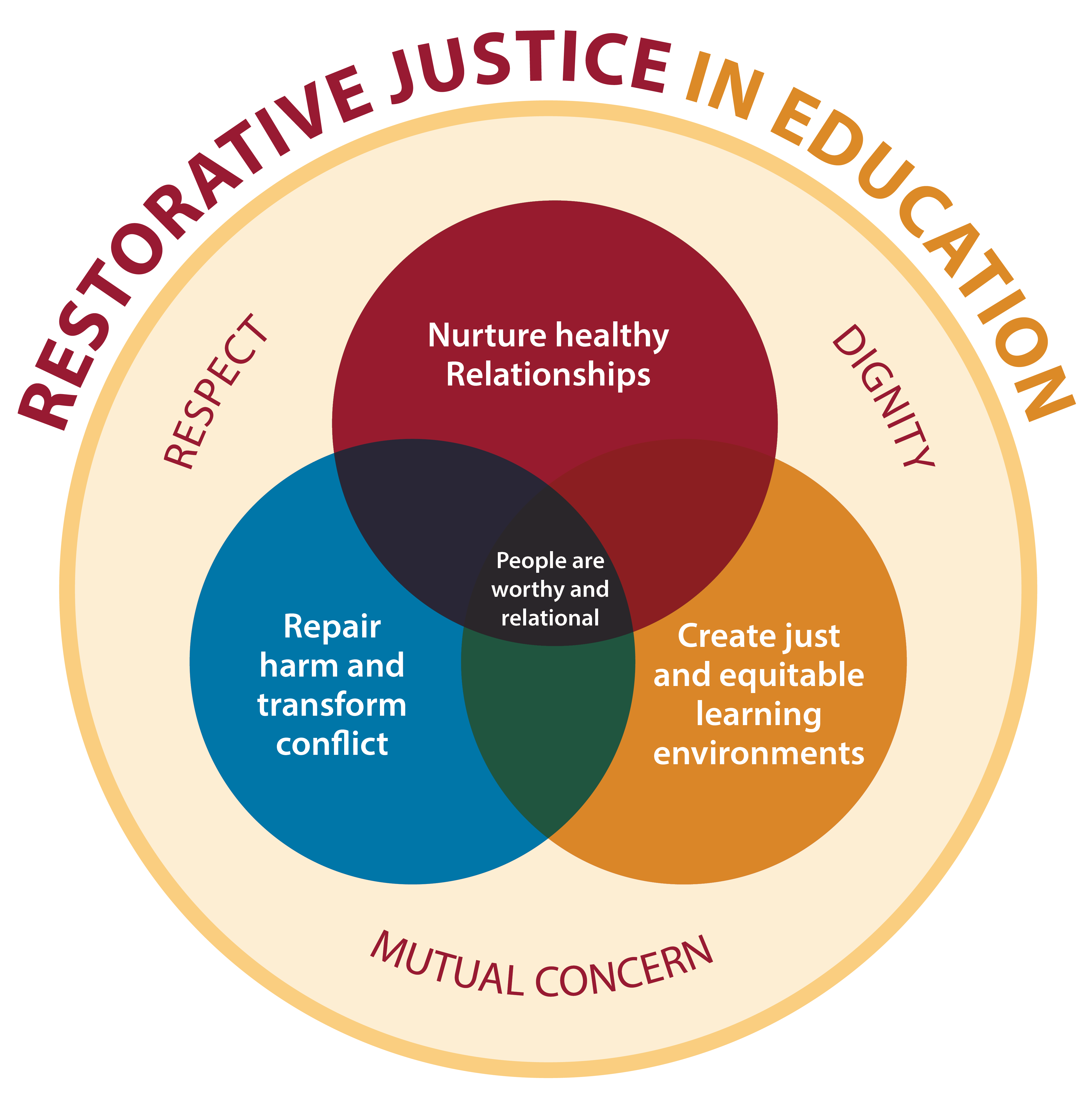
What is restorative justice in schools? In the modern era, it is far more than a trend in pedagogy; it is a sophisticated fiscal strategy designed for the 21st-century educational landscape. By moving away from the high-cost, low-return model of punitive discipline, schools can protect their revenue streams, mitigate legal risks, and contribute to a more prosperous macro-economy.
For the savvy educational leader, the choice is clear. The “Economics of Empathy” offers a rare opportunity to align social values with financial responsibility. Investing in restorative justice is not just about doing what is right for the students—it is about doing what is right for the balance sheet, ensuring that schools remain solvent, safe, and successful for generations to come.
aViewFromTheCave is a participant in the Amazon Services LLC Associates Program, an affiliate advertising program designed to provide a means for sites to earn advertising fees by advertising and linking to Amazon.com. Amazon, the Amazon logo, AmazonSupply, and the AmazonSupply logo are trademarks of Amazon.com, Inc. or its affiliates. As an Amazon Associate we earn affiliate commissions from qualifying purchases.