
Embarking on the entrepreneurial journey is often romanticized, conjuring images of innovative ideas and market disruption. While vision and passion are undeniable fuels, the bedrock of any successful company launch lies firmly in astute financial planning and rigorous capital management. Without a clear understanding of the monetary requirements, even the most brilliant concept can falter. This article delves into the indispensable financial facets of company formation, providing an insightful roadmap for aspiring founders to navigate the pecuniary challenges of bringing their venture to life. We will explore everything from initial capital outlay to ongoing operational sustenance and strategic funding acquisition, all viewed through the lens of robust business finance.
The Foundation of Capital: Understanding Initial Financial Needs
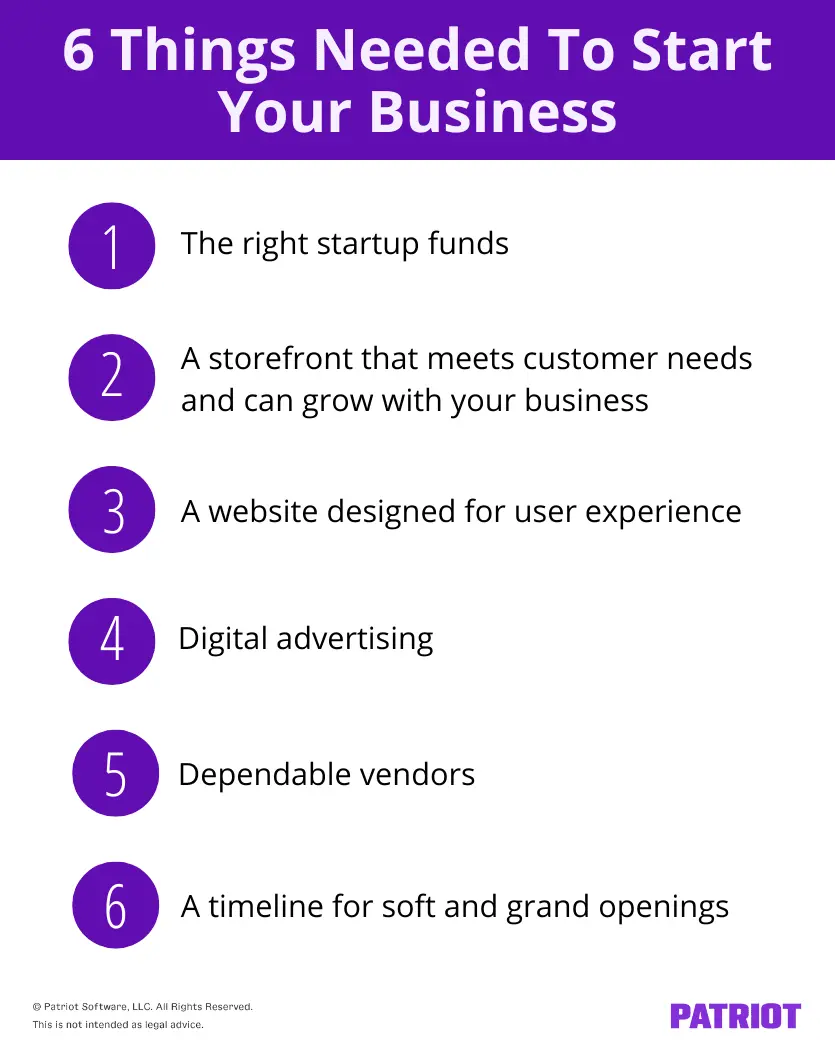
The very first step in starting a company, once an idea has been validated, is a comprehensive assessment of its financial footprint. This involves distinguishing between one-time startup costs and recurring operational expenses, understanding where your initial capital will come from, and how it will be allocated to acquire essential assets. This initial financial mapping is critical for setting realistic expectations and ensuring you don’t run out of steam before you even begin.
Startup Costs vs. Operating Costs
Before a single product is sold or a service rendered, there are numerous upfront expenditures. These startup costs are typically one-off or infrequent payments essential for establishing the business infrastructure. They can include legal fees for incorporation, brand registration, initial inventory purchase, equipment acquisition, office setup (if applicable), website development, and initial marketing campaigns. Accurately estimating these costs prevents undercapitalization, a common pitfall for new businesses.
In contrast, operating costs are the ongoing expenses required to keep the business running day-to-day. These include rent, utilities, salaries, marketing refreshers, raw materials, software subscriptions, and administrative overhead. While initial capital might cover the first few months of operating costs, a sustainable financial plan must project these expenses well into the future, ideally for the first 12-24 months. Understanding this distinction is crucial for developing a realistic financial runway.
Personal Savings and Bootstrapping
For many nascent companies, the initial capital often originates from the founder’s own pocket. Personal savings can provide the quickest and most accessible source of funds, demonstrating commitment to potential future investors. This approach is often paired with bootstrapping, a method of starting a company with minimal external capital, relying instead on internal cash flow and personal resources. Bootstrapping encourages fiscal discipline, creativity in resource allocation, and a focus on generating revenue early. While it limits initial scale, it allows founders to maintain full ownership and control, delaying dilution of equity. It also forces a lean approach, prioritizing essential expenditures and validating market demand before significant investment.
Asset Acquisition and Infrastructure Investment
Depending on the nature of the business, significant capital might be required for acquiring essential assets and building infrastructure. This could range from manufacturing machinery for a production company, specialized software licenses for a tech startup, commercial kitchen equipment for a food business, to vehicles for a logistics service. These are typically large, one-time investments that form the operational backbone of the company. It’s crucial to differentiate between assets that can be purchased outright, leased, or acquired through financing, each option having different implications for initial cash outflow and long-term financial commitments. Strategic decisions here can significantly impact the initial capital requirement and ongoing balance sheet health.
Crafting Your Financial Blueprint: Essential Planning & Budgeting
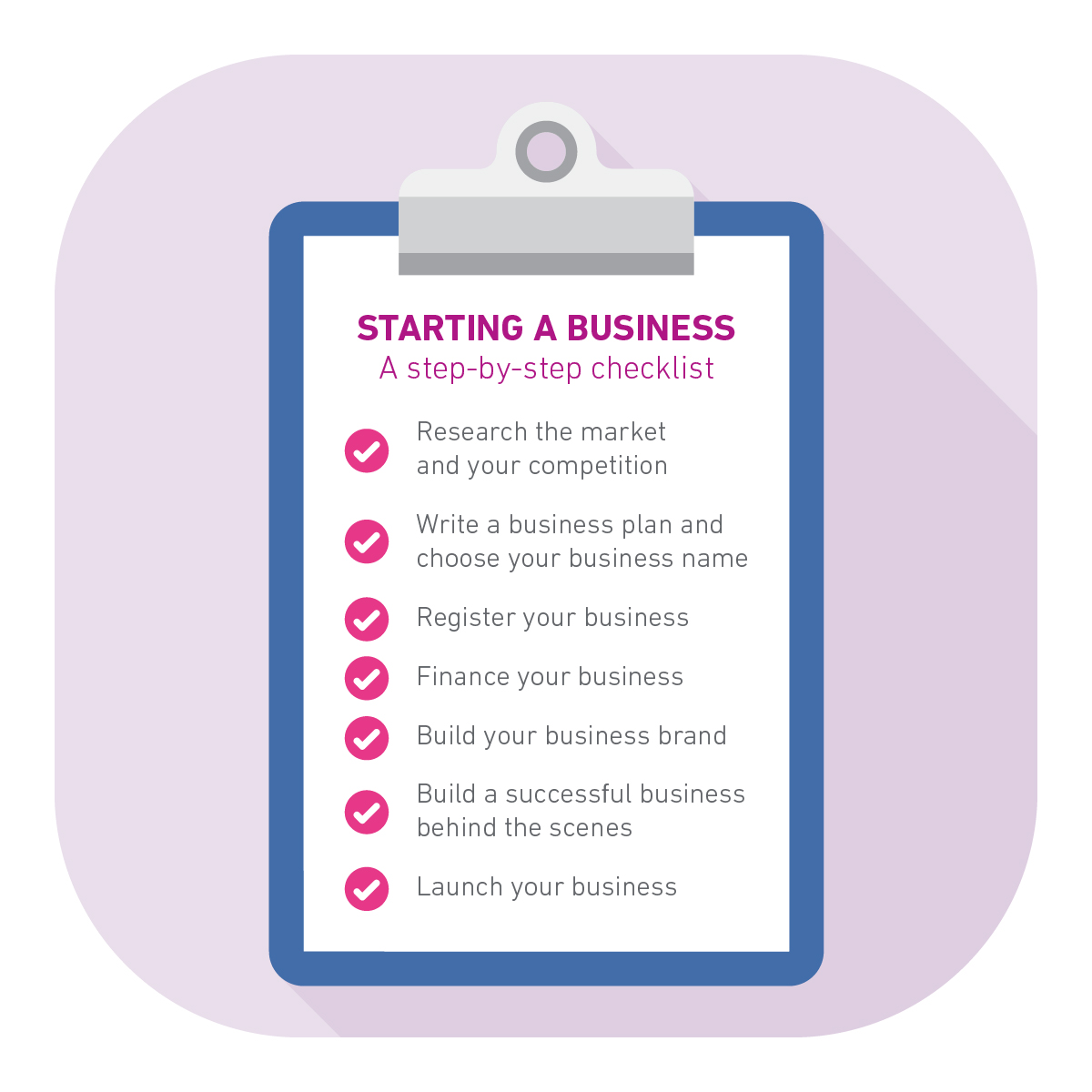
Once the initial capital needs are understood, the next critical step is to construct a comprehensive financial blueprint. This involves more than just a vague idea of spending; it necessitates rigorous planning, detailed budgeting, and foresight into potential financial challenges. A well-crafted financial plan serves as your company’s compass, guiding spending, forecasting performance, and preparing for unforeseen circumstances.
Developing a Comprehensive Business Plan (Financial Projections)
The financial section of your business plan is arguably its most vital component. It details your projected income statements, balance sheets, and cash flow statements for at least the next three to five years. These financial projections are not mere guesswork; they are informed by market research, pricing strategies, operational assumptions, and revenue models. A robust financial plan outlines how the company will generate revenue, manage expenses, achieve profitability, and ultimately sustain growth. It’s a living document that needs regular review and adjustment, serving as a critical tool for internal decision-making and external fundraising efforts.
Budgeting for the First Year: A Detailed Breakdown
Moving beyond projections, a meticulous first-year budget translates those forecasts into actionable spending limits. This involves itemizing every anticipated expense, from salaries and marketing to utilities and office supplies, and allocating specific amounts. The first year is often the most financially precarious for new businesses, making a granular budget indispensable. It helps prevent overspending, identifies areas for cost optimization, and ensures that funds are available when needed. Regular comparison of actual expenditures against the budget allows for immediate corrective action, keeping the company on its financial trajectory.
Contingency Planning and Emergency Funds
No financial plan is complete without acknowledging the unpredictable nature of business. Contingency planning involves setting aside an emergency fund specifically for unexpected costs or revenue shortfalls. This could be anything from a sudden equipment breakdown, an unforeseen legal challenge, a prolonged sales cycle, or an economic downturn. A common recommendation is to have enough cash reserves to cover at least three to six months of operating expenses. This financial buffer provides a crucial safety net, preventing minor setbacks from becoming existential threats and allowing the company to weather storms without resorting to desperate measures or premature liquidation.
Navigating the Financial Labyrinth: Legal, Regulatory, and Compliance Costs
Starting a company isn’t just about operations and revenue; it’s also about adhering to a complex web of legal and regulatory requirements, each carrying its own financial implications. Ignoring these costs can lead to significant penalties, legal disputes, and even the premature closure of the business. Understanding and budgeting for these financial obligations from the outset is a mark of responsible entrepreneurship.
Business Registration and Licensing Fees
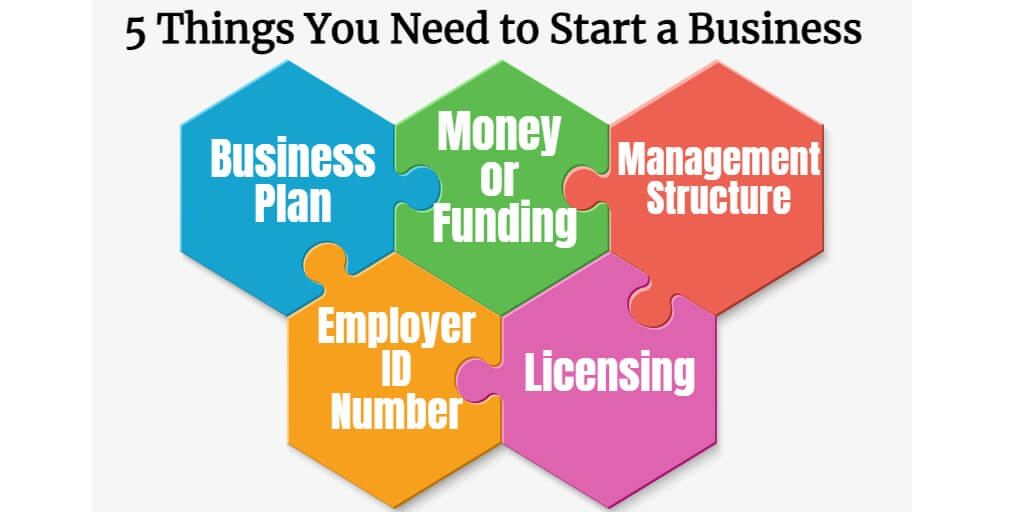
Before a company can legally operate, it must be formally registered with the appropriate government authorities. This involves business registration fees, which vary based on the legal structure (e.g., sole proprietorship, LLC, corporation) and jurisdiction. Beyond initial registration, many industries and localities require specific licenses and permits to operate legally. These can range from health permits for restaurants, professional licenses for service providers, to zoning permits for physical locations. Each license or permit typically incurs an application fee, and many require annual renewals, adding to ongoing operational costs.
Insurance Premiums and Risk Mitigation
Protecting your company from unforeseen liabilities and losses is not just prudent, it’s often a legal necessity. Insurance premiums for various policies — such as general liability, professional liability (E&O), property insurance, workers’ compensation, and product liability — represent significant and unavoidable costs. While an expense, insurance is a critical form of financial risk mitigation, safeguarding the company’s assets and future against lawsuits, accidents, natural disasters, and other adverse events. Budgeting for comprehensive coverage is a non-negotiable aspect of responsible financial planning.
Tax Implications and Compliance
One of the most complex and critical financial aspects of starting a company involves understanding and complying with tax regulations. This includes federal, state, and local taxes, such as income tax, sales tax, payroll tax, and property tax. New founders must allocate resources for potential tax liabilities and, often, for professional accounting and tax advisory services. These services, while an additional cost, ensure proper classification of income and expenses, timely filing, and adherence to evolving tax codes, thereby preventing costly penalties or audits. Establishing a robust accounting system from day one is essential for accurate tax compliance and overall financial health.
Sustaining Momentum: Managing Cash Flow and Operational Expenses
Initial capital and diligent planning get a company off the ground, but sustainable growth hinges on the continuous, effective management of its day-to-day finances. This means meticulously tracking money coming in and going out, optimizing operational spending, and ensuring that payroll and other crucial expenses are consistently met. Effective cash flow management is the lifeblood of any thriving enterprise.
Forecasting Revenue and Expense Cycles
A fundamental aspect of ongoing financial management is the ability to forecast revenue and expense cycles. This involves understanding seasonal variations in sales, predicting the lead time for invoicing and payments, and aligning expenses with periods of anticipated income. For instance, a retail business might experience higher revenue during holiday seasons but face increased inventory costs beforehand. A service business might have predictable monthly retainers but also fluctuating project-based income. By accurately forecasting these cycles, businesses can proactively manage their working capital, ensuring sufficient funds are available during leaner periods and optimizing investments during times of surplus.
Inventory and Supply Chain Financing
For businesses that rely on physical products, managing inventory and supply chain financing is a major financial undertaking. Capital is tied up in raw materials, work-in-progress, and finished goods, impacting cash flow. Decisions around inventory levels – balancing the cost of holding too much versus the risk of stockouts – have significant financial implications. Furthermore, managing payment terms with suppliers and customers directly affects the cash conversion cycle. Businesses might employ strategies like just-in-time inventory, supplier credit, or factoring receivables to optimize their working capital and maintain a healthy cash flow, all of which are critical financial decisions impacting daily operations.
Payroll and Human Resources Costs
As a company grows, payroll and human resources costs typically become one of its largest operational expenses. Beyond base salaries, these costs include benefits (health insurance, retirement plans), payroll taxes (employer contributions), workers’ compensation, and recruitment expenses. Managing payroll efficiently requires robust systems for tracking hours, calculating deductions, and ensuring timely payments. Mismanagement can lead to legal issues, employee dissatisfaction, and significant financial strain. Budgeting for talent acquisition, retention, and ongoing HR administrative costs is crucial for maintaining a productive workforce and ensuring compliance with employment laws, directly impacting the financial stability and growth trajectory of the company.
Fueling Growth: Strategies for Securing External Funding
While initial personal capital and early revenue can sustain a startup for a period, ambitious growth often necessitates external investment. Understanding the various avenues for securing additional funding and their respective financial implications is essential for scaling operations, expanding market reach, and realizing long-term strategic objectives.
Debt Financing: Loans and Lines of Credit
One common method for securing external capital is debt financing, where a company borrows money that must be repaid with interest. This typically comes in the form of bank loans, often requiring collateral or personal guarantees, or lines of credit, which offer flexible access to funds up to a certain limit. For established businesses, debt financing can be a less dilutive option than equity, allowing founders to retain full ownership. However, it introduces fixed financial obligations (monthly payments) that must be met regardless of profitability, and excessive debt can strain cash flow and solvency. Small business loans (e.g., SBA loans in the US) can be particularly attractive for startups due to potentially favorable terms.
Equity Financing: Angel Investors and Venture Capital
For companies seeking significant capital without the burden of immediate repayment, equity financing is a popular route. This involves selling a portion of ownership (equity) in the company to investors in exchange for capital. Angel investors are high-net-worth individuals who invest their own money, often taking a hands-on role. Venture capitalists (VCs) are firms that invest institutional money, typically in high-growth potential startups, in exchange for substantial equity stakes. While equity financing provides capital without debt obligations and often brings valuable mentorship, it results in dilution of ownership for the founders and requires giving up a degree of control. The valuation of the company at the time of investment is a critical financial negotiation.
Grants and Alternative Funding Sources
Beyond traditional debt and equity, businesses can explore grants and other alternative funding mechanisms. Government grants, often tied to specific industries (e.g., technology, clean energy) or social objectives, provide non-repayable funds. While competitive, grants can be a fantastic source of capital without equity dilution or repayment obligations. Other alternatives include crowdfunding platforms (debt, equity, or rewards-based), where many individuals contribute small amounts, and friends and family rounds, which can bridge early-stage funding gaps with more flexible terms than institutional investors. Each of these avenues presents unique financial considerations, from application costs and reporting requirements to the implications for future fundraising rounds.
In conclusion, starting a company is a profound financial undertaking. It demands meticulous planning, disciplined budgeting, an acute awareness of legal and regulatory costs, and proactive management of cash flow. Beyond simply securing initial capital, entrepreneurs must cultivate a deep understanding of ongoing financial health and strategically prepare for future growth through various funding mechanisms. By mastering these financial requirements, founders can transform their visionary ideas into sustainable, thriving enterprises, navigating the complex world of business with confidence and fiscal acumen.
aViewFromTheCave is a participant in the Amazon Services LLC Associates Program, an affiliate advertising program designed to provide a means for sites to earn advertising fees by advertising and linking to Amazon.com. Amazon, the Amazon logo, AmazonSupply, and the AmazonSupply logo are trademarks of Amazon.com, Inc. or its affiliates. As an Amazon Associate we earn affiliate commissions from qualifying purchases.