
Embarking on a Caribbean cruise is a dream for many, conjuring images of turquoise waters, sun-drenched beaches, and seamless relaxation. Yet, before you can picture yourself sipping a cocktail on a sundeck, a fundamental question often arises: “How much is this going to cost?” The answer, as with many travel experiences, is nuanced, varying widely based on a multitude of factors. Unlike a fixed-price product, a Caribbean cruise is a dynamic service offering, with prices fluctuating based on ship, itinerary, stateroom, time of year, and even how far in advance you book. Understanding these variables is the first step towards budgeting effectively and ensuring your dream vacation doesn’t become a financial nightmare.
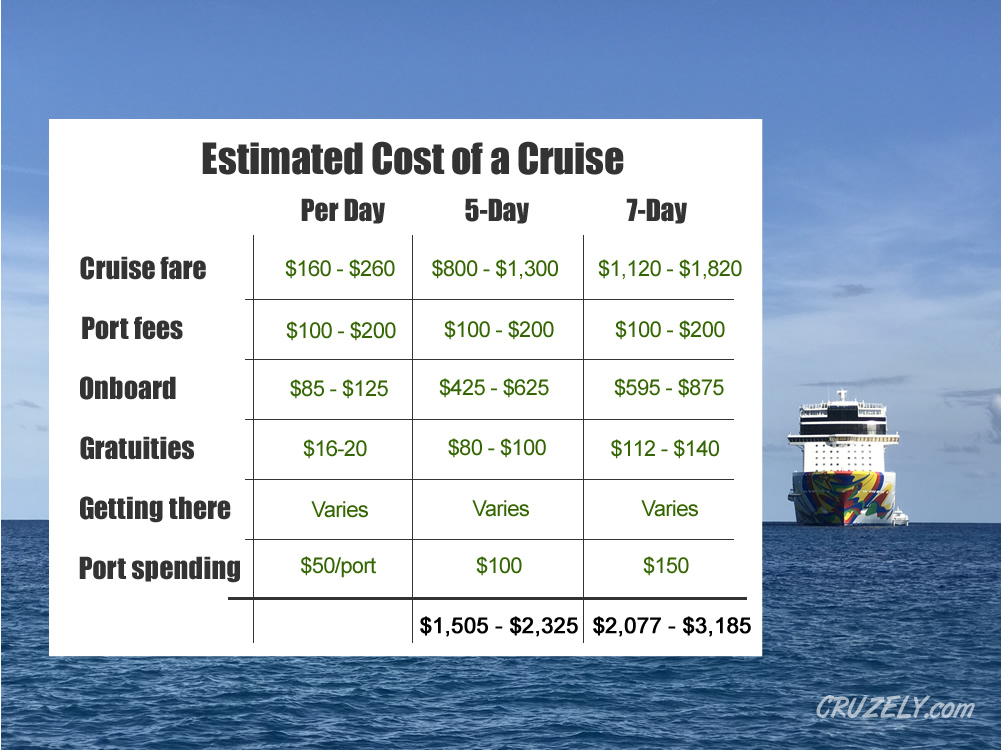
This comprehensive guide delves deep into the financial landscape of Caribbean cruising, breaking down the costs, revealing hidden expenses, and equipping you with the knowledge to make an informed decision. From the basic fare to onboard spending, pre- and post-cruise logistics, we will dissect every potential expenditure, offering insights into how to maximize value and minimize surprises. Whether you’re a first-time cruiser on a tight budget or a seasoned traveler seeking a luxurious escape, comprehending the financial architecture of a Caribbean cruise is paramount to transforming your vision into an affordable reality. Prepare to navigate the waters of cruise pricing with confidence, discovering how to tailor your adventure to both your desires and your wallet.
Deconstructing the Core Cost: What Influences Caribbean Cruise Pricing?
The advertised “starting from” price of a Caribbean cruise is merely the tip of the iceberg. A multitude of interdependent factors coalesce to form the final fare, dictating whether your getaway falls into the budget-friendly, mid-range, or luxury spectrum. Understanding these foundational elements is crucial for anticipating your expenditure and comparing different cruise options accurately.
Cruise Line and Ship Class
The choice of cruise line is perhaps the most significant determinant of price. Mainstream lines like Carnival, Royal Caribbean, and Norwegian Cruise Line often offer a range of price points, with newer, larger ships featuring more amenities typically commanding higher fares. These ships are essentially floating resorts, packed with restaurants, entertainment venues, and innovative attractions. On the other hand, premium lines such as Celebrity Cruises or Holland America Line, while still mainstream, tend to be slightly more upscale, offering a more refined experience and often reflected in their pricing. Luxury lines like Silversea, Seabourn, or Regent Seven Seas Cruises operate on an entirely different plane, offering unparalleled service, gourmet dining, and often genuinely all-inclusive fares (including flights, excursions, and drinks), which naturally come with a premium price tag. The age and size of the ship within any given fleet also play a role; older ships or smaller vessels often represent better value for money if you’re less concerned with cutting-edge attractions.
Itinerary and Duration
The length of your cruise and the specific ports of call are critical cost drivers. Shorter cruises (3-5 nights) generally have a lower headline price but a higher per-night cost compared to longer sailings (7+ nights). A 7-night cruise often represents the sweet spot for many travelers, balancing duration with affordability. The popularity and exclusivity of the ports visited can also influence pricing. Cruises visiting highly sought-after private islands (like CocoCay or Half Moon Cay) or more remote, less-frequented destinations might incur different costs. Moreover, cruises that involve repositioning or unique routes (e.g., combining different regions) can sometimes offer exceptional value due to less demand or specific logistical advantages for the cruise line.
Stateroom Category
Your choice of accommodation onboard has a profound impact on the total cost. The most economical option is typically an Interior (Inside) Cabin, offering no windows or natural light. These are ideal for budget-conscious travelers who plan to spend most of their time outside the cabin. Next are Oceanview (Outside) Cabins, which include a window or porthole, providing natural light and a view of the sea, often for a modest price increase. The highly popular Balcony (Veranda) Cabins offer a private outdoor space, allowing you to enjoy the sea breeze and stunning views from your own retreat, and they come with a significant price bump. At the top end are Suites, which vary wildly in size, amenities, and price. Suites can range from junior suites with extra space to expansive, multi-room accommodations with concierge services, priority boarding, and exclusive access to certain areas of the ship, commanding the highest prices.
Seasonality and Booking Timing
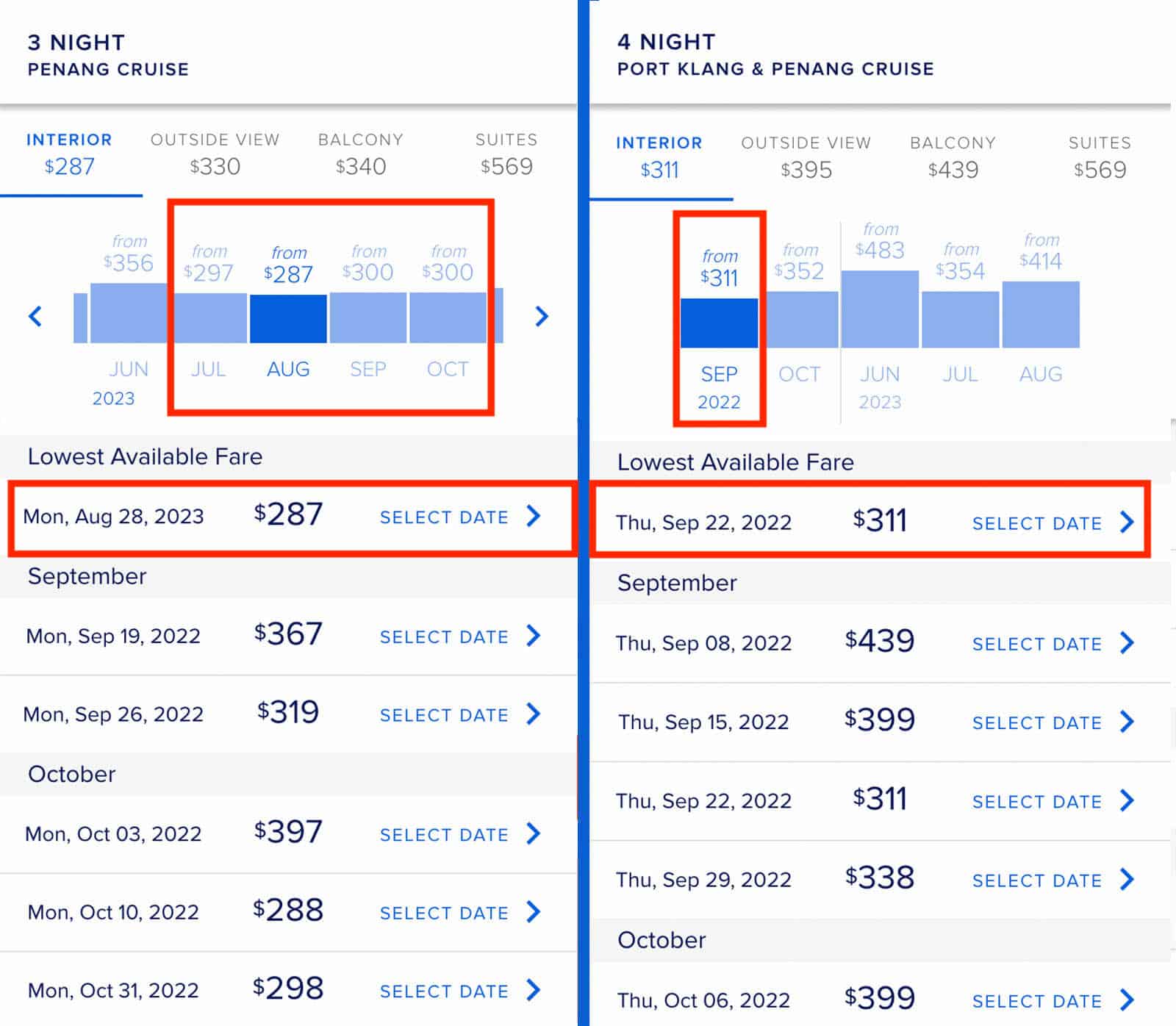
When you travel and when you book are two of the most controllable variables affecting price. Peak season for Caribbean cruises generally coincides with school holidays (summer, spring break, winter holidays like Christmas and New Year’s). During these periods, demand is high, and prices surge. Conversely, the “shoulder seasons” (late spring/early summer, fall) and the low season (late summer/early fall, particularly September and October due to hurricane season) often present the best deals. Booking timing also matters significantly. Generally, booking far in advance (6-18 months out) can secure early bird discounts, prime stateroom locations, and a wider selection. Alternatively, last-minute deals (often within 60-90 days of sailing) can appear if a ship hasn’t filled, but these come with limited choices and are not guaranteed. Flexibility with your travel dates is key to snagging the best prices.
Understanding the All-Inclusive Illusion: What’s Really Covered?
Many first-time cruisers are lured by the seemingly “all-inclusive” nature of a cruise. While a cruise fare does encompass a significant portion of your vacation costs, it’s crucial to understand what’s genuinely included and, more importantly, what isn’t. This distinction is vital for accurate budgeting and avoiding unexpected expenses onboard.
Standard Inclusions vs. Exclusions
Generally, your base cruise fare covers your stateroom, most meals (in the main dining rooms, buffets, and sometimes a few casual eateries), basic non-alcoholic beverages (water, coffee, tea, juice from dispensers), and access to most onboard entertainment (shows, live music, pools, gyms). What is almost always excluded are alcoholic beverages, specialty coffees, sodas, bottled water, specialty dining venues, shore excursions, spa treatments, gratuities, internet access, casino gambling, retail purchases, and often, certain premium onboard activities (e.g., simulated surfing, go-karts on some ships). Being aware of these common exclusions from the outset allows you to set aside a realistic budget for these optional extras.
Decoding Beverage Packages
For many, the cost of drinks is the single largest “hidden” expense on a cruise. Cruise lines offer various beverage packages, ranging from soda packages to premium alcohol packages that include cocktails, wine, beer, and specialty coffees. These packages are priced per person, per day, for the entire duration of the cruise. While they can seem expensive upfront (e.g., $60-$100+ per person per day), they can offer significant savings if you plan to consume multiple alcoholic drinks daily. It’s essential to do the math: estimate how many drinks you’ll have versus the package cost. Be aware that many packages require all adults in a cabin to purchase them, and they often exclude premium brands or require an additional surcharge for very high-end items.
Shore Excursions and Onboard Activities
Once you arrive at a port of call, the opportunities for adventure are abundant, but these typically come at an additional cost. Cruise lines offer a wide array of organized shore excursions, ranging from historical tours and beach days to snorkeling trips and adventure sports. These can vary significantly in price, from $50 to several hundred dollars per person. While convenient and often guaranteeing your timely return to the ship, cruise line excursions can sometimes be more expensive than booking independently through local operators. Onboard, while much entertainment is included, some premium activities like certain fitness classes, arcades, escape rooms, or high-thrill attractions on newer ships may incur an extra charge.
Specialty Dining and Gratuities
Most cruise lines feature a selection of specialty restaurants (e.g., steakhouses, Italian, Asian fusion) that offer an elevated dining experience beyond the main dining rooms and buffets. These typically come with a cover charge per person (ranging from $20 to $70+) or à la carte pricing. While not mandatory, they offer a nice treat for a special evening. Gratuities (tips) for the hardworking crew are another significant, often overlooked, expense. Most cruise lines automatically add a daily gratuity charge to your onboard account (typically $14-$18 per person, per day). While you can adjust or remove these, they are a standard practice and essential for compensating the crew. Some luxury cruises include gratuities in the upfront fare, further highlighting the need to scrutinize what each cruise line’s “all-inclusive” truly entails.
Navigating Different Budget Tiers: From Frugal to Five-Star
Caribbean cruises cater to an incredibly diverse range of budgets and preferences. Identifying where your financial comfort zone lies is crucial for selecting the right cruise experience. By understanding the typical offerings and price points of different tiers, you can align your expectations with your spending capacity.

Budget-Friendly Options
For travelers prioritizing affordability, several excellent budget-friendly options exist. This tier often involves shorter cruises (3-5 nights), sailing on older ships within the fleets of major cruise lines like Carnival, MSC Cruises, or Royal Caribbean. Expect interior or oceanview cabins, and plan to maximize the included dining options (buffets, main dining rooms). Travel during the off-peak or shoulder seasons (late August, September, early December, late January) can yield significant savings. A 7-night Caribbean cruise in an interior cabin during the off-season could potentially start from as low as $400-$600 per person, excluding taxes, fees, and port charges. While these cruises offer a fantastic gateway to the Caribbean, budgeting for onboard extras (drinks, excursions) is still critical to keep the total cost manageable. Flexibility in ports of call and ship choice is your biggest asset in this tier.
Mid-Range Comfort and Value
The mid-range segment offers a balance of comfort, amenities, and value, often appealing to families and couples seeking a comprehensive vacation experience without breaking the bank. This tier typically includes 7-night cruises on newer or recently refurbished ships from Royal Caribbean, Norwegian Cruise Line, Princess Cruises, or Celebrity Cruises. Balcony cabins become a more accessible option here. Prices for a 7-night cruise in a balcony cabin during shoulder season might range from $800-$1,500 per person, again before taxes, fees, and port charges. This segment often features more varied specialty dining options, a broader range of included activities, and more refined service. Many cruise lines in this tier frequently offer promotions like “free drinks packages” or “free WiFi” as booking incentives, which can significantly enhance value, though it’s always wise to calculate if these “freebies” are truly beneficial for your consumption habits.
Luxury and Ultra-Luxury Experiences
At the apex of Caribbean cruising are the luxury and ultra-luxury lines, designed for discerning travelers who seek unparalleled service, exquisite dining, and an intimate, sophisticated atmosphere. Lines such as Silversea, Seabourn, Regent Seven Seas Cruises, or Ritz-Carlton Yacht Collection operate smaller ships with a higher crew-to-guest ratio, offering spacious suites, gourmet cuisine, and a highly personalized experience. The defining characteristic of this tier is its truly all-inclusive nature, often encompassing international flights, all alcoholic beverages, specialty dining, gratuities, unlimited shore excursions, Wi-Fi, and even laundry service. These cruises represent a complete, hassle-free vacation. Consequently, the price point is substantially higher. A 7-night luxury Caribbean cruise can easily start from $4,000-$8,000 per person and can ascend well into the five figures for the most opulent suites and itineraries. While the upfront cost is significant, comparing the included amenities often reveals that the per-day value can be competitive once all the traditional “extras” are factored in.
Strategies for Smart Savings: Maximizing Value on Your Caribbean Cruise
While the base price of a cruise varies, there are numerous strategies astute travelers employ to reduce overall costs and extract maximum value from their Caribbean adventure. A proactive approach to planning and booking can lead to substantial savings.
Early Bird vs. Last-Minute Deals
As previously mentioned, booking significantly in advance (12-18 months) often secures the best cabin selection, specific itineraries, and sometimes early booking discounts or promotional offers (e.g., onboard credit). This is especially true for popular cruises or specific stateroom categories. Conversely, if you have immense flexibility with dates and destinations, last-minute deals (often 60-90 days prior to departure) can emerge as cruise lines try to fill unsold cabins. However, relying on last-minute deals is a gamble, as choice is limited, and specific itineraries might not be available. For most, an early booking strategy provides more certainty and control over their vacation planning.
Leveraging Travel Agents and Bundles
While online booking is prevalent, a knowledgeable cruise-specialist travel agent can be an invaluable resource, often providing access to deals not publicly advertised. Agents frequently have group rates, exclusive promotions, or can secure added perks like onboard credit, complimentary specialty dining, or free gratuities. They can also bundle your cruise with flights and pre/post-cruise hotel stays, potentially offering a better overall package price than booking each component separately. Furthermore, their expertise in navigating promotions and understanding the nuances of different cruise lines can save you both money and stress.
Loyalty Programs and Credit Card Perks
If you’re a frequent cruiser with a specific line, enrolling in their loyalty program is a must. These programs reward returning guests with perks that can include priority boarding, exclusive discounts, free drinks, complimentary laundry service, and even free cruises at higher tiers. Additionally, many travel-focused credit cards offer lucrative rewards, such as points that can be redeemed for travel, statement credits, or specific cruise line gift cards. Some even offer specific cruise benefits or onboard credit when you book using their card. Maximize these opportunities to reduce your out-of-pocket expenses.
Mindful Spending Onboard
Once on the ship, it’s easy for incidental expenses to accumulate. Practice mindful spending by setting a daily budget for extras. If you didn’t purchase a drink package, consider bringing allowable beverages onboard (many lines permit a limited amount of wine or champagne). Opt for the included dining venues most nights and save specialty restaurants for a special occasion. For shore excursions, research independent local tour operators in advance; they often offer similar experiences at a lower price than the cruise line’s offerings. Take advantage of free onboard activities and entertainment. Small decisions throughout your cruise can prevent a shockingly high bill at the end.
Beyond the Sticker Price: Budgeting for the Full Experience
The cost of your cruise extends beyond the fare itself. To achieve a truly comprehensive and accurate budget, it’s essential to account for all potential expenses, both before and after your time at sea, as well as the inevitable onboard incidentals.
Pre-Cruise and Post-Cruise Expenses
Your cruise vacation begins long before you step foot on the ship. Factors like flights to and from the embarkation/disembarkation port are often significant. Airfare can vary widely based on your departure city, the cruise port (e.g., Miami, Fort Lauderdale, San Juan), and booking timing. It’s generally advisable to fly in at least a day before your cruise departs to mitigate the risk of flight delays causing you to miss the ship. This necessitates budgeting for pre-cruise hotel stays, often one or two nights, which can add hundreds of dollars depending on the city and hotel choice. Similarly, if your return flight is late on disembarkation day, you might need a post-cruise hotel stay or consider day-use hotel options to freshen up. Airport transfers, taxis, or ride-sharing services to and from the port also need to be factored in. Passports, visas (if applicable), and travel insurance are other necessary pre-departure costs.
Onboard Spending and Incidentals
Even with careful planning, unexpected or desired onboard expenses can arise. This covers a broad category from souvenirs, photos taken by the ship’s photographers, and casino gambling, to medical services if you fall ill. While most cruise lines provide basic medical facilities, treatments or prescriptions will incur charges. Shopping onboard can be tempting, especially duty-free items or gifts for loved ones. Spa treatments, haircuts, or fitness classes often come with additional fees. It’s wise to allocate a buffer in your budget for these “incidentals” to avoid stress if you decide to indulge or if an unforeseen need arises. Having a clear idea of your discretionary spending limit onboard will help you stay on track.
Emergency Fund and Travel Insurance
No matter how meticulously you plan, unforeseen circumstances can always arise. Establishing an emergency fund specifically for your trip is a prudent financial strategy. This could cover unexpected flight delays, additional accommodation needs, or unforeseen medical emergencies. Coupled with an emergency fund, travel insurance is highly recommended. Policies can cover trip cancellation or interruption (due to illness, natural disaster, etc.), medical emergencies onboard or in port, baggage loss, and even emergency evacuation. While an added upfront cost, travel insurance provides invaluable peace of mind and can save you thousands of dollars in the event of a significant unforeseen incident, making it an essential part of a comprehensive cruise budget.
In conclusion, the question “how much is a Caribbean cruise?” does not have a single, simple answer. It’s a dynamic equation influenced by your choices in cruise line, ship, itinerary, stateroom, and timing, coupled with your approach to onboard spending and pre/post-cruise logistics. By meticulously dissecting these financial layers, from the core fare to the often-overlooked incidentals and protective measures like travel insurance, you gain the power to craft a cruise experience that aligns perfectly with your financial comfort zone. Arming yourself with this financial literacy transforms the dream of a Caribbean cruise from a vague aspiration into a tangible, well-budgeted reality, ensuring your tropical escape is filled with joy, not financial anxiety.
aViewFromTheCave is a participant in the Amazon Services LLC Associates Program, an affiliate advertising program designed to provide a means for sites to earn advertising fees by advertising and linking to Amazon.com. Amazon, the Amazon logo, AmazonSupply, and the AmazonSupply logo are trademarks of Amazon.com, Inc. or its affiliates. As an Amazon Associate we earn affiliate commissions from qualifying purchases.