
In the rapidly evolving landscape of modern technology, the concept of “regions” is far more profound than a mere geographical demarcation. It represents a fundamental architectural principle that underpins the reliability, performance, security, and scalability of virtually every digital service we interact with daily. From the instantaneous loading of web pages and the seamless streaming of high-definition content to complex enterprise applications and cutting-edge AI computations, the strategic distribution of technological infrastructure across various regions is an invisible yet indispensable force. Without a deep understanding and thoughtful implementation of regional strategies, even the most innovative software or hardware would struggle to deliver on its promise.
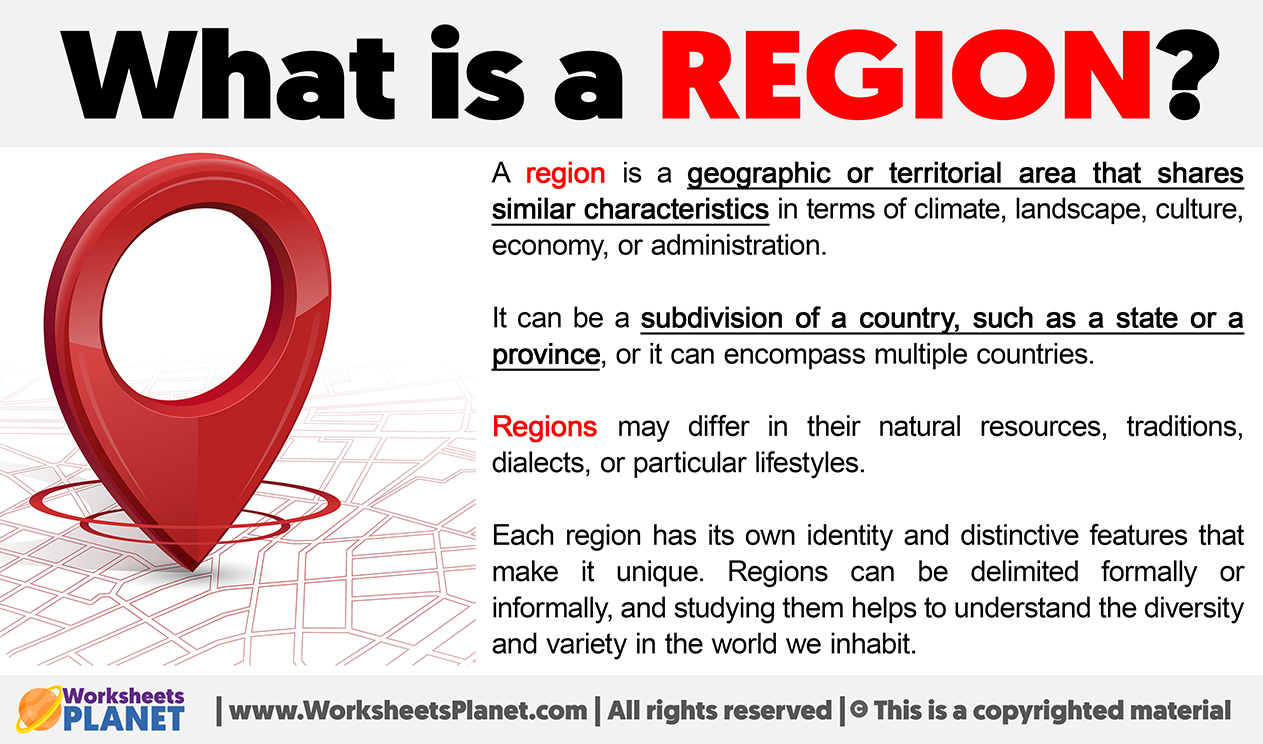
This article delves into what regions mean in a technological context, primarily focusing on cloud computing, data distribution, and network architecture. We will explore why these geographic distinctions are critical, how they are structured, and the multifaceted considerations that drive their design and utilization. Understanding regions is not just for cloud architects or network engineers; it’s essential for anyone seeking to grasp the foundational elements that enable today’s interconnected digital world.
The Foundational Role of Regions in Cloud Computing
At the heart of modern IT infrastructure lies cloud computing, a paradigm built upon vast networks of data centers distributed globally. Within this model, “regions” serve as the highest-level geographical subdivisions, grouping together multiple independent facilities to provide robust, scalable, and resilient services.
Defining Cloud Regions and Availability Zones
A cloud region is a distinct geographical area where a cloud provider (like AWS, Azure, Google Cloud, etc.) has its data centers. Each region is designed to be fully isolated from other regions, meaning a major outage in one region should not affect the others. This isolation is crucial for business continuity and disaster recovery.
Within each region, there are typically multiple Availability Zones (AZs). An Availability Zone is one or more discrete data centers, each with redundant power, networking, and connectivity, housed in separate facilities within a region. AZs are physically isolated from each other within the same region, usually by tens of miles, to minimize the impact of natural disasters or localized power outages on the entire region. They are connected by high-speed, low-latency links. This multi-AZ architecture within a region is fundamental for building highly available and fault-tolerant applications. Deploying applications across multiple AZs ensures that if one data center experiences an issue, workloads can seamlessly failover to another, maintaining service continuity.
Benefits of Multi-Region Deployments
While deploying across multiple Availability Zones within a single region offers significant resilience, a multi-region strategy elevates this protection to another level. The benefits are manifold:
- Enhanced Disaster Recovery and Business Continuity: A catastrophic event affecting an entire region (e.g., a major natural disaster, widespread power grid failure) could still disrupt services even with multiple AZs. Distributing workloads across multiple, geographically distant regions provides the ultimate safeguard, allowing for rapid failover to another operational region.
- Improved Latency and User Experience: For global applications, placing resources closer to end-users dramatically reduces network latency. By deploying services in regions geographically proximate to their target audience, businesses can ensure faster response times, smoother user interactions, and overall a superior experience. For instance, a European user will experience lower latency accessing an application hosted in a Frankfurt region compared to one in North Virginia.
- Data Residency and Regulatory Compliance: Many industries and governments impose strict regulations regarding where data must be stored and processed. Laws like GDPR in Europe, CCPA in California, or specific financial regulations often mandate data residency within particular geographical boundaries. Multi-region strategies allow organizations to adhere to these complex compliance requirements by isolating data within specific regional jurisdictions.
- Load Balancing and Scalability: Distributing traffic across multiple regions can help manage peak loads more effectively. If one region experiences unusually high demand, traffic can be intelligently routed to other less utilized regions, preventing service degradation and ensuring consistent performance.
Strategic Considerations for Region Selection
Choosing the right cloud region(s) is a critical decision that impacts performance, cost, compliance, and operational resilience. Key factors include:
- Proximity to End-Users: As discussed, minimizing latency is paramount for optimal user experience. Analyzing the geographic distribution of your user base is a primary driver.
- Data Residency and Regulatory Landscape: Understanding and complying with data governance laws is non-negotiable, often dictating specific regions for data storage and processing.
- Service Availability and Feature Parity: Not all cloud services are available in all regions. Some newer or specialized services might only be offered in a subset of regions. Ensure the desired services and their required features are available in your chosen region.
- Cost Implications: Cloud resource pricing can vary significantly between regions due to differences in local infrastructure costs, energy prices, and market dynamics. Cost optimization requires careful analysis of regional pricing models.
- Network Connectivity and Inter-Region Bandwidth: While cloud providers offer robust inter-region connectivity, the quality and cost of data transfer between regions can be a factor, especially for applications that require frequent cross-region communication.
- Environmental Impact: For organizations committed to sustainability, the carbon footprint of data centers in different regions (e.g., reliance on renewable energy) can also be a consideration.
Regions Beyond the Cloud: Data, Networks, and Edge Computing
While cloud computing heavily utilizes the concept of regions, the principle of geographical distribution extends far beyond, influencing data center design, network infrastructure, and the emerging field of edge computing.
Geographical Distribution of Data Centers and Content Delivery Networks (CDNs)
Even for organizations that maintain their own on-premises infrastructure, the strategic placement of data centers is critical. Large enterprises often operate multiple data centers in different regions to achieve disaster recovery capabilities, distribute workloads, and ensure proximity to key business units or customer bases.
Content Delivery Networks (CDNs) are a prime example of regional distribution. CDNs consist of geographically distributed networks of proxy servers and their data centers, called Points of Presence (PoPs). Their purpose is to provide high availability and performance by distributing content (web pages, images, videos, applications) to users based on their geographic location. When a user requests content, the CDN directs the request to the nearest PoP, significantly reducing load times and improving the user experience by serving content from a server physically closer to them. This regional caching mechanism offloads origin servers and minimizes latency.
Network Infrastructure and Regional Connectivity
The global internet itself is a vast network of interconnected regional and intercontinental cables, peering points, and exchange facilities. Internet Service Providers (ISPs) and telecommunication companies operate extensive regional networks to connect their customers to this global backbone. The performance and resilience of these underlying networks are paramount to the effective functioning of cloud regions, CDNs, and all internet-dependent services.
High-speed fiber optic cables crisscross continents and oceans, forming the arteries of global data transfer. These cables often follow specific regional paths, with points where they land and connect to terrestrial networks. Understanding the routing and redundancy of these regional and inter-regional links is crucial for designing robust global applications that can withstand network outages or congestion.
Edge Computing and the Proximity Imperative
Edge computing represents a paradigm shift where computation and data storage are brought closer to the data source, rather than relying solely on centralized cloud regions. This movement is driven by the need for ultra-low latency, real-time processing, and reduced bandwidth consumption for applications like IoT devices, autonomous vehicles, smart cities, and augmented reality.
Edge regions or edge locations are essentially miniature data centers or specialized hardware deployed at the periphery of a network – closer to users or data-generating devices. These can be located in cell towers, factories, retail stores, or even within individual devices. The concept extends the principles of regional distribution to the very “edge” of the network, enabling localized processing and immediate decision-making without the round-trip delay to a distant cloud region. This hyper-local regionalization is becoming increasingly important for applications that demand instantaneous responses.
Security, Compliance, and Governance in a Regionalized World
The geographical distribution inherent in regional strategies introduces a complex layer of considerations related to data security, regulatory compliance, and overall governance. Navigating these challenges is essential for maintaining trust and avoiding legal ramifications.

Data Residency and Regulatory Compliance (GDPR, CCPA)
Perhaps one of the most significant drivers for regional deployments is the evolving landscape of data privacy and residency regulations. Governments worldwide are enacting laws that mandate where certain types of data (e.g., personal identifiable information, financial records, health data) must be stored and processed.
- GDPR (General Data Protection Regulation): Europe’s GDPR dictates strict rules for the processing and storage of personal data belonging to EU citizens, often implying a need to keep such data within the EU.
- CCPA (California Consumer Privacy Act): While not as strict on residency, CCPA gives California residents more control over their personal information.
- Industry-Specific Regulations: Healthcare (HIPAA), finance (PCI DSS, SOX), and government sectors often have their own stringent regional data handling requirements.
Organizations must carefully map their data flows and classify their data to ensure it resides in the appropriate regions, minimizing legal exposure and demonstrating adherence to these critical mandates.
Regional Security Postures and Threat Mitigation
While cloud providers offer robust security features, the security posture can subtly vary between regions based on local legal frameworks, the physical security standards of specific data centers, and even regional threat landscapes.
- Physical Security: Although highly standardized, the physical security measures of data centers within different regions might have slight variations based on local construction codes or security best practices.
- Geopolitical Factors: The geopolitical stability of a region can influence its security risk profile. Organizations might avoid storing critical data in regions with high political instability or a history of cyber warfare.
- Compliance with Local Security Standards: Some regions may have specific security certifications or standards that services must meet, which can influence architectural choices.
Implementing a robust regional security strategy involves ensuring consistent security policies, identity and access management (IAM) controls, and incident response plans across all deployed regions.
Geopolitical Implications for Technology Operations
Beyond explicit laws, geopolitical dynamics can significantly impact regional technology operations. Government policies, trade restrictions, and international relations can influence data transfer agreements, access to certain technologies, and even the ability of cloud providers to operate in specific countries. Organizations operating globally must remain cognizant of these shifting geopolitical sands, as they can suddenly impose restrictions or create operational complexities for their regional deployments. Diversification across politically stable regions can be a strategic move to mitigate these risks.
Optimizing Performance and Cost Through Regional Strategy
The decision to leverage multiple regions is often a balancing act between achieving optimal performance, ensuring resilience, and managing operational costs. A well-thought-out regional strategy seeks to optimize these interconnected factors.
Latency Reduction and User Experience
As highlighted earlier, latency is a critical factor for user experience. For interactive applications, every millisecond counts. By distributing application components and data stores across regions closest to the end-users, organizations can significantly reduce the network round-trip time, leading to:
- Faster Loading Times: Web pages and applications load quicker.
- Responsive User Interfaces: Actions feel immediate and fluid.
- Improved Streaming Quality: Reduced buffering and higher resolution for video and audio.
- Better Gaming Experience: Lower ping times are crucial for competitive online gaming.
This directly translates to higher user satisfaction, increased engagement, and potentially better business outcomes.
Cost Optimization in Regional Deployments
While multi-region deployments offer substantial benefits, they also introduce additional costs. Each region incurs expenses for compute, storage, and networking resources. Cross-region data transfer, in particular, can be a significant cost factor for applications that frequently move large volumes of data between regions.
- Regional Pricing Variances: As noted, resource pricing differs by region. Strategic selection can sometimes lead to cost savings, but typically, global distribution increases overall infrastructure spend.
- Data Transfer Costs (Egress Fees): Cloud providers often charge for data egress (data leaving their network or a specific region). Minimizing cross-region data movement and leveraging CDNs are key strategies for cost control.
- Operational Overhead: Managing resources across multiple distinct environments can add complexity, requiring skilled personnel and robust automation to avoid escalating operational costs.
Cost optimization requires careful planning, including rightsizing resources, optimizing data transfer patterns, and leveraging reserved instances or savings plans across regions where applicable.
Balancing Redundancy and Resource Utilization
A core principle of regional strategy is redundancy – ensuring that services remain available even if a component or an entire region fails. However, achieving high redundancy often means duplicating resources, which can lead to underutilized capacity if not managed efficiently.
The challenge lies in striking the right balance:
- Active-Passive vs. Active-Active Architectures: In an active-passive setup, resources in the secondary region are often idle, waiting for a failover. In an active-active setup, both regions serve traffic, maximizing resource utilization but potentially increasing complexity and data synchronization challenges.
- Tiered Redundancy: Not all application components require the same level of regional redundancy. Core critical services might be active-active across multiple regions, while less critical components might use a more cost-effective active-passive or even a single-region deployment with robust backups.
- Automated Scaling and Recovery: Leveraging cloud-native tools for auto-scaling and automated failover across regions can help dynamically adjust resource allocation based on demand, optimizing utilization while maintaining resilience.
Conclusion
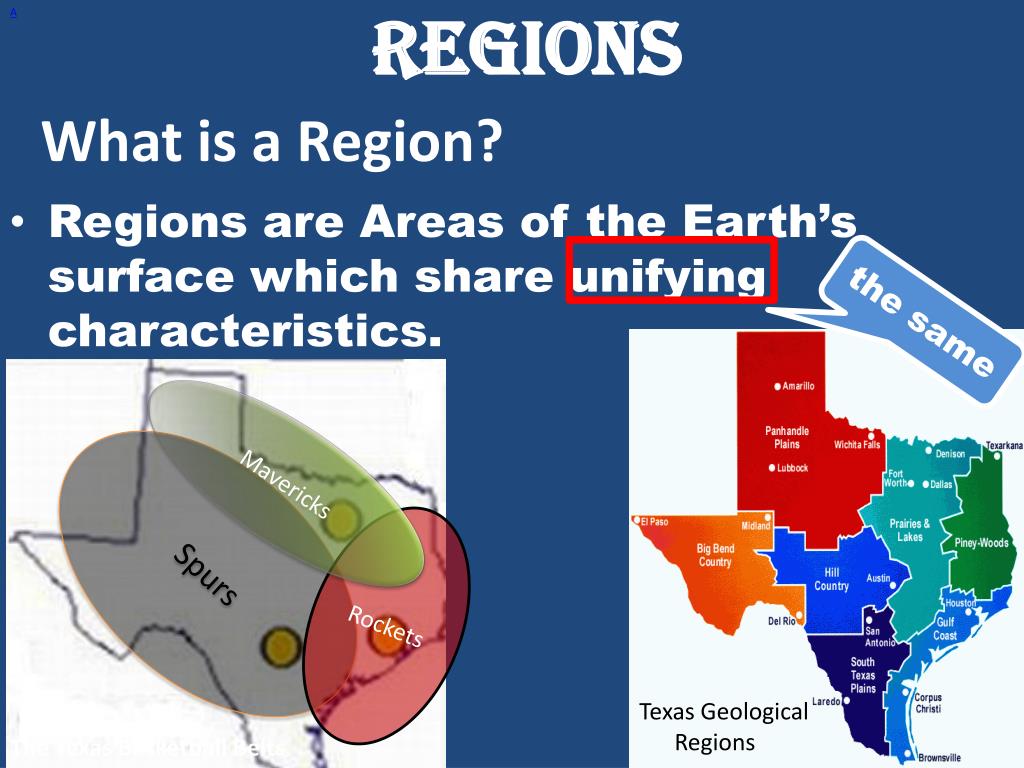
Regions are not merely lines on a map but rather foundational architectural pillars that define the operational boundaries and capabilities of modern technology infrastructure. From the high-availability promise of cloud computing and the latency advantages of CDNs to the real-time imperatives of edge computing, geographical distribution dictates how digital services perform, scale, secure data, and adhere to global regulations.
The strategic planning and implementation of regional deployments require a holistic understanding of an organization’s user base, data sensitivity, performance requirements, cost constraints, and regulatory obligations. As technology continues its relentless advance, with ever-increasing demands for speed, resilience, and data sovereignty, the art and science of leveraging regions will remain at the forefront of designing and delivering the next generation of digital experiences. For businesses and technologists alike, a profound comprehension of “what are regions” is no longer optional, but essential for success in our interconnected world.
aViewFromTheCave is a participant in the Amazon Services LLC Associates Program, an affiliate advertising program designed to provide a means for sites to earn advertising fees by advertising and linking to Amazon.com. Amazon, the Amazon logo, AmazonSupply, and the AmazonSupply logo are trademarks of Amazon.com, Inc. or its affiliates. As an Amazon Associate we earn affiliate commissions from qualifying purchases.