
In the competitive landscape of modern commerce, brands are constantly searching for ways to transcend the visual and auditory noise of the digital age. While logos, color palettes, and slogans form the bedrock of corporate identity, there is a more subtle, primal force at play in consumer behavior: the sense of smell. At the heart of this sensory revolution lies the reed diffuser—a low-tech, high-impact tool that has moved from the bathroom shelf to the executive boardroom.
To the uninitiated, a reed diffuser is a home fragrance product that uses porous sticks to disperse scented oils into the air. To a brand strategist, however, it is a persistent, passive delivery system for a company’s olfactory logo. Understanding what a reed diffuser is requires looking beyond the glass vessel and the essential oils; it requires an analysis of how scent-based brand strategy creates lasting emotional anchors in the mind of the consumer.
The Anatomy of the Reed Diffuser: A Masterclass in Passive Brand Experience
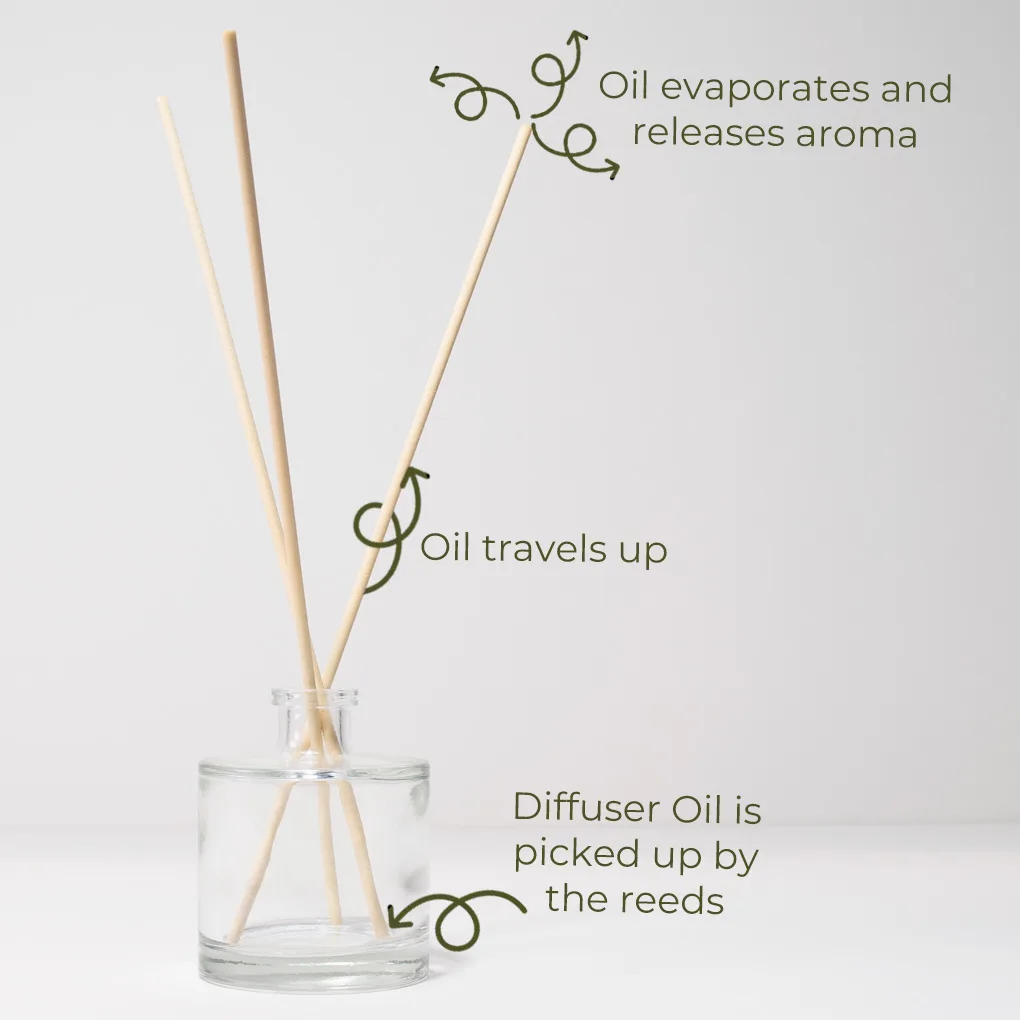
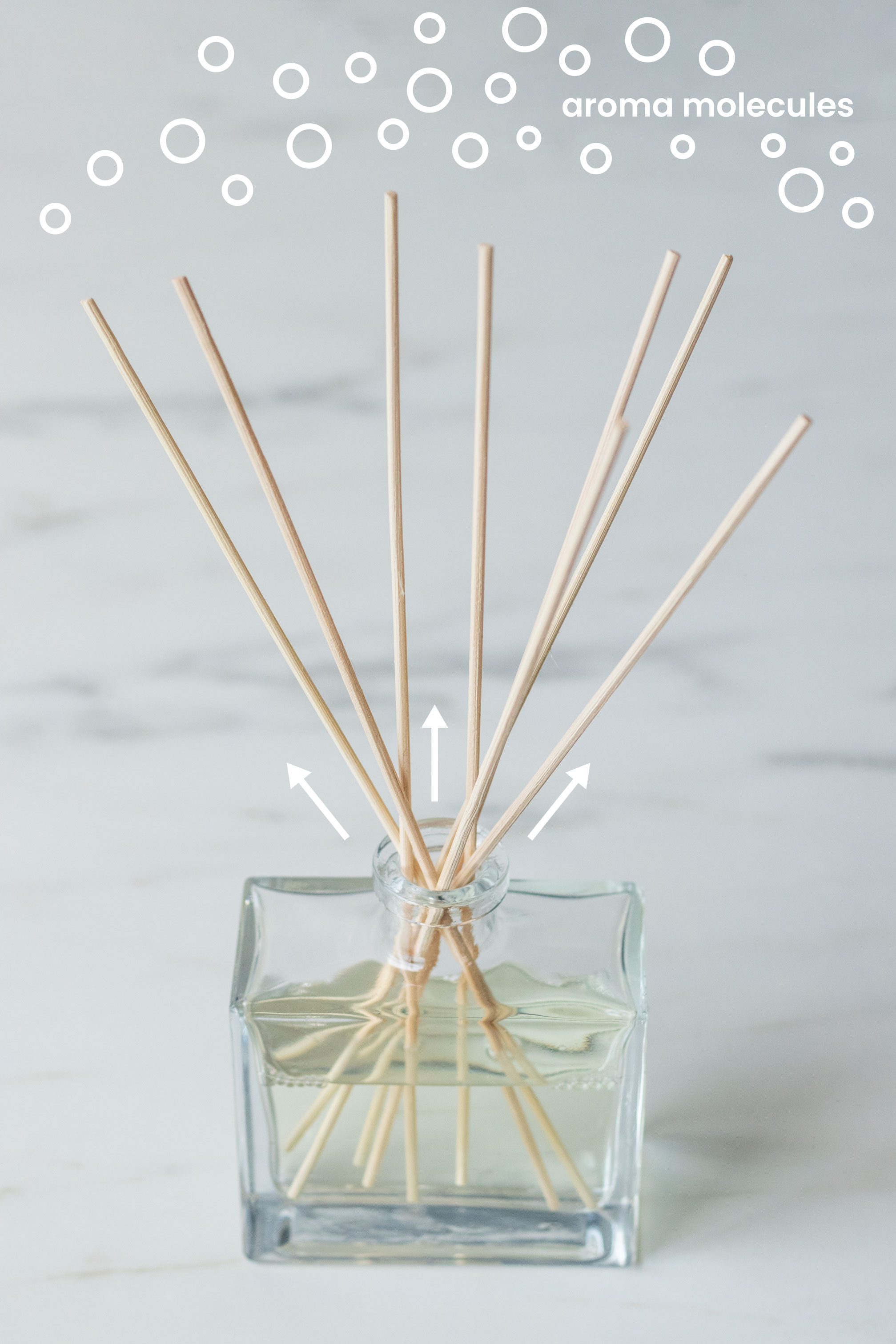
From a functional standpoint, a reed diffuser consists of three primary components: a vessel (usually glass or ceramic), a concentrated fragrance oil or solution, and a set of reeds (traditionally rattan or synthetic fiber). Unlike candles, which require heat and active monitoring, or electronic nebulizers, which require power and maintenance, the reed diffuser operates through capillary action. The oil travels up the microscopic channels of the reeds and evaporates into the air.
The Vessel as a Design Statement
In brand strategy, the physical container of a reed diffuser serves as an extension of a brand’s visual identity. A minimalist, matte black vessel communicates a different brand promise than a clear, ornate crystal bottle. For luxury brands like Diptyque or Jo Malone, the vessel is not merely a container; it is a decorative object that signals status and taste. When a boutique or hotel places a branded reed diffuser in a public space, the design of the vessel must align with the interior architecture and the brand’s overall aesthetic guidelines.
The Solution: Quality and Consistency
The liquid inside the diffuser is a blend of fragrance oils and a carrier base. From a corporate identity perspective, the consistency of this scent is paramount. If a brand’s “Signature Scent” varies between its flagship store in New York and its satellite office in London, the brand equity is diluted. Reed diffusers provide a stable, long-lasting scent profile that does not fluctuate like the “top notes” of a sprayed perfume, making them the ideal tool for maintaining a “scent-scape” over weeks or months.
The Reeds: Controlled Diffusion
The number of reeds used allows a brand to control the intensity of the olfactory experience. In a small, intimate consultation room, a brand might use only three or four reeds to provide a subtle hint of fragrance. In a sprawling lobby, a dozen reeds may be necessary. This level of control ensures that the brand presence is felt but never overwhelming—a critical balance in sophisticated brand management.
The Olfactory Anchor: Why Scent Defines Brand Identity
To understand the strategic importance of the reed diffuser, one must understand the psychology of scent. Olfactory signals are processed in the limbic system, the same part of the brain responsible for memory and emotion. This is the only sense with a direct line to the brain’s emotional center, bypassing the logical processing centers.
Creating an Emotional Connection
When a customer enters a branded space—be it a luxury automotive showroom or a high-end retail boutique—the scent delivered by a reed diffuser begins to work immediately. Unlike a billboard, which can be ignored, or a jingle, which can be tuned out, scent is unavoidable. By utilizing a reed diffuser to maintain a consistent fragrance, a brand creates an “olfactory anchor.” Over time, the consumer associates that specific scent with the feelings of luxury, comfort, or innovation that the brand aims to project.
Scent as an Invisible Logo
A “Signature Scent” is effectively an invisible logo. Just as a consumer can recognize the Apple “bite” or the Nike “swoosh” at a glance, they should be able to recognize a brand’s presence through scent. The reed diffuser is the most cost-effective and reliable way to ensure this invisible logo is “visible” 24/7. It provides a constant olfactory background that reinforces brand recognition every time a customer interacts with the physical brand environment.
Strategic Integration: How Modern Brands Leverage Reed Diffusers
Reed diffusers have become a staple in the “Sensory Marketing” playbook. Companies are no longer using fragrance just to mask odors; they are using it to influence consumer behavior, increase “dwell time” in retail spaces, and foster brand loyalty.

Hospitality and the “Welcome Home” Effect
In the hospitality industry, the first ten seconds a guest spends in a lobby are critical for brand perception. Leading hotel chains use bespoke reed diffusers to create a welcoming atmosphere that is consistent across all their properties. When a guest smells that same sandalwood and leather blend in a Tokyo lobby as they did in a Parisian one, the brand is providing a sense of familiarity and safety. This consistency is a powerful tool for customer retention.
Retail and Dwell Time
In retail, the goal is often to increase the amount of time a customer spends in the store. Research in consumer psychology has shown that pleasant ambient scents can increase dwell time by up to 20%. Reed diffusers are strategically placed near entryways and fitting rooms to create a relaxing environment that discourages “hit-and-run” shopping. By slowing down the customer’s pace, the brand increases the likelihood of a purchase and deepens the emotional engagement with the products.
Corporate Identity in the Workspace
Beyond customer-facing environments, brands are increasingly using reed diffusers in corporate offices to reinforce company culture. A scent that promotes focus and clarity (such as citrus or peppermint) can be used in collaborative zones, while a more relaxing scent (such as lavender or white tea) might be used in breakrooms. This internal branding ensures that employees are immersed in the brand’s values as much as the customers are.
Choosing the Fragrance Profile: Aligning Scent with Brand Values
Not all scents are created equal. The choice of fragrance for a reed diffuser must be a strategic decision rooted in the brand’s core values and target demographic. A mismatch between the scent and the brand identity can lead to “sensory dissonance,” which confuses the consumer and weakens the brand.
Masculine vs. Feminine Profiles
In traditional branding, woodsy, smoky, and leathery notes are often used to convey strength, heritage, and masculinity. These are common in high-end watch boutiques or private members’ clubs. Conversely, floral, powdery, and sweet notes are often associated with femininity, grace, and softness, making them ideal for beauty brands or bridal ateliers. Modern brand strategy, however, is moving toward gender-neutral, “experiential” scents that focus on feelings rather than traditional gender roles—think “Fresh Rain,” “Ozone,” or “Crisp Linen.”
The Luxury of Subtlety
For premium brands, the “What” of a reed diffuser is often defined by what it is not. It is not loud, it is not artificial, and it is not overpowering. Luxury brand strategy favors complex scent pyramids—fragrances that have distinct top, heart, and base notes. A reed diffuser that utilizes high-quality essential oils provides a depth of fragrance that cheap, synthetic air fresheners cannot replicate. This depth mirrors the complexity and quality of the brand itself.
The Economics of Brand Extension: Beyond the Ambient Scent
Perhaps the most significant evolution of the reed diffuser in the world of branding is its transition from a marketing tool to a retail product. When a brand successfully creates a “Signature Scent,” the next logical step is to allow the consumer to take that scent home.
Monetizing the Experience
Many luxury hotels and fashion houses now sell their branded reed diffusers as part of a lifestyle collection. This serves a dual purpose. First, it creates a new revenue stream with high profit margins. Second, it turns the consumer’s home into a brand touchpoint. Every time the customer catches a whiff of that diffuser in their living room, they are subtly reminded of their positive experience with the brand, reinforcing the loyalty loop.
Packaging as Brand Real Estate
When a reed diffuser is sold as a retail product, the packaging becomes a vital piece of brand real estate. The box, the typography, and the unboxing experience must all reflect the brand’s premium positioning. In this context, the reed diffuser is no longer just an air freshener; it is a piece of the brand’s soul, packaged and sold as a luxury commodity.
Conclusion: The Future of Olfactory Branding
What is a reed diffuser? It is a silent ambassador. It is a persistent reminder of quality, a catalyst for memory, and a sophisticated tool for emotional engagement. As the digital world becomes increasingly saturated, the brands that win will be those that engage the physical senses.
By strategically deploying reed diffusers, companies can create a holistic brand experience that lingers long after the customer has left the store or checked out of the hotel. In the quest for brand resonance, the reed diffuser is a small object that carries immense weight, proving that sometimes, the most powerful brand messages are the ones we can’t see, but can only breathe in.
aViewFromTheCave is a participant in the Amazon Services LLC Associates Program, an affiliate advertising program designed to provide a means for sites to earn advertising fees by advertising and linking to Amazon.com. Amazon, the Amazon logo, AmazonSupply, and the AmazonSupply logo are trademarks of Amazon.com, Inc. or its affiliates. As an Amazon Associate we earn affiliate commissions from qualifying purchases.