
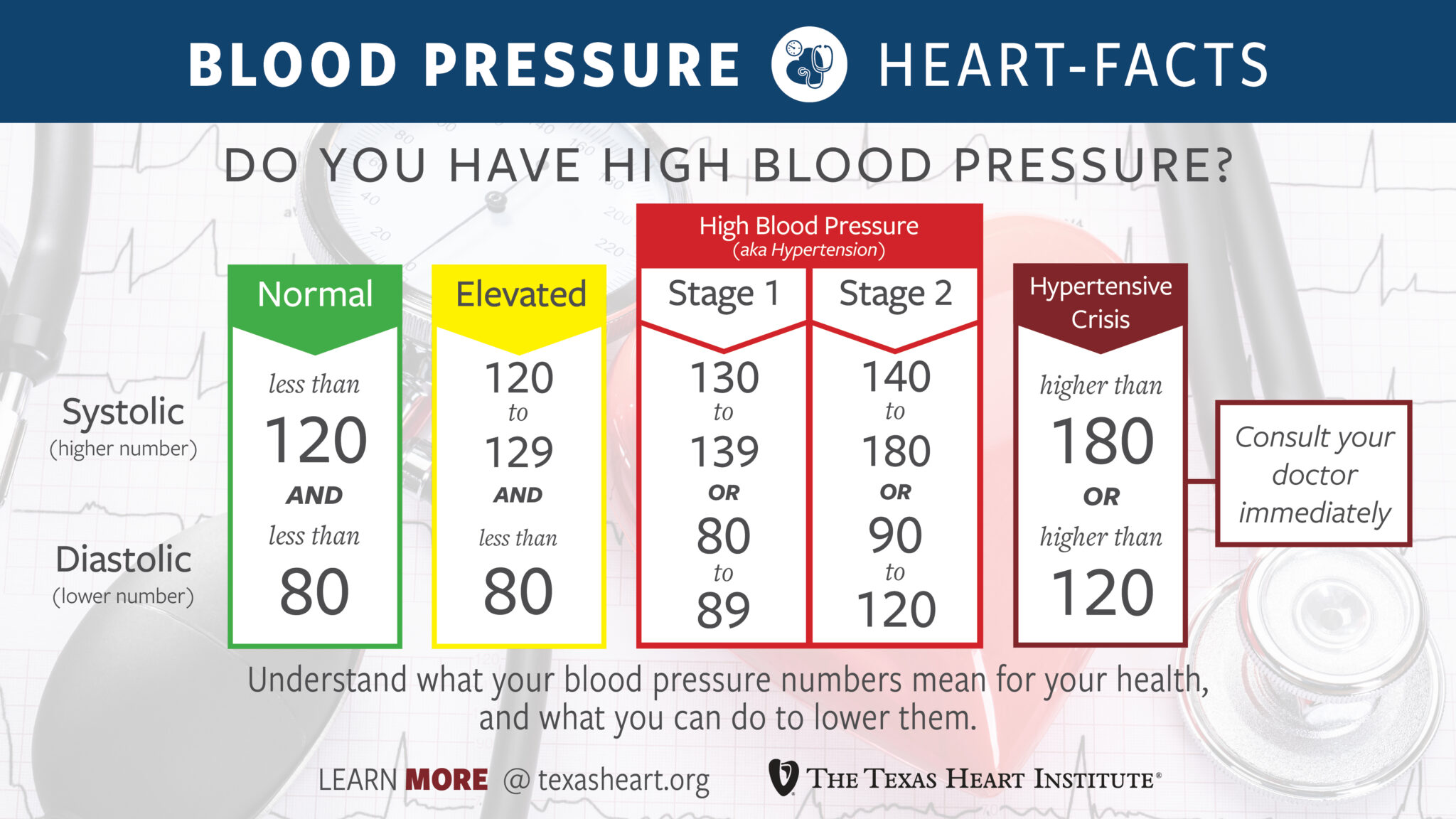
For decades, the definition of high blood pressure was confined to a static measurement taken in a clinical setting. A patient sat in a chair, a cuff was wrapped around their arm, and a mercury column or a digital display provided two numbers: systolic and diastolic. However, as we move deeper into the era of digital health, the tech industry is fundamentally redefining what “high blood pressure” really is. It is no longer just a snapshot in time; it is a complex data stream influenced by lifestyle, environment, and real-time physiological changes. Through the lens of modern technology, high blood pressure is being reimagined as a dynamic metric that requires sophisticated hardware, advanced algorithms, and cloud-based analytics to truly understand.
The Shift from Analog to Digital Diagnostics
The transition from the traditional manual sphygmomanometer to automated digital devices marked the first major technological leap in cardiovascular monitoring. While the mercury column was the gold standard for over a century, its reliance on human hearing (auscultation) introduced a significant margin for error. Today’s digital landscape has replaced the stethoscope with high-precision pressure transducers and oscillometric sensors.
The Evolution of Sensor Technology
Modern digital blood pressure monitors utilize oscillometric technology, which measures the vibration of blood flow through the arteries. As the cuff deflates, sensors detect the oscillations of the arterial wall. The “tech” in this process lies in the conversion of these physical vibrations into digital signals. High-end sensors now employ micro-electromechanical systems (MEMS) that can detect minute pressure changes with incredible accuracy. This technological shift has democratized health monitoring, moving the capability from the doctor’s office into the consumer’s home.
Algorithms vs. The Traditional Mercury Column
The “magic” of a modern digital monitor isn’t just in the hardware, but in the proprietary algorithms that interpret the data. When a device measures oscillations, it doesn’t actually “hear” the blood flow. Instead, it uses mathematical models to estimate systolic and diastolic values based on the point of maximum oscillation (the Mean Arterial Pressure). Software engineers continuously refine these algorithms to account for variables like “white coat syndrome,” where a patient’s pressure spikes due to the stress of measurement. By integrating software filters that can isolate noise from movement or irregular heartbeats, technology provides a more filtered, accurate view of what a patient’s pressure truly is.
Wearables and the Rise of Continuous Monitoring
The most significant tech trend in hypertension management is the move away from the “cuff.” While the inflatable cuff remains the clinical standard, the tech industry is obsessed with “cuffless” blood pressure monitoring. This represents a paradigm shift in how we define high blood pressure: it is moving from a discrete measurement to a continuous data flow.
Photoplethysmography (PPG) and Beyond
Most modern smartwatches and rings use Photoplethysmography (PPG)—the same green-light technology used to measure heart rate. By shining light into the skin and measuring how much is reflected back, these devices can track changes in blood volume. The tech challenge, however, is translating volume changes into pressure readings.
Engineers are now implementing Pulse Transit Time (PTT) and Pulse Wave Analysis (PWA). PTT measures the time it takes for a pulse wave to travel between two points on the body (e.g., from the heart to the wrist). High blood pressure makes arteries stiffer, causing the pulse wave to travel faster. By using high-speed sensors and complex software, wearables can now estimate blood pressure without the user ever feeling a squeeze. This “invisible” monitoring allows for a 24/7 view of cardiovascular health, revealing how blood pressure fluctuates during sleep, exercise, and high-stress meetings.
The Software Layer: Contextualizing Heart Health
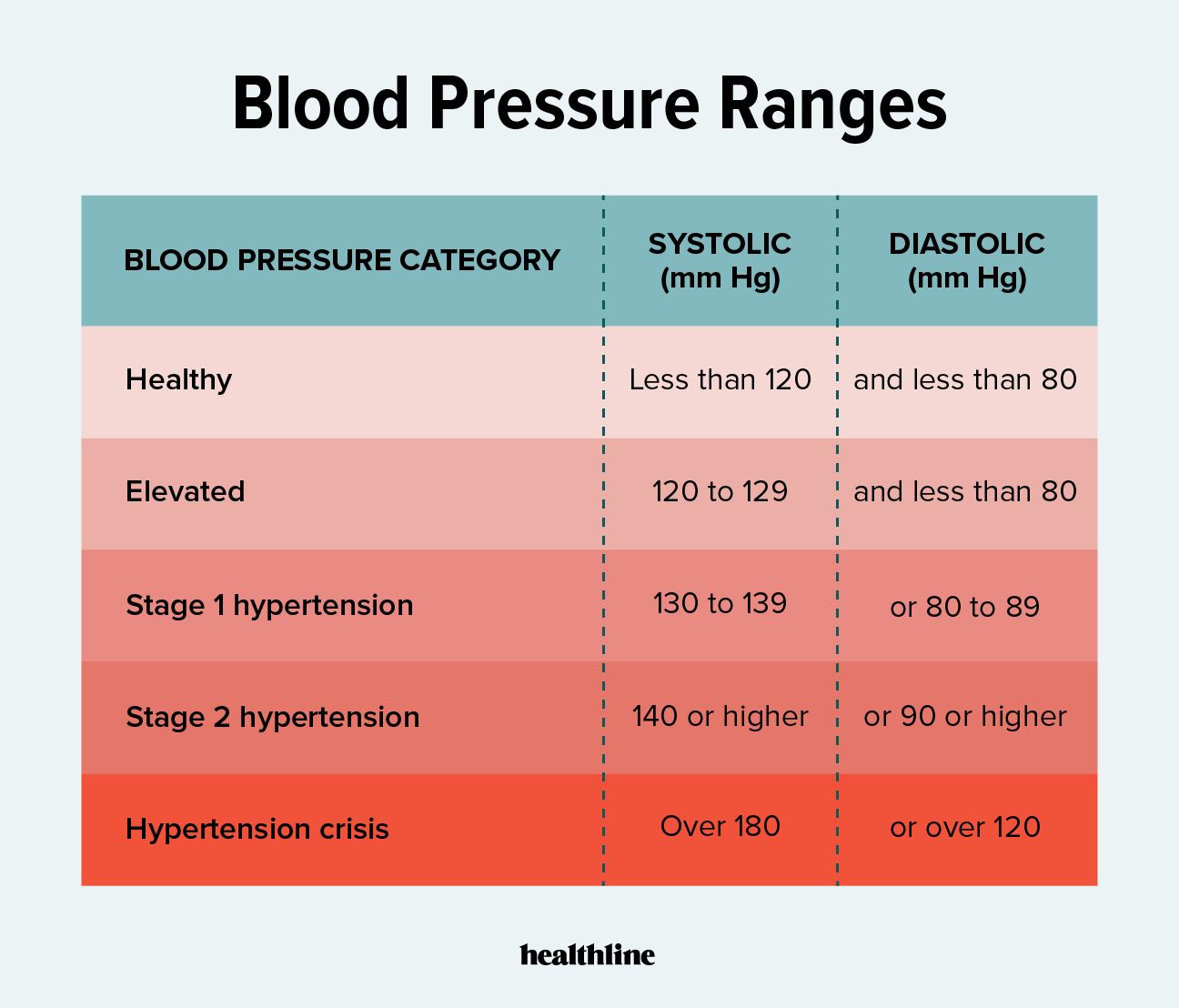
A single reading of 140/90 mmHg might be concerning in a resting state, but perfectly normal during a workout. This is where software platforms like Apple Health, Google Fit, and proprietary medical apps come into play. These platforms do not just store numbers; they contextualize them. By correlating blood pressure data with GPS data (location), accelerometer data (activity), and even calendar data (stressful events), technology helps users understand the why behind their numbers. This contextualization is what “really” defines high blood pressure in the modern age: it is a variable metric that must be viewed through the lens of a user’s digital life.
Artificial Intelligence and the Future of Predictive Health
If hardware is the body of modern blood pressure tech, Artificial Intelligence (AI) is the brain. The true potential of technology lies in its ability to move from reactive monitoring to predictive diagnostics. AI tools are currently being trained on massive datasets of millions of blood pressure readings to identify patterns that the human eye—and even traditional software—would miss.
Machine Learning in Hypertension Management
Machine learning models are now capable of performing “feature extraction” from pulse wave signals. By analyzing the shape and contour of a single heartbeat’s pressure wave, AI can detect signs of arterial stiffness or early-stage hypertension before a standard cuff reading would even flag a problem. These AI tools use neural networks to compare a user’s unique cardiovascular signature against vast databases of clinical outcomes. This shifts the definition of high blood pressure from “a number above a threshold” to “a pattern of risk.”
Digital Security and Privacy in Health Data
As blood pressure monitoring becomes a permanent fixture of our digital ecosystem, the tech industry must grapple with the security of this highly sensitive biometric data. Digital security protocols, such as end-to-end encryption and decentralized storage (blockchain), are becoming integral to health apps. Ensuring that a user’s cardiovascular history is protected from unauthorized access is a critical component of the “HealthTech” stack. For a technology to be effective, it must be trusted, and the industry is currently investing heavily in “Privacy-Preserving Machine Learning” (PPML) to analyze health trends without compromising individual identity.
The Impact of Remote Patient Monitoring (RPM) Systems
The culmination of these technological advancements is the rise of Remote Patient Monitoring (RPM). This is a specialized sector of the Internet of Things (IoT) where medical devices are connected to a provider’s clinical dashboard. In this ecosystem, “high blood pressure” is an automated alert triggered by a cloud-based logic gate.
Bridging the Gap Between Gadgets and Clinical Care
RPM technology utilizes cellular-enabled or Wi-Fi-connected monitors that automatically transmit data to a healthcare provider. There is no manual logging or “patient memory” involved. The tech infrastructure handles the transmission, normalization, and visualization of the data. For clinicians, this means they are no longer looking at a single number; they are looking at a trend line. They can see how a new medication affects a patient’s pressure within hours, rather than waiting for a follow-up appointment months away.
The Gamification and Behavioral Software
Beyond hardware, the tech industry is leveraging behavioral science through software design. Apps now use gamification, push notifications, and “nudge” theory to encourage users to manage their blood pressure. By turning health management into a series of achievable digital goals, software is helping to lower blood pressure through lifestyle modification. This represents a holistic approach where technology acts as a digital coach, using data-driven insights to foster better habits.
In conclusion, “what is really high blood pressure” is a question that technology is answering with increasing depth. It is a data point generated by sophisticated MEMS sensors, interpreted by AI-driven algorithms, contextualized by wearable ecosystems, and monitored through a global grid of IoT devices. We have moved past the era of the simple cuff and entered an era of “Precision Cardiovascular Tech,” where our devices don’t just tell us our pressure—they predict our future health. As sensors become more integrated into our clothing, our jewelry, and even our smartphones, the technology surrounding blood pressure will continue to disappear into the background, providing a constant, silent vigil over our most vital signs.
aViewFromTheCave is a participant in the Amazon Services LLC Associates Program, an affiliate advertising program designed to provide a means for sites to earn advertising fees by advertising and linking to Amazon.com. Amazon, the Amazon logo, AmazonSupply, and the AmazonSupply logo are trademarks of Amazon.com, Inc. or its affiliates. As an Amazon Associate we earn affiliate commissions from qualifying purchases.