
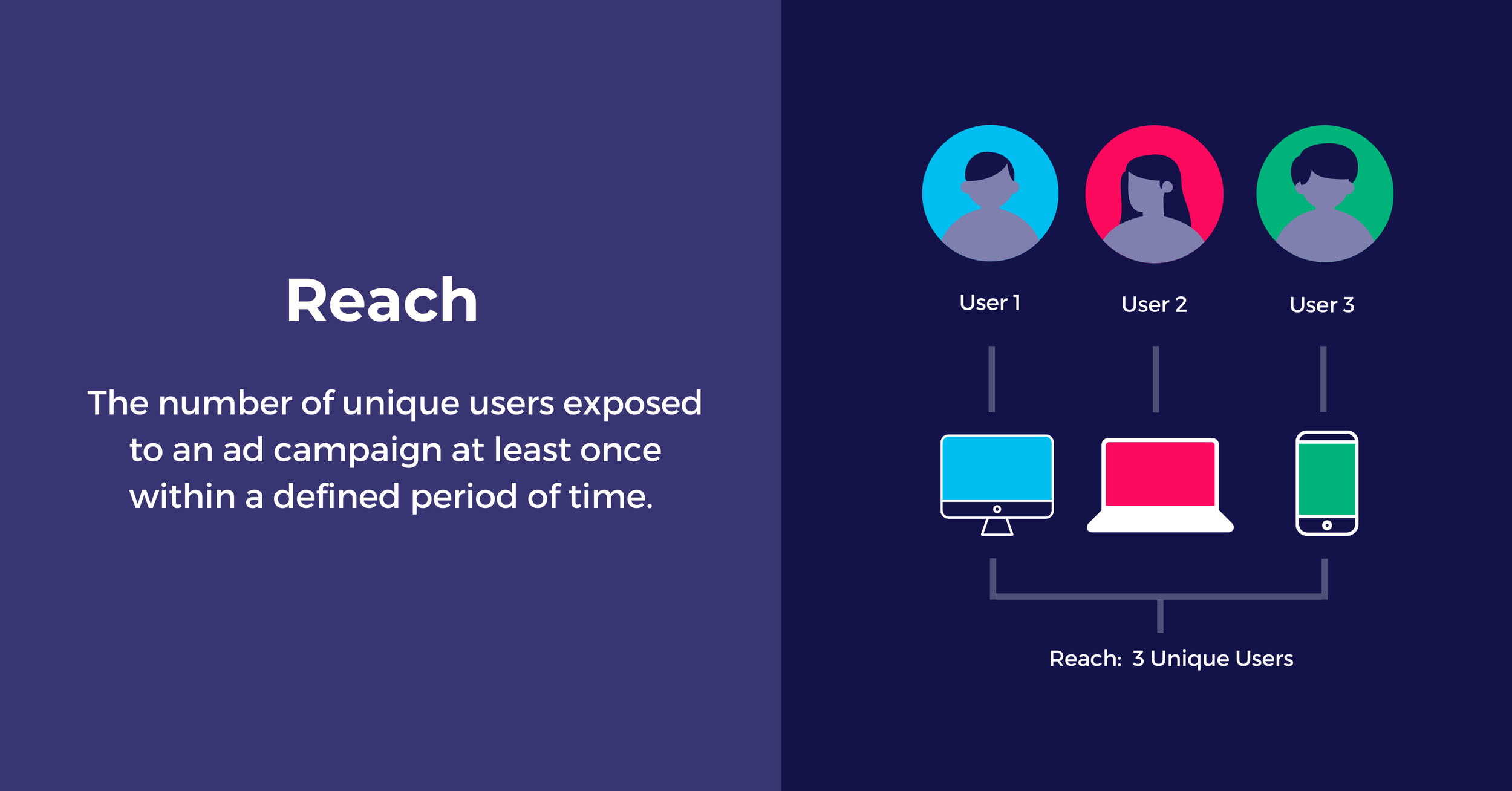
In the contemporary landscape of digital commerce and identity, the term “reach” is often tossed around in boardroom meetings and marketing strategy sessions as a primary indicator of success. However, for many brand managers and entrepreneurs, the nuance of what reach actually represents—and how it differs from other vanity metrics—can remain elusive. At its core, reach is a measure of potential; it represents the unique number of individuals who have been exposed to a specific piece of content, advertisement, or brand message during a set period.
In the realm of brand strategy, reach serves as the top of the funnel. It is the wide net cast into the vast ocean of the marketplace, intended to capture the attention of prospective customers before they ever interact with a product or service. Without reach, a brand exists in a vacuum. Understanding how to define, measure, and expand this metric is essential for any organization looking to build a sustainable corporate identity and achieve market dominance.
Defining Reach: The Core Metric of Brand Exposure
To understand reach, one must first look at it through the lens of audience psychology. Reach is not merely a number on a dashboard; it is the first touchpoint in the relationship between a brand and a human being. It answers the fundamental question: “How many people know we exist?”
Reach vs. Impressions: Clearing the Confusion
The most common point of confusion in marketing analytics is the distinction between reach and impressions. While they are related, they provide different insights into brand performance. Impressions count every time a piece of content is displayed on a screen, regardless of whether it was clicked or not. If a single user scrolls past the same advertisement five times, that counts as five impressions.
Reach, conversely, measures unique users. In the same scenario, those five impressions would result in a reach of only one. For brand strategists, reach is often the more critical metric because it prevents the data from being skewed by a small group of highly active users. It provides a realistic view of how many unique sets of eyes have encountered the brand’s visual identity and message.
Why Reach Matters for Brand Growth
In the early stages of brand building, reach is the primary driver of brand awareness. According to the “Rule of Seven” in marketing, a prospect needs to see or hear a marketing message at least seven times before they take action. However, those seven times must occur across a wide enough audience to ensure the brand is scaling.
High reach indicates that your brand is successfully penetrating its target market. It allows for a broader data set to analyze consumer behavior. When reach is high but engagement is low, it tells a brand strategist that the message is getting out there, but the creative execution or the value proposition may need refinement.
The Different Types of Reach in Modern Marketing
Not all reach is created equal. Depending on the medium and the budget, a brand may experience different forms of exposure, each carrying its own set of advantages and challenges.
Organic Reach: Building Authenticity
Organic reach refers to the number of people who see your content without any paid promotion. This is driven by platform algorithms, search engine optimization (SEO), and the inherent shareability of the content. In the world of personal branding and corporate identity, organic reach is the ultimate testament to brand health. It suggests that your content is valuable enough that platforms want to show it to people for free.
However, organic reach has seen a significant decline on major social platforms over the last decade. As these platforms have shifted toward “pay-to-play” models, brands must work harder to create high-quality, high-engagement content to maintain their organic visibility.
Paid Reach: Scaling Your Message
Paid reach is exactly what it sounds like: the audience you “buy” through advertising. Whether through Google Ads, Meta (Facebook/Instagram) sponsored posts, or influencer partnerships, paid reach allows a brand to bypass the limitations of organic algorithms and place its message directly in front of a specific demographic.
The advantage of paid reach is its predictability and scalability. If a brand knows its conversion rate, it can calculate exactly how much it needs to spend on reach to achieve its sales targets. From a brand strategy perspective, paid reach is essential for launching new products or entering new markets where the brand has no prior footprint.
Viral Reach: The Power of Social Sharing
Viral reach is a subset of organic reach, but it functions on a different scale. It occurs when your audience becomes your distribution channel. When a user shares a brand’s post, that post reaches a segment of that user’s followers who may not have been part of the brand’s original audience. This creates an exponential effect. Viral reach is highly coveted because it carries the weight of a “third-party endorsement.” People are far more likely to trust a brand recommended by a friend than one they see in a cold advertisement.
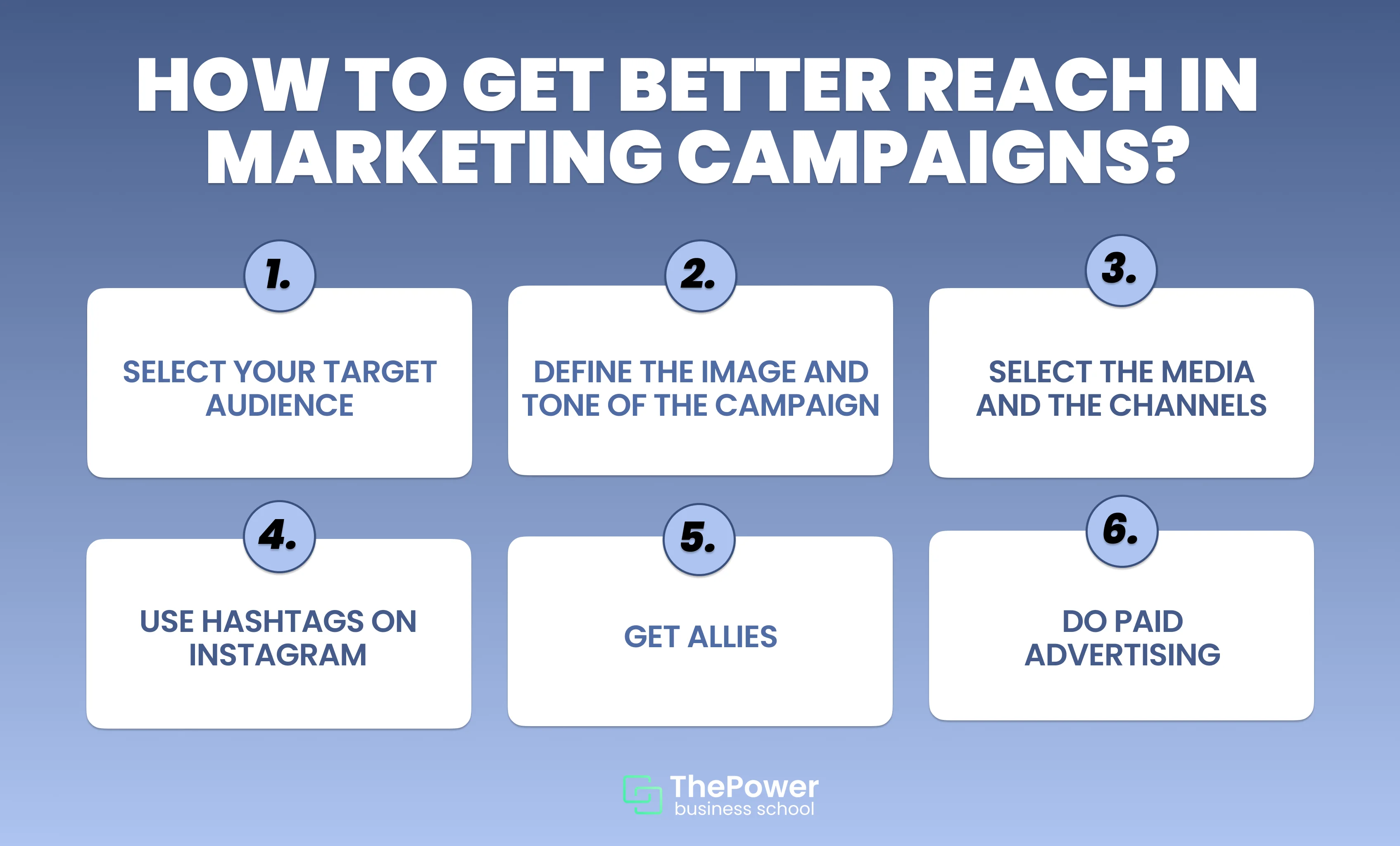
Strategic Methods to Expand Your Brand’s Reach
Expanding reach requires a multi-faceted approach that balances creative intuition with data-driven precision. It is not enough to simply post more content; the content must be strategically placed where it can do the most work.
Content Diversification and Multi-Channel Presence
A common mistake in brand management is over-relying on a single platform. To maximize reach, a brand must be “omnichannel.” This doesn’t mean being everywhere at once, but rather being everywhere your target audience spends their time.
If your brand strategy focuses on professional services, your reach may be highest on LinkedIn and through industry-specific newsletters. If you are a lifestyle brand, Instagram, TikTok, and Pinterest may be your primary drivers. By diversifying content types—using video, long-form articles, infographics, and podcasts—you increase the surface area of your brand, making it more likely for unique users to discover you.
Influencer Partnerships and Collaborative Branding
One of the fastest ways to increase reach is to tap into an existing audience. Influencer marketing is essentially the “renting” of reach. By partnering with individuals who have already built trust with your target demographic, you can bypass the slow process of building an audience from scratch.
Strategic collaborations between non-competing brands are also effective. For example, a high-end watch brand might collaborate with a luxury car manufacturer for a joint event or digital campaign. This allows both brands to “cross-pollinate” their audiences, effectively doubling their reach within a high-value segment.
Optimizing for Platform Algorithms
Every digital platform has a “gatekeeper”—an algorithm that decides who sees what. To improve reach, brand managers must understand these algorithms. Generally, platforms prioritize content that keeps users on the app longer. This means prioritizing video content (like Reels or YouTube Shorts) and encouraging “meaningful social interactions” like comments and shares. Understanding technical aspects, such as keyword optimization and the use of trending audio or hashtags, is no longer optional; it is a core component of brand visibility.
Measuring and Analyzing Reach: Tools and KPIs
Data is the heartbeat of modern marketing. Without measurement, reach is just a vanity metric. To truly understand the impact of your visibility, you must look at the quantitative and qualitative data.
Quantitative Metrics: Unique Views and Frequency
Most digital marketing tools, such as Meta Business Suite, Google Analytics, and LinkedIn Page Insights, provide direct data on reach. When analyzing these reports, it is important to look at “Frequency”—the average number of times each unique person saw your content.
The formula is: Impressions ÷ Reach = Frequency.
If your frequency is too high (e.g., above 5 or 6 for a single campaign), you may be over-saturating your audience, leading to “ad fatigue.” If it is too low, your brand might not be making a lasting impression. Balancing reach and frequency is a delicate art in brand strategy.
Qualitative Impact: Brand Awareness and Recall
Numbers only tell half the story. The qualitative side of reach involves brand recall. Did the people who saw your content actually remember your brand? This is often measured through brand lift surveys or by tracking increases in “branded search” (people typing your specific brand name into Google).
High reach is only successful if it reinforces your corporate identity. If millions of people see your content but cannot identify who produced it or what the brand stands for, the reach has been wasted. Every impression should be a brick in the wall of your brand’s reputation.

The Future of Reach in a Saturated Digital Landscape
As we look toward the future, the concept of reach is evolving. We are moving away from the era of “mass reach” and toward “targeted reach.” With the rise of AI-driven personalization and the slow phasing out of third-party cookies, the focus is shifting toward reaching the right people rather than the most people.
In a world saturated with content, the brands that win will be those that treat reach as a gateway to engagement. Reach provides the invitation, but the brand’s identity, values, and consistency provide the reason for the audience to stay. By mastering the mechanics of reach—from understanding the nuances of unique users to leveraging the power of viral sharing—brands can ensure they remain visible, relevant, and influential in an increasingly crowded marketplace. Reach is the beginning of the journey; where you take the audience from there is the essence of true brand strategy.
aViewFromTheCave is a participant in the Amazon Services LLC Associates Program, an affiliate advertising program designed to provide a means for sites to earn advertising fees by advertising and linking to Amazon.com. Amazon, the Amazon logo, AmazonSupply, and the AmazonSupply logo are trademarks of Amazon.com, Inc. or its affiliates. As an Amazon Associate we earn affiliate commissions from qualifying purchases.