
The phrase “Q1 2025” might seem like a simple reference to a period of time, but within the realms of business, finance, and economics, it represents far more than just the first three months of a new calendar year. It signifies a critical juncture for strategic planning, financial reporting, market analysis, and personal financial recalibration. For companies, investors, and individuals alike, Q1 2025 is a period charged with fresh starts, pivotal decisions, and the setting of momentum for the year ahead. Understanding its multifaceted implications is key to navigating the financial landscape with foresight and strategic intent.
This article delves into the essence of Q1 2025, dissecting its significance across business finance, investment strategies, and personal financial management. We will explore the fundamental definitions, the strategic imperatives for corporations, the dynamics investors should anticipate, and the crucial steps individuals can take to harness this period for their financial well-being. By dissecting the various dimensions of Q1 2025, we aim to provide a comprehensive guide to understanding and optimizing for this foundational quarter.
The Fundamentals of Fiscal Quarters
Before diving into the specifics of 2025, it’s essential to grasp the basic framework of fiscal quarters and their ubiquitous role in financial operations. A fiscal quarter is a three-month period used by businesses and governments for financial reporting and budgeting.
Defining Q1 and Its Standard Calendar
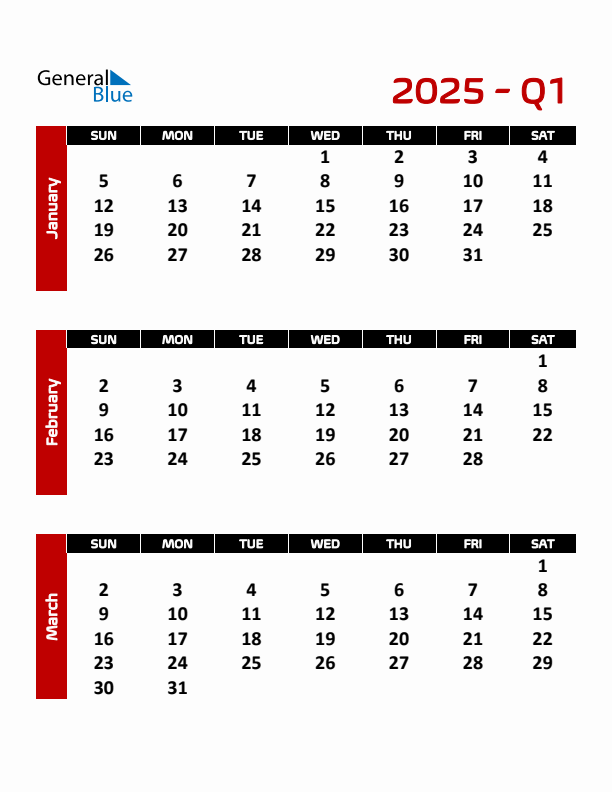
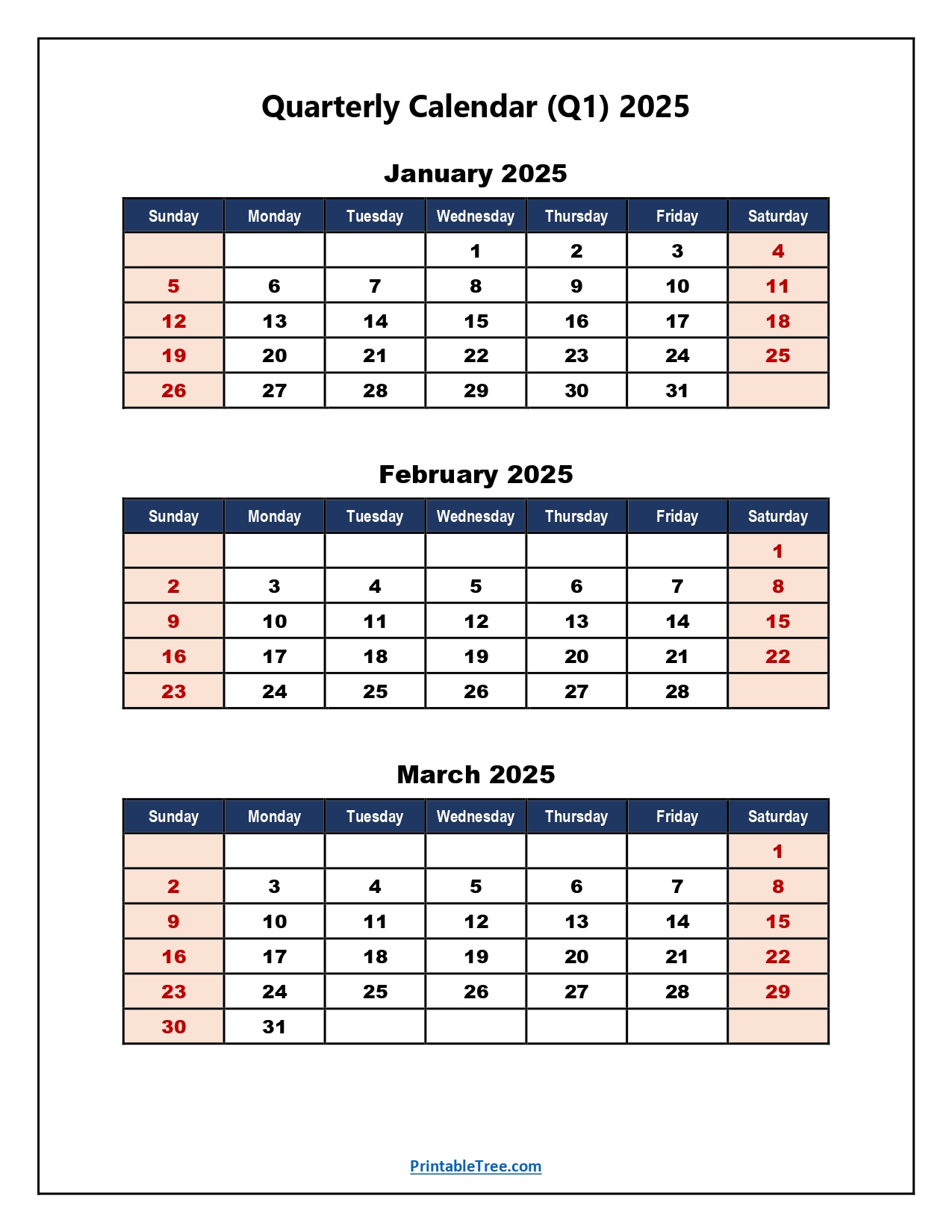
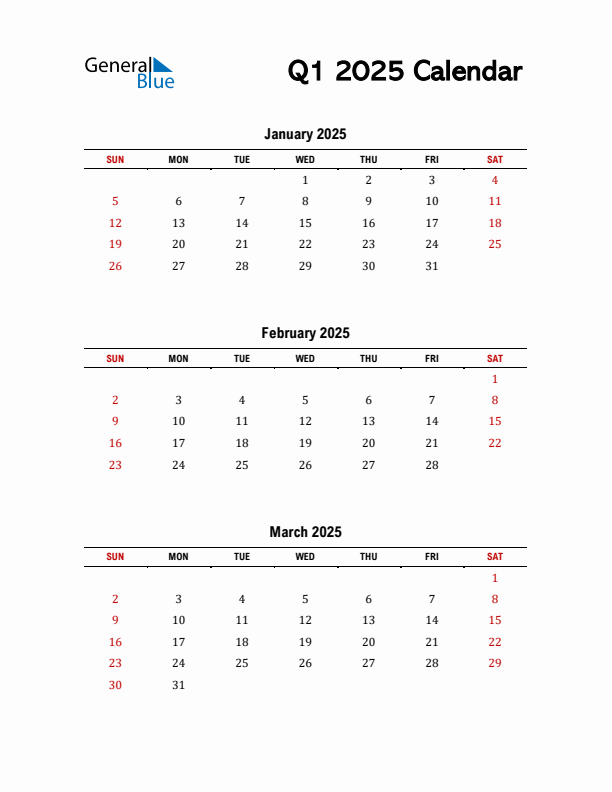
“Q1” stands for “Quarter 1,” the first reporting period of a fiscal year. For the vast majority of organizations, the fiscal year aligns with the calendar year, meaning Q1 runs from January 1st to March 31st. This standardized period facilitates comparison across industries and provides a common timeline for economic data collection and analysis. It is during this quarter that the financial tone for the remainder of the year is often set, influenced by economic trends, policy decisions, and corporate strategies.
Why Companies Use Fiscal Quarters
Companies segment their financial year into quarters primarily for two critical reasons: reporting and planning. Quarterly reports offer stakeholders — investors, analysts, and the public — regular insights into a company’s financial health, performance, and operational efficiency. This periodic disclosure of earnings, revenue, expenses, and profits allows for continuous monitoring and evaluation, fostering transparency and accountability. From a planning perspective, quarters provide manageable segments for setting goals, allocating budgets, and tracking progress against annual objectives. They enable businesses to react more nimbly to market changes and make necessary adjustments throughout the year.
Variances in Fiscal Year Starts
While a January 1st to March 31st Q1 is standard for many, it’s important to note that not all companies adhere to the calendar year for their fiscal year. Some businesses, particularly in retail or those with seasonal cycles, might choose a different fiscal year-end that better aligns with their operational peak or trough. For instance, a retailer might end its fiscal year in January, after the holiday shopping season, making their Q1 run from February to April. Regardless of the specific start date, the principle remains: Q1 always represents the first three months of that company’s financial year, serving the same vital functions of reporting and planning. Understanding this nuance is crucial when analyzing specific company financial statements.
Q1 2025 from a Business Finance Perspective
For corporations, Q1 2025 is a high-stakes period. It’s not just about turning the page on a new calendar; it’s about executing strategies that will define the year’s performance and market position.
Strategic Planning and Budgeting Kick-off
The end of the previous year typically involves intensive strategic planning sessions and budget finalization. Q1 2025 marks the official launch of these meticulously crafted plans. Department heads operationalize budgets, teams set specific objectives, and resources are allocated to priority projects. This quarter is pivotal for ensuring alignment across the organization, translating high-level corporate goals into actionable initiatives, and establishing key performance indicators (KPIs) to monitor progress. It’s a period of intense activity focused on execution and setting the operational tempo for the subsequent quarters.
Critical Reporting and Earnings Season
While Q1 2025 is about current operations, it immediately follows the Q4 2024 earnings season, which typically concludes in late January and February. During this time, companies report their full-year 2024 results and, crucially, provide their initial guidance and outlook for 2025. This guidance often includes revenue projections, profit forecasts, and capital expenditure plans for Q1 and the full year 2025. Investors and analysts keenly scrutinize these reports for insights into the company’s financial health and future prospects. The performance of Q1 2025 itself will then be reported in April and May, providing the first real-time assessment of how the new year’s strategies are unfolding.
Operational Momentum and New Initiatives
Q1 is frequently chosen for the launch of significant new initiatives. Whether it’s a new product line, an expansion into a new market, a major marketing campaign, or a hiring spree, companies often leverage the “fresh start” of the new year to introduce these endeavors. Building operational momentum early in the year can be critical for achieving annual targets. This period involves significant investment in resources, training, and marketing to ensure these new ventures gain traction and contribute to the year’s overall success.
Capital Expenditure and Investment Decisions
With new budgets in place, Q1 is also a key period for initiating capital expenditure (CapEx) projects and making significant investment decisions. This could include upgrading machinery, investing in new technology infrastructure, expanding facilities, or acquiring other businesses. These decisions, often finalized in the preceding quarters, begin their execution phase in Q1, laying the groundwork for future growth and competitive advantage. The judicious allocation of capital during this quarter can have long-lasting implications for a company’s operational efficiency and market position.
Q1 2025 for Investors: Navigating Market Dynamics
For investors, Q1 2025 offers a unique blend of opportunities and challenges. It’s a time when market sentiment recalibrates, economic forecasts are updated, and the initial performance of companies sets expectations for the year.
The Post-Holiday Market Re-evaluation
Following the holiday season and year-end portfolio adjustments, Q1 often sees a re-evaluation of market trends and individual stock performance. The “January Effect,” though debated in its consistent efficacy, traditionally refers to a tendency for small-cap stocks to outperform in January, possibly due to year-end tax-loss harvesting by investors in December. More broadly, investors reassess their strategies, look for new opportunities, and adjust portfolios based on 2024’s performance and 2025’s outlook. This period can be characterized by increased volatility as new money enters the market and investment themes for the year begin to take shape.
Economic Indicators and Policy Outlook
Q1 2025 will be crucial for the release of initial economic indicators for the new year. Data on inflation, employment, consumer spending, and manufacturing output will provide critical insights into the health of the economy. Central banks will also be closely watched for any signals regarding monetary policy, particularly interest rate decisions. The Federal Reserve, European Central Bank, and other major central banks typically hold their first policy meetings of the year in Q1, and their forward guidance will significantly influence bond markets, currency valuations, and equity investor sentiment.
Sectoral Trends and Emerging Opportunities
As the new year begins, investors will keenly observe which sectors are showing early signs of strength or weakness. Themes like technological innovation (e.g., further advancements in AI, sustainable tech), shifts in consumer behavior, geopolitical developments, and regulatory changes can create distinct opportunities or pose risks for specific industries. Q1 is often a time when analysts update their sector outlooks, and investors might reallocate capital towards areas expected to outperform, such as renewable energy, cloud computing, or specific healthcare innovations, based on initial data and projected trends for 2025.
Preparing for Q1 Earnings Reports
While most Q1 company earnings reports won’t be released until April, the quarter itself is crucial for anticipating those results. Investors will be monitoring company news, industry trends, and macroeconomic data to form expectations. Companies often provide preliminary updates or revised guidance during investor conferences held in Q1, which can influence stock prices. Smart investors use this period to conduct thorough research, evaluate their holdings, and position their portfolios ahead of the earnings season, looking for companies that are likely to beat expectations or provide strong forward guidance.
Personal Finance in Q1 2025: Setting the Financial Tone for the Year
For individuals, Q1 2025 is an opportune time to reassess, plan, and establish healthy financial habits that can pay dividends throughout the entire year. It’s a period of reflection and resolution.
Post-Holiday Financial Recovery and Goal Setting
Many individuals emerge from the holiday season with increased debt or depleted savings. Q1 provides the ideal opportunity for a financial reset. This involves reviewing December’s spending, creating a realistic budget for the new year, and prioritizing debt repayment. Furthermore, it’s the perfect time to set clear, achievable financial goals for 2025, whether it’s saving for a down payment, paying off a credit card, increasing emergency savings, or planning for a major purchase. The fresh start of a new year provides psychological momentum for adherence to these new plans.
Tax Planning and Documentation
The first quarter is inextricably linked with tax season. While filing deadlines are typically in April, Q1 is the time to gather all necessary financial documents from the previous year (W-2s, 1099s, receipts for deductions). It’s also an excellent time to consult with a tax professional, understand any new tax laws for the upcoming year, and strategize for tax efficiency in 2025. Proactive tax planning can identify opportunities for deductions, credits, or adjustments to withholding, ensuring a smoother tax season and potentially maximizing refunds or minimizing liabilities.
Reviewing Investment Portfolios and Retirement Plans
Q1 is an excellent time for individuals to review their personal investment portfolios and retirement accounts. This includes checking asset allocation to ensure it still aligns with risk tolerance and financial goals, rebalancing if necessary, and contributing to IRAs or 401(k)s. Many contribution limits reset at the beginning of the year, making Q1 a strategic period to front-load contributions and take advantage of dollar-cost averaging over the year. It’s also a good time to review estate planning documents, insurance coverage, and beneficiaries.
New Year, New Financial Habits
Beyond specific tasks, Q1 offers the best psychological window to adopt new, beneficial financial habits. This could mean automating savings transfers, tracking spending more diligently, setting up a budget review schedule, or dedicating time to financial education. Leveraging the motivation of a new year can make these habits stick, laying a strong foundation for long-term financial health and resilience.
Anticipating Key Economic and Market Influences in Q1 2025
The start of any new year is always influenced by a complex interplay of global and domestic factors. Q1 2025 will be no exception, with several key areas likely to shape the financial landscape.
Geopolitical Landscape and Global Trade
Geopolitical events can significantly impact global markets and trade. Any developments in major international conflicts, trade negotiations, or shifts in alliances could affect commodity prices, supply chains, and investor confidence. Q1 will see the initial reactions and strategic adjustments to the previous year’s geopolitical developments and the emergence of new flashpoints or diplomatic efforts that could shape the global economic outlook. Businesses will be reviewing their supply chain resilience, and investors will be assessing country-specific risks and opportunities.
Monetary Policy and Interest Rate Projections
The actions and communications of central banks will be paramount. Q1 2025 will offer the first concrete indications of how central banks, particularly the U.S. Federal Reserve, plan to steer monetary policy for the year. Decisions regarding interest rates, quantitative easing/tightening, and inflation targets will have profound implications for borrowing costs, corporate profitability, and asset valuations across all financial markets. Investors will scrutinize every word for clues about the pace and direction of future policy moves.
Inflationary Pressures and Consumer Spending Trends
Whether inflationary pressures subside, persist, or re-emerge will be a dominant theme. Q1 data on consumer price indices, producer prices, and wage growth will provide critical insights. These figures will directly influence central bank decisions and impact corporate profit margins and consumer purchasing power. Coupled with this, consumer spending trends, which typically see a post-holiday dip, will be closely monitored for signs of underlying economic strength or weakness as discretionary spending patterns solidify for the new year.
Technological Advancements and Their Economic Ripple Effects
While “Tech” is a separate category, the economic ripple effects of technological advancements are firmly within the “Money” domain. Breakthroughs in artificial intelligence, biotechnology, automation, and green technologies will continue to influence productivity, industry structures, and job markets. In Q1 2025, businesses will be assessing where to strategically invest in these technologies, while investors will be looking for companies best positioned to capitalize on these shifts. The integration of these innovations can lead to efficiencies, new revenue streams, and disrupt traditional business models, creating both opportunities and challenges across the economy.
Conclusion
Q1 2025 is far more than just the opening chapter of a new calendar year; it is a foundational period that sets the stage for the subsequent eleven months. For businesses, it is a period of intense strategic execution and critical reporting. For investors, it’s a time of market re-evaluation, economic indicator assessment, and portfolio recalibration. And for individuals, it presents a golden opportunity for financial planning, goal setting, and establishing habits that foster long-term prosperity.
By understanding the distinct financial implications and opportunities of Q1 2025, all stakeholders can approach this quarter with greater intentionality and preparedness. Proactive engagement with its dynamics—whether through diligent business planning, informed investment decisions, or disciplined personal finance management—is crucial for navigating the evolving financial landscape and achieving desired outcomes throughout the year. As the world moves into 2025, the first quarter will undeniably serve as a barometer for the economic and financial trajectory that lies ahead.
aViewFromTheCave is a participant in the Amazon Services LLC Associates Program, an affiliate advertising program designed to provide a means for sites to earn advertising fees by advertising and linking to Amazon.com. Amazon, the Amazon logo, AmazonSupply, and the AmazonSupply logo are trademarks of Amazon.com, Inc. or its affiliates. As an Amazon Associate we earn affiliate commissions from qualifying purchases.