
When a consumer asks, “What is Pyrex made of?” they are usually seeking a scientific answer about thermal shock resistance and borosilicate glass. However, from the perspective of corporate identity and market positioning, the answer is far more complex. To a brand strategist, Pyrex is not just a material; it is a masterclass in brand evolution, trademark licensing, and the management of consumer perception over a century of shifting manufacturing standards.
The story of what Pyrex is “made of” is actually the story of two different materials, two different logos, and a high-stakes transition in brand equity. It is a narrative of how a brand became so synonymous with a category that its name outlived its original chemical composition.
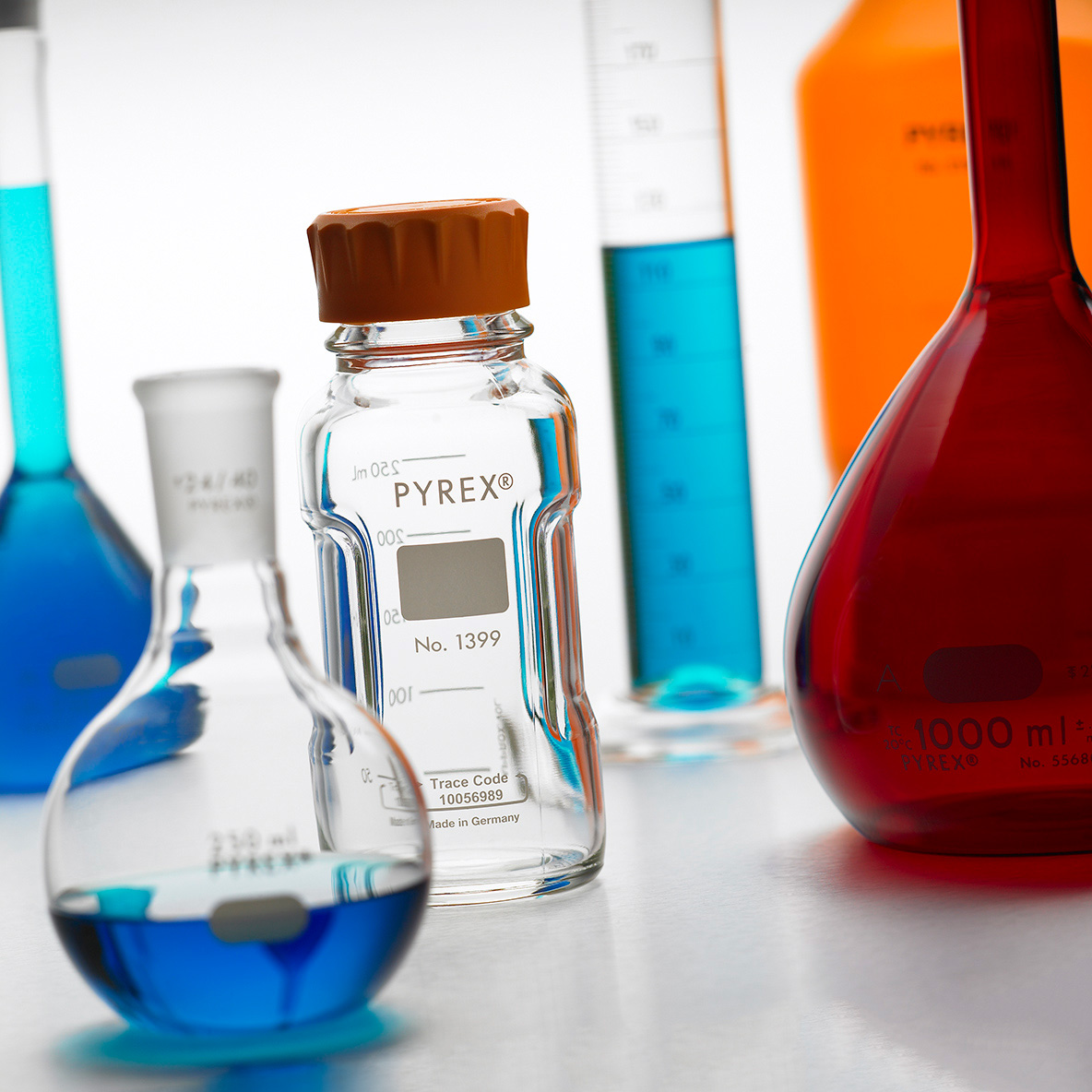
The Evolution of a Trademark: From Laboratory Glass to Kitchen Staple
The origins of Pyrex represent one of the most successful pivots in branding history. Originally developed by Corning Glass Works in the early 20th century, the material was intended for industrial use—specifically for lantern globes and battery jars that needed to withstand extreme temperature fluctuations.
The Corning Origins
In 1913, Bessie Littleton, the wife of a Corning scientist, used a sawed-off battery jar to bake a sponge cake. The success of this experiment revealed a massive untapped market: the American kitchen. Corning recognized that their industrial “Nonex” glass (a low-expansion borosilicate glass) could be rebranded for the domestic sphere. By 1915, they launched “Pyrex.” The name itself was a strategic branding choice, likely derived from “pie” and “ex,” or the Greek “pyra” (fire), designed to evoke a sense of reliability and heat resistance.
Strategic Diversification into the Home
For the first several decades, Pyrex was defined by its borosilicate composition. This was the brand’s “moat.” By offering a product that could go from the icebox to the oven without shattering, Corning built a brand identity centered on safety and durability. This technical superiority allowed them to command a premium price, positioning Pyrex as the gold standard of American cookware. The branding wasn’t just about the product; it was about the peace of mind offered to the modernizing housewife.
The Great Material Divide: Borosilicate vs. Soda-Lime
The most significant chapter in the Pyrex brand story occurred when the brand’s physical composition began to diverge from its historical identity. This is where “what Pyrex is made of” becomes a lesson in managing consumer expectations during a strategic shift in manufacturing.
The “PYREX” vs. “pyrex” Branding Nuance
In the world of brand enthusiasts and collectors, there is a famous distinction: uppercase “PYREX” versus lowercase “pyrex.” Historically, the uppercase logo was associated with the original borosilicate glass produced by Corning. As the brand evolved and was eventually licensed out, the lowercase logo became the identifier for a new material: tempered soda-lime glass.
From a brand strategy perspective, this was a subtle way to differentiate product lines without confusing the average shopper. Soda-lime glass is more resistant to physical impact (dropping it on a floor) but less resistant to thermal shock (rapid temperature changes) compared to borosilicate. The brand had to navigate this trade-off: do you stick with the expensive, “pure” material of the past, or do you move toward a more cost-effective, impact-resistant material that fits a mass-market retail model?
Managing Consumer Perception through Material Change
By the late 1990s, the manufacturing of Pyrex in the United States (under World Kitchen, now Instant Brands) transitioned almost entirely to tempered soda-lime glass. This move was a strategic business decision aimed at lowering production costs and increasing the durability of the glass against breakage during shipping and everyday handling.
However, this created a “brand-product gap.” Because the name “Pyrex” was so strongly linked to borosilicate glass in the public consciousness, many consumers continued to treat the new soda-lime products as if they were borosilicate. This led to a series of PR challenges regarding “shattering” incidents. The brand had to work overtime to educate consumers on the nuances of “tempered” glass, showing that even when the material changes, the brand’s commitment to safety standards remains—even if the chemical formula does not.
Brand Licensing and the Modern Corporate Identity
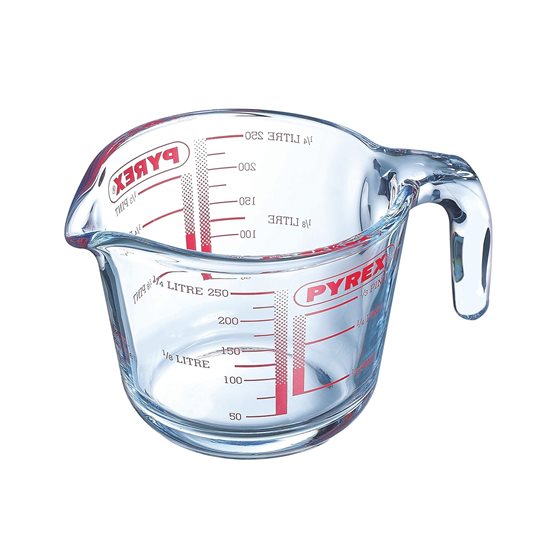
The question of what Pyrex is made of also depends on where in the world you buy it. This highlights the complexities of global brand licensing and how corporate identity is fractured across borders.
The World Kitchen and Instant Brands Transition
In 1998, Corning sold its consumer products division to Borden, which eventually became World Kitchen (and later Instant Brands). This was a pivotal moment for the brand’s identity. The new entity owned the rights to the Pyrex name for kitchenware in the Americas and Asia, but the manufacturing processes were overhauled.
The brand was no longer tethered to a single factory or a single material. It became a “lifestyle brand” under the umbrella of a larger corporate entity. The strategy shifted from being a niche laboratory-glass manufacturer to a dominant player in the “big box” retail space, competing on volume and visibility in stores like Target and Walmart.
The Risks of Brand Extension and Licensing
Interestingly, the European rights to the Pyrex brand were handled differently. In Europe, the Middle East, and Africa, the brand is licensed to International Cookware (now La Maison de l’Innovation). Unlike their American counterparts, the European manufacturers largely stuck with borosilicate glass.
This creates a fascinating case study in brand fragmentation. A consumer in London is buying a Pyrex dish made of borosilicate glass, while a consumer in New York is buying a Pyrex dish made of tempered soda-lime glass. For a global brand strategist, this is a nightmare of consistency but a necessity of regional supply chains. It demonstrates that a brand is often more about the logo on the bottom of the dish than the molecules inside the glass.
The Cultural Capital of Vintage Pyrex: Branding Beyond the Product
The enduring legacy of Pyrex isn’t just found in modern kitchens; it is thriving in the secondary market. The brand has achieved a level of “cult status” that most household products never reach.
Design as a Brand Moat
In the mid-20th century, Pyrex introduced opal glass (a white, opaque glass-ceramic) with vibrant, screen-printed patterns like “Gooseberry,” “Butterprint,” and “Friendship.” This was a brilliant marketing move. By adding design and color, Pyrex moved from being a functional tool to a collectible decorative item.
What the glass was made of (in this case, opal glass) became secondary to what the glass represented: Americana, mid-century modern aesthetics, and family heritage. This era of branding created an emotional “hook” that still drives the brand’s value today.
The Resale Market and Brand Longevity
Today, vintage Pyrex can sell for thousands of dollars on platforms like eBay and Etsy. This secondary market provides the brand with “free” marketing and reinforces the perception of durability. When a consumer sees a 60-year-old Pyrex bowl in a thrift store that still looks brand new, it bolsters the equity of the modern brand, regardless of whether the modern manufacturing process is the same. This “legacy equity” is a powerful asset that allows the brand to survive even during corporate restructuring or bankruptcy filings, such as those seen with Instant Brands in 2023.

Conclusion: Lessons in Sustaining a Century-Old Brand
So, what is Pyrex made of? On a molecular level, it is either borosilicate or tempered soda-lime glass. But on a brand level, Pyrex is made of trust, history, and strategic adaptation.
The brand has successfully navigated the treacherous transition from a high-cost technical product to a mass-market household staple. It has managed to maintain its status as a “household name” despite changes in ownership, changes in material composition, and the rise of digital-first competitors.
For modern marketers and brand strategists, Pyrex offers three vital lessons:
- Brand identity can outlive product specifications: If you build enough trust, consumers will follow the brand even through significant material changes.
- Typography and Logo management are key: Subtle changes in branding (like the PYREX vs. pyrex distinction) can serve as vital, if quiet, markers of product evolution.
- Emotional connection creates longevity: By intersecting function with design (as seen in the vintage patterns), a brand can move from a “utility” to a “legacy.”
Ultimately, Pyrex remains a powerhouse because it is made of more than just glass; it is made of the memories of Sunday dinners and the reliability of a century of engineering—distilled into a single, recognizable name.
aViewFromTheCave is a participant in the Amazon Services LLC Associates Program, an affiliate advertising program designed to provide a means for sites to earn advertising fees by advertising and linking to Amazon.com. Amazon, the Amazon logo, AmazonSupply, and the AmazonSupply logo are trademarks of Amazon.com, Inc. or its affiliates. As an Amazon Associate we earn affiliate commissions from qualifying purchases.