
Shanghai Pudong: A Gateway Valued in Billions
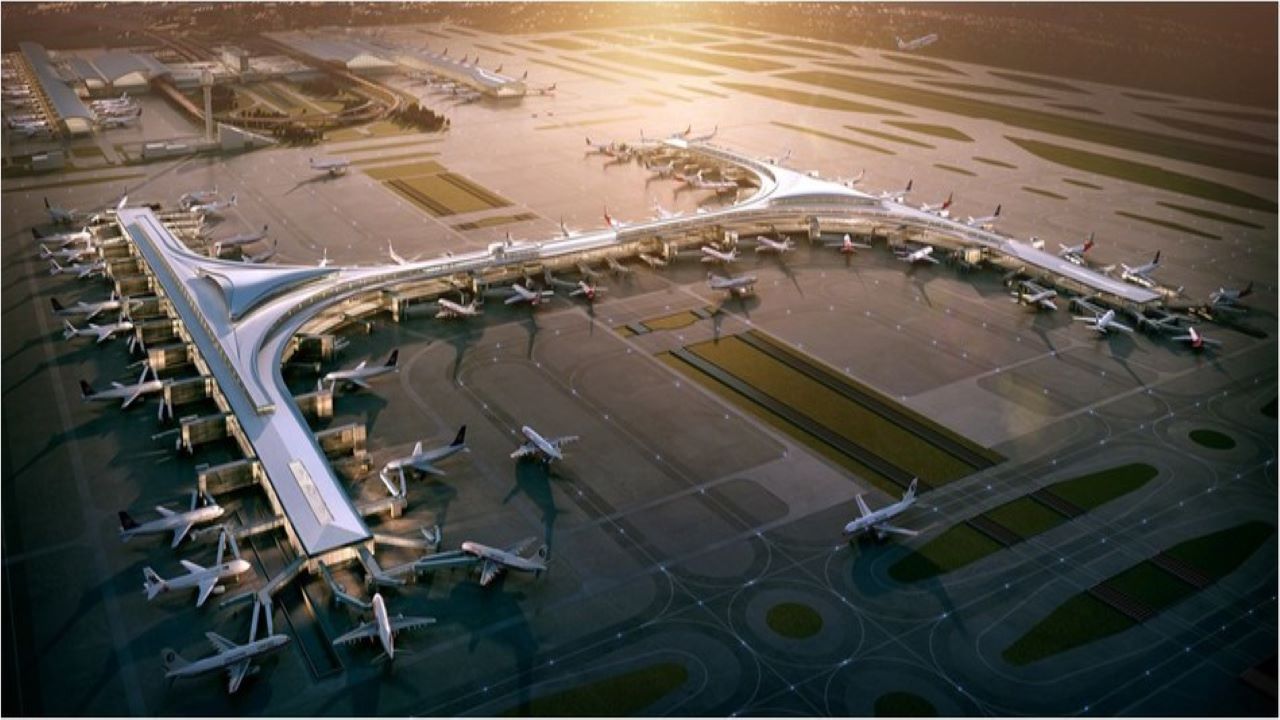
Shanghai Pudong International Airport (PVG) is far more than just a transportation hub; it stands as a monumental financial asset and a critical economic engine in the global landscape. Located in the eastern part of Pudong, Shanghai, PVG represents a multi-billion dollar investment in infrastructure, a complex business entity, and a powerful catalyst for regional and national economic growth. Understanding “what is PVG airport” from a financial perspective reveals a sophisticated operation driven by massive capital outlays, diverse revenue streams, and a profound ripple effect on trade, tourism, and employment.
Strategic Asset in Global Trade & Investment
PVG’s strategic location positions it as China’s primary gateway to international air traffic and a crucial node in global supply chains. Its existence facilitates an immense volume of cargo and passenger traffic, underpinning Shanghai’s status as a leading global financial and commercial center. For investors, PVG represents a stable, long-term infrastructure play, often backed by state or provincial governments, making it an attractive proposition for those seeking predictable returns from essential services. The airport’s operational efficiency and capacity directly influence the velocity and cost of international business, making it an invaluable national asset whose financial health is intertwined with broader economic indicators.
Deconstructing the Airport Business Model: PVG’s Financial Operations
The financial architecture of an international airport like PVG is intricate, relying on a sophisticated blend of aeronautical and non-aeronautical revenue streams to cover vast operating expenses and service significant capital investments. The ability to diversify income away from volatile airline-dependent charges is key to its financial resilience.
Aeronautical Revenue: The Core Income Stream
Aeronautical revenues form the foundational layer of PVG’s financial model, stemming directly from aircraft movements and passenger throughput. These include:
- Landing and Parking Fees: Airlines pay substantial fees for the privilege of landing their aircraft on PVG’s runways and utilizing its parking bays. These charges are typically determined by aircraft weight, type, and frequency of operations.
- Passenger Service Charges: Often incorporated into ticket prices, these fees are levied per departing passenger to help cover the costs of terminal infrastructure, security, and passenger processing services.
- Air Traffic Control (ATC) Fees: While sometimes managed by separate entities, airports typically receive a share or facilitate payments for air traffic control services that guide aircraft within their airspace.
- Fuel Concessions/Royalties: Airports can generate revenue through agreements with fuel suppliers operating on-site, receiving a percentage of sales or fixed concession fees.
These charges are critical for covering the fundamental operational costs of runways, taxiways, air traffic management, and essential ground services, but they are also subject to negotiation with airlines and regulatory oversight, requiring a delicate balance to remain competitive while ensuring profitability.
Non-Aeronautical Revenue: Diversification and Profit Centers
To mitigate reliance on the cyclical and often competitive airline industry, PVG, like other major international airports, has aggressively diversified into non-aeronautical revenue streams. These high-margin activities are crucial for profitability and financial stability. They include:
- Retail and Duty-Free Concessions: This is a major earner, with lucrative contracts granted to duty-free shops, luxury boutiques, electronics stores, and souvenir vendors. The high volume of international passengers, especially those with disposable income, makes these concessions incredibly valuable.
- Food and Beverage (F&B): Restaurants, cafes, and bars within the terminal buildings pay rent and/or a percentage of their sales to the airport operator.
- Car Parking and Ground Transportation: Revenue from short-term and long-term parking facilities, rental car agencies, and taxi/ride-share pick-up fees contributes significantly.
- Advertising: Prime advertising spaces throughout the terminals, both static and digital, are leased to various brands.
- Real Estate Development: Airports often own vast tracts of land, which can be developed for hotels, logistics parks, office complexes, or even exhibition centers, generating significant rental income and capital appreciation.
- Cargo & Logistics Services: Beyond direct cargo handling fees, PVG can derive income from warehousing, customs brokerage services, and specialized logistics facilities within its cargo zones.
- Utility & Services Provision: In some cases, airports might charge for utilities like electricity, water, and waste management services provided to on-site tenants.
The strategic management of these non-aeronautical businesses requires keen market insight, strong negotiation skills, and a commitment to enhancing the passenger experience, as satisfied customers are more likely to spend.
The Capital Cost and Investment Landscape
Developing and maintaining an airport of PVG’s scale is an undertaking of monumental financial proportions, requiring continuous, multi-billion dollar investments in infrastructure and technology.
Financing Megastructures: Public and Private Capital

The initial construction of PVG, and its subsequent expansions, have been financed through a combination of public and private capital. Government entities, often at the municipal or provincial level, typically provide foundational funding and guarantees, recognizing the airport’s strategic importance. This public investment is often complemented by:
- Bonds: Issuing municipal or revenue bonds is a common method for raising large sums of capital, with repayment often secured by future airport revenues.
- Bank Loans: Syndicated loans from commercial banks provide another substantial source of financing.
- Public-Private Partnerships (PPPs): In some instances, private investors or consortia might participate in specific projects (e.g., a new terminal, a cargo facility) in exchange for a share of future revenues or operational control for a defined period.
- Retained Earnings: A portion of the airport’s profits is often reinvested directly into maintenance and expansion projects.
The sheer scale of these projects necessitates long-term financial planning, robust risk assessment, and meticulous project management to ensure costs remain within budget and returns are realized over decades.
Ongoing Expansion and Maintenance Investments
An airport like PVG is never truly “finished.” Continuous investment is required for:
- Capacity Expansion: As air travel grows, new runways, terminals, gates, and parking facilities are periodically added, demanding significant capital.
- Technology Upgrades: Investing in cutting-edge air traffic control systems, advanced security screening, baggage handling technology, and passenger facilitation tools is essential for efficiency and competitiveness.
- Maintenance and Refurbishment: Runways need resurfacing, terminals require periodic renovation, and mechanical systems must be regularly maintained or replaced to ensure safety and operational reliability.
- Environmental Initiatives: Investments in sustainable infrastructure, noise reduction technologies, and energy-efficient systems are increasingly crucial, both for regulatory compliance and corporate social responsibility.
These ongoing investments ensure PVG remains a world-class facility, capable of handling future demands and maintaining its competitive edge, thus safeguarding the initial financial outlay and attracting future capital.
PVG’s Broader Economic Multiplier Effect
Beyond its direct financial operations, PVG exerts a profound economic multiplier effect, generating wealth and opportunities far beyond its perimeter fence. This broader economic contribution is a key justification for the substantial public investment it receives.
Direct and Indirect Economic Contributions
- Direct Employment: PVG is a massive employer, directly hiring thousands of people for airport operations, security, maintenance, and administrative roles. This also extends to employees of airlines, retail concessionaires, ground handlers, and logistics companies operating on-site.
- Indirect Employment: The existence of PVG indirectly supports jobs in related industries such as tourism (hotels, restaurants, tour operators), manufacturing (aircraft parts, airport equipment), construction, and financial services that cater to airport businesses.
- Supplier Network: The airport generates significant demand for goods and services from countless suppliers, ranging from cleaning companies and catering firms to IT providers and engineering consultancies, injecting capital into numerous local and national businesses.
Impact on Regional GDP and Job Market
PVG’s operational output and the economic activity it facilitates contribute substantially to Shanghai’s and China’s Gross Domestic Product (GDP). By enabling international trade, it helps businesses access global markets for imports and exports, reducing lead times and costs. For example, high-value, time-sensitive cargo relies heavily on air freight, making PVG an indispensable component of China’s export-oriented economy. Moreover, the millions of tourists and business travelers passing through PVG inject significant foreign currency into the local economy, boosting hospitality, retail, and cultural sectors, and creating a vibrant job market across various skill levels.
Future Financial Trajectories and Challenges
Like any major business entity, PVG faces a dynamic financial future marked by both opportunities and challenges. Sustaining its economic importance requires continuous adaptation and strategic investment.
Navigating Market Fluctuations and Geopolitical Shifts
The financial performance of PVG is inherently linked to global economic health, geopolitical stability, and industry-specific factors such as airline profitability, fuel prices, and passenger travel trends. Economic downturns, pandemics, or trade disputes can significantly impact traffic volumes and, consequently, revenues. Geopolitical shifts can alter flight paths, trade agreements, and tourist flows, requiring the airport to be agile in adapting its operational and financial strategies.
Strategic Investments for Sustained Growth
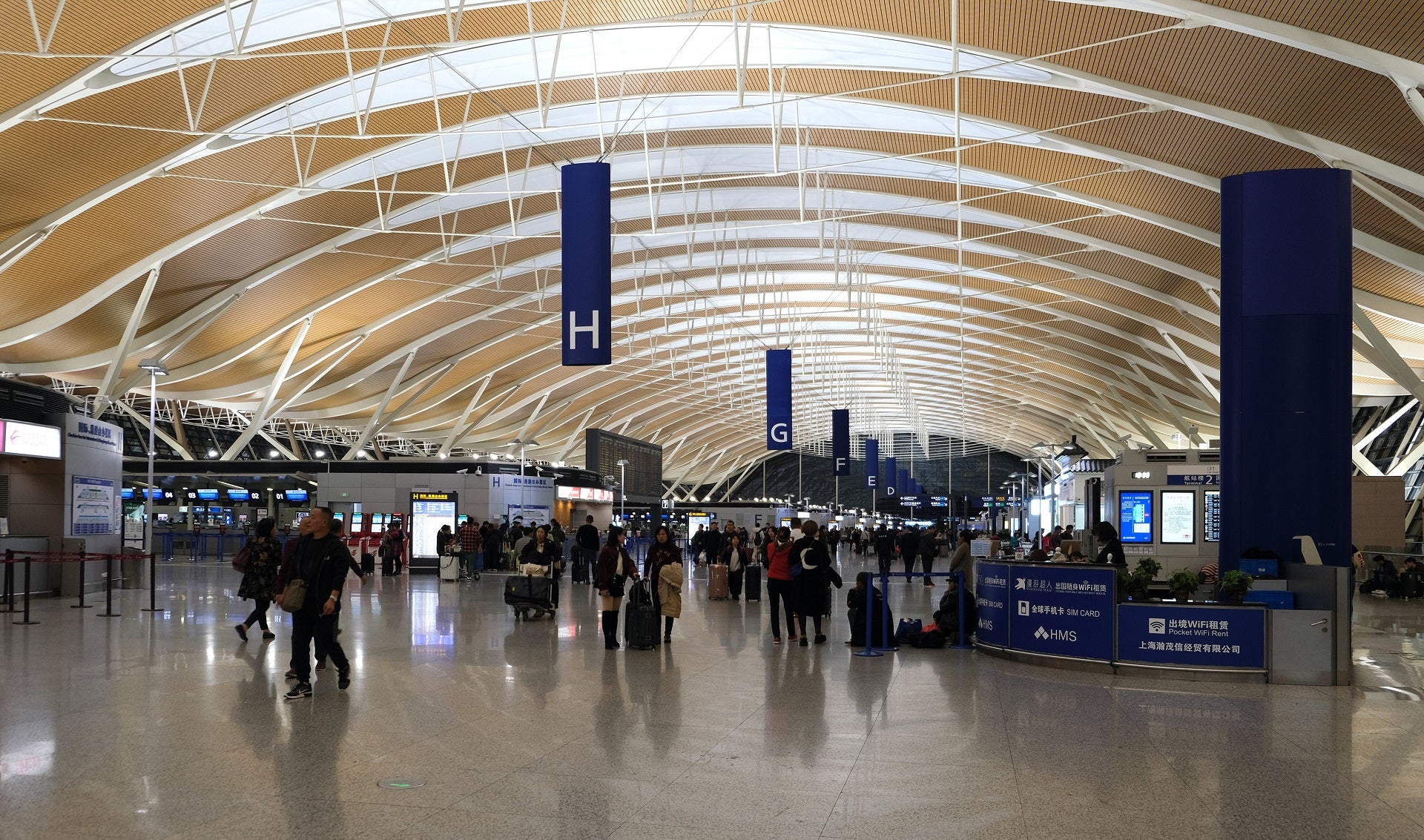
Looking ahead, PVG will likely continue to invest in smart airport technologies, further enhancing operational efficiency, security, and the passenger experience. Digitalization of processes, integration of AI for predictive maintenance, and personalized passenger services will be key. Additionally, sustained investment in sustainable infrastructure, such as renewable energy sources and waste management systems, will not only address environmental concerns but also present long-term cost savings and enhance corporate branding. The continued expansion of its cargo handling capabilities and logistics infrastructure will also be vital to cement its position as a global air freight leader, ensuring its enduring financial relevance as a cornerstone of international commerce.
aViewFromTheCave is a participant in the Amazon Services LLC Associates Program, an affiliate advertising program designed to provide a means for sites to earn advertising fees by advertising and linking to Amazon.com. Amazon, the Amazon logo, AmazonSupply, and the AmazonSupply logo are trademarks of Amazon.com, Inc. or its affiliates. As an Amazon Associate we earn affiliate commissions from qualifying purchases.