
The “Amityville House” is more than just a property; it’s a potent brand, instantly recognizable globally, synonymous with horror, mystery, and the enduring power of a chilling story. The events that unfolded at 112 Ocean Avenue in Amityville, New York, starting in 1974, laid the bedrock for a media empire, demonstrating how a singular, dramatic narrative can be meticulously crafted and strategically leveraged to create a brand identity that transcends decades and media forms. Understanding “what happened” at the Amityville House, in this context, is to deconstruct the very origins of a pervasive cultural brand.
The Genesis of a Brand: From Tragedy to Narrative Core
The Amityville brand’s foundation is built upon two distinct yet intrinsically linked sets of events: a brutal mass murder and a subsequent family’s alleged supernatural experiences. On November 13, 1974, Ronald DeFeo Jr. murdered six members of his family in their beds at the Ocean Avenue home. This horrific crime, a undeniable tragedy, provided the grim backdrop. Just over a year later, George and Kathleen Lutz purchased the house, only to flee 28 days later, claiming to have been terrorized by demonic forces. This second narrative, fraught with terror and inexplicable phenomena, became the crucial element that launched the “Amityville” into the public consciousness as a brand of the macabre.
The transformation of these events into a brand was neither accidental nor instantaneous. It required a strategic packaging of the narrative. Jay Anson’s 1977 book, The Amityville Horror: A True Story, was the pivotal moment. Anson, working closely with the Lutzes, meticulously structured their claims into a compelling, linear narrative. He didn’t just report on events; he crafted a story arc, introduced terrifying motifs (the red room, the pig-like creature, the unsettling voices), and framed it as a “true story.” This “truth claim” was a powerful branding tool, lending an air of authenticity and urgency that elevated it beyond mere fiction. The book’s success was immediate and profound, establishing the core brand identity: a house of unspeakable evil, a genuine haunting, and a family’s harrowing escape. This initial narrative, combining a real-life atrocity with alleged paranormal phenomena, proved to be an irresistible combination, setting the stage for a lasting brand.
Crafting the Identity: Marketing the Macabre
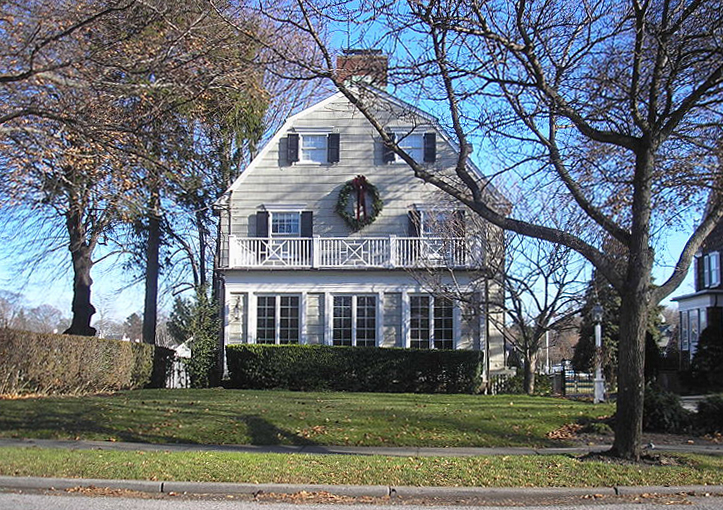
The Amityville brand’s identity was not just defined by its core story, but also by how that story was marketed and presented to the public. The success of Anson’s book led directly to the 1979 film adaptation, The Amityville Horror, which cemented the brand’s visual and auditory language. The iconic image of the house with its foreboding, eye-like windows became the immediate visual shorthand for the brand. The film’s marketing leaned heavily on the “true story” aspect, using taglines that challenged audiences to believe or disbelieve, effectively turning skepticism into a part of the engagement strategy.
Key branding elements that emerged from this period include:
- The House as a Character: The physical structure itself became an essential brand icon. Its distinctive facade, particularly the upper windows, is instantly recognizable and has been reproduced in countless promotional materials, movie posters, and merchandise. It evokes a sense of dread and mystery, regardless of the specific story being told within its walls.
- The “True Story” Claim: Despite ongoing debates and debunkings, the persistent assertion of the events’ veracity remains a core branding element. It appeals to a deep-seated human fascination with the inexplicable and the boundary between reality and supernatural. For marketing purposes, whether truly factual or not, the claim of truth fuels discussion, controversy, and sustained interest.
- The Elements of Horror: The brand strategically deployed universal horror tropes—demonic possession, spectral figures, poltergeist activity, psychological torment—making the Amityville story accessible and terrifying to a broad audience, even those unfamiliar with the specific details of the original events.
- The Family Under Siege Narrative: The Lutzes’ ordeal, as portrayed, tapped into primal fears of home invasion (albeit by unseen forces) and the psychological breakdown of a family unit. This human element provided an emotional anchor, making the horror relatable and intense.

The sustained marketing of these elements, across multiple media, built a cohesive brand identity that was both terrifying and commercially viable. Each adaptation reinforced the core messages, subtly evolving but never straying too far from the established visual and thematic trademarks.
The Power of Persistent Myth: Sustaining Brand Relevance
What truly sets the Amityville brand apart is its enduring relevance, sustained over decades despite changing public tastes and evolving media landscapes. This longevity is largely attributable to the “persistent myth” surrounding the events. The ambiguity inherent in the “true story” claim has been a powerful, self-sustaining marketing engine.
The Amityville narrative benefits from:
- Ongoing Controversy: From its inception, the story has been subject to intense scrutiny, allegations of hoaxes, legal disputes, and counter-claims. This continuous debate, rather than undermining the brand, actively fuels it. Each new article, documentary, or legal challenge reintroduces the story to a new generation, keeping it fresh in the public consciousness. The question of “what really happened” remains unanswered to many, which is far more engaging than a settled account.
- Adaptability: The Amityville brand has proven remarkably adaptable. After the initial book and film, countless sequels, prequels, and reboots have been produced. These range from direct continuations of the Lutz story to entirely new narratives set within the iconic house, or even within other “Amityville” locations. Each new iteration allows for creative interpretations, ensuring the brand remains current without losing its core identity. This adaptability has allowed the brand to survive technological shifts, from cinematic features to direct-to-video releases and streaming content.
- Cultural Penetration: Beyond official media, the Amityville story has seeped into popular culture. It is referenced in other films, TV shows, songs, and even haunted house attractions. This organic spread reinforces its brand status, indicating a deep-seated recognition and understanding of its core themes. The name “Amityville” itself has become a shorthand for an extreme haunting.
- Leveraging Real Estate and Location: The actual house at 112 Ocean Avenue, despite numerous renovations and address changes, remains a potent symbol. Its existence roots the supernatural claims in a tangible reality, adding a layer of authenticity that is difficult for purely fictional stories to replicate. The mystique of the physical location continues to draw interest, serving as a constant reminder of the brand’s origins.
This continuous cycle of storytelling, controversy, and adaptation ensures that the Amityville brand remains a perennial touchstone in the horror genre and a fascinating example of narrative resilience.

Lessons from Amityville: Branding the Unforgettable
The saga of “what happened at the Amityville House” offers invaluable insights into brand development, particularly for narratives rooted in real-world events, no matter how embellished or disputed.
- The Power of a Compelling Origin Story: A strong brand needs an identifiable, engaging genesis. The combination of a true crime and a subsequent supernatural claim provided an extraordinarily potent and unique origin story for Amityville, setting it apart from purely fictional horror.
- Strategic Narrative Packaging: Raw events, however dramatic, don’t automatically become a brand. They must be carefully packaged into a coherent, compelling narrative. Jay Anson’s book was crucial in this regard, turning chaotic claims into a structured, terrifying story.
- The Value of Ambiguity and Controversy: For certain brands, particularly in entertainment, an element of mystery or ongoing debate can be a significant asset. The unresolved nature of “what really happened” at Amityville has kept the brand alive and relevant for decades, fueling public discussion and media interest.
- Iconic Visuals and Themes: A brand benefits immensely from easily recognizable visual cues (the house) and resonant themes (the sanctity of home violated, the struggle against unseen evil). These create instant recognition and recall.
- Adaptability and Reinvention: For long-term viability, a brand must be able to adapt to new formats, audiences, and creative interpretations without losing its core identity. The Amityville brand’s multiple film iterations, exploring different angles and timelines, exemplify this adaptability.
In conclusion, “what happened at the Amityville House” transcends a mere historical account or a ghost story. It represents a powerful illustration of how tragic events, combined with vivid, often disputed, narratives, can be strategically branded and marketed to create an enduring cultural phenomenon. The Amityville brand is a testament to the human fascination with the unknown, the power of a good story, and the strategic foresight that transforms specific events into an unforgettable, revenue-generating legacy.
aViewFromTheCave is a participant in the Amazon Services LLC Associates Program, an affiliate advertising program designed to provide a means for sites to earn advertising fees by advertising and linking to Amazon.com. Amazon, the Amazon logo, AmazonSupply, and the AmazonSupply logo are trademarks of Amazon.com, Inc. or its affiliates. As an Amazon Associate we earn affiliate commissions from qualifying purchases.