
In the intricate tapestry of financial dealings, few concepts are as ubiquitous yet often misunderstood as “proration.” While the term might sound technical or intimidating, its underlying principle is elegantly simple: to divide or distribute something proportionally. Whether you’re moving into a new apartment mid-month, starting a new job, or adjusting an insurance policy, prorate calculations are silently at work, ensuring fairness and accuracy in financial transactions that don’t neatly align with standard billing cycles.
Understanding proration isn’t just about knowing a financial term; it’s about gaining a practical tool for managing your money, verifying bills, negotiating terms, and ensuring you neither overpay nor undercharge. It’s a cornerstone of financial literacy that impacts everything from your personal budget to complex business accounting. This article will demystify proration, exploring its core principles, widespread applications in personal and business finance, and how to confidently calculate prorated amounts yourself.
The Core Concept of Proration
At its heart, proration is about achieving equilibrium. Financial obligations and benefits are often calculated over fixed periods—a month, a year, a quarter. But life rarely adheres to such strict timelines. When a financial event occurs outside these standard periods, proration steps in to adjust costs or benefits so they accurately reflect the actual duration or usage.
Defining Proration: Proportional Distribution
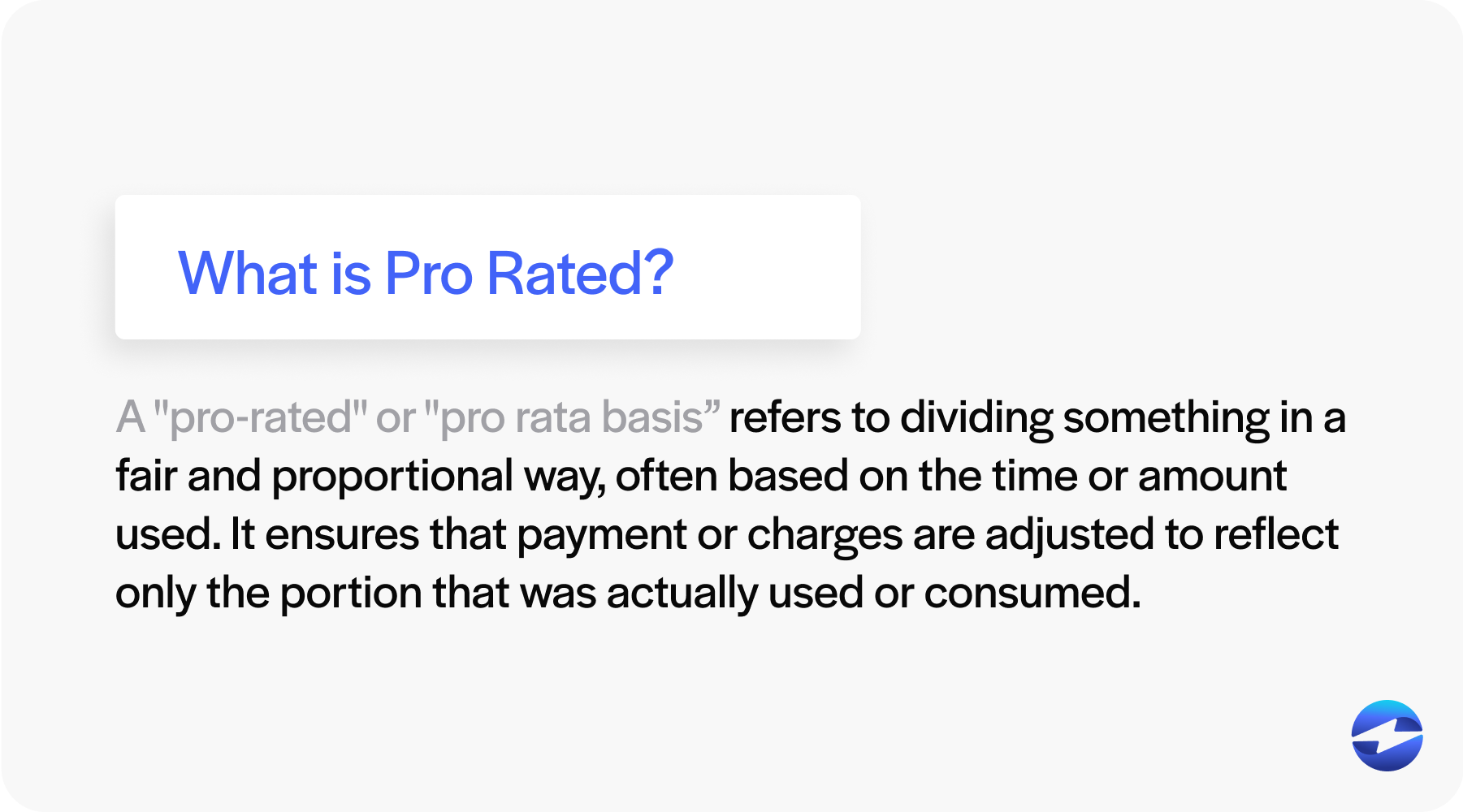
Proration is the process of allocating a cost, revenue, or other financial amount proportionally over a specified period or based on a specific measure. The goal is to ensure that each party pays or receives only what is due for the portion of the period they are responsible for, or the exact amount of service/product they used.
Imagine a monthly service costing $300. If you only use that service for 10 days out of a 30-day month, it would be unfair to charge you the full $300. Proration allows you to pay for just those 10 days of service. The basic mathematical principle is straightforward:
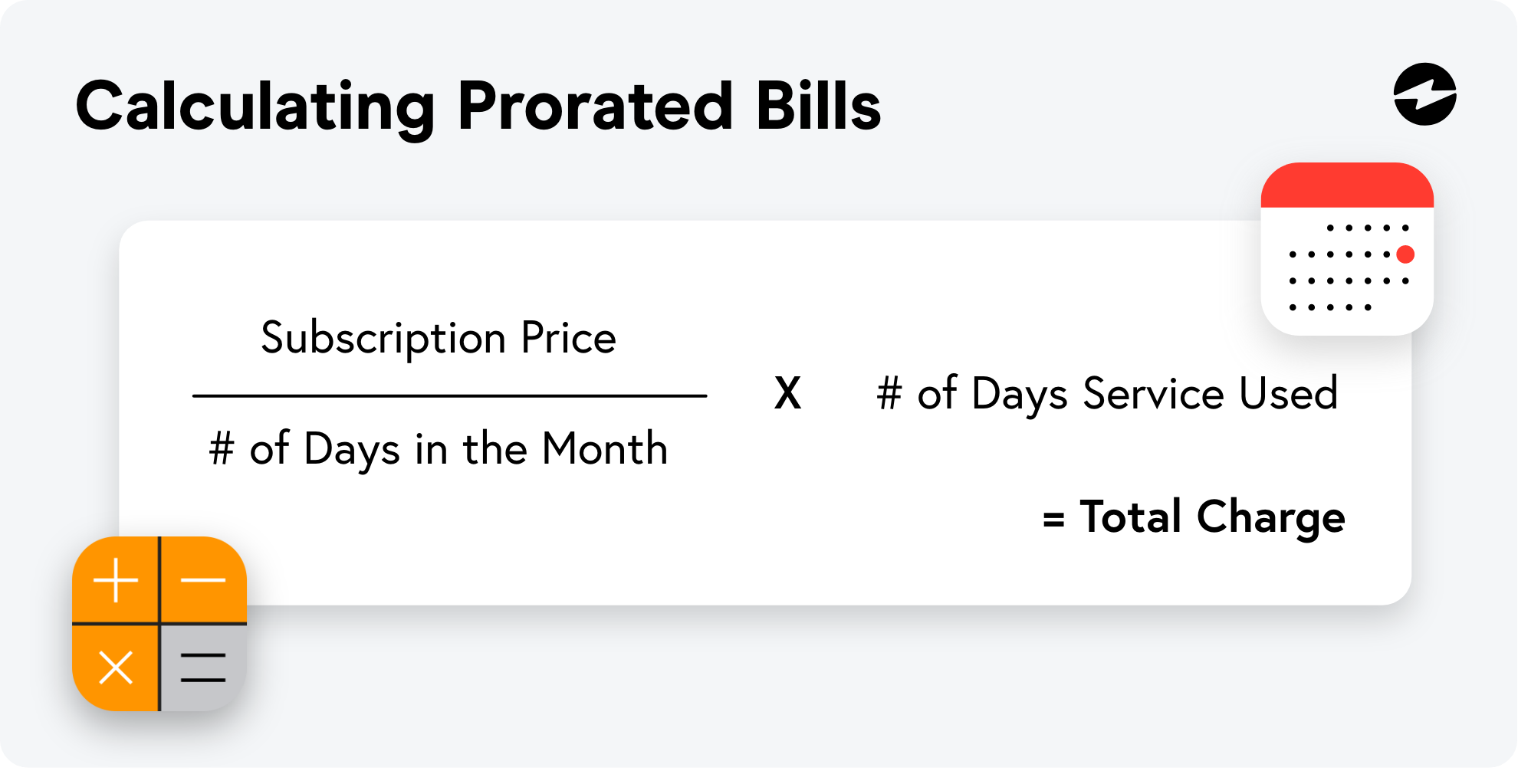
(Total Cost or Amount / Total Number of Units in Period) × Number of Units Used or Owed
The “units” could be days, hours, months, or even a percentage of a larger whole. This principle is vital because it addresses the practical reality that financial engagements often begin or end partway through a billing cycle, or are subject to specific usage patterns. Without proration, financial transactions would be rife with inequities, leading to either overpayment or underpayment, and ultimately, disputes.
Common Scenarios Requiring Proration
Proration isn’t an obscure accounting trick; it’s woven into the fabric of daily financial life. Here are some of the most common situations where you’ll encounter it:
-
Rent/Lease Agreements: When you move into an apartment or vacate it in the middle of a month, your landlord will prorate the rent, charging you only for the days you occupy the unit.
-
Salaries/Wages: If you start a new job or leave an old one mid-pay period, your first or last paycheck will likely be prorated to reflect only the hours or days worked within that specific period.
-
Insurance Premiums: When you initiate a new insurance policy or cancel an existing one before its term ends, your premiums or refunds will be prorated.
-
Utilities: In shared living situations, or when moving in or out, utility bills (electricity, water, internet) are often prorated to accurately distribute costs based on occupancy or usage duration.
-
Property Taxes and HOA Fees: In real estate transactions, these annual or monthly fees are commonly prorated between the buyer and seller at closing, ensuring each party pays for their period of ownership.
-
Subscription Services: Many software, streaming, or gym memberships prorate your initial or final bill if you subscribe or cancel partway through a billing cycle.
Proration in Personal Finance
For individuals, understanding proration is key to managing household budgets effectively and ensuring fair financial dealings in everyday life. It empowers you to scrutinize bills and statements, ensuring accuracy.
Managing Household Expenses
-
Rent and Utilities: Moving is a prime example. If your monthly rent is $1,500 and you move in on the 15th of a 30-day month, your prorated rent for that month would be (1500 / 30) * 16 days (assuming you pay for the day you move in, up to the end of the month) = $800. Similarly, shared utility bills among roommates should be prorated based on the days each person lived in the unit during the billing cycle, or by agreement.
-
Subscription Services: Many online services, from software to entertainment streaming, bill monthly or annually. If you sign up mid-cycle, you’ll often be charged a prorated amount for the remaining days of that cycle, with subsequent bills reverting to the standard full amount. The same applies if you cancel a service that bills in advance; you might receive a prorated refund.
Understanding Your Paycheck and Benefits
-
First and Last Paychecks: When you start a new job, your first paycheck will typically be prorated. If you begin work on the 10th of a month, and the pay period runs from the 1st to the 30th, you will only be paid for the days worked from the 10th onwards. The same applies when you leave a job; your final paycheck will cover only the days worked up to your termination date.
-
Benefit Deductions: Deductions for health insurance, retirement contributions, or other benefits might also be prorated in your first or last paychecks, or when you enroll in/discontinue benefits mid-period. An annual bonus tied to performance over a full year might be prorated if your tenure doesn’t cover the entire performance period.
Insurance and Loan Implications
-
Auto and Home Insurance: If you pay your insurance premiums annually and cancel your policy early, the insurer will often issue a prorated refund for the unused portion of your premium. Conversely, if you initiate a new policy mid-term, you’ll pay a prorated premium for the remainder of that term.
-
Loan Interest: While full loan payments are typically fixed, if you pay off a loan early or refinance, the interest calculated up to the exact day of payoff might be prorated. For specific types of loans or short-term borrowings, the interest can be precisely prorated to the number of days the funds were utilized.
Proration in Business and Investing
For businesses and investors, proration is not just a matter of fairness but a critical component of accurate financial reporting, operational efficiency, and legal compliance.
Business Finance and Operations
-
Employee Payroll: Beyond simple paychecks, businesses frequently use proration for calculating severance packages, sick leave, vacation accruals, and bonus eligibility, especially for employees who haven’t completed a full year or reporting period. This ensures compliance with labor laws and internal policies.
-
Vendor Contracts: Businesses often enter into service contracts with vendors (e.g., IT support, cleaning services) that are billed monthly or annually. If a service begins or ends mid-cycle, or if the scope of work changes, the billing will be prorated to reflect the actual service provided.
-
Asset Depreciation: When a business acquires or disposes of assets (e.g., machinery, vehicles) partway through a fiscal year, depreciation expenses for that asset must be prorated. This ensures the correct portion of the asset’s value is expensed in the financial statements for the period it was actually in use.
-
Shared Costs: For businesses sharing office space, equipment, or software licenses, proration is used to fairly allocate costs based on usage, number of employees, or square footage occupied.
Investment Contexts
-
Real Estate Investments: In commercial and residential real estate transactions, proration is crucial during closing. Property taxes, mortgage interest, insurance, and rental income (if the property is tenant-occupied) are all prorated between the buyer and seller. For example, if the seller has already paid property taxes for the entire year, they will be credited for the portion of the year after the closing date, which the buyer then effectively pays back.
-
Interest Accrual for Bonds: When bonds are traded between interest payment dates, the buyer pays the seller the accrued interest for the period the seller held the bond since the last payment. This is a prorated amount, ensuring the seller receives their due interest and the buyer pays for the full period from the last payment to the next, including the portion they just bought.
-
Dividend Calculations: While less common for direct individual stock investors, in certain complex investment vehicles or corporate actions, the distribution of dividends might involve proration if a shareholder’s ownership period doesn’t cover the full dividend accrual period.
Financial Reporting and Auditing
Proration plays a vital role in ensuring the integrity and accuracy of financial statements. Businesses must accurately prorate revenues and expenses for partial reporting periods (e.g., quarterly reports, year-end closings) to present a true and fair view of their financial performance and position. Auditors scrutinize prorated calculations to ensure they comply with accounting standards (like GAAP or IFRS) and internal controls, preventing misstatements that could impact financial analysis and stakeholder trust.
Calculating Prorated Amounts: A Practical Guide
The beauty of proration lies in its straightforward calculation. Once you understand the basic formula, you can apply it to a multitude of situations.
The Fundamental Formula
The universal formula for proration is:
Prorated Amount = (Total Amount / Total Number of Units) × Number of Used Units
Where:
-
Total Amount: The full cost, revenue, or value for the entire standard period.
-
Total Number of Units: The total units in the standard period (e.g., 30 days in a month, 365 days in a year, 24 hours in a day).
-
Number of Used Units: The specific number of units for which the prorated amount is being calculated (e.g., 15 days of occupancy, 7 days worked).
Step-by-Step Examples
Let’s walk through common scenarios:
-
Example 1: Prorated Rent
-
Monthly Rent: $1,200
-
Move-in Date: October 20th (in a 31-day month)
-
Number of Days Occupied in October: 12 days (Oct 20-31)
-
Calculation: ($1,200 / 31 days) × 12 days = $38.71 per day × 12 days = $464.52
-
-
Example 2: Prorated Salary
-
Annual Salary: $60,000
-
Start Date: March 15th (in a non-leap year with 365 days)
-
Number of Days Worked in the Year: (365 – 73 days from Jan 1 – Mar 14) = 292 days
-
Calculation: ($60,000 / 365 days) × 292 days = $164.38 per day × 292 days = $47,999.64 (This would be your first year’s prorated earnings).
-
-
Example 3: Prorated Insurance Refund
-
Annual Premium: $800
-
Policy Start Date: January 1st
-
Cancellation Date: April 10th (after 100 days of coverage in a 365-day year)
-
Number of Unused Days: 365 – 100 = 265 days
-
Calculation: ($800 / 365 days) × 265 days = $2.19 per day × 265 days = $580.31 (Prorated refund amount).
-
Tools and Resources
While manual calculation is straightforward, several tools can assist:
-
Online Prorate Calculators: A quick search will yield numerous free online calculators for rent, salary, and other common proration needs.
-
Spreadsheets (Excel/Google Sheets): For more complex or recurring scenarios, setting up a simple spreadsheet with the proration formula allows for quick adjustments and tracking.
-
Accounting Software: Most accounting and payroll software have built-in functions to automatically handle prorated calculations for salaries, invoices, and expense allocation.
The Benefits of Understanding Proration
Beyond the mechanics, a solid grasp of proration offers significant advantages in various aspects of your financial life.
Financial Accuracy and Fairness
The primary benefit of proration is ensuring that all financial transactions are fair and accurate. It eliminates the arbitrary “all or nothing” approach, allowing for precise monetary adjustments based on exact timeframes or usage. This prevents either party from being unfairly burdened or shortchanged.
Budgeting and Financial Planning
For individuals and businesses, understanding prorated income and expenses allows for more accurate budgeting and financial forecasting. You can anticipate partial payments or refunds, helping you manage cash flow and avoid unexpected shortfalls or windfalls. This precision leads to more reliable financial planning.
Dispute Resolution and Negotiation
Knowing how proration works empowers you to scrutinize bills, invoices, and financial statements. If you suspect an error, you can confidently challenge incorrect calculations. In negotiations (e.g., buying or selling property, settling a contract), a clear understanding of prorated costs enables you to advocate for fair terms and prevent financial discrepancies.
Compliance and Record-Keeping
For businesses, accurate proration is essential for compliance with accounting standards, tax laws, and labor regulations. It ensures that financial records accurately reflect transactions over specific periods, which is crucial for internal auditing, external audits, and tax reporting. Good prorated record-keeping minimizes legal and financial risks.

Conclusion
Proration, while sounding technical, is a fundamental and practical financial concept that underpins fairness and accuracy across countless transactions. From the rent you pay each month to the salary you earn, and from the complex world of business finance to savvy investment strategies, its principles ensure that costs and benefits are proportionally distributed.
By demystifying “what is prorate” and equipping yourself with the knowledge of its core concept, applications, and calculation methods, you gain a powerful tool for financial literacy. It enables you to confidently navigate your personal finances, make informed business decisions, and ensure that every dollar you spend or earn is accounted for with precision and equity. Understanding proration isn’t just about avoiding a financial error; it’s about mastering a key element of responsible and effective money management.
aViewFromTheCave is a participant in the Amazon Services LLC Associates Program, an affiliate advertising program designed to provide a means for sites to earn advertising fees by advertising and linking to Amazon.com. Amazon, the Amazon logo, AmazonSupply, and the AmazonSupply logo are trademarks of Amazon.com, Inc. or its affiliates. As an Amazon Associate we earn affiliate commissions from qualifying purchases.