
In the modern global economy, few professions have seen a rise in financial prominence as meteoric as software engineering. Once relegated to back-office IT support, software engineers have emerged as the architects of the digital age, and their compensation packages reflect this shift. For those looking to enter the field or professionals seeking to benchmark their earnings, understanding “what a software engineer makes” requires looking far beyond a simple monthly paycheck.
In this niche of personal finance and business income, we must analyze the “Total Compensation” (TC) model, which differentiates the tech industry from almost every other sector. This guide breaks down the financial components of software engineering roles, the variables that dictate earning power, and how engineers can strategically maximize their lifetime wealth.
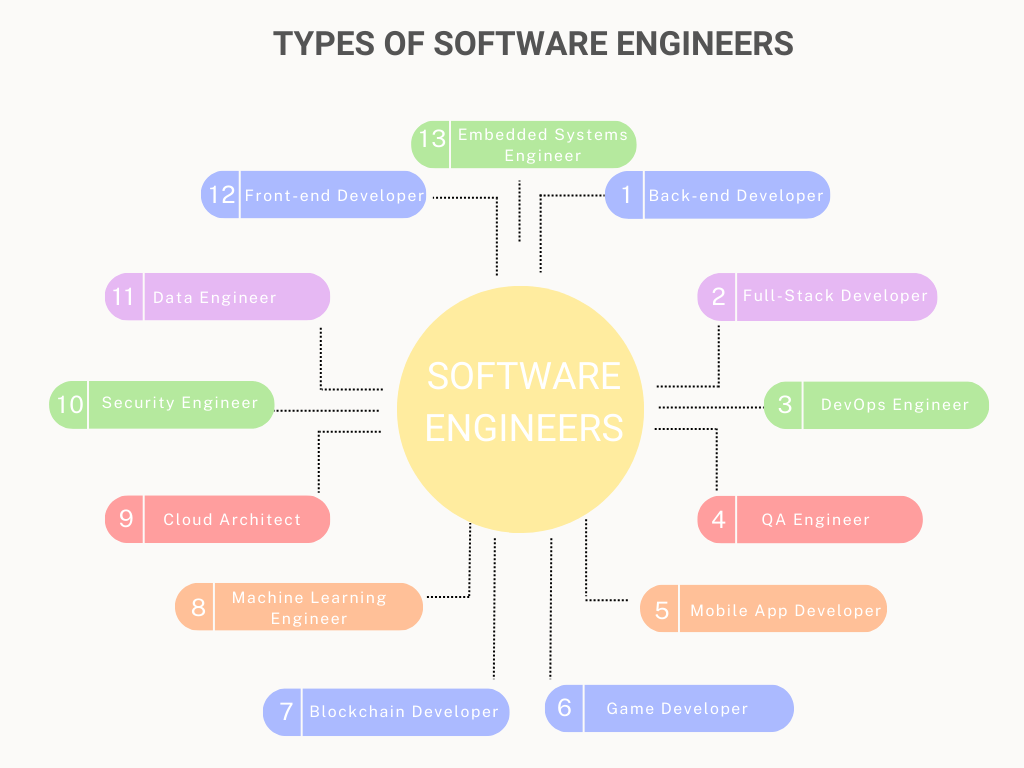
The Anatomy of a Tech Paycheck: Understanding Total Compensation
In the world of high-finance and big tech, the term “salary” is often an understatement. Software engineers, particularly those at mid-to-senior levels, are paid through a tripartite structure known as Total Compensation (TC). Understanding this breakdown is essential for anyone evaluating a job offer or planning their financial future.
Base Salary: The Predictable Foundation
The base salary is the fixed amount paid out in regular intervals. While this is the most stable part of an engineer’s income, it often represents only 50% to 70% of an elite engineer’s total earnings. In the United States, entry-level base salaries typically range from $80,000 to $130,000, while senior engineers at top-tier firms may see base salaries peaking between $200,000 and $250,000. This figure is what banks primarily look at for mortgage approvals and what individuals use for daily budgeting.
Variable Bonuses: Sign-on and Performance
Cash bonuses come in two primary forms. The “Sign-on Bonus” is a one-time payment intended to lure talent away from competitors or to offset “leftover” equity from a previous employer. These can range from a modest $5,000 to a staggering $100,000 at firms like Meta or Google. The “Annual Performance Bonus” is usually a percentage of the base salary (typically 10% to 25%), contingent on both individual achievement and the company’s fiscal success.
Equity and RSUs: The Wealth Accelerator
The most significant differentiator in tech compensation is equity. Most public tech companies offer Restricted Stock Units (RSUs), which are shares of company stock that “vest” over a period of time (usually four years). For a senior engineer at a “Big Tech” firm, equity can easily exceed $100,000 per year. In a bull market, as the company’s stock price rises, these RSUs can appreciate significantly, often turning a well-paid professional into a multi-millionaire over a decade. In startups, this equity comes as stock options, which are riskier but offer the potential for “life-changing money” if the company goes public or is acquired.
Factors That Dictate Earning Potential
Not all software engineering roles are created equal. Several key variables influence whether an engineer earns five, six, or seven figures annually. From a financial planning perspective, understanding these levers is the key to career mobility.
The Geographic Premium and Cost of Living
Geography remains one of the strongest predictors of income. A software engineer in San Francisco or New York City may earn $200,000, while their counterpart in a mid-sized Midwestern city earns $110,000. However, the savvy financial professional must look at “Real Income”—what remains after taxes and housing. While the Bay Area offers the highest absolute numbers, the “Cost of Living” (COL) adjustment means that high-earners often spend a disproportionate amount on real estate. The rise of remote work has created a “geo-neutral” pay trend, though many firms still adjust salaries based on the employee’s local market.
Seniority and the “Staff Engineer” Ceiling
The financial trajectory of an engineer is not linear; it is exponential. An “L3” (Entry Level) engineer at a major firm might make $180,000 TC. By the time they reach “L6” (Staff Engineer), that number can jump to $500,000 or more. The “Staff” or “Principal” level is where the compensation structure shifts heavily toward equity. At this level, the engineer is no longer just a coder but a business strategist whose technical decisions can save or make the company millions of dollars.

Niche Specializations: AI, Fintech, and Security
Specialization acts as a multiplier. Generalist web developers face more competition, which can stagnate wages. Conversely, engineers specialized in Artificial Intelligence (AI) and Machine Learning (ML) are currently commanding massive premiums due to the scarcity of talent and the massive capital being poured into the sector. Similarly, engineers in High-Frequency Trading (HFT) or Fintech often see the highest cash bonuses in the industry, sometimes rivaling the bonuses of investment bankers.
Comparing Industry Sectors: Where the Money Flows
Where an engineer chooses to work is just as important as how well they code. Different sectors have different financial philosophies and “pay bands.”
Big Tech (MAANG) and Tier-1 Firms
Companies like Meta, Apple, Amazon, Netflix, and Google (MAANG) are the gold standard for compensation. These firms use their massive balance sheets to outbid almost any other industry. They offer high base salaries, generous RSU packages, and “golden handcuffs”—vesting schedules designed to keep talent from leaving. For an engineer focused on wealth accumulation, these firms offer the most predictable path to a high net worth.
The Startup Gamble: Risk vs. Reward
Startups offer a different financial profile. Base salaries are often lower than at Big Tech firms, and the “equity” is usually in the form of stock options that may never be worth anything. However, for those who join a “unicorn” (a startup valued over $1 billion) early on, the financial upside is theoretically uncapped. An early engineer at a company like Uber or Airbnb saw their equity value explode into the millions upon IPO. From a personal finance standpoint, this is a “high-risk, high-reward” investment of one’s human capital.
Traditional Enterprise and Non-Tech Industries
Retail, manufacturing, and traditional banking also hire software engineers. While these roles often offer better work-life balance and more stability, the compensation rarely matches the heights of the tech sector. Equity is often absent or minimal, and bonuses are tied to more conservative corporate structures. For many, these roles provide a steady “upper-middle-class” income without the volatility of the tech market.
Maximizing Lifetime Earnings and Financial Strategy
Securing a high-paying role is only the first step. For software engineers, the complexity of their compensation requires sophisticated financial management and strategic career moves.
The Art of the Tech Negotiation
In software engineering, everything is negotiable. Candidates often leave tens of thousands of dollars on the table by failing to leverage competing offers. A common financial strategy is to secure an offer from a “Tier-1” firm and use it as leverage to increase the RSU grant or sign-on bonus at a preferred employer. Because the cost of recruiting a top-tier engineer is so high, companies often have significant “wiggle room” in their budgets for the right candidate.
Tax Planning for Equity and RSUs
High earners in software engineering face unique tax challenges. When RSUs vest, they are taxed as ordinary income, often pushing the engineer into the highest tax bracket. Understanding “Tax-Loss Harvesting,” maximizing 401(k) contributions (including “Mega Backdoor Roth” strategies if available), and managing the timing of stock sales are crucial for wealth preservation. Without a plan, a significant portion of that hard-earned “Total Compensation” can be lost to capital gains and income taxes.
Financial Independence and the “FIRE” Movement
Because of their high income-to-expense ratios, software engineers are the primary demographic driving the FIRE (Financial Independence, Retire Early) movement. By living on a fraction of their income and aggressively investing their bonuses and equity into diversified portfolios, many engineers find they can reach “financial independence” in their 30s or 40s. This shift from “earning a living” to “managing wealth” is the ultimate goal of understanding the financial landscape of the profession.

Conclusion
The question “what do software engineers make?” does not have a single answer, but rather a spectrum of financial possibilities. From the $100,000 entry-level role to the $700,000+ Staff Engineer at a global powerhouse, the earnings potential is immense. However, the true “value” of a software engineering career lies in the ability to understand and manipulate the components of Total Compensation. By strategically choosing specializations, navigating geographic trends, and mastering the nuances of equity and taxation, software engineers can transform their technical skills into a robust engine for long-term wealth creation.
aViewFromTheCave is a participant in the Amazon Services LLC Associates Program, an affiliate advertising program designed to provide a means for sites to earn advertising fees by advertising and linking to Amazon.com. Amazon, the Amazon logo, AmazonSupply, and the AmazonSupply logo are trademarks of Amazon.com, Inc. or its affiliates. As an Amazon Associate we earn affiliate commissions from qualifying purchases.