
Dental prophylaxis, often simply referred to as a “dental cleaning,” is a cornerstone of oral healthcare. While its immediate benefit is cleaner teeth and fresher breath, its true value extends far beyond aesthetics, profoundly impacting both personal and business finance. From an individual’s budgeting for healthcare expenses to a dental practice’s revenue generation and the broader implications for insurance providers, understanding prophylaxis through a financial lens reveals its critical role in long-term economic well-being.
The Economic Imperative of Preventive Dental Care
At its core, prophylaxis is the act of preventing disease. In dentistry, this means taking proactive measures to ward off common oral health issues like cavities, gum disease (gingivitis and periodontitis), and other infections that can lead to more severe and costly problems. From a financial standpoint, embracing preventive care is a strategic decision that consistently yields high returns on investment for individuals and bolsters the financial stability of dental practices.
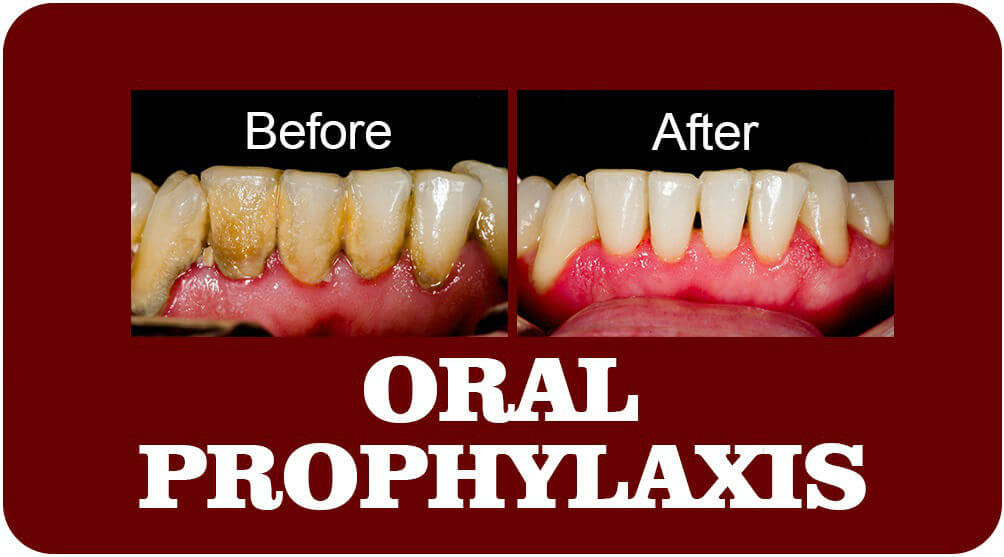
Understanding the Core Concept: Prevention Over Intervention
The fundamental principle of prophylaxis is simple: it is almost always less expensive, less painful, and less time-consuming to prevent a disease than to treat it once it has developed. For instance, a routine dental cleaning and check-up, a primary form of prophylaxis, typically costs a fraction of what a filling for a new cavity would entail. The disparity grows even larger when comparing prevention to more complex procedures such as root canals, extractions followed by implants, or extensive periodontal surgery required to address advanced gum disease.
Consider the cumulative effect: neglecting regular prophylaxis can lead to a cascade of problems. A small cavity, left untreated, can expand, requiring a larger filling or even a crown. If it progresses to infect the pulp, a root canal becomes necessary. Should the tooth become unsalvageable, extraction and subsequent replacement (e.g., with a bridge or implant) represent a significant financial outlay. Each step up this ladder of severity corresponds to a substantial increase in financial cost, pain, and time spent in the dental chair. Prophylaxis acts as a financial gatekeeper, often preventing these escalating costs before they even begin.
The Spectrum of Prophylactic Procedures
While professional dental cleaning (scaling and polishing) is the most recognized form of prophylaxis, the scope of preventive dentistry extends further, each element contributing to the overall financial benefit:
- Routine Dental Cleanings (Prophylaxis): These appointments typically involve removing plaque and tartar buildup from tooth surfaces above and just below the gum line, followed by polishing. The regularity (usually twice a year) is crucial for maintaining oral hygiene and allowing the dentist to monitor for early signs of problems. The cost of these visits is generally low and often fully covered by dental insurance plans, making them highly accessible.
- Dental Examinations: Alongside cleanings, regular check-ups allow dentists to identify minor issues before they become major. Early detection of small cavities, cracks in teeth, or initial signs of gum inflammation enables intervention when it is least costly and most effective.
- Fluoride Treatments: Applied topically, fluoride strengthens tooth enamel, making it more resistant to acid attacks from bacteria and reducing the risk of cavities. These are particularly beneficial for children but are also recommended for adults at high risk of decay. The cost is minimal compared to restorative treatments.
- Dental Sealants: Applied to the chewing surfaces of back teeth, sealants create a protective barrier against food particles and bacteria that can cause cavities in the deep grooves. This is a highly cost-effective preventive measure, especially for children and adolescents, often lasting several years.
- Oral Hygiene Education: Empowering patients with proper brushing and flossing techniques, dietary advice, and understanding of oral health risks is a profound form of prevention. This “knowledge prophylaxis” is invaluable and often comes at no additional direct cost during a routine visit, yet its long-term financial impact is significant.
- Custom Mouthguards: For individuals participating in sports or suffering from bruxism (teeth grinding), custom mouthguards protect teeth from trauma and excessive wear, preventing costly repairs or replacements down the line.
Each of these prophylactic measures represents a modest investment that can prevent much larger future expenditures, solidifying the economic wisdom of prioritizing dental prevention.
Personal Finance and the Value of Dental Prophylaxis
For individuals and families, integrating dental prophylaxis into their health routine is a fundamental aspect of sound personal finance. It’s not merely an expense but a strategic allocation of resources that safeguards against unforeseen and often substantial costs.
Maximizing Cost Savings: Prevention vs. Costly Treatment
The most direct financial benefit of prophylaxis for individuals is the avoidance of expensive treatments. A commitment to regular cleanings and check-ups drastically reduces the likelihood of needing fillings, crowns, root canals, extractions, or periodontal therapy. These restorative and surgical procedures not only carry higher price tags but can also incur indirect costs, such as time off work for appointments and recovery, or the financial burden of managing pain and discomfort.
Consider a scenario: a person who consistently attends bi-annual prophylaxis appointments might pay, for example, $100-$200 per visit (or less with insurance coverage). Over five years, this amounts to $1,000-$2,000. In contrast, someone neglecting these visits might develop multiple cavities requiring fillings ($150-$400 each), gum disease requiring deep cleaning ($800-$1500), or even a single root canal and crown ($1,500-$3,000+). The financial contrast is stark, highlighting prophylaxis as an investment that pays dividends by keeping thousands of dollars in the patient’s pocket.
The Indispensable Role of Dental Insurance and Employee Benefits
Dental insurance plans are fundamentally built around the concept of prophylaxis. Most plans offer 100% coverage for preventive services, including two annual cleanings and examinations, and often fluoride treatments or sealants for children. This structure underscores the financial benefits of prevention for both the insurer and the insured.
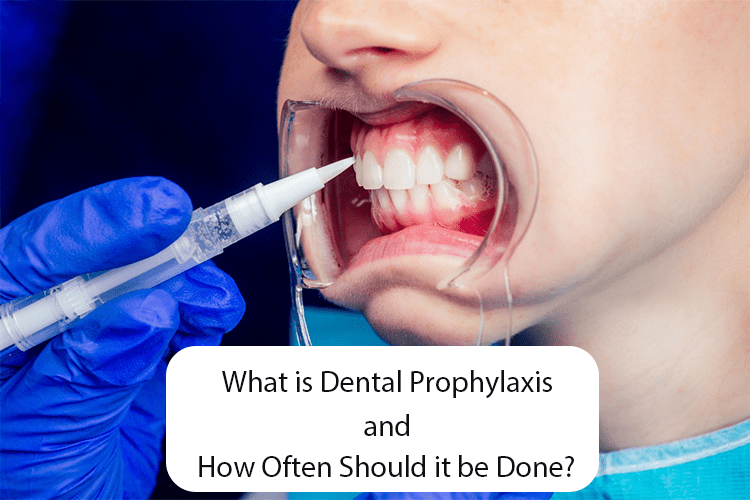
For individuals, this means that the minimal out-of-pocket cost, if any, for preventive care is often a negligible barrier. By utilizing these covered benefits, individuals effectively receive “free” (or nearly free) protection against more expensive issues. Employers offering dental benefits understand that promoting preventive care among their workforce can lead to healthier employees, fewer missed workdays due to dental emergencies, and potentially lower overall healthcare costs for the company over time. It’s a win-win financial strategy that leverages group purchasing power to reduce individual financial risk.
Understanding one’s dental insurance plan and actively scheduling preventive appointments is a smart financial move. It ensures that the premiums paid for insurance are maximized, providing concrete returns in the form of maintained oral health and avoided future expenses.
Business Finance in the Dental Practice
From the perspective of a dental practice, prophylaxis is not just a patient benefit but a cornerstone of its business model and financial health. It drives consistent revenue, builds patient loyalty, and supports the overall economic viability of the practice.
Revenue Streams and Practice Sustainability
Regular prophylaxis appointments form a stable and predictable revenue stream for dental practices. Unlike emergency procedures or complex restorative work, which can be sporadic, cleanings are scheduled routinely, providing a consistent flow of patients and income. This predictability is crucial for managing overheads, staff salaries, equipment maintenance, and other operational costs.
Moreover, prophylaxis serves as an essential entry point for new patients. Many individuals seeking a “new dentist” will start with a routine cleaning and check-up. This initial positive experience can convert them into long-term patients who will return for future preventive care and potentially seek restorative or cosmetic treatments as needed, further contributing to the practice’s revenue growth. A strong recall system for prophylaxis appointments is, therefore, a key financial management tool for any successful dental practice.
Investment in Technology for Efficient Prophylaxis
Modern dental practices often invest significantly in technology to enhance the efficiency and effectiveness of prophylactic services, which in turn impacts their financial returns. Examples include:
- Digital X-rays: Reduce radiation exposure, provide instant images, and are more environmentally friendly (no chemicals). Financially, they streamline workflow and allow for quicker diagnosis, improving patient turnover and overall practice efficiency.
- Intraoral Cameras: Enable patients to see what the dentist sees, improving understanding and compliance. From a business perspective, clearer communication can lead to better acceptance of recommended treatments, including additional preventive measures or early restorative work, thereby increasing practice revenue.
- Ultrasonic Scalers: These devices use high-frequency vibrations to remove plaque and tartar more efficiently and comfortably than manual instruments. This efficiency allows hygienists to see more patients, improving the practice’s hourly revenue potential, and enhances patient satisfaction, encouraging repeat visits.
- Practice Management Software: Crucial for scheduling, billing, insurance claims, and patient communication (recall reminders). Investing in robust software streamlines administrative tasks, reduces errors, optimizes appointment scheduling, and ensures timely payment processing—all vital for the financial health of the practice.
These technological investments, while initially costly, are strategic decisions that improve service quality, patient experience, and operational efficiency, ultimately leading to greater profitability and a stronger financial foundation for the dental practice.
Long-Term Financial Health Through Oral Wellness
The connection between oral health and overall systemic health is well-documented. Neglecting oral prophylaxis can lead to issues beyond the mouth, potentially resulting in significant financial burdens related to general medical care.
Avoiding High-Cost Restorative and Emergency Procedures
Beyond the direct costs of dental work, poor oral health can precipitate emergencies that demand immediate and often expensive attention. A severe toothache, an abscess, or an acute infection stemming from neglected oral hygiene can lead to emergency dental visits, prescriptions for antibiotics and pain medication, and potentially hospital visits in extreme cases. These unplanned expenditures can severely disrupt personal budgets and cause considerable stress. Regular prophylaxis significantly mitigates the risk of such costly and inconvenient emergencies.

Prophylaxis as an Investment in Overall Health
Research has linked oral health to a variety of systemic conditions, including cardiovascular disease, diabetes, respiratory infections, and complications during pregnancy. While the exact causal relationships are complex, the presence of chronic inflammation and bacteria in the mouth is believed to play a role.
From a financial perspective, maintaining excellent oral health through consistent prophylaxis can be seen as an indirect investment in one’s overall physical health. By reducing the risk of conditions linked to poor oral hygiene, individuals may potentially lower their future medical expenses, reduce reliance on prescription medications, and maintain a better quality of life that allows for continued productivity and earning potential. Prophylaxis, therefore, transcends mere dental care; it becomes an integral component of a holistic financial wellness strategy, safeguarding both oral and overall health, and by extension, one’s economic future.
aViewFromTheCave is a participant in the Amazon Services LLC Associates Program, an affiliate advertising program designed to provide a means for sites to earn advertising fees by advertising and linking to Amazon.com. Amazon, the Amazon logo, AmazonSupply, and the AmazonSupply logo are trademarks of Amazon.com, Inc. or its affiliates. As an Amazon Associate we earn affiliate commissions from qualifying purchases.