
In an increasingly complex and interconnected world, the concept of “progressive reform” often emerges as a powerful call to action, signaling a desire for systemic change and improvement. While the term can span various societal domains, from technology ethics to brand responsibility, within the critical sphere of Money, progressive reform takes on a particularly significant and tangible meaning. It refers to a series of economic and financial policies, legislative changes, and regulatory frameworks designed to address systemic inequalities, promote economic stability, enhance social well-being, and ensure a fairer distribution of resources and opportunities. It’s not merely about incremental adjustments but often about fundamental shifts in how economies operate, how wealth is generated and shared, and how financial power is wielded. This article delves into the essence of progressive reform through the lens of economics and finance, exploring its core principles, historical applications, modern relevance, and the ongoing debates surrounding its implementation.
Understanding Progressive Reform in an Economic Context
At its heart, progressive reform, when applied to the realm of money and economics, champions the idea that economic systems should serve the broad interests of society, not just a select few. It challenges the notion that unfettered markets inherently lead to optimal outcomes for all, instead advocating for thoughtful intervention and regulation to steer economic activity towards socially beneficial goals.
Defining Progress: Goals of Economic Reform
The “progress” in progressive reform isn’t a vague ideal; it’s typically anchored in specific, measurable objectives. Economically, these goals often include:
- Reducing Income and Wealth Inequality: Progressive reforms seek to narrow the gap between the richest and poorest, ensuring that the benefits of economic growth are more widely shared. This can involve policies that redistribute wealth or create pathways for upward mobility for those at the bottom of the economic ladder.
- Enhancing Economic Stability and Resilience: Moving beyond boom-and-bust cycles, progressive policies aim to build a more robust economy less susceptible to financial crises, market failures, and external shocks. This often means strengthening regulatory oversight and fostering a more diversified economic base.
- Ensuring Broad Access to Opportunities: This includes providing universal access to essential services like education, healthcare, and affordable housing, recognizing these as foundational for individual prosperity and societal advancement. It also encompasses ensuring fair access to credit, capital, and employment without discrimination.
- Promoting Social Justice and Equity: Beyond purely economic metrics, progressive reform often intertwines with broader social justice goals, seeking to rectify historical injustices, empower marginalized communities, and ensure that economic policies do not disproportionately burden vulnerable populations.
- Fostering Sustainable Growth: Increasingly, progressive economic thought recognizes the imperative of environmental sustainability, advocating for policies that decouple economic growth from environmental degradation and invest in green technologies and practices.
Core Tenets: Equity, Stability, and Opportunity
These goals are underpinned by a few core tenets that differentiate progressive reform from other economic philosophies:
- Active Government Role: Progressive reformers generally believe that a well-functioning government has a crucial role to play in regulating markets, providing public goods, managing economic cycles, and ensuring social safety nets. This contrasts with purely laissez-faire approaches that advocate for minimal government intervention.
- Social Responsibility of Capital: There’s an emphasis on the idea that corporations and financial institutions have responsibilities beyond maximizing shareholder profit, including obligations to their employees, communities, and the environment.
- Collective Action: Recognizing that individual efforts alone cannot solve systemic problems, progressive reform often relies on collective action through unions, advocacy groups, and democratic processes to achieve its aims.
- Evidence-Based Policymaking: While driven by values, progressive reform also emphasizes the use of economic research and data to design and evaluate policies, seeking practical solutions to real-world problems.
Pillars of Progressive Financial Policy
Translating these tenets into actionable policies involves intervention across various facets of the financial and economic system. These interventions often form the bedrock of progressive financial policy.
Progressive Taxation and Wealth Redistribution
Perhaps the most recognized tool of progressive reform is a progressive tax system, where individuals with higher incomes pay a larger percentage of their earnings in taxes. This principle extends to wealth taxes, inheritance taxes, and corporate profit taxes, all designed to fund public services and mitigate extreme wealth concentration. The revenue generated is then used for public investments in infrastructure, education, healthcare, and social welfare programs, effectively redistributing wealth and opportunity. The aim is to balance individual incentive with societal need, ensuring that those who benefit most from the economic system contribute proportionally more to its maintenance and the well-being of all.
Financial Regulation and Consumer Protection
History has shown that unchecked financial markets can lead to instability, speculation, and exploitation. Progressive reform, therefore, emphasizes robust financial regulation to prevent crises and protect consumers. This includes measures such as:
- Banking Sector Oversight: Regulating banks to ensure stability, prevent excessive risk-taking, and maintain liquidity (e.g., capital requirements, stress tests).
- Consumer Financial Protection: Establishing agencies and laws to protect consumers from predatory lending practices, unfair fees, and deceptive financial products (e.g., usury laws, truth-in-lending regulations).
- Market Transparency and Accountability: Requiring greater transparency in financial markets and holding institutions accountable for their actions, particularly in areas like derivatives and complex financial instruments.
These regulations are critical for building public trust in financial institutions and ensuring that markets serve productive economic purposes rather than speculative gains for a few.
Social Safety Nets and Public Investment
A cornerstone of progressive economic policy is the provision of robust social safety nets and strategic public investments. These are designed to cushion individuals against economic hardship and create shared resources that benefit everyone. Examples include:
- Social Security and Unemployment Insurance: Providing income support for retirees, the disabled, and those temporarily out of work.
- Affordable Healthcare and Education: Ensuring that fundamental human needs and opportunities are not solely dictated by one’s ability to pay.
- Public Infrastructure: Investing in roads, bridges, public transport, and broadband internet, which are essential for economic activity and improve quality of life.
- Research and Development: Funding scientific and technological innovation that may not be profitable in the short term but yields long-term societal benefits.
These investments are seen not just as expenses but as crucial components of an enabling environment that fosters productivity, innovation, and social cohesion.
Labor Rights and Fair Wages

Progressive reform also extends to the labor market, advocating for policies that empower workers and ensure fair compensation. This involves:
- Minimum Wage Laws: Setting a floor for hourly wages to ensure that full-time work provides a living income.
- Union Protections: Safeguarding the right of workers to organize and collectively bargain for better wages, benefits, and working conditions.
- Workplace Safety and Benefits: Enforcing regulations that ensure safe working environments and mandating benefits such as paid leave and sick days.
- Addressing Wage Stagnation: Implementing policies that aim to reverse the trend of stagnant wages for many workers while corporate profits soar.
These measures are rooted in the belief that a strong, fairly compensated workforce is essential for both individual dignity and a healthy, consumer-driven economy.
Historical Trajectories and Modern Relevance
The ideas underpinning progressive reform are not new; they have evolved over centuries, responding to the changing dynamics of capitalism and industrialization.
From the Progressive Era to the New Deal
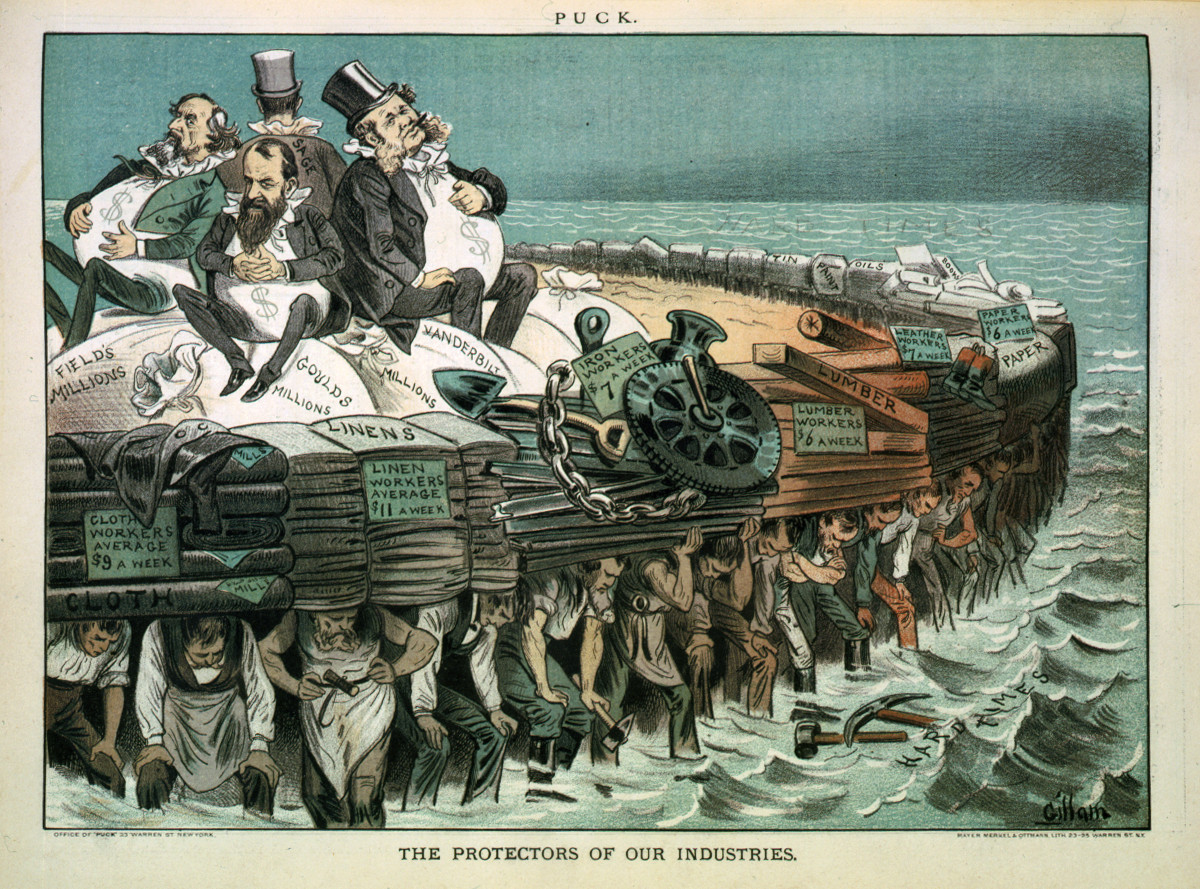
The late 19th and early 20th centuries in many industrialized nations, particularly the United States, witnessed the rise of the “Progressive Era.” This period was a direct response to the massive economic inequalities, corporate monopolies, and social dislocations brought about by rapid industrialization. Reforms included anti-trust laws to break up powerful monopolies, food and drug safety regulations, and the establishment of income tax.
The Great Depression of the 1930s then ushered in the “New Deal” in the U.S., a monumental series of progressive reforms under President Franklin D. Roosevelt. This included the creation of Social Security, unemployment insurance, robust banking regulations (Glass-Steagall Act), and massive public works programs. These interventions profoundly reshaped the relationship between government, economy, and society, establishing many of the social safety nets that persist today.
Post-War Consensus and Neoliberal Challenges
Following World War II, many Western economies entered a period characterized by a “post-war consensus,” where elements of progressive economic policy – strong unions, high marginal tax rates, robust social welfare states, and regulated markets – were widely accepted. This era saw unprecedented economic growth and a significant reduction in inequality in many countries.
However, from the 1970s onwards, a new economic philosophy, often termed “neoliberalism,” gained prominence. It advocated for deregulation, privatization, lower taxes (especially for corporations and high earners), and reduced government spending. While proponents argued this would unleash market efficiencies and foster innovation, critics point to an ensuing rise in income inequality, financial instability, and a weakening of social safety nets as its consequences.
Contemporary Calls for Reform
Today, amidst concerns about climate change, persistent wealth gaps, technological disruption, and the aftermath of global financial crises, there is a renewed and urgent call for progressive reforms. Debates around universal basic income, modern monetary theory, aggressive climate investments, comprehensive financial market overhauls, and strengthened labor protections are prominent. The central question remains how to build economies that are not only productive and innovative but also equitable, sustainable, and resilient for all members of society.
Challenges, Criticisms, and the Path Forward
While the objectives of progressive reform are compelling for many, their implementation is often fraught with challenges and attracts significant criticism.
Economic Efficiency vs. Social Equity
A common critique centers on the potential trade-off between economic efficiency and social equity. Critics argue that high taxes can disincentivize investment and entrepreneurship, over-regulation can stifle innovation, and generous welfare programs can reduce work incentives. They suggest that excessive government intervention distorts market signals and leads to inefficiencies.
Progressive proponents counter that true efficiency includes social and environmental costs, and that unregulated markets often lead to “negative externalities” (like pollution or financial crises) and create artificial inefficiencies through monopolies and wealth concentration. They argue that some level of public investment and regulation is necessary to create a level playing field and foster genuinely sustainable long-term growth. Furthermore, they emphasize that widespread access to education, healthcare, and a strong safety net can unlock human potential and contribute to overall productivity.
Implementation Hurdles and Political Polarization
Even when there’s a broad agreement on a problem, the specifics of progressive reform can be highly contentious. Implementation requires complex legislative processes, often encountering strong opposition from vested interests who benefit from the status quo. Political polarization can make it incredibly difficult to forge the necessary consensus for significant systemic changes. Additionally, the global nature of finance means that national reforms can sometimes be undermined by international capital flows or the reluctance of other nations to adopt similar measures.

Crafting Sustainable and Inclusive Growth
The path forward for progressive reform involves carefully navigating these criticisms and challenges. It requires:
- Data-Driven Design: Policies must be based on rigorous economic analysis and evidence, demonstrating their potential benefits and addressing potential drawbacks.
- Adaptive Strategies: Economic systems are dynamic, so progressive reforms need to be flexible and adaptable, continuously evaluated and adjusted based on their real-world impact.
- Broad Coalition Building: Achieving significant reform requires building broad political and social coalitions that can overcome entrenched opposition.
- International Cooperation: Many modern economic challenges, from climate change to financial instability, require coordinated international progressive reforms.
In conclusion, “what is progressive reform” in the context of money is a deeply nuanced question, reflecting an ongoing societal debate about the purpose and structure of our economic systems. It is a philosophy that prioritizes collective well-being, equity, and stability over unchecked market forces, advocating for deliberate policy choices to shape economies that are more just, resilient, and inclusive for all. While its application has evolved and faced challenges, the fundamental pursuit of progress in how we manage and distribute wealth remains a critical and enduring endeavor.
aViewFromTheCave is a participant in the Amazon Services LLC Associates Program, an affiliate advertising program designed to provide a means for sites to earn advertising fees by advertising and linking to Amazon.com. Amazon, the Amazon logo, AmazonSupply, and the AmazonSupply logo are trademarks of Amazon.com, Inc. or its affiliates. As an Amazon Associate we earn affiliate commissions from qualifying purchases.