
In the landscape of underground economies, few products carry as much cultural notoriety or financial intrigue as “pruno,” colloquially known as prison wine. While the term evokes images of illicit fermentation behind bars, from a socio-economic perspective, it represents a fascinating study in scarcity, resource management, and the informal value exchange systems that define closed-market environments. To understand prison wine is to understand the ingenuity of survival in a space where traditional currency is absent and consumer goods are heavily restricted.
The Economics of Scarcity and Substitute Currency
In a standard financial market, the value of a commodity is determined by supply, demand, and the availability of raw materials. In the correctional environment, these factors are drastically distorted. When traditional currency is restricted or monitored, inmates turn to a barter-based economy where goods—and the labor required to manufacture them—serve as the primary units of trade.

The Value Chain of Raw Materials
Prison wine is a product of extreme scarcity. Because the inmates lack access to commercial winemaking equipment or traditional agricultural ingredients like grapes, they must repurpose everyday dietary items. Oranges, fruit cups, ketchup packets, sugar, and even pieces of bread serve as the “raw material” for production.
The procurement of these items is an act of micro-investment. An inmate must allocate their commissary budget—often earned through menial prison labor—to acquire the necessary sugars and fruits. This represents a significant capital expenditure relative to their limited income. The opportunity cost is high; every sugar packet diverted to a fermentation bucket is a unit of energy or trade value lost. Consequently, the finished product carries a price tag that reflects not just the ingredients, but the labor, the time required for fermentation, and the inherent risk of detection by authorities.
Risk-Adjusted Returns
In the context of personal finance within an institutional setting, risk assessment is paramount. Producing pruno involves a high degree of regulatory risk. If discovered, the perpetrator faces disciplinary actions, loss of privileges, and potential extensions to their sentencing. Therefore, the “profit margin” on a batch of pruno is not merely calculated in volume or flavor, but in the premium one can charge for a substance that is otherwise strictly prohibited. The scarcity of intoxicants within the facility creates an inelastic demand, allowing the producer to command high prices in the form of other desirable goods: hygiene products, food items, or even protection.
Production as an Informal Business Venture
From a logistical standpoint, the production of pruno is a masterclass in low-cost, high-yield manufacturing. Despite the lack of professional-grade tools, the process mirrors the fundamental principles of fermentation found in high-end craft beverage production.
Operational Efficiency
Manufacturing pruno requires the repurposing of common refuse. Plastic bags, discarded containers, and towels for insulation become the industrial infrastructure. The entrepreneur must solve the problem of gas buildup—preventing the “explosion” of their container—and manage the biological process of yeast fermentation using scavenged sources of yeast, such as pieces of bread or even fruit skins.
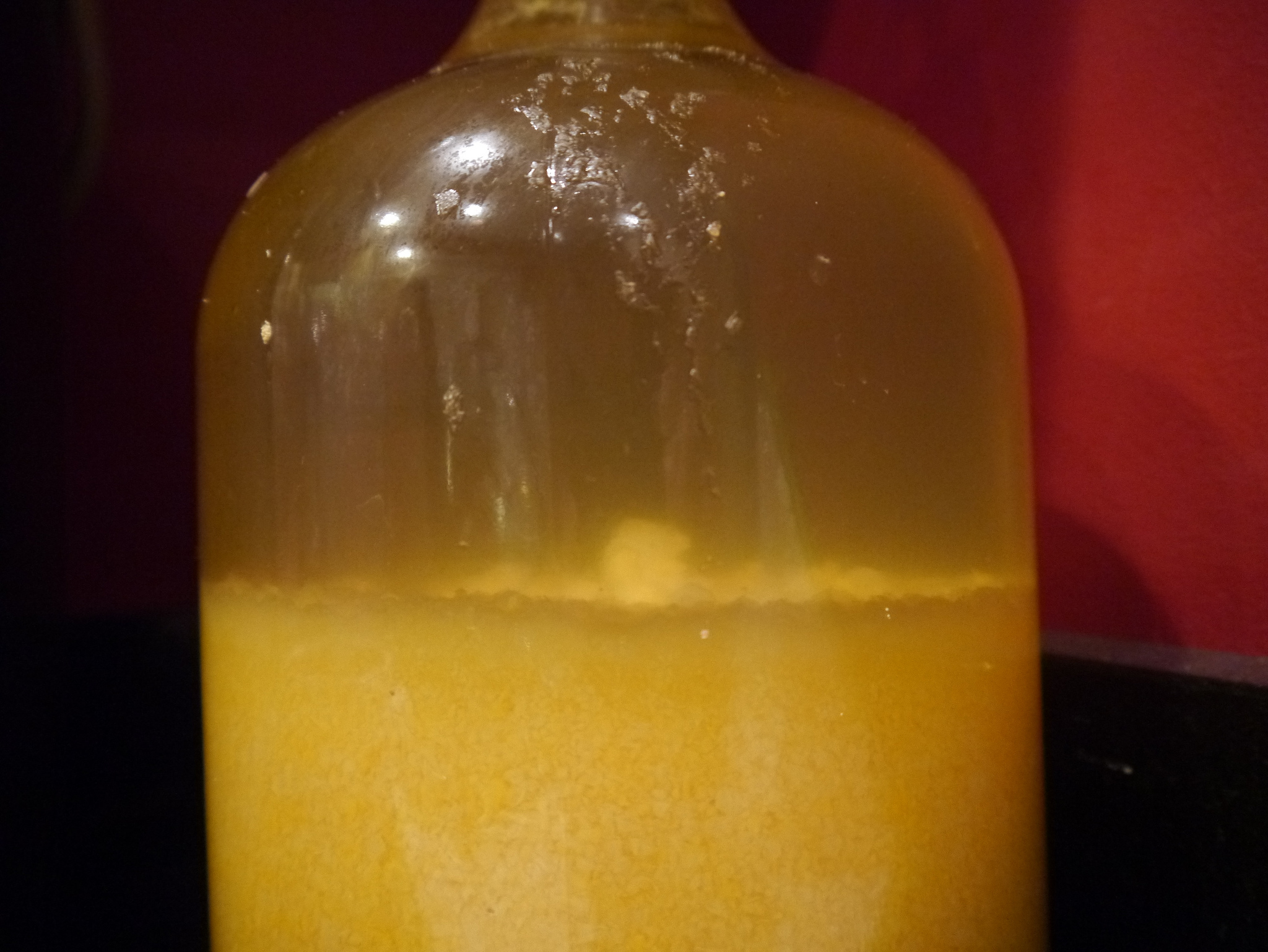
This is a lesson in extreme resourcefulness. In any small business, the goal is to optimize the conversion of inputs into a high-value output. In the cell block, this is achieved by minimizing waste and maximizing the “yield” per square foot of storage space. Producers must hide their manufacturing “facility” from guards, turning passive space—like a hidden corner or an under-bunk storage area—into a productive asset.
Quality Control and Market Reputation
Just like in the legitimate beverage industry, brand equity matters. An inmate who consistently produces a “cleaner” or more potent batch of pruno establishes a reputation. In an unregulated market, this reputation serves as a guarantee of quality. A producer with a poor track record will struggle to trade their goods, while a reputable one can establish a “monopoly” within their housing unit. This hierarchy of production dictates who controls the flow of “currency” (the wine) and, by extension, who holds the most influence within the micro-economy.
The Socio-Economic Impact on the Correctional Ecosystem
The presence of pruno and the trade networks that support it create a shadow economy that operates parallel to the official prison administration. This has profound implications for how resources are distributed and how social status is negotiated.
Resource Allocation and Income Redistribution
When items like sugar packets or fruit cups become the primary ingredients for a luxury good, the cost of living for the general population shifts. When an item is bought up in bulk to support the production of pruno, the scarcity of that item increases for everyone else. This creates an inflationary pressure on those specific goods within the commissary system.
Investors who back the production of pruno—often providing the initial capital in the form of commissary-bought ingredients—act as silent partners in a high-risk venture. They share in the output, creating a rudimentary form of venture capital or profit-sharing. This reinforces the stratification of the prison population, as those with access to capital (money sent by families or earned through institutional labor) can leverage it to multiply their purchasing power through these illicit enterprises.
The Role of Regulatory Interference
The prison administration acts as the primary regulatory body, essentially attempting to “tax” or prohibit the industry entirely. The constant threat of raids is the prison equivalent of a sudden, harsh change in trade policy or an aggressive antitrust intervention. Because the “government” (administration) cannot tax the profits of this industry, it seeks to destroy it.
This environment creates a perpetual cycle of boom and bust. As supply is seized and destroyed, the market price for the remaining stock skyrockets. Producers who can successfully innovate—perhaps by finding better hiding spots or more efficient fermentation methods—remain profitable. Those who fail to adapt or who are caught are effectively forced into “bankruptcy,” losing both their initial capital investment and their potential profit.

Conclusion: The Resilience of Informal Markets
Prison wine is far more than a curious or stomach-turning byproduct of incarceration; it is a manifestation of basic economic principles operating under extreme duress. It demonstrates that as long as there is demand for a product and a restriction on supply, human beings will find a way to create a market.
Whether one views pruno as a symbol of human desperation or a testament to human ingenuity, it remains a pillar of the prison’s internal financial system. By analyzing the production, trade, and consumption of this illicit substance, one gains a clearer understanding of how value is created and protected in environments where traditional systems have been stripped away. In the end, the prison wine economy is a reflection of the fundamental truth of finance: where there is a void, someone will eventually move to fill it, provided the potential return on investment—even in the darkest of circumstances—is perceived to outweigh the inherent risk of the venture.
aViewFromTheCave is a participant in the Amazon Services LLC Associates Program, an affiliate advertising program designed to provide a means for sites to earn advertising fees by advertising and linking to Amazon.com. Amazon, the Amazon logo, AmazonSupply, and the AmazonSupply logo are trademarks of Amazon.com, Inc. or its affiliates. As an Amazon Associate we earn affiliate commissions from qualifying purchases.