
In the highly competitive world of cosmetics, beauty brands are constantly navigating the delicate balance between product innovation and consumer demand. Among the staples of any makeup line, pressed powder stands as a testament to effective product design and strategic market positioning. Understanding what pressed powder is requires looking beyond the fine-milled pigments and binders; it requires an analysis of how brand strategy dictates the formulation, packaging, and marketing of a product that has become a cornerstone of the global beauty industry.
The Strategic Anatomy of Pressed Powder
At its core, pressed powder is a cosmetic product composed of finely milled pigments, fillers, and binders compressed into a solid cake form. Unlike loose powder, which consists of uncompressed, free-flowing particles, pressed powder is engineered for portability and ease of application. From a brand development perspective, the formulation of a pressed powder is a strategic decision that balances texture, longevity, and sensory experience.

Formulation as a Brand Differentiator
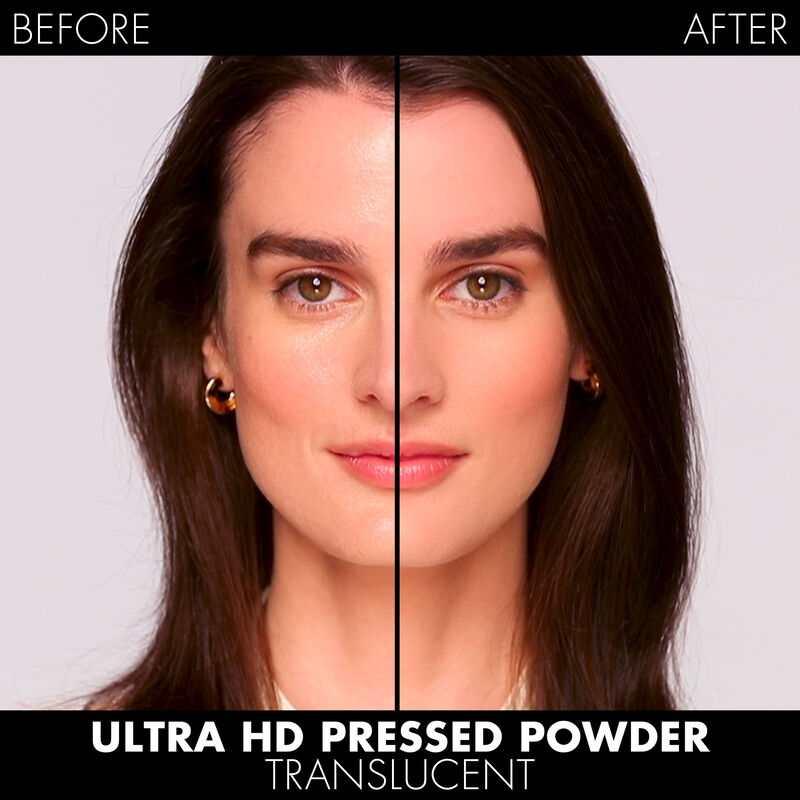
The “feel” of a pressed powder is often the primary touchpoint for a consumer’s brand loyalty. Brands invest heavily in research and development to ensure that the binder systems—the ingredients that hold the powder together—do not interfere with the color payoff or the skin’s texture. High-end brands may opt for proprietary silicone-coated pigments or micro-fine spherical powders to create a “blurring” effect, which becomes a key value proposition in their marketing collateral. By focusing on these technical differentiators, a company can elevate a simple commodity product into a luxury essential, justifying a premium price point through perceived quality and performance.
The Role of Packaging in Market Positioning
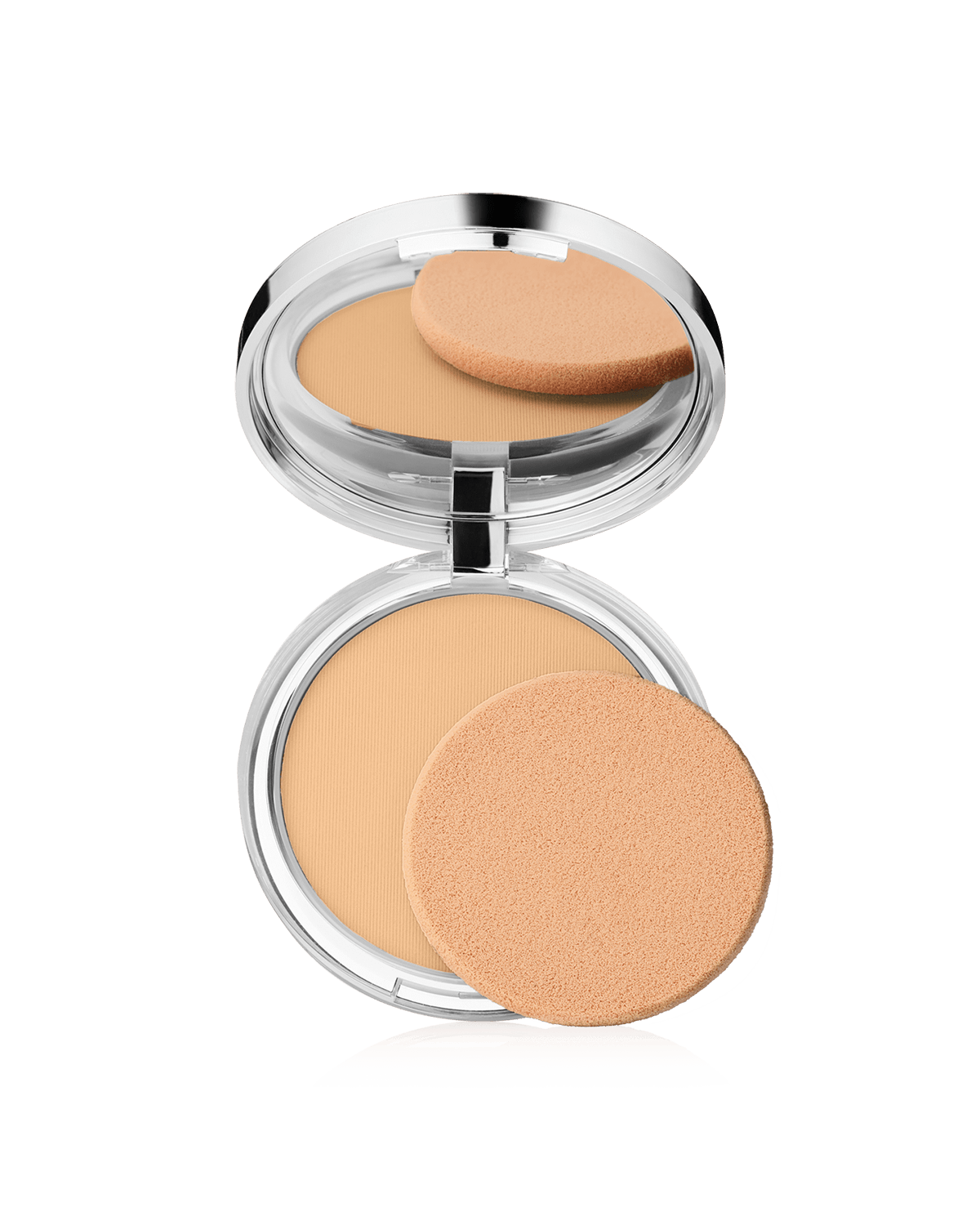
Pressed powder is unique in that its packaging is inseparable from its utility. The choice of compact—whether plastic, metal, or sustainably sourced bamboo—serves as a tangible representation of a brand’s corporate identity. A sleek, heavy-weighted compact signals prestige and durability, appealing to luxury consumers. Conversely, lightweight, refillable, or minimalist packaging communicates a brand strategy centered on environmental responsibility and ethical consumerism. In this context, the product is not just the powder itself, but the entire “experience” provided by the compact, which is designed to be carried in a purse, used in public, and showcased as a reflection of the user’s personal brand.
Marketing and Consumer Psychology in Beauty
Marketing pressed powder involves far more than simply highlighting its ability to set makeup or reduce shine. It involves tapping into the psychological needs of the consumer: the need for convenience, the desire for a flawless appearance, and the aspiration to align with a specific lifestyle.
Defining the Target Demographic
Brand strategy for pressed powder often begins with identifying the specific use-case of the target demographic. For a professional, on-the-go consumer, the brand might emphasize the product’s “touch-up” capabilities, focusing on the longevity of the formula throughout a workday. For a consumer focused on influencer-led trends, the strategy might pivot toward the product’s finish—matte, radiant, or velvet—and how it performs on camera. By segmenting the audience, brands can tailor their messaging to address specific pain points, ensuring that the pressed powder feels like a personalized solution rather than a one-size-fits-all product.
Storytelling and Visual Branding
Successful beauty brands use pressed powder as a vehicle for brand storytelling. A brand focused on “clean beauty” will highlight the exclusion of talc, synthetic fragrances, or parabens in their pressed powder, effectively using the product to validate their commitment to safety and transparency. The visual language—the color of the pan, the stamping of the logo into the powder, and the design of the compact—all contribute to a cohesive visual identity. When a consumer uses a pressed powder branded with a high-profile logo, they are participating in a visual exchange that reinforces their own personal brand.
The Intersection of Product Innovation and Sustainability
In the modern beauty landscape, brand strategy is increasingly defined by how a company manages the tension between innovation and environmental impact. Pressed powder, by virtue of being a solid, concentrated product, has a distinct advantage over liquid alternatives, yet it faces unique challenges in terms of supply chain and sustainable materials.
Refillable Systems as a Competitive Edge
One of the most significant shifts in cosmetic brand strategy is the move toward refillable pressed powder compacts. This initiative does two things: it fosters long-term brand loyalty by ensuring the consumer returns to the brand to purchase the replacement pans, and it bolsters the company’s ESG (Environmental, Social, and Governance) profile. By marketing the refillable pan as an economic and environmental “smart choice,” brands are successfully converting one-time buyers into long-term subscribers, thereby stabilizing their revenue streams and enhancing customer lifetime value.
Quality Control and Brand Integrity
Consistency is the bedrock of corporate identity in the beauty sector. Because pressed powders are manufactured in large batches, any variation in the pressing pressure, the saturation of the pigment, or the durability of the binder can lead to product fracturing or color inconsistency. Brands that implement rigorous quality control measures essentially protect their reputation from the viral nature of social media criticism. A single batch of “chalky” or “shattered” powder can cause significant reputational damage. Therefore, the brand strategy for pressed powder is inherently tied to supply chain management and manufacturing partnerships, ensuring that every compact reaching the customer shelf meets the high standards defined by the brand’s promise of excellence.
Leveraging Data and Influencer Partnerships
To maintain relevance in a saturated market, brands utilize data analytics and influencer partnerships to iterate on their pressed powder offerings. The feedback loop between social media usage, consumer reviews, and product formulation is faster today than at any point in history.
The Feedback Loop
Modern brands monitor search trends and social media sentiment to determine what the next generation of pressed powder needs to be. Is the market currently trending toward “soft-focus” finishes? Is there a demand for multi-purpose powders that offer sheer coverage? By leveraging this data, brands can pivot their R&D efforts to meet emerging trends before competitors do. This responsiveness is a critical component of a modern brand strategy, transforming the development process from a secretive internal project into a community-driven initiative.
Influencer Integration
When influencers showcase a pressed powder, they are not just demonstrating a product; they are endorsing a brand lifestyle. Brands that partner with key opinion leaders (KOLs) to create custom shades or limited-edition compact designs effectively leverage the influencer’s personal brand to gain immediate credibility. This strategy shifts the focus from the technical specifications of the powder to the emotional connection the influencer has with their audience. Consequently, the pressed powder becomes a tangible badge of the influencer’s aesthetic, creating an instant market demand that traditional advertising struggle to replicate.
In conclusion, pressed powder is far more than a simple cosmetic. It is a strategically engineered product that sits at the intersection of material science, market psychology, and corporate identity. For brands, the success of a pressed powder is measured not only by its performance on the skin but by its ability to reinforce brand values, adapt to changing environmental standards, and engage the consumer through a carefully curated blend of utility, aesthetics, and lifestyle positioning. As the beauty industry continues to evolve, the pressed powder will remain a vital instrument in the toolkit of brand strategy, proving that even the most fundamental products can be elevated to extraordinary heights through thoughtful design and market-focused innovation.
aViewFromTheCave is a participant in the Amazon Services LLC Associates Program, an affiliate advertising program designed to provide a means for sites to earn advertising fees by advertising and linking to Amazon.com. Amazon, the Amazon logo, AmazonSupply, and the AmazonSupply logo are trademarks of Amazon.com, Inc. or its affiliates. As an Amazon Associate we earn affiliate commissions from qualifying purchases.