
Purchasing a car, whether new or used, is one of the most significant financial decisions many individuals make after buying a home. While the excitement of a new set of wheels is palpable, the underlying financial agreement—specifically the auto loan—demands careful scrutiny. At the heart of this agreement lies the Annual Percentage Rate (APR), a critical metric that profoundly influences the total cost of your vehicle. Understanding what constitutes a “good” auto loan APR is not merely about snagging a low number; it’s about empowering yourself with knowledge to make an informed decision that aligns with your financial health and future goals.
Many car buyers fixate solely on the monthly payment, often overlooking the long-term implications of their loan’s APR. Yet, the APR is the true barometer of how much you will pay for the privilege of borrowing money. A seemingly small difference in APR can translate into hundreds, if not thousands, of dollars over the life of a loan. This article will delve into what APR truly means, the factors that dictate its value, current market trends, and practical strategies to secure the most favorable rate possible, ensuring your dream car doesn’t turn into a financial burden.
Understanding Auto Loan APR: Beyond the Interest Rate
To effectively assess what a “good” auto loan APR entails, it’s crucial to first grasp its fundamental definition and how it differs from a simple interest rate. These terms are often used interchangeably, but their distinctions are vital for any borrower.
Defining APR and Why it Matters
The Annual Percentage Rate (APR) represents the true annual cost of borrowing money. It’s not just the interest rate; it’s a broader measure that includes the interest rate plus any additional fees or costs associated with obtaining the loan. These fees might include origination fees, processing fees, or even certain insurance premiums bundled into the loan by the lender. Federal law mandates that lenders disclose the APR to give consumers a clear, comprehensive understanding of the total cost of credit over the loan’s term.
Why does this matter? Because a loan with a low advertised interest rate might appear attractive, but if it comes with high upfront fees, its APR could be significantly higher than a loan with a slightly higher interest rate but no additional fees. The APR offers a standardized way to compare different loan offers apples-to-apples, allowing you to see the complete financial picture beyond just the headline interest rate. It’s the single most important number to consider when comparing loan products from various lenders.
Distinguishing APR from Simple Interest Rate
The interest rate is simply the percentage charged by the lender for borrowing the principal amount. It is typically expressed as an annual percentage and is used to calculate the periodic interest payments. For example, if you borrow $20,000 at a 5% interest rate, the interest calculation would start from that 5%.
The APR, as discussed, encompasses this interest rate plus other costs. Think of it as the effective interest rate you’re actually paying. While the interest rate might dictate the interest portion of your monthly payment, the APR reflects the total financial burden. For instance, if a loan has a 4.5% interest rate but also includes $500 in processing fees, the APR will be higher than 4.5% to account for those additional costs spread over the loan’s term. This distinction is critical because focusing only on the interest rate can lead to an underestimation of the actual cost of borrowing.
Key Factors Influencing Your Auto Loan APR
The APR you qualify for isn’t arbitrary; it’s a highly individualized figure determined by a confluence of financial and market factors. Understanding these influences can help you take proactive steps to secure a better rate.
The Pivotal Role of Your Credit Score
Your credit score is arguably the most significant determinant of your auto loan APR. Lenders use credit scores (like FICO or VantageScore) as a quick indicator of your creditworthiness and your likelihood of repaying the loan. A higher credit score signals to lenders that you are a low-risk borrower, making them more willing to offer you lower interest rates and, consequently, a lower APR.
- Excellent Credit (780-850): Borrowers in this tier typically qualify for the lowest rates, often under 5% for new cars and slightly higher for used.
- Good Credit (670-739): Still considered low-risk, these borrowers can expect competitive rates, though slightly higher than those with excellent credit.
- Fair Credit (580-669): Individuals in this range will likely face higher APRs as lenders perceive a moderate risk.
- Poor Credit (300-579): High-risk borrowers will encounter the highest APRs, sometimes in double digits, or may struggle to get approved at all.
Loan Term and its Impact
The length of your auto loan, or the loan term, also plays a critical role. Shorter loan terms (e.g., 36 or 48 months) generally come with lower APRs because lenders assume less risk over a shorter period. The longer the term (e.g., 72 or 84 months), the higher the perceived risk for the lender due to the increased potential for unforeseen circumstances (job loss, accident, market changes) that could affect your ability to repay. While longer terms result in lower monthly payments, they almost always lead to a higher overall APR and significantly more total interest paid over the life of the loan.
Vehicle Type and Age Considerations
The type of vehicle you purchase and its age can also influence your APR. New cars typically qualify for lower APRs than used cars. This is because new cars hold their value better initially, making them less risky collateral for the lender. Used cars, especially older models, depreciate faster and can be seen as higher risk, leading to higher APRs. Luxury vehicles or specialized models might also have different rates depending on their market value and liquidity.
Down Payment and Debt-to-Income Ratio
A substantial down payment reduces the amount you need to borrow, which in turn reduces the lender’s risk. The lower the loan amount relative to the vehicle’s value, the more equity you have from the start, making you a more attractive borrower and potentially qualifying you for a lower APR. Similarly, your debt-to-income (DTI) ratio, which compares your monthly debt payments to your gross monthly income, is another metric lenders use. A lower DTI indicates that you have more disposable income to cover loan payments, increasing your appeal to lenders and improving your chances for a favorable APR.
Lender Type and Competitive Landscape
The type of lender you choose can also impact your APR.
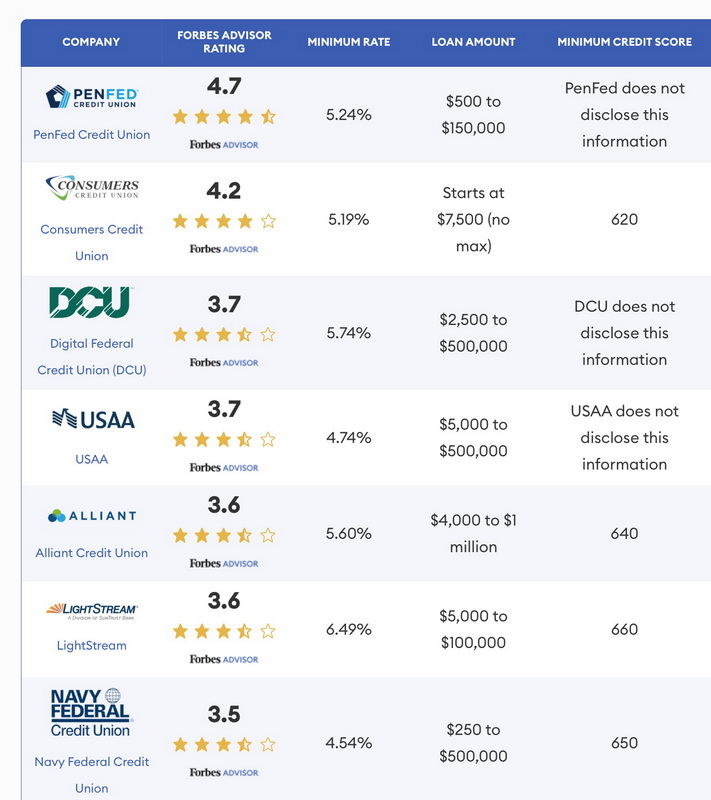
- Banks and Credit Unions: Generally offer competitive rates, especially to their existing customers. Credit unions are known for often having slightly better rates due to their member-focused structure.
- Dealership Financing: Convenient, as it allows for one-stop shopping, but may not always offer the absolute best rates. However, manufacturers sometimes offer promotional APRs (e.g., 0% or 0.9%) through dealership financing to incentivize sales, though these are typically reserved for buyers with excellent credit on specific models.
- Online Lenders: Have become increasingly popular, offering quick approvals and competitive rates, often allowing for easy rate comparisons.
The competitive landscape among these lenders means shopping around is crucial. Each lender assesses risk differently and has varying overheads, leading to a spectrum of APR offers.
Navigating Current Auto Loan APRs

To truly understand what a “good” auto loan APR looks like, it’s helpful to benchmark against current market averages. These averages are dynamic and fluctuate based on economic conditions, central bank policies, and consumer demand.
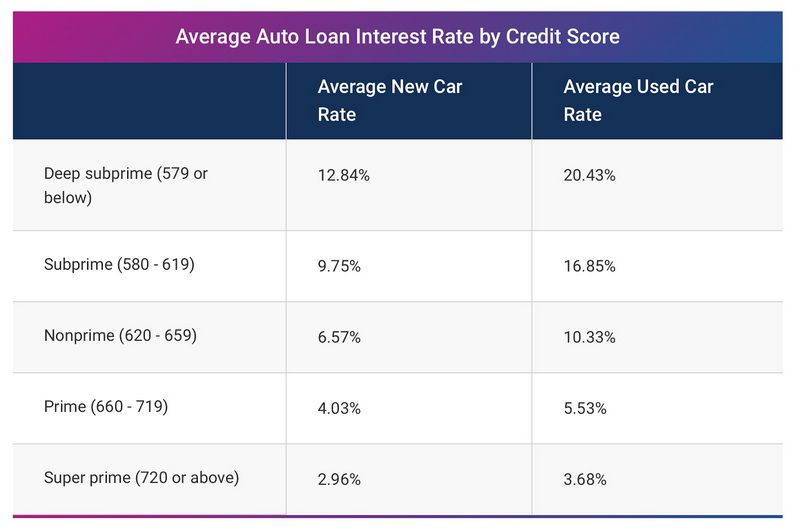
Average APRs by Credit Tier
As of late 2023 and early 2024, general market averages for auto loan APRs (which can vary widely by specific lender and economic climate) are roughly:
-
New Car Loans (Excellent Credit, 780+): 5.0% – 6.5%
-
New Car Loans (Good Credit, 670-739): 6.5% – 8.5%
-
New Car Loans (Fair Credit, 580-669): 9.0% – 13.0%
-
New Car Loans (Poor Credit, 300-579): 14.0% – 20.0%+
-
Used Car Loans (Excellent Credit, 780+): 6.0% – 8.0%
-
Used Car Loans (Good Credit, 670-739): 8.0% – 10.5%
-
Used Car Loans (Fair Credit, 580-669): 11.0% – 16.0%
-
Used Car Loans (Poor Credit, 300-579): 17.0% – 25.0%+
Note: These ranges are illustrative and can change rapidly based on the Federal Reserve’s interest rate decisions and broader economic indicators.
For someone with excellent credit, an APR in the low single digits for a new car loan, or slightly higher for a used car, would be considered “good.” For someone with fair credit, an APR closer to the lower end of their respective range would be considered good, recognizing that their options are inherently more limited.
Trends and Market Fluctuations
Auto loan APRs are influenced by the broader economic environment, particularly the federal funds rate set by the Federal Reserve. When the Fed raises rates to combat inflation, borrowing costs across the board, including auto loans, tend to increase. Conversely, during periods of economic slowdown, the Fed might lower rates, making borrowing cheaper. Supply and demand for vehicles, inflation, and even geopolitical events can all play a part in these fluctuations. Staying abreast of these trends can help you decide if it’s a good time to buy or if waiting might yield a better rate.
Strategies for Securing the Best Auto Loan APR
Achieving a favorable auto loan APR requires more than just hoping for the best. It involves strategic planning and proactive steps to present yourself as the most attractive borrower possible.
Improving Your Credit Health
Given the paramount importance of your credit score, taking steps to improve it before applying for a loan is highly effective.
- Review Your Credit Report: Obtain free copies from AnnualCreditReport.com and dispute any errors.
- Pay Bills on Time: Payment history is the most significant factor in your score.
- Reduce Debt: Lowering your credit utilization (the amount of credit you’re using versus what’s available) can boost your score.
- Avoid New Credit Inquiries: Limit applying for new credit cards or loans in the months leading up to your car purchase, as each inquiry can temporarily ding your score.
Shopping Around and Comparing Offers
Never take the first loan offer you receive. Apply for pre-approval from multiple lenders—banks, credit unions, and online lenders—within a short window (typically 14-45 days, depending on the scoring model). This “rate shopping” period allows multiple hard inquiries to count as a single inquiry on your credit report, minimizing impact. Comparing these offers will give you a clear baseline of the best APR you qualify for before you even step foot in a dealership. Having a pre-approved loan in hand gives you significant leverage during negotiations.
The Power of Negotiation
With a pre-approved loan, you can negotiate with the dealership on the car price, separate from the financing. If the dealership’s finance department can beat your pre-approved APR, great! If not, you have a solid fallback. Don’t be afraid to walk away if the terms aren’t favorable. Remember, dealers make money on financing as well as car sales, so they have an incentive to try and get you to use their financing.
Considering Shorter Loan Terms
While longer loan terms offer lower monthly payments, they often come with higher APRs and significantly increase the total interest paid over time. If your budget allows, opting for a shorter loan term (e.g., 48 or 60 months instead of 72 or 84) can substantially reduce your APR and the overall cost of the loan. Carefully weigh your monthly budget against the long-term savings.
The Long-Term Impact of Your APR Choice
The decision you make regarding your auto loan APR reverberates throughout your financial life, extending far beyond the initial purchase. Understanding this long-term impact is key to making a truly “good” decision.
Total Cost of the Loan
A lower APR directly translates to a lower total cost for your car. Even a one percentage point difference can save you hundreds, if not thousands, of dollars over the life of the loan. For example, on a $30,000 car loan over 60 months:
- At 5% APR, your total interest paid would be approximately $3,950.
- At 6% APR, your total interest paid would be approximately $4,850.
- At 7% APR, your total interest paid would be approximately $5,760.
This difference illustrates how a seemingly small percentage point adds up significantly, impacting your disposable income over several years.
Financial Flexibility and Future Planning
Securing a good APR frees up more of your money for other financial goals. Lower monthly payments due to a better rate, or simply paying less interest overall, means you have more cash available for savings, investments, emergency funds, or other essential expenses. This enhanced financial flexibility contributes to greater peace of mind and strengthens your overall financial position, allowing you to achieve future milestones without the undue burden of an overly expensive car loan.
In conclusion, a “good” auto loan APR isn’t just a number; it’s a reflection of your financial health, your diligence in shopping around, and your understanding of the borrowing landscape. By prioritizing a strong credit score, meticulously comparing offers, and understanding the complete cost of your loan, you empower yourself to make a wise investment in your transportation that aligns with your broader financial well-being.
aViewFromTheCave is a participant in the Amazon Services LLC Associates Program, an affiliate advertising program designed to provide a means for sites to earn advertising fees by advertising and linking to Amazon.com. Amazon, the Amazon logo, AmazonSupply, and the AmazonSupply logo are trademarks of Amazon.com, Inc. or its affiliates. As an Amazon Associate we earn affiliate commissions from qualifying purchases.