
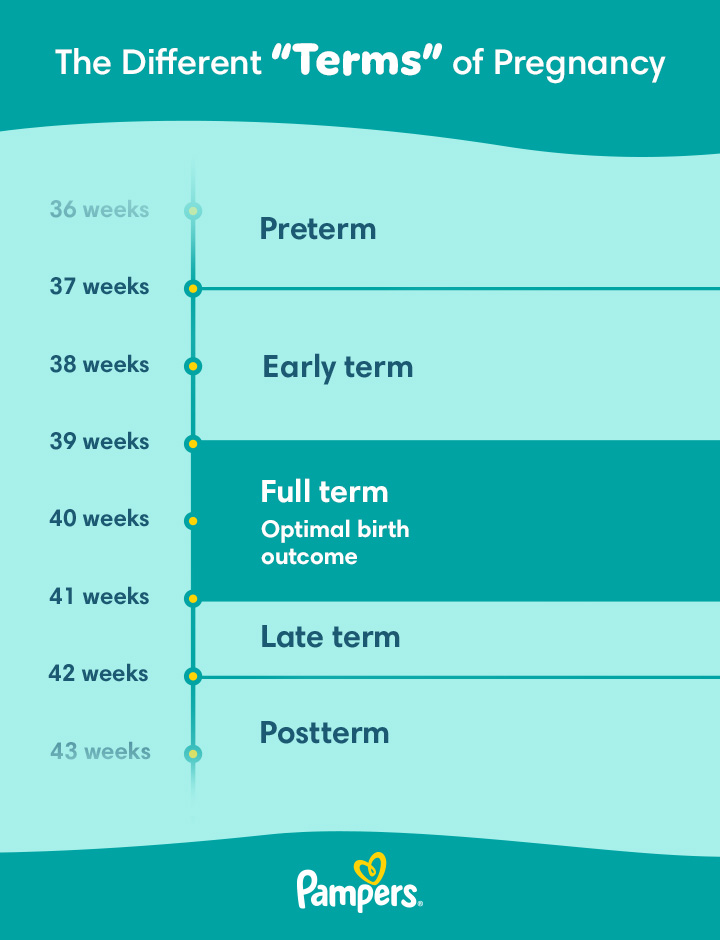
In life, certain phases demand patience, meticulous planning, and consistent effort to reach a desired, optimal outcome. Just as a significant life event like pregnancy reaches its “full term” after a period of growth and development, our financial lives also require a similar journey to achieve a state of complete stability, maturity, and independence. Reaching financial “full term” isn’t merely about accumulating wealth; it’s about building a robust, resilient financial ecosystem that can support your aspirations, weather unforeseen storms, and ultimately provide lasting security for you and your legacy.
This journey is neither linear nor without its challenges, but with a strategic approach, disciplined execution, and a clear understanding of your goals, you can navigate the various stages of wealth creation and preservation to achieve your financial “full term.” It’s a process that spans decades, involving foundational steps, periods of rapid growth, critical adjustments, and ultimately, the satisfying realization of your long-term vision.
Understanding the Concept of ‘Full Term’ in Finance
To embark on this journey, it’s crucial to first define what “full term” means in the context of your personal finances. It’s more than just having a large sum of money; it’s a holistic state of financial well-being characterized by security, freedom, and preparedness.
Defining Financial Maturity and Stability
Financial maturity signifies a state where your assets not only cover your liabilities but also generate sufficient passive income to support your desired lifestyle, often without the constant need for active labor. Stability, on the other hand, implies resilience against economic downturns, unexpected expenses, and market volatility. Achieving “full term” means you have matured your financial resources to a point where they are self-sustaining and robust, capable of weathering various economic climates and life changes. This involves having diversified income streams, a solid emergency fund, appropriate insurance coverage, and a well-structured investment portfolio aligned with your risk tolerance and timeline. It’s about building a fortress, not just a pile of gold.
The Importance of a Long-Term Perspective
The metaphor of “full term” inherently emphasizes duration. Financial success, particularly sustainable wealth building, is rarely an overnight phenomenon. It’s the cumulative result of consistent, intelligent decisions made over many years, if not decades. A long-term perspective allows you to harness the power of compounding, smooth out market fluctuations, and recover from inevitable setbacks. It shifts focus from speculative short-term gains to strategic, patient growth. Embracing this long-term view means setting goals that extend beyond the next quarter or year, envisioning retirement, generational wealth, or significant legacy projects, and aligning your current financial actions with these distant horizons.
Moving Beyond Short-Term Gains
While tempting, chasing rapid, short-term gains often leads to increased risk and potential losses. The “full term” approach encourages a more conservative yet ultimately more rewarding path. It means prioritizing steady, compounding returns over high-volatility speculation. This isn’t to say there’s no place for calculated risk, but rather that the core of your wealth-building strategy should be anchored in proven principles: consistent saving, strategic investing in diversified assets, and diligent expense management. By resisting the allure of quick riches, you build a more stable foundation, allowing your wealth to grow organically and robustly over time, mirroring the natural, steady progression towards a healthy “full term” outcome.
The Gestation Period: Early Stages of Wealth Creation
Every successful financial journey begins with foundational steps, much like the initial “gestation period” where the essential structures are formed. These early stages are critical for setting the trajectory for future growth and ensuring a healthy financial outcome.
Foundation Building: Budgeting and Debt Management
The absolute bedrock of financial “full term” is a sound budget and disciplined debt management. A budget acts as your financial roadmap, dictating how your income is allocated to expenses, savings, and investments. It highlights areas for optimization and ensures you’re living within your means. Concurrently, tackling high-interest debt, such as credit card balances or personal loans, is paramount. These debts act as significant drag on your wealth-building efforts, siphoning off resources that could otherwise be invested. Prioritizing debt elimination, perhaps using strategies like the debt snowball or avalanche method, frees up cash flow and builds financial momentum, laying a clear path for future growth.
Early Investment Strategies: Compounding’s Power
Once a stable budget is in place and high-interest debt is under control, the focus shifts to leveraging the incredible power of compounding. Starting to invest early, even with modest amounts, provides your money the maximum time to grow exponentially. Understanding basic investment vehicles like diversified index funds, ETFs, and employer-sponsored retirement plans (e.g., 401(k)s, IRAs) is crucial. Consistent contributions, regardless of market conditions, allow you to dollar-cost average, reducing the impact of market volatility and systematically building your portfolio. The earlier you begin, the more time your investments have to compound, becoming a powerful engine for long-term wealth accumulation.
Risk Assessment and Portfolio Diversification
During these early stages, it’s also vital to understand your personal risk tolerance and begin the process of portfolio diversification. Diversification, spreading investments across various asset classes (stocks, bonds, real estate, etc.), industries, and geographies, is key to mitigating risk. It ensures that a downturn in one area does not decimate your entire portfolio. A proper risk assessment helps tailor your asset allocation – the mix of different investments – to your comfort level and timeline. Younger investors, with longer horizons, might tolerate more risk, while those closer to their “full term” might opt for a more conservative allocation. This foundational understanding and strategic approach to risk management are essential for building a resilient portfolio capable of steady growth.
Navigating the Middle Trimesters: Growth and Adaptation
As your financial journey progresses, you enter a period of sustained growth and significant adaptation. This “middle trimester” is characterized by scaling your investments, making crucial adjustments, and protecting your growing assets.
Mid-Career Financial Planning: Scaling Your Investments
Mid-career often brings increased income, which provides an opportune moment to significantly scale your investment contributions. This phase demands a review of your financial goals, possibly including purchasing a home, funding children’s education, or even planning for a sabbatical. It’s the ideal time to maximize contributions to tax-advantaged accounts like 401(k)s, IRAs, and HSAs, leveraging their growth potential. You might also explore more complex investment strategies, such as real estate investment or exploring alternative assets, always with a clear understanding of the associated risks and rewards. This period is about accelerating your journey towards financial independence, strategically deploying your increased earning power.
Adapting to Market Fluctuations and Economic Shifts
Markets are inherently cyclical, experiencing periods of boom and bust. Economic shifts, technological advancements, and geopolitical events can all impact your investments. During these middle trimesters, a mature investor learns to adapt rather than react impulsively. This might involve rebalancing your portfolio to maintain your desired asset allocation, taking advantage of market dips to buy more assets at lower prices, or adjusting your overall strategy in response to significant economic changes. The key is to remain disciplined, stick to your long-term plan, and avoid emotional decisions based on short-term market noise. Your ability to adapt and stay the course through various market conditions is a hallmark of a robust financial strategy.
Estate Planning and Asset Protection
As wealth accumulates, protecting your assets and planning for their eventual distribution becomes increasingly important. This includes establishing a will, designating beneficiaries, and potentially setting up trusts. Estate planning ensures your assets are distributed according to your wishes, minimizes taxes, and avoids complex probate processes. Asset protection strategies might also involve considering various insurance policies – life, disability, umbrella liability – to shield your wealth from unforeseen events and liabilities. These steps are crucial for ensuring that the wealth you’ve diligently built reaches its intended “full term” and continues to benefit your loved ones and chosen causes.
Reaching ‘Full Term’: Harvesting Your Financial Success
The moment of “full term” in finance is typically associated with retirement or achieving financial independence, a time when your accumulated wealth is ready to support your lifestyle without the need for active income generation. This phase involves strategic harvesting and preservation.
Retirement Planning: Securing Your Golden Years
For many, reaching financial “full term” culminates in a well-funded retirement. This stage requires a careful shift from accumulation to distribution. It involves assessing your living expenses in retirement, understanding various income streams (Social Security, pensions, investment withdrawals), and strategizing the most tax-efficient ways to draw down your assets. This might involve a “bucket strategy” for withdrawals, allocating funds to different time horizons, or converting traditional IRA funds to Roth IRAs in a tax-efficient manner. The goal is to ensure your savings last throughout your retirement, providing comfort and peace of mind.
Wealth Preservation and Succession Planning
Once you’ve reached your financial “full term,” the focus shifts from aggressive growth to meticulous preservation. This involves reducing exposure to high-risk investments, perhaps increasing your allocation to income-generating assets or less volatile securities. Succession planning becomes paramount, detailing how your wealth will be transferred to future generations or philanthropic endeavors. This could involve working with financial advisors and legal experts to establish trusts, foundations, or charitable giving strategies that align with your values and legacy goals, ensuring your wealth continues to serve its intended purpose beyond your lifetime.
The Joy of Financial Independence
The ultimate reward of achieving financial “full term” is the profound joy of financial independence. This isn’t just about having enough money; it’s about the freedom to live life on your terms. It means having the autonomy to pursue passions, spend quality time with loved ones, travel, or contribute to causes you believe in, without the constraints of financial necessity. It’s the peace of mind that comes from knowing you are prepared for whatever life throws your way, and that your diligent efforts over decades have culminated in a secure and fulfilling future.
Post-Maturity: Sustaining and Evolving Your Wealth
Even after reaching financial “full term,” the journey doesn’t end. It evolves into a new phase of sustaining your wealth, adapting to new circumstances, and perhaps even creating a lasting legacy.
Continuous Learning and Adjustment
The financial landscape is ever-changing. New investment opportunities arise, economic policies shift, and personal circumstances evolve. Sustaining your financial “full term” requires a commitment to continuous learning and periodic adjustments to your financial plan. Regular reviews with your financial advisor, staying informed about market trends, and being open to modifying your strategies are crucial for maintaining the health and longevity of your wealth. Just as you adapt through life’s stages, your financial plan must remain flexible and responsive.
Giving Back: Philanthropy and Legacy
For many who achieve financial “full term,” the post-maturity phase often includes a strong desire to give back. Philanthropy, whether through direct donations, establishing a family foundation, or planned giving, becomes a meaningful way to utilize accumulated wealth for the greater good. This not only creates a positive impact but also solidifies your legacy, extending the reach and purpose of your financial journey far beyond personal gain. It’s about using your financial success to leave a lasting mark on the world.

Adapting to New Life Stages and Goals
Life doesn’t stop after retirement. New goals may emerge – a second career, extensive travel, caring for grandchildren, or unexpected health needs. Your financial plan must be agile enough to adapt to these new life stages. This might mean re-evaluating your spending patterns, adjusting withdrawal strategies, or even exploring new investment avenues that align with evolving priorities. The journey of financial “full term” is not a static endpoint but a dynamic process that continues to evolve, reflecting the ongoing tapestry of life itself.
Reaching financial “full term” is a testament to foresight, discipline, and perseverance. It’s a journey that builds a robust foundation, fosters consistent growth, and culminates in a state of empowered financial independence, allowing you to live a life of purpose and security, long after the initial planning began.
aViewFromTheCave is a participant in the Amazon Services LLC Associates Program, an affiliate advertising program designed to provide a means for sites to earn advertising fees by advertising and linking to Amazon.com. Amazon, the Amazon logo, AmazonSupply, and the AmazonSupply logo are trademarks of Amazon.com, Inc. or its affiliates. As an Amazon Associate we earn affiliate commissions from qualifying purchases.