
For decades, the answer to “what channel is the Yankee game on?” was simple. You turned the dial to a local broadcast station or, later, tuned into a specific cable provider’s sports package. However, in the current era of digital disruption, that question has become a complex technological puzzle. The migration of live sports from linear television to a fragmented ecosystem of streaming platforms, apps, and regional networks represents one of the most significant shifts in the history of media technology.
To understand where to find the Bronx Bombers today, one must navigate a landscape defined by over-the-top (OTT) services, geo-fencing algorithms, and high-bandwidth streaming protocols. This evolution isn’t just about changing the channel; it’s about a complete overhaul of how data is delivered to the end-user.
The Fragmentation of Sports Media: From Cable to Cloud
The primary reason fans now struggle to find the game is the technological “unbundling” of traditional media. We have moved from a centralized cable model to a decentralized digital model. This shift is driven by the rise of specialized software platforms designed to capture specific market segments.
The Decline of Linear Television Infrastructure
Linear television operates on a “push” model, where content is broadcast to everyone simultaneously via satellite or coaxial cable. While reliable, this technology lacks the interactivity and data-harvesting capabilities of modern tech. As consumers “cut the cord,” the infrastructure supporting traditional channels has weakened. This has forced major sports brands like the New York Yankees to diversify their delivery methods, moving away from a single “channel” and toward a suite of digital applications.
The Rise of Direct-to-Consumer (DTC) Platforms
The emergence of Direct-to-Consumer tech has revolutionized sports accessibility. Platforms like the YES App or MLB.TV are built on sophisticated cloud architectures—primarily leveraging Amazon Web Services (AWS) or Google Cloud—to handle massive spikes in concurrent viewership. Unlike traditional cable, these platforms allow for personalized user experiences, but they also require the user to manage multiple software licenses and logins, turning the simple act of watching a game into a multi-platform tech management task.
Decoding the Tech Stack: Where the Game Lives Now
Finding the Yankees game today requires an understanding of the specific technology stack used by different rights holders. On any given night, the game might be hosted on a Regional Sports Network (RSN), a national streaming exclusive, or a traditional network broadcast.
Regional Sports Networks (RSNs) and App Integration
The YES Network remains the primary hub for Yankees games. However, the technology used to access YES has transitioned from hardware-dependent (the cable box) to software-dependent (the YES App). This app utilizes advanced video encoding standards, such as H.264 or HEVC, to ensure that high-definition streams remain stable even on variable mobile connections. For the tech-savvy fan, the “channel” is now an application interface that must be updated, authenticated via OAuth protocols, and compatible with various operating systems like iOS, Android, or Roku OS.
National Streaming Exclusives: Apple TV+ and Amazon Prime
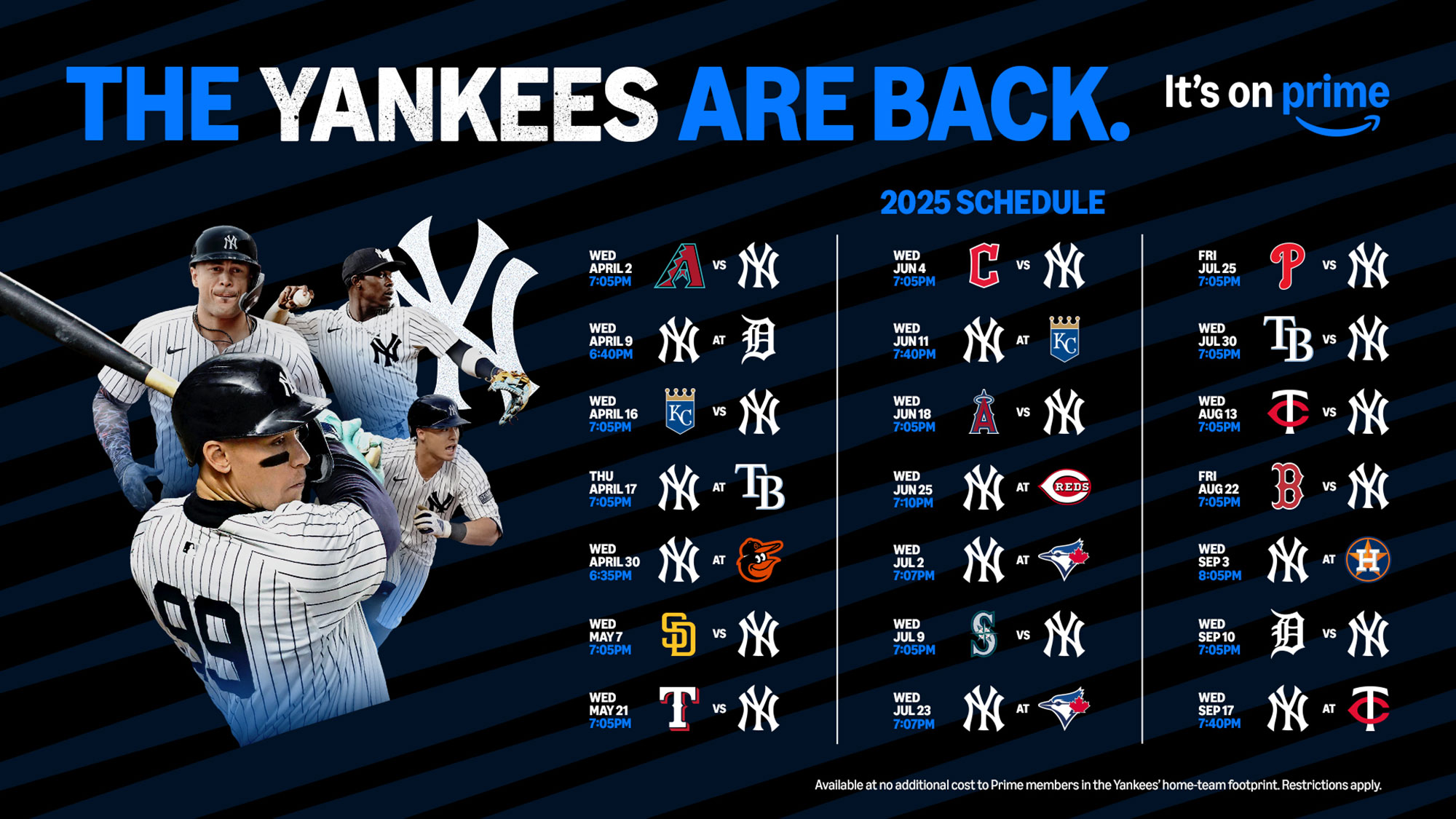
Perhaps the most disruptive tech trend in sports is the acquisition of exclusive rights by tech giants like Apple and Amazon. When a Yankee game is on Apple TV+, it isn’t on a “channel” in the traditional sense at all. It is a data stream hosted on Apple’s proprietary content delivery network (CDN). These platforms use “Adaptive Bitrate Streaming” (ABS), which dynamically adjusts the quality of the video stream based on the user’s internet speed in real-time. This prevents the “buffering” icon from ruining a crucial ninth-inning moment, but it requires the fan to be comfortable navigating a sophisticated digital ecosystem rather than just punching a number into a remote.
Overcoming Geographical Barriers: VPNs and Geo-Blocking Technology
One of the most frustrating technological hurdles for fans is the “blackout” rule. This is a digital barrier enforced by geo-blocking technology, designed to protect the exclusive rights of local broadcasters.
How Geo-Fencing Works in Sports
Geo-fencing utilizes a user’s IP address or GPS data to determine their physical location. When you open a streaming app to watch the Yankees, the software performs a “handshake” with a geolocation database. If your IP address originates from a zip code that is deemed “in-market” for a national broadcast, the software may block your access to the stream. This is a complex layer of digital rights management (DRM) that uses automated scripts to verify compliance with multi-billion dollar contracts in milliseconds.
The Technical Workarounds: VPNs and Proxy Servers
To bypass these digital fences, many fans have turned to Virtual Private Networks (VPNs). A VPN functions by encrypting a user’s data and routing it through a server in a different geographic location. By doing so, a fan in Manhattan can appear to be browsing from Los Angeles, thereby bypassing local blackout restrictions on MLB.TV. From a tech standpoint, this involves tunneling protocols like OpenVPN or WireGuard. However, as streaming platforms use increasingly sophisticated AI to detect and block known VPN server IP addresses, a continuous “arms race” persists between the software developers of streaming apps and those of privacy tools.
The Future of the Fan Experience: AI, 5G, and Immersive Tech
As we look toward the future, the question of “what channel” will become even more obsolete as the technology behind the broadcast becomes more immersive and interactive. We are entering an era where the broadcast is no longer a passive video feed but a data-rich environment.
Real-Time Data Overlays and Interactive Broadcasts
Modern sports broadcasting technology is integrating real-time analytics directly into the stream. Using Statcast data—which tracks player movement and ball velocity via high-speed cameras and radar—broadcasters can overlay digital information directly onto the live video. This requires immense processing power and low-latency data transmission. Fans can now toggle between different camera angles or pull up an “overlay” of a pitcher’s strike zone history, all powered by edge computing that processes data closer to the source to reduce delay.
The Impact of 5G and Low-Latency Streaming
The biggest technical hurdle for live sports streaming has always been latency. In a world of social media, a “live” stream that is 30 seconds behind the actual play is a failure, as a fan might receive a score alert on their phone before seeing the home run on their screen. The rollout of 5G technology is critical here. 5G’s high bandwidth and low latency allow for “Ultra-Reliable Low-Latency Communications” (URLLC), which could eventually bring streaming lag down to sub-second levels, finally matching or exceeding the performance of traditional satellite broadcasts.

Conclusion: Adapting to the New Digital Playbook
The search for “what channel is the Yankee game on” is a microcosm of the broader digital transformation occurring across all sectors of society. We have transitioned from a world of hardware and physical signals to a world of software, apps, and cloud-based delivery. For the modern fan, the “channel” is now a confluence of high-speed internet, app compatibility, and geographic data permissions.
Staying connected to the game requires more than just a television; it requires a basic understanding of the tech stack that brings the game from the stadium to your screen. Whether it’s navigating the YES App, understanding the nuances of an Amazon Prime exclusive, or troubleshooting a geo-blocking error, the technology is now as much a part of the game as the players on the field. As AI and 5G continue to evolve, the way we consume the New York Yankees will only become more integrated, data-driven, and technologically sophisticated, forever changing the meaning of “tuning in.”
aViewFromTheCave is a participant in the Amazon Services LLC Associates Program, an affiliate advertising program designed to provide a means for sites to earn advertising fees by advertising and linking to Amazon.com. Amazon, the Amazon logo, AmazonSupply, and the AmazonSupply logo are trademarks of Amazon.com, Inc. or its affiliates. As an Amazon Associate we earn affiliate commissions from qualifying purchases.