
Positional vertigo, while fundamentally a medical condition characterized by sudden, brief episodes of dizziness and spinning sensations triggered by specific head movements, carries a profound and often underestimated financial dimension. For individuals and families grappling with this disorienting ailment, understanding “what it is” extends far beyond its physiological symptoms to encompass a significant array of economic challenges, healthcare expenditures, and productivity losses. This article deconstructs positional vertigo through the lens of personal and business finance, exploring its true cost from diagnosis to long-term management and the strategic financial planning necessary to mitigate its impact.
Deconstructing the Financial Burden of an Inner Ear Condition
To truly grasp what positional vertigo represents, one must account for its immediate and long-term economic repercussions. It’s not merely a physical discomfort; it’s a disruption to financial stability and an often-unbudgeted drain on resources.
The Immediate Economic Impact of Dizziness
The onset of positional vertigo typically triggers an urgent need for medical attention, initiating a cascade of expenses. The initial phase of diagnosis and acute treatment constitutes the first layer of the financial burden. This includes, but is not limited to:
- Diagnostic Consultations: Multiple doctor visits, potentially to primary care physicians, ear, nose, and throat (ENT) specialists, or neurologists. Each consultation incurs co-pays or direct fees, depending on insurance coverage.
- Specialized Tests: To confirm the diagnosis and rule out other conditions, patients may undergo tests such as videonystagmography (VNG), electronystagmography (ENG), or even magnetic resonance imaging (MRI) of the brain. These procedures can range from hundreds to thousands of dollars, a significant upfront cost that can quickly deplete emergency funds.
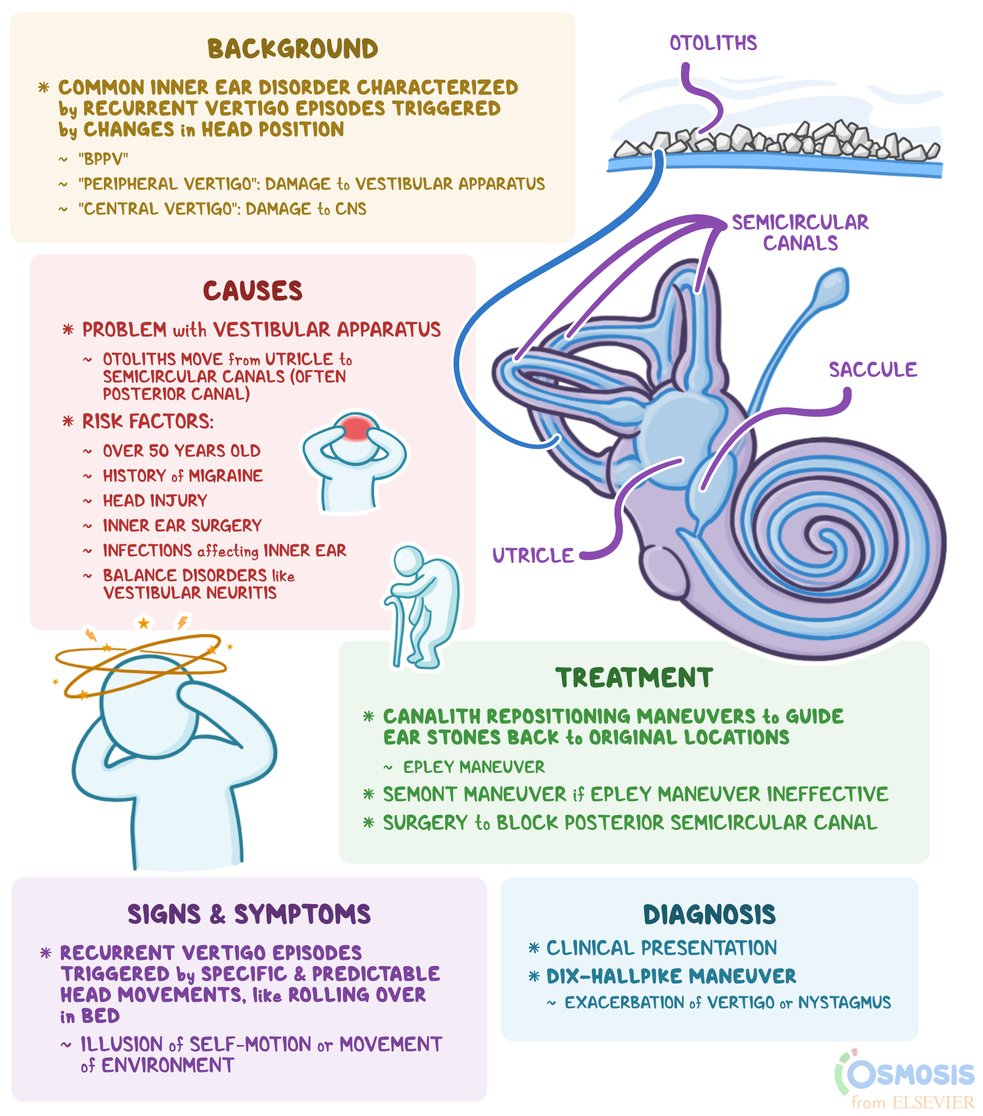
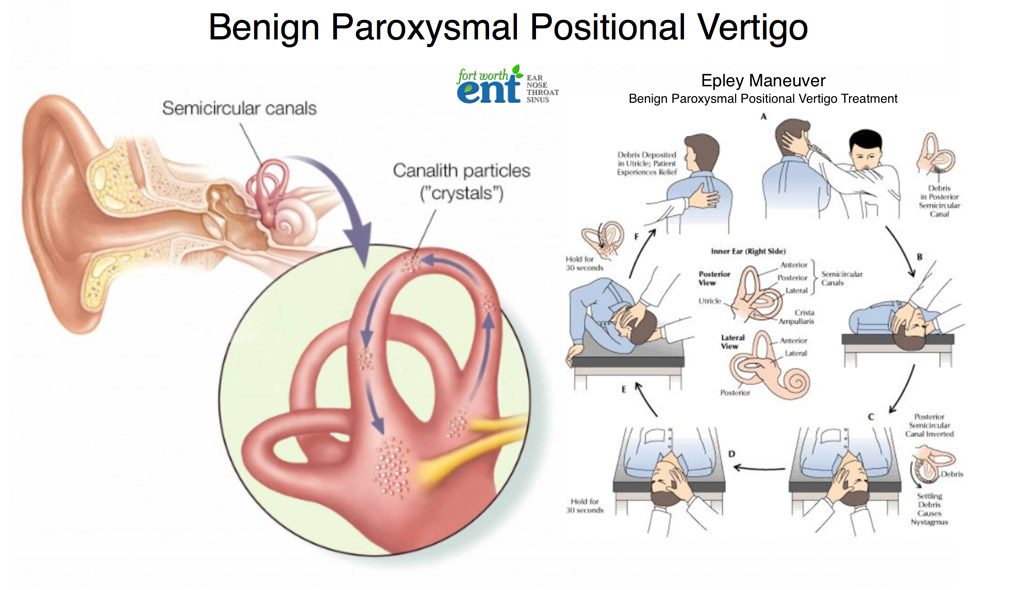
- Acute Treatment Costs: While maneuvers like the Epley maneuver are often effective and relatively low-cost when performed in a clinical setting, repeat visits might be necessary. Medications prescribed for symptom relief, such as anti-nausea drugs or vestibular suppressants, also add to immediate out-of-pocket expenses.
- Lost Productivity and Income: A sudden episode of severe vertigo can render an individual unable to work or perform daily tasks. Missing work for appointments, diagnostic tests, or recovery from an acute attack directly translates into lost wages, reduced billable hours for freelancers, or decreased operational output for business owners. Even attending a few appointments can cumulatively lead to a day or more of lost income, impacting household budgets immediately.
Understanding Lost Earning Potential
Beyond the immediate disruption, recurring episodes or chronic instability caused by positional vertigo can have a more insidious, long-term impact on an individual’s earning potential and career trajectory. This aspect defines “what positional vertigo is” as a persistent threat to financial security.
- Sustained Work Absences: For those whose jobs require physical activity, operating machinery, or extensive computer work, recurrent vertigo can necessitate frequent and prolonged periods away from work. This can lead to reduced sick leave accrual, unpaid leave, or, in severe cases, job termination.
- Reduced Capacity and Efficiency: Even when present at work, individuals might experience reduced concentration, increased fatigue, or anxiety about triggering an episode. This diminished capacity can affect performance reviews, opportunities for promotion, and overall career advancement, indirectly limiting income growth over time.
- Career Changes and Job Instability: Some individuals might find their current profession incompatible with managing chronic vertigo, forcing them to seek less demanding or lower-paying roles. This involuntary career shift can lead to substantial reductions in long-term earning potential, requiring significant financial adjustment and often a mental health toll that also carries its own financial implications.
- Impact on Business Owners: For entrepreneurs and small business owners, their health is directly tied to their business’s viability. Episodes of vertigo can halt operations, delay projects, and affect client relationships, leading to direct revenue loss and potential business failure if not managed effectively.
Navigating the Complexities of Healthcare Costs
The definition of “what is positional vertigo” is profoundly shaped by the ongoing healthcare expenditures required for its management. Unlike a one-time illness, many individuals require continuous care, creating a sustained financial drain.
The Price Tag of Continuous Management
Even after initial diagnosis and treatment, managing positional vertigo often requires ongoing commitment, both in terms of time and money.
- Ongoing Therapy and Rehabilitation: Vestibular rehabilitation therapy (VRT) is a common and highly effective treatment, but it often involves multiple sessions over several weeks or months. Each session carries a cost, whether through co-pays, deductibles, or direct payment. These specialized physical therapy sessions are crucial for long-term stability but can represent a substantial financial outlay.
- Specialist Consultations: Many individuals require follow-up visits with ENTs, neurologists, or other specialists to monitor their condition, adjust treatment plans, or explore new therapeutic avenues. Regular specialist visits contribute to the ongoing financial burden.
- Prescription Costs: While there are no specific long-term medications for positional vertigo itself, drugs to manage associated symptoms like nausea, anxiety, or migraines can be a continuous expense. These monthly costs, especially for uninsured or underinsured individuals, can accumulate quickly.
- Potential Surgical Interventions: In rare, severe, and intractable cases where positional vertigo is linked to specific inner ear issues, surgical options might be considered. Procedures like posterior semicircular canal occlusion are major surgeries with significant costs, including surgeon fees, anesthesia, hospital stays, and post-operative care, easily reaching tens of thousands of dollars.
Insurance, Deductibles, and Out-of-Pocket Realities
The labyrinthine nature of healthcare insurance significantly influences the financial reality of living with positional vertigo.
- Coverage Gaps and Exclusions: Not all insurance plans cover every aspect of vertigo management equally. Some therapies might be deemed “experimental” or have limitations on the number of covered sessions. Understanding policy details is crucial but often complex.
- High Deductibles and Co-pays: With the rise of high-deductible health plans (HDHPs), individuals often bear a significant portion of medical costs themselves before insurance coverage fully kicks in. For a condition requiring multiple diagnostic tests and ongoing therapy, reaching and exceeding these deductibles can represent thousands of dollars annually. Co-pays for specialist visits and prescription drugs add incremental but steady costs.
- Treatments Deemed “Elective”: While essential for quality of life, some treatments might not be fully covered if an insurer deems them less medically necessary. This pushes the financial burden entirely onto the patient, leading to difficult decisions about health versus financial solvency.
- Navigating In-Network vs. Out-of-Network: Utilizing out-of-network providers, even unintentionally, can lead to drastically higher costs, as insurance coverage is often substantially reduced or non-existent for these services. This requires diligent financial planning and careful selection of providers.
Indirect Financial Implications and Lifestyle Adjustments

“What is positional vertigo?” also includes the less obvious, yet equally impactful, indirect financial consequences that ripple through daily life, compelling often costly lifestyle adjustments.
The Cost of Safety and Support
The unpredictable nature of vertigo can necessitate changes to one’s living environment and daily routines, all of which come with a price tag.
- Transportation Needs: If recurrent or severe vertigo affects driving ability, individuals may incur increased transportation costs through ride-sharing services, taxis, or reliance on family members for lifts. This can be a daily expense that significantly adds up.
- Home Modifications: To prevent falls and enhance safety, individuals might need to invest in home modifications such as grab bars in bathrooms, improved lighting, non-slip mats, or even stairlifts, particularly for older individuals. These can range from minor expenses to substantial investments.
- Caregiver Assistance: In severe cases, or during acute episodes, individuals may require temporary or ongoing assistance from caregivers, whether paid professionals or family members who might have to take time off their own work, creating a dual financial impact.
- Impact on Social Activities: The unpredictability of vertigo can lead to social isolation, as individuals avoid situations where an episode might be triggered or where they might feel unsafe. While not a direct monetary cost, the reduction in social engagement can affect mental well-being, which can, in turn, have indirect financial costs through therapy or missed opportunities.
Emotional and Mental Health Costs
Living with a chronic, unpredictable condition like positional vertigo can take a severe toll on mental health, manifesting as anxiety, depression, or frustration. These emotional burdens are not without financial consequences.
- Therapy and Counseling: Many individuals seek professional help to cope with the psychological impact of vertigo, including fear of falling, social anxiety, or the frustration of living with a chronic condition. Therapy sessions add to overall healthcare expenditures.
- Medications for Mental Health: Prescriptions for anxiety or depression often accompany chronic health conditions, introducing another layer of ongoing medication costs.
- Reduced Productivity from Secondary Conditions: Mental health struggles can exacerbate the financial impact by further reducing productivity at work or impairing decision-making, including financial planning.
Financial Preparedness and Strategic Planning for Vertigo Sufferers
Understanding “what is positional vertigo” from a financial perspective necessitates proactive planning and strategic resource management. Mitigating its economic fallout requires foresight and access to appropriate financial tools.
Building an Emergency Health Fund
A dedicated savings fund is paramount for navigating the unpredictable financial demands of positional vertigo.
- Importance of Savings: An emergency fund specifically earmarked for healthcare expenses can absorb the shock of unexpected diagnostic tests, specialist visits, or periods of lost income without derailing broader financial goals.
- Estimating Potential Expenses: Researching average costs for diagnostic tests, therapy sessions, and typical medication expenses can help individuals realistically estimate the size of such a fund.
- Long-Term Budgeting: Integrating potential vertigo-related costs into an annual household budget, perhaps by setting aside a specific monthly amount, can help manage ongoing expenses more effectively.
Leveraging Financial Tools and Resources
Several financial instruments and strategies can provide crucial support for those managing positional vertigo.
- Health Savings Accounts (HSAs) and Flexible Spending Accounts (FSAs): These tax-advantaged accounts allow individuals to save and pay for qualified medical expenses with pre-tax dollars, effectively reducing the cost of care. Understanding the benefits and limitations of each is vital for maximizing savings.
- Disability Insurance: For those with chronic or severe vertigo that impacts their ability to work, exploring short-term and long-term disability insurance policies can provide a critical safety net, offering income replacement during periods of incapacitation.
- Navigating Healthcare Plans: Diligently reviewing and selecting healthcare plans during open enrollment periods based on their coverage for specialists, therapies, and prescription drugs relevant to vertigo management is a crucial financial decision. Comparing deductibles, co-pays, and out-of-pocket maximums is essential.
Advocating for Workplace Accommodations and Benefits
Proactive engagement with employers can help individuals maintain employment and income while managing positional vertigo.
- Understanding FMLA and Other Leave Policies: Familiarity with the Family and Medical Leave Act (FMLA) and company-specific sick leave or disability policies can provide job protection and income during necessary absences.
- Discussing Reasonable Accommodations: Employers are often required to provide reasonable accommodations that enable employees with disabilities to perform their jobs. This could include flexible work hours, remote work options, ergonomic adjustments to workspaces, or reduced travel requirements, all of which help maintain productivity and income.
- Employee Assistance Programs (EAPs): Many companies offer EAPs that can provide free or low-cost counseling and support for health-related challenges, indirectly mitigating mental health costs.
In conclusion, “what is positional vertigo” from a financial perspective is a complex tapestry woven with direct medical costs, indirect lifestyle adjustments, and significant implications for earning potential. By understanding these multifaceted financial dimensions and proactively engaging with strategic planning, individuals can better navigate the economic challenges posed by this disorienting condition and strive for greater financial stability and well-being.
aViewFromTheCave is a participant in the Amazon Services LLC Associates Program, an affiliate advertising program designed to provide a means for sites to earn advertising fees by advertising and linking to Amazon.com. Amazon, the Amazon logo, AmazonSupply, and the AmazonSupply logo are trademarks of Amazon.com, Inc. or its affiliates. As an Amazon Associate we earn affiliate commissions from qualifying purchases.