
Apple Inc. stands as a titan of industry, a company whose market capitalization frequently eclipses the Gross Domestic Product of entire nations. Its financial valuation is not merely a number but a dynamic reflection of its immense profitability, innovative prowess, global reach, and the collective sentiment of millions of investors worldwide. Understanding “how much Apple is worth” requires delving deep into the multifaceted financial metrics and strategic decisions that have propelled it to its current zenith, offering invaluable insights into the intricacies of modern business finance.
The question of Apple’s worth is constantly evolving, influenced by quarterly earnings reports, product launches, global economic shifts, and investor confidence. At its core, this valuation is a testament to a business model that has masterfully integrated hardware, software, and services into an ecosystem that captivates consumers and generates staggering financial returns. This article will explore the financial underpinnings of Apple’s colossal valuation, dissecting the key drivers, analytical frameworks, and future outlook from a purely financial perspective.

The Colossal Scale of Apple’s Market Capitalization
To quantify Apple’s worth, the primary metric is its market capitalization. This figure represents the total value of all its outstanding shares and is the most common way investors and financial analysts assess a public company’s size and value. For Apple, this number frequently places it among the top, if not the leading, company globally by market cap.
Market Capitalization: The Ultimate Scoreboard
Market capitalization is calculated by multiplying the current share price by the total number of outstanding shares. This simple formula, however, aggregates a complex interplay of factors: investor demand, perceived future earnings, current financial performance, industry position, and macroeconomic conditions. Apple’s market cap has not only soared past the trillion-dollar mark but has at times flirted with and surpassed the three-trillion-dollar valuation, a staggering figure that underscores its financial dominance. Such valuations place it in an exclusive club, illustrating its profound economic impact and the sheer volume of wealth it represents for its shareholders.
Beyond the Trillion-Dollar Mark: A Financial Phenomenon
Achieving and sustaining a multi-trillion-dollar valuation is not just about selling many devices. It reflects an extraordinary level of financial health, characterized by robust revenue growth, exceptional profit margins, and a powerful balance sheet. It signals to the financial world that the company is a stable, dominant force, capable of generating consistent cash flows and delivering significant shareholder returns over the long term. From an investment perspective, this monumental market cap indicates a company deeply entrenched in the global economy, with a vast user base and substantial barriers to entry for competitors. It also positions Apple as a bellwether for the tech sector and, at times, the broader market, given its sheer size and influence on major stock indices.
Why Valuation Matters: Investor Confidence and Strategic Power
The magnitude of Apple’s valuation is crucial for several reasons. For investors, it signifies a company with perceived stability and growth potential, making it a cornerstone of many diversified portfolios. For the company itself, a high valuation provides significant strategic advantages. It lowers the cost of capital if Apple needs to raise funds, enhances its ability to attract and retain top talent (often through stock-based compensation), and provides formidable leverage in negotiations, partnerships, and potential acquisitions. Furthermore, it reinforces brand perception and market leadership, solidifying its position in the competitive landscape from a financial standpoint.
Pillars of Apple’s Financial Empire: Revenue and Profitability
Apple’s immense valuation is not accidental; it is built upon a foundation of strategically diversified revenue streams and unparalleled profitability. A deep dive into its financial statements reveals a masterclass in capital allocation, operational efficiency, and market penetration that consistently translates into robust financial performance.
Diversified Revenue Streams: Products and Services Ecosystem
While Apple is renowned for its iconic hardware products—iPhone, Mac, iPad, Apple Watch, and AirPods—a significant and growing portion of its revenue, and perhaps more importantly, its profitability, comes from its Services segment. This includes revenue from the App Store, Apple Music, iCloud, Apple Pay, AppleCare, advertising, and more.
The strategic shift towards services has been a financial boon. Services revenue often boasts higher gross margins than hardware sales, providing a more stable, recurring income stream less susceptible to the cyclical nature of product upgrades. This diversification mitigates risks associated with over-reliance on a single product category and enhances the overall stability and predictability of Apple’s financial outlook, a factor highly valued by investors. The seamless integration of hardware, software, and services creates a powerful ecosystem that encourages customer loyalty and spending across multiple touchpoints, driving continued financial growth.
Unprecedented Profitability and Cash Flow Generation
One of the most defining financial characteristics of Apple is its extraordinary profitability. The company consistently reports industry-leading gross and net profit margins. This high profitability is a result of several factors:
- Premium Pricing Strategy: Apple’s brand strength allows it to command premium prices for its products, contributing significantly to high revenue per unit.
- Supply Chain Mastery: The company’s unparalleled control over its supply chain, from design to manufacturing and distribution, enables it to optimize costs and maintain efficiency on a global scale.
- Scale of Operations: As one of the world’s largest companies, Apple benefits from massive economies of scale in procurement, manufacturing, and marketing, further bolstering its margins.
- Services Segment Growth: As mentioned, the higher-margin services revenue positively impacts the company’s overall profitability.
These factors culminate in phenomenal free cash flow generation. Free cash flow (FCF) is a critical metric for investors, representing the cash a company generates after accounting for cash outflows to support its operations and maintain its capital assets. Apple’s ability to generate massive amounts of FCF provides it with immense financial flexibility—funding research and development, making strategic investments, and returning substantial capital to shareholders through dividends and share buybacks.
Global Reach and Market Dominance: A Worldwide Financial Engine
Apple’s financial power is also a direct consequence of its truly global presence. Its products and services are consumed by hundreds of millions of people across virtually every continent. This expansive market reach allows it to tap into diverse economies and mitigate the impact of regional downturns. Furthermore, its strong market share in key premium segments—smartphones, personal computers, wearables—translates into consistent sales volumes and robust revenue streams from a vast and affluent customer base. This global dominance is a critical component of its financial valuation, signifying a widespread and resilient revenue base.
Factors Influencing Apple’s Valuation Trajectory
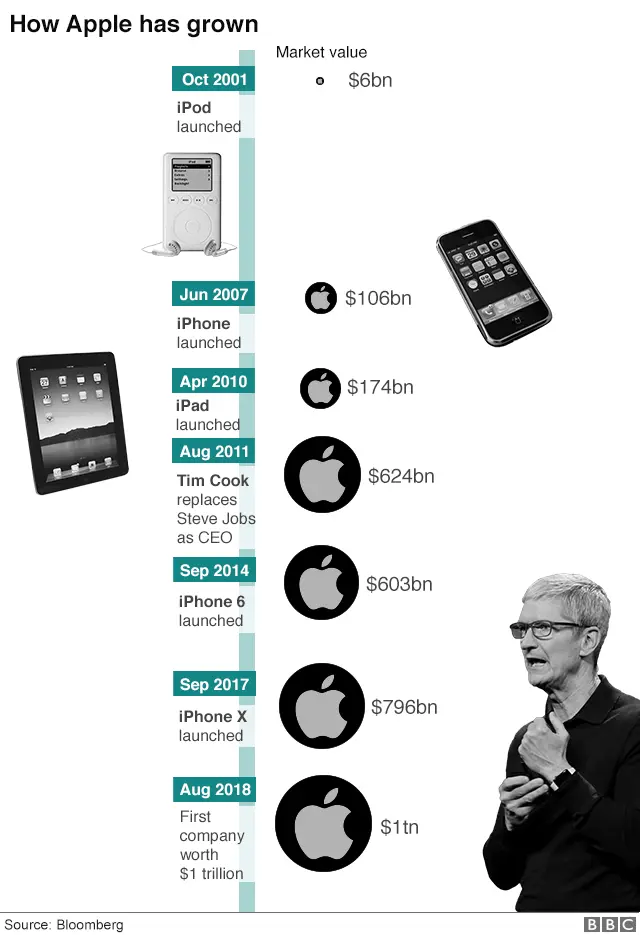
Apple’s valuation is not static; it is a dynamic entity influenced by a myriad of internal and external factors. Investors constantly assess these variables to project future financial performance and adjust their valuation models accordingly.
Innovation and Product Cycles: The Lifeblood of Financial Growth
For a technology company, continuous innovation is paramount to sustaining growth and maintaining market leadership. Apple’s valuation is intrinsically tied to its ability to innovate and successfully launch new products or significantly update existing ones. Each new iPhone, Mac, or Watch generation, coupled with advancements in iOS or macOS, can trigger upgrade cycles that drive significant revenue surges. Failures to innovate, or missteps in product launches, can lead to investor skepticism and impact the stock price. The financial markets closely monitor product roadmaps, anticipated demand, and the successful execution of these strategies.
Service Sector Growth and Recurring Revenue: A Valuation Catalyst
The ongoing expansion of Apple’s Services segment is a key valuation catalyst. Investors increasingly favor companies with predictable, recurring revenue streams, as they offer greater financial stability and visibility into future earnings. The subscription-based nature of many Apple Services (Apple Music, iCloud+) provides just that. As the active installed base of Apple devices grows, so does the potential for increased services adoption, creating a powerful flywheel effect. Continued growth in this high-margin segment is crucial for driving Apple’s overall profitability and is a significant factor in justifying its premium valuation multiples. Analysts pay close attention to the growth rate of services revenue and its contribution to the overall profit mix.
Shareholder Returns: Dividends and Buybacks
Apple’s commitment to returning capital to shareholders is another significant factor influencing its valuation and attractiveness to investors, particularly value and income-focused investors. The company executes one of the largest share buyback programs in corporate history, which reduces the number of outstanding shares, thereby increasing earnings per share (EPS) and often boosting the stock price. Additionally, Apple pays a consistent dividend, providing shareholders with direct income. These capital return strategies signal financial strength and a management team focused on enhancing shareholder value, which can positively impact investor confidence and, consequently, the company’s valuation.
Macroeconomic Headwinds and Tailwinds: External Financial Pressures
No company, not even Apple, is immune to broader macroeconomic forces. Economic downturns, geopolitical tensions, supply chain disruptions, currency fluctuations, and changes in consumer spending habits can all impact Apple’s financial performance and valuation. For instance, a global recession might reduce discretionary spending on premium electronics, affecting hardware sales. Conversely, periods of strong economic growth and technological adoption can serve as tailwinds. Interest rate changes by central banks also play a role, as they influence the cost of capital and the attractiveness of future earnings in discounted cash flow models used for valuation. Apple’s global presence means it must constantly navigate a complex web of international economic conditions, which adds another layer of complexity to its financial assessment.
Analyzing Apple’s Financial Health and Future Prospects
From an investment perspective, understanding Apple’s current financial health and its potential for future growth is paramount. This involves scrutinizing key financial metrics and evaluating the opportunities and challenges on its horizon.
Key Financial Ratios and Metrics
Financial analysts employ a range of ratios and metrics to assess Apple’s health:
- Price-to-Earnings (P/E) Ratio: Compares the share price to earnings per share, indicating how much investors are willing to pay for each dollar of earnings. A higher P/E often suggests higher growth expectations.
- Revenue Growth: Tracks the percentage increase in sales over time, a crucial indicator of business expansion.
- Profit Margins (Gross, Operating, Net): Measure how much profit Apple makes from its sales, reflecting efficiency and pricing power.
- Return on Equity (ROE): Indicates how efficiently Apple is using shareholders’ investments to generate profits.
- Debt-to-Equity Ratio: Assesses financial leverage and solvency, though Apple is known for its strong balance sheet.
- Free Cash Flow Yield: Compares free cash flow to market capitalization, indicating the cash generation relative to its valuation.
Consistent strength across these metrics reinforces Apple’s financial robustness and supports its premium valuation. Any significant deviations would trigger deeper scrutiny from the investment community.
Growth Drivers on the Horizon: New Frontiers for Financial Expansion
Apple’s future valuation will heavily depend on its ability to identify and capitalize on new growth vectors. Potential areas include:
- Emerging Markets: Expanding its footprint and market share in rapidly growing economies.
- New Product Categories: Ventures into new hardware segments, such as augmented reality (AR), virtual reality (VR), or even electric vehicles, could unlock substantial new revenue streams. These ventures carry significant R&D costs but promise potentially massive financial returns if successful.
- Expansion of Services: Continuously adding new services, content, and subscription offerings to further deepen engagement and recurring revenue. This includes enhancing existing services and venturing into new areas like financial services.
- AI Integration: Deepening AI capabilities across its hardware and software could enhance user experience, create new functionalities, and foster differentiation, thereby driving product demand and service adoption.
Each of these avenues represents a potential catalyst for continued financial growth and an upward re-evaluation of its future earnings potential by the market.
Navigating Competitive Landscapes and Regulatory Challenges
Despite its financial might, Apple faces significant competitive and regulatory pressures that could impact its future valuation.
- Intense Competition: The technology sector is fiercely competitive, with rivals constantly innovating. Apple must continue to outmaneuver competitors in key markets to maintain its sales volumes and profit margins.
- Regulatory Scrutiny: Antitrust concerns, data privacy regulations, and app store policies are under increasing examination globally. Potential regulatory changes could impact Apple’s business model, particularly its services revenue and ecosystem control, which could, in turn, affect its financial outlook and valuation.
- Geopolitical Risks: Trade tensions, international political instability, and supply chain vulnerabilities (e.g., reliance on certain manufacturing regions) pose ongoing financial risks that need careful management.
Apple’s ability to successfully navigate these challenges while continuing to innovate and execute its financial strategy will be critical in sustaining its multi-trillion-dollar worth and delivering long-term value to its shareholders.

Conclusion: Apple’s Enduring Financial Significance
The question of “how much Apple is worth” is a dynamic and multifaceted financial inquiry, reflecting not just a dollar figure, but the culmination of strategic vision, relentless innovation, robust financial performance, and global market dominance. Its valuation, consistently in the multi-trillion-dollar range, is a testament to its powerful ecosystem of products and services, exceptional profitability, and an astute approach to capital management.
From an investing standpoint, Apple represents a prime example of a company that has successfully created immense shareholder value through consistent financial growth, strategic diversification into high-margin services, and substantial returns to capital. While external macroeconomic factors and increasing regulatory scrutiny will always pose challenges, Apple’s formidable financial health, coupled with its ongoing pursuit of innovation and new market opportunities, positions it as a company whose financial significance is likely to endure for the foreseeable future. Its worth is more than a number; it is a benchmark for corporate success in the 21st century.
aViewFromTheCave is a participant in the Amazon Services LLC Associates Program, an affiliate advertising program designed to provide a means for sites to earn advertising fees by advertising and linking to Amazon.com. Amazon, the Amazon logo, AmazonSupply, and the AmazonSupply logo are trademarks of Amazon.com, Inc. or its affiliates. As an Amazon Associate we earn affiliate commissions from qualifying purchases.