
In the rapidly evolving landscape of telecommunications, the ability to maintain a consistent digital identity is paramount. At the heart of this consistency is a technical process known as “porting.” Formally referred to as Local Number Portability (LNP), porting is the mechanism that allows a subscriber to switch their service from one provider to another while retaining their existing phone number. While it may seem like a simple administrative task, porting is a complex interplay of database management, network routing protocols, and stringent security measures.
As we move deeper into an era defined by software-defined networking and the ubiquity of mobile data, understanding the technical nuances of porting is essential for anyone navigating the modern tech ecosystem.
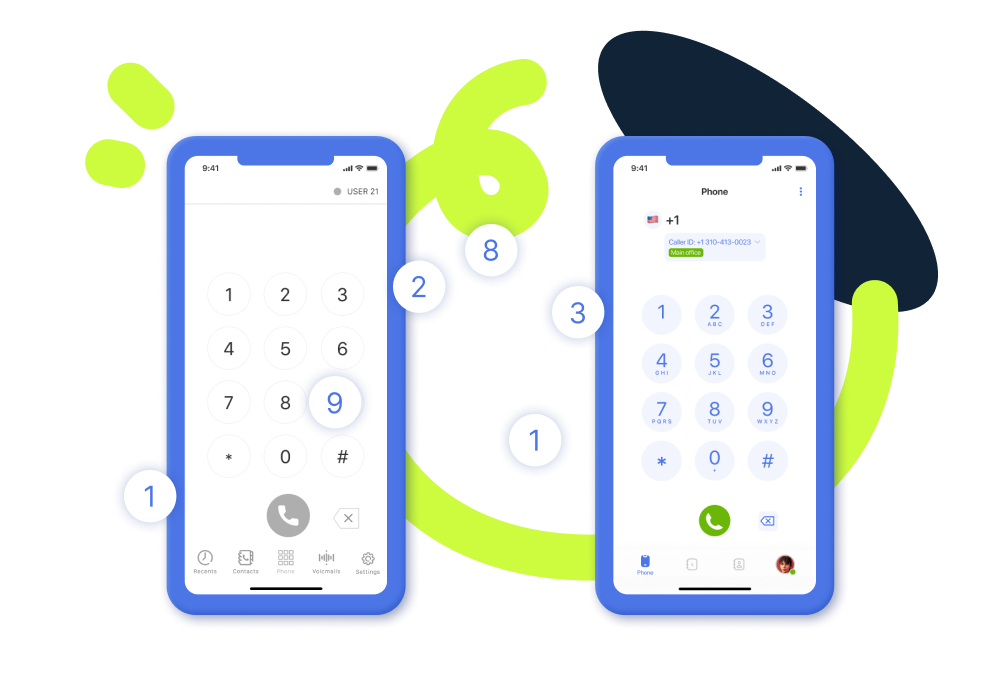
The Technical Architecture of Local Number Portability (LNP)
To understand how a phone number “moves,” one must first understand that a number does not actually reside on a SIM card or a specific device. Instead, it is a pointer in a massive, distributed database. Before the implementation of LNP mandates by regulatory bodies like the FCC in the United States, phone numbers were geographically and provider-locked. If you changed carriers, you changed your digital identity.
How the NPAC Functions as the Central Nervous System
The backbone of the porting process is the Number Portability Administration Center (NPAC). Think of the NPAC as a massive, real-time clearinghouse that manages the transition of telephone numbers between service providers. When a port is initiated, the NPAC acts as the authoritative source of truth, updating the “Routing Number” associated with your “Subscriber Number.” This ensures that when someone dials your digits, the global telecommunications grid knows exactly which carrier’s switch should receive the call.
The Role of the Donor and Recipient Providers
In the technical workflow of porting, two primary actors exist: the Donor Provider (the company you are leaving) and the Recipient Provider (the company you are joining). The process begins with a “Port-In” request at the Recipient Provider. This triggers a standardized communication protocol where the Recipient asks the Donor to release the number. This handshake is governed by strict industry standards to ensure that service interruptions are minimized, often occurring in a matter of minutes for wireless-to-wireless transfers.
Wireless vs. Wireline Porting Logic
While mobile-to-mobile porting is the most common, the tech stack also supports “Intermodal Porting”—moving a number from a traditional copper-wire landline to a mobile network or a Voice over IP (VoIP) system. Wireline porting involves older infrastructure and different routing logic, which typically results in a longer “soak time” or transition period. Understanding these architectural differences explains why moving a business landline to a cloud-based system might take days, whereas a smartphone port is nearly instantaneous.
The Step-by-Step Technical Workflow of a Port Request
The transition of a number from one network to another is a high-stakes data exchange. It requires precise authentication to ensure that the individual requesting the move is the legal “owner” of the service.
Authentication Protocols: PINs and Account Numbers
The first layer of the porting stack is authentication. To initiate a port, the user must provide a specific set of data: the Account Number and a Porting PIN (sometimes called a Transfer PIN). Unlike a standard account password, a Porting PIN is often a temporary, high-security token generated specifically for the transfer. This token acts as a digital key that unlocks the number at the Donor Provider’s switch, permitting the Recipient Provider to “pull” the number over.
The “Port-Out” Request and Validation
Once the Recipient Provider has the necessary credentials, they send a standardized “Local Service Request” (LSR) or a “Wireless Port Request” (WPR). The Donor Provider’s automated system validates this request against its internal database. If the account number, PIN, and ZIP code match exactly, the request is marked as “FOC” (Firm Order Commitment). At this stage, a specific date and time for the “broadcast” are set.
Network Routing Updates and Global Title Translation
The final technical hurdle is the “Broadcast.” The NPAC notifies all carriers across the global network that the routing information for that specific number has changed. This involves updating Global Title Translation (GTT) tables and Location Routing Numbers (LRN). Essentially, the internet and cellular switches of the world are told: “When you see this number, stop sending traffic to Carrier A and start sending it to Carrier B.”
Porting in the Modern Tech Era: eSIMs and VoIP
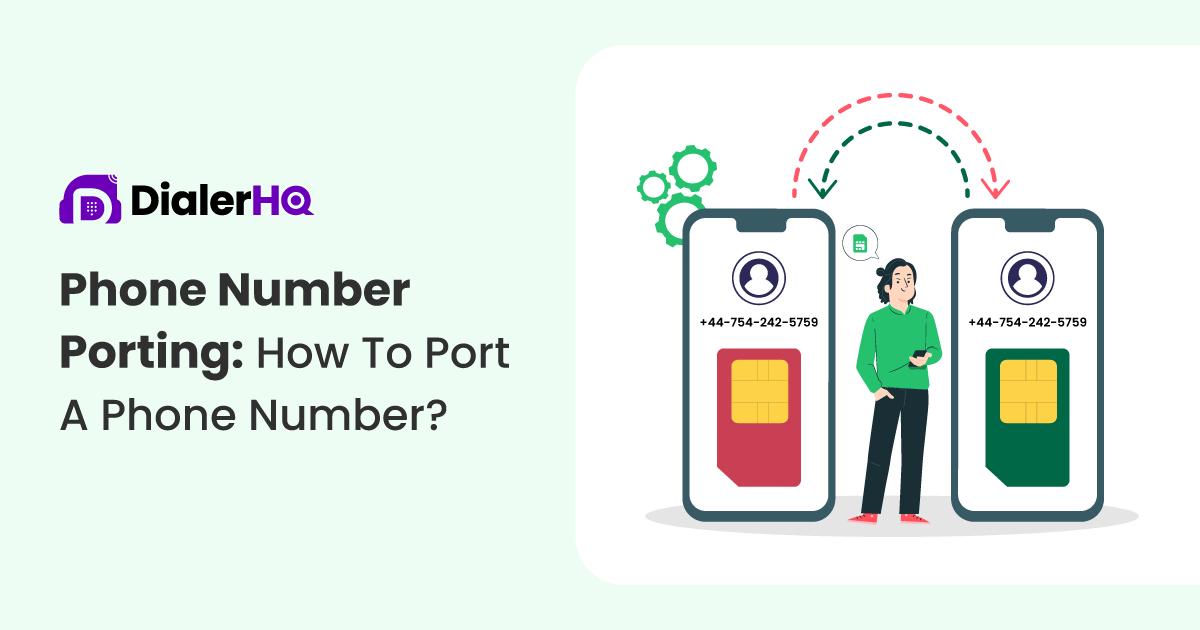
As hardware evolves, the physical constraints of porting are disappearing, replaced by software-defined solutions that offer greater flexibility and speed.
Transitioning from Physical SIMs to Embedded Software (eSIM)
The rise of eSIM (Embedded Subscriber Identity Module) technology has revolutionized the porting experience. In the past, porting required waiting for a physical piece of plastic to arrive in the mail. With eSIM, the “porting” process is purely a software handshake. Once the number is released by the old carrier, the new carrier pushes an eSIM profile to the device over-the-air (OTA). This allows for near-instantaneous carrier switching, enabling users to manage multiple “ported” numbers on a single chip.
Porting Landlines to Virtual Systems (VoIP)
The migration of traditional numbers to Voice over IP (VoIP) systems represents a shift from circuit-switched networks to packet-switched networks. When you port a number to a VoIP provider, your voice data is converted into IP packets. This transition requires the number to be mapped to an IP address rather than a physical switch port. This technical flexibility allows for advanced features like “simultaneous ring,” where a single ported number can ring a physical desk phone, a laptop app, and a mobile device simultaneously.
The Impact of 5G and Future Network Infrastructure
With the rollout of 5G, the density of connected devices is increasing exponentially. Porting logic is being optimized to handle the “Internet of Things” (IoT). In the future, it won’t just be phones being ported; it will be autonomous vehicles, smart meters, and industrial sensors. The technical infrastructure must evolve to handle billions of porting requests with zero latency, ensuring that as hardware moves across different network slices, connectivity remains persistent.
Security Implications and the Threat of SIM Swapping
While porting is a convenience for users, it has also become a target for sophisticated cyberattacks. The most prominent threat is “SIM Swapping,” a form of identity theft that exploits the porting process.
Understanding Unauthorized Porting Attacks
In a SIM swap or unauthorized port, a malicious actor gathers enough personal information about a victim to impersonate them. They then contact a carrier and request to “port” the victim’s number to a device under the attacker’s control. If successful, the attacker receives all of the victim’s calls and text messages. This is particularly dangerous because many digital services use SMS-based Two-Factor Authentication (2FA). By controlling the phone number, the attacker can reset passwords for banking, email, and social media accounts.
Technical Safeguards: Port Freezes and Multi-Factor Authentication
To combat these threats, the tech industry has introduced “Port Freezes” or “Transfer Locks.” This is a technical flag placed on a subscriber’s account that prevents any porting requests from being processed unless the user goes through a rigorous, multi-step verification process. Furthermore, many carriers now require a secondary hardware-based security key or a biometric scan before a Porting PIN can be generated, adding layers of defense to the telecommunications stack.
Best Practices for Digital Identity Protection
From a technical standpoint, relying on a phone number as a primary security verification method is increasingly viewed as a vulnerability. Tech professionals recommend moving away from SMS-based 2FA in favor of Time-based One-Time Passwords (TOTP) generated by apps like Google Authenticator or physical security keys (e.g., YubiKeys). By decoupling your digital security from your phone number, you mitigate the risk associated with the porting process.
Troubleshooting and Network Latency during Transitions
Despite the high level of automation, the porting process is not always seamless. Understanding where the friction points occur can help in troubleshooting connectivity issues.
Mixed Service Periods and Data Propagation
Immediately after a port is “completed,” a phenomenon known as “mixed service” may occur. This happens because it takes time for the updated routing information to propagate across every carrier’s database worldwide. During this window, you might be able to make outgoing calls on your new phone, but incoming texts might still go to your old device. This is a latency issue in the global routing tables and usually resolves itself within 24 to 48 hours.
Common Technical Hurdles: Locked Devices and Metadata Errors
One of the most frequent reasons a port fails is a “Device Lock.” Many carriers technically lock the hardware (the IMEI) to their network until certain conditions are met. If a user attempts to port a number to a new carrier while using a locked device, the service will fail to activate, even if the number transfer itself was successful. Additionally, small metadata errors—such as a misspelled name or an incorrect billing address in the Porting Request—can trigger an automated rejection from the Donor Provider’s system.
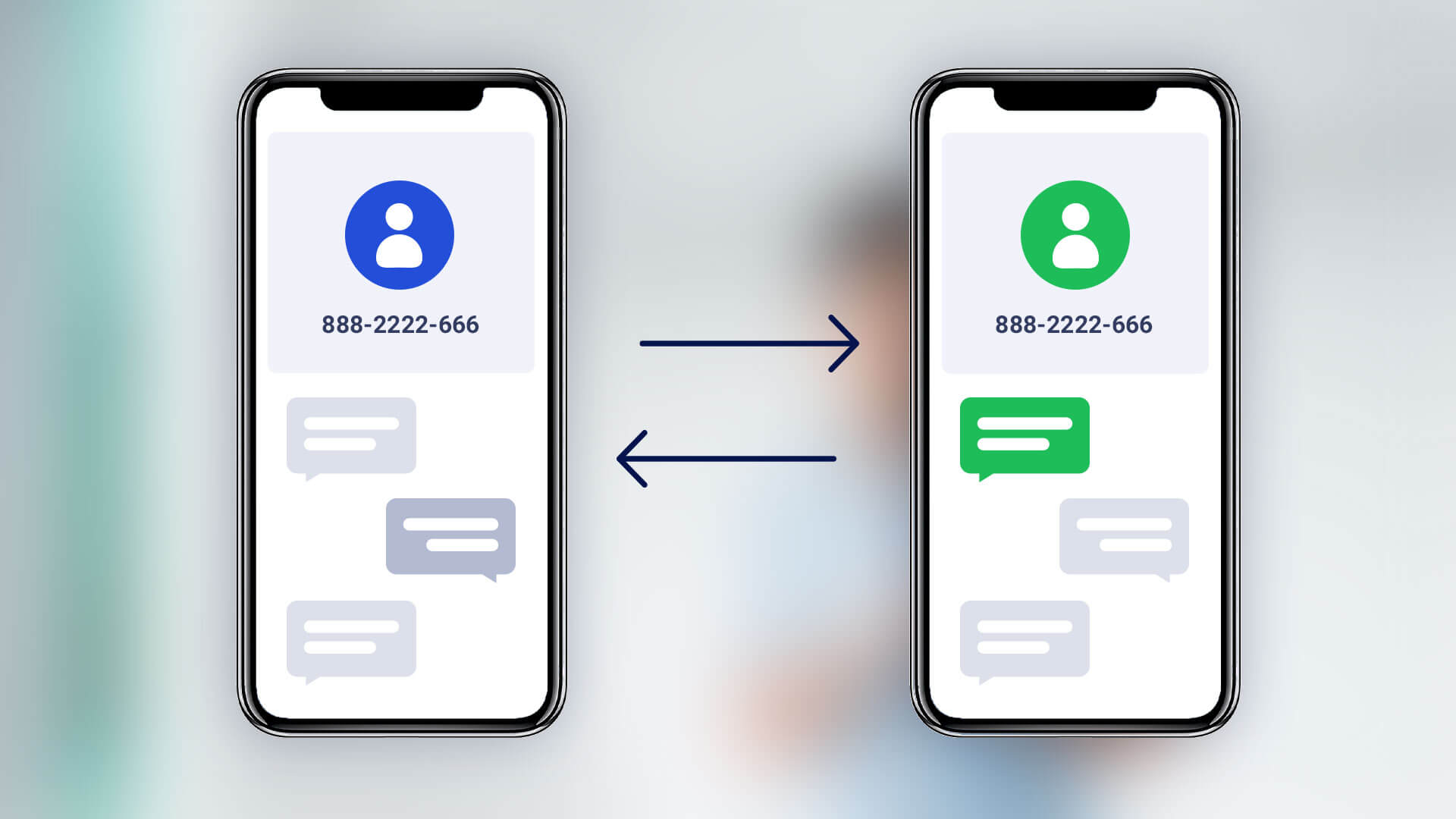
Finalizing the Handshake
The porting process is only truly complete when the “Provisioning” phase is finished. This involves the new carrier assigning the ported number to a specific ICCID (the unique ID of the SIM card). Once this final handshake is recorded in the Home Location Register (HLR), the device is fully integrated into the new network, enjoying the full suite of 5G data, VoLTE (Voice over LTE), and messaging services.
By understanding the technical mechanisms of porting—from the NPAC databases to the security protocols guarding against SIM swapping—users can navigate the digital landscape with greater confidence and security. Porting is more than just moving a number; it is the technical exercise of maintaining one’s presence in a connected world.
aViewFromTheCave is a participant in the Amazon Services LLC Associates Program, an affiliate advertising program designed to provide a means for sites to earn advertising fees by advertising and linking to Amazon.com. Amazon, the Amazon logo, AmazonSupply, and the AmazonSupply logo are trademarks of Amazon.com, Inc. or its affiliates. As an Amazon Associate we earn affiliate commissions from qualifying purchases.