
The question of “what did ancient Greece wear?” often conjures images of flowing white robes and sandals, a somewhat monolithic perception that, while containing elements of truth, significantly undersells the nuanced and complex tapestry of ancient Greek clothing. Far from being a static sartorial tradition, the attire of ancient Greece was a dynamic reflection of its society, its values, and its developing aesthetic. Understanding their clothing is akin to dissecting a brand’s visual identity: it speaks volumes about who they were, what they represented, and how they wished to be perceived. The garments they donned were imbued with meaning, serving as early forms of visual communication that articulated social hierarchies, professional roles, religious affiliations, and individual status. This exploration delves into the core components of ancient Greek dress, examining their functionality, symbolism, and the enduring legacy of their design principles, revealing how these sartorial choices functioned as a sophisticated, albeit unarticulated, brand for their civilization.

The Foundations of Greek Dress: Simplicity, Versatility, and Symbolism
The bedrock of ancient Greek clothing was remarkably simple in construction, relying on the inherent properties of woven fabrics to drape and fold elegantly around the body. This simplicity, however, belied a profound understanding of form and function, where each garment served multiple purposes and carried significant cultural weight. Unlike the intricate tailoring and complex constructions of many modern wardrobes, Greek attire was largely achieved through skillfully cut rectangular pieces of fabric that were pinned, belted, and draped. This fundamental approach to garment construction allowed for remarkable versatility and comfort, adaptable to the temperate climate and the active lifestyle of many Greeks.
The Chiton: The Ubiquitous Canvas of Greek Identity
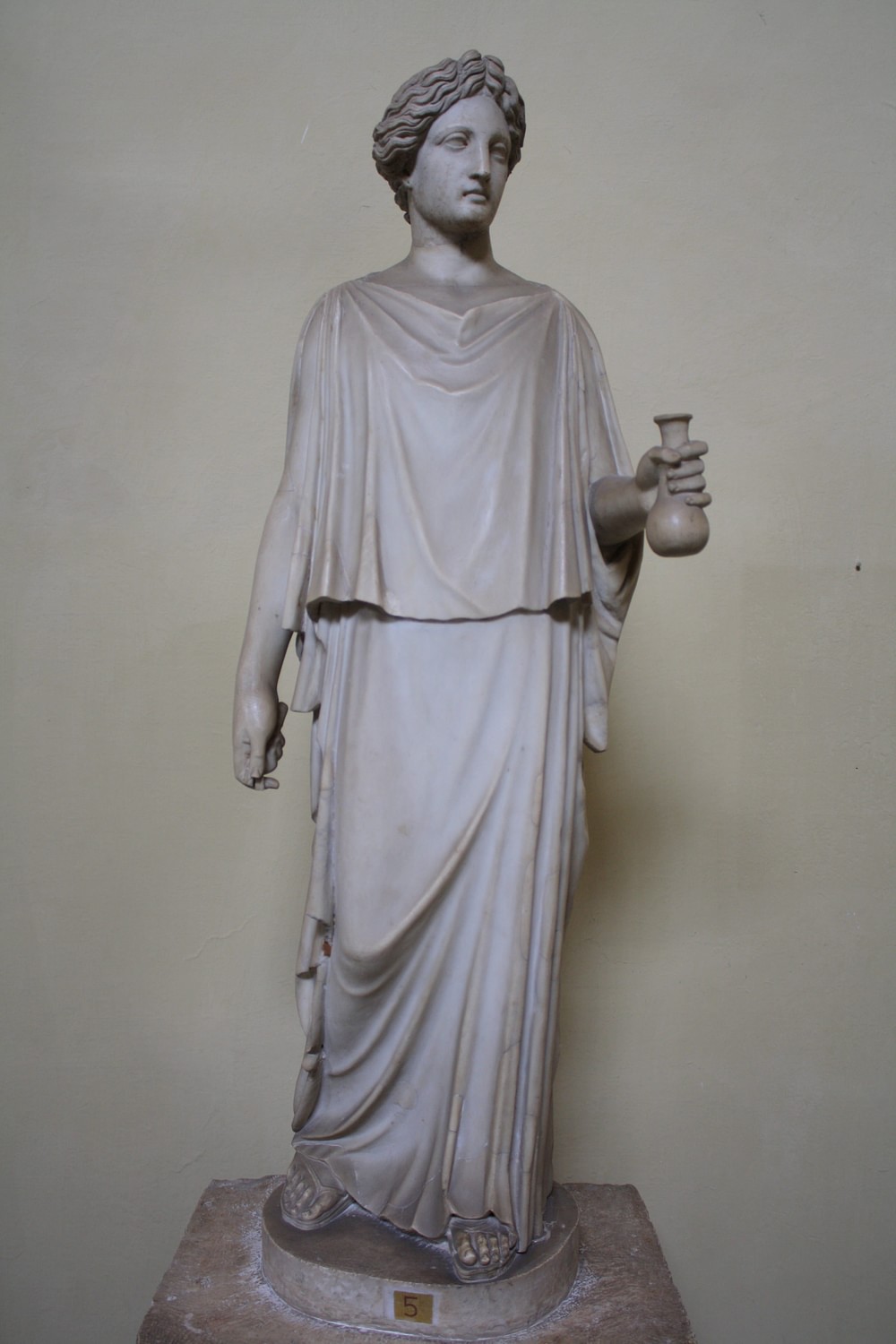
The chiton was arguably the most fundamental and widely worn garment in ancient Greece. It was essentially a tunic, typically made from linen or wool, and could be worn by both men and women. The basic construction involved a large rectangular piece of fabric, folded and fastened at the shoulders with pins (known as fibulae) or buttons, and often secured at the waist with a belt or girdle. The length of the chiton varied, with men often wearing it to the knee, while women’s chitons typically reached the ankles.
The beauty and significance of the chiton lay not in its complex tailoring but in its potential for variation and embellishment. The fabric itself, whether fine linen or rougher wool, communicated a certain social stratum. The way it was draped – tightly or loosely, with many or few folds – could signify modesty, athleticism, or even artistic inclination. Furthermore, chitons could be dyed in a spectrum of colors, though white remained a prominent and often preferred choice, symbolizing purity and simplicity. The presence of intricate embroidery or woven patterns, particularly on women’s chitons, served as a visual marker of wealth and craftsmanship, akin to a designer label today. These decorative elements were not merely aesthetic; they spoke of the wearer’s ability to commission skilled artisans, thereby broadcasting their status and taste to the wider community. The chiton, therefore, was a remarkably adaptable piece of apparel, serving as a blank canvas upon which the wearer could subtly, or overtly, project their identity.
The Peplos: A Woman’s Statement of Modesty and Status
While the chiton was broadly adopted, the peplos held a significant place, particularly for women, in earlier periods of Greek history and continued to be worn by some even into the Classical era. The peplos was typically made from heavier wool and was constructed differently from the chiton. It involved a folded rectangle of fabric that was pinned at the shoulders and then draped over the body, with the top edge folded down to create a sort of overblouse, often called an apoptygma. This outer fold provided an additional layer of modesty and could be decorated, adding another dimension to its visual branding.
The peplos, with its more structured appearance and often thicker fabric, conveyed a sense of gravitas and tradition. It was often associated with married women and was considered a more modest garment than some versions of the chiton. The quality of the wool and any decorative elements would again signal the wearer’s social standing. For state occasions or religious ceremonies, the peplos might be made of particularly fine wool, dyed in rich colors, and perhaps intricately woven or embroidered, further enhancing its ceremonial and symbolic power. The peplos, therefore, functioned as a more formal and traditional sartorial statement, broadcasting a sense of established respectability and adherence to societal norms, a powerful element in a woman’s personal brand.
Beyond the Basics: Specialized Garments and Functional Accents
While the chiton and peplos formed the core of Greek attire, a range of other garments and accessories were employed, each serving specific functional or symbolic purposes, adding further layers to the ancient Greek brand. These additions allowed for greater adaptation to climate, activity, and social occasion, much like how modern brands offer specialized product lines to cater to diverse consumer needs.
The Himation: The Versatile Outer Layer
The himation was a larger, rectangular cloak that was draped over the chiton or peplos. It was the quintessential outer garment, providing warmth and protection from the elements. The way a himation was draped could be highly indicative of the wearer’s social status, profession, or even their philosophical leanings. A loosely draped himation might suggest leisure and intellectual pursuit, while a more tightly wrapped one could imply a more active or practical individual.
The himation was a key element in projecting a polished and put-together image. Its folds and how they fell were meticulously arranged, and the quality of the fabric – often wool – would speak to the wearer’s affluence. Skilled draping of the himation was considered an art form in itself, an essential component of presenting oneself appropriately. It was a garment that allowed for subtle yet impactful self-expression, a crucial aspect of personal branding in a society where visual presentation held considerable sway. The himation’s adaptability made it suitable for a variety of contexts, from everyday wear to formal occasions, solidifying its role as a versatile and essential component of the Greek sartorial brand.
The Chlamys: The Warrior’s and Traveler’s Cloak

Distinct from the himation in its typical use, the chlamys was a shorter, simpler cloak, often made of wool, that was fastened at the shoulder. It was particularly favored by soldiers, hunters, and travelers because its shorter length allowed for greater freedom of movement. The chlamys was a practical garment, designed for action and utility. It was often secured with a single fibula and could be worn with tunics or even just a loincloth.
The chlamys served as a visual identifier of specific professions and lifestyles. When a Greek soldier was depicted wearing a chlamys, it immediately communicated his role and preparedness for action. Similarly, a traveler with a chlamys suggested journeys and experience. This specialization of garments contributed to a clear visual language, allowing individuals to be quickly identified and categorized within their society. The chlamys, therefore, was a potent symbol of virility, activity, and the male-dominated spheres of military and exploration, a distinct sub-brand within the broader ancient Greek sartorial landscape.
Adornments and Accessories: The Finishing Touches of the Ancient Greek Brand
Just as contemporary brands utilize logos, packaging, and accessories to enhance their appeal and convey value, ancient Greeks employed a range of adornments and accessories to refine their appearance and add layers of meaning to their dress. These elements, while not garments themselves, were integral to the overall presentation, contributing to the individual’s projected identity and social standing.
Footwear: From Practicality to Status Symbol
Footwear in ancient Greece ranged from the purely functional to the highly decorative, reflecting diverse needs and social aspirations. The most common form of footwear was the sandal, typically made of leather with straps that laced around the foot and ankle. These were practical for everyday wear, offering protection and grip.
However, footwear also became a significant marker of status and occasion. Elaborate sandals, often adorned with metalwork, colored leather, or even precious stones, were worn by the wealthy and those participating in formal events. Different types of shoes might also indicate specific professions or roles; for instance, military boots or specialized athletic footwear existed. The color and ornamentation of one’s sandals could subtly communicate wealth and social standing, much like a premium shoe brand today signals exclusivity and craftsmanship. The humble sandal, therefore, was not merely a functional item but an important component in the curated visual brand of an ancient Greek individual.
Jewelry and Personal Adornments: Crafting Individuality
Jewelry played a crucial role in the adornment of ancient Greeks, particularly for women. Necklaces, bracelets, earrings, rings, and brooches (fibulae) were crafted from precious metals like gold and silver, often incorporating semi-precious stones such as amber, pearls, and garnets. These items were not just decorative; they were significant investments and potent symbols of wealth, status, and even familial lineage.
The craftsmanship of these pieces also spoke volumes. Intricately worked jewelry demonstrated the wearer’s access to skilled artisans and their appreciation for fine artistry. The choice of materials and the complexity of design could communicate a person’s taste and social ambition. In essence, jewelry acted as a powerful personal brand enhancer, allowing individuals to express their individuality, display their affluence, and subtly communicate their place within the social hierarchy. The sparkle of gold and the gleam of gemstones were tangible manifestations of success and refinement, essential elements in the enduring brand of ancient Greek civilization.
Hairstyles and Headwear: The Crown of Identity
Hairstyles and headwear also contributed significantly to the overall presentation and branding of ancient Greeks. Men typically wore their hair and beards relatively short and tidy, with variations in style sometimes indicating philosophical affiliations or military roles. Women, on the other hand, often wore their hair longer, elaborately styled and often braided or coiled. These elaborate styles were frequently held in place with decorative pins and combs, themselves often works of art.
Headwear, such as the petasos (a broad-brimmed hat for protection from the sun) or the pilos (a conical cap), served practical purposes but could also become associated with certain groups or activities. For women, decorative veils or elaborate head coverings could signify modesty, marital status, or adherence to religious practices. The way one styled their hair or chose to cover it was another deliberate choice in projecting a specific image, reinforcing social roles and personal identity. These elements, like the carefully chosen clothing, contributed to a comprehensive and deliberate visual brand that communicated identity and belonging within the complex social fabric of ancient Greece.
The Enduring Brand Legacy of Ancient Greek Attire
The attire of ancient Greece, while seemingly simple, was a sophisticated system of visual communication. The chiton, peplos, himation, and chlamys, when combined with carefully chosen footwear, jewelry, and hairstyles, created a powerful and recognizable brand for the civilization. This brand was built on principles of elegance, functionality, and the subtle yet pervasive communication of social status and individual identity.
The emphasis on draped fabrics, natural fibers, and harmonious proportions established an aesthetic that has influenced Western fashion for millennia. The ancient Greek approach to dress was not about ostentatious displays of wealth for their own sake, but rather about the skillful and artful presentation of the self within a structured societal framework. Their clothing was a testament to their values: a blend of practicality and beauty, of individual expression and communal identity. Understanding what ancient Greeks wore is not merely an academic exercise; it is an exploration into the visual language of a civilization that understood the profound power of presentation, a lesson in branding that continues to resonate even today, a testament to the enduring appeal and the inherent intelligence of their sartorial choices.
aViewFromTheCave is a participant in the Amazon Services LLC Associates Program, an affiliate advertising program designed to provide a means for sites to earn advertising fees by advertising and linking to Amazon.com. Amazon, the Amazon logo, AmazonSupply, and the AmazonSupply logo are trademarks of Amazon.com, Inc. or its affiliates. As an Amazon Associate we earn affiliate commissions from qualifying purchases.