
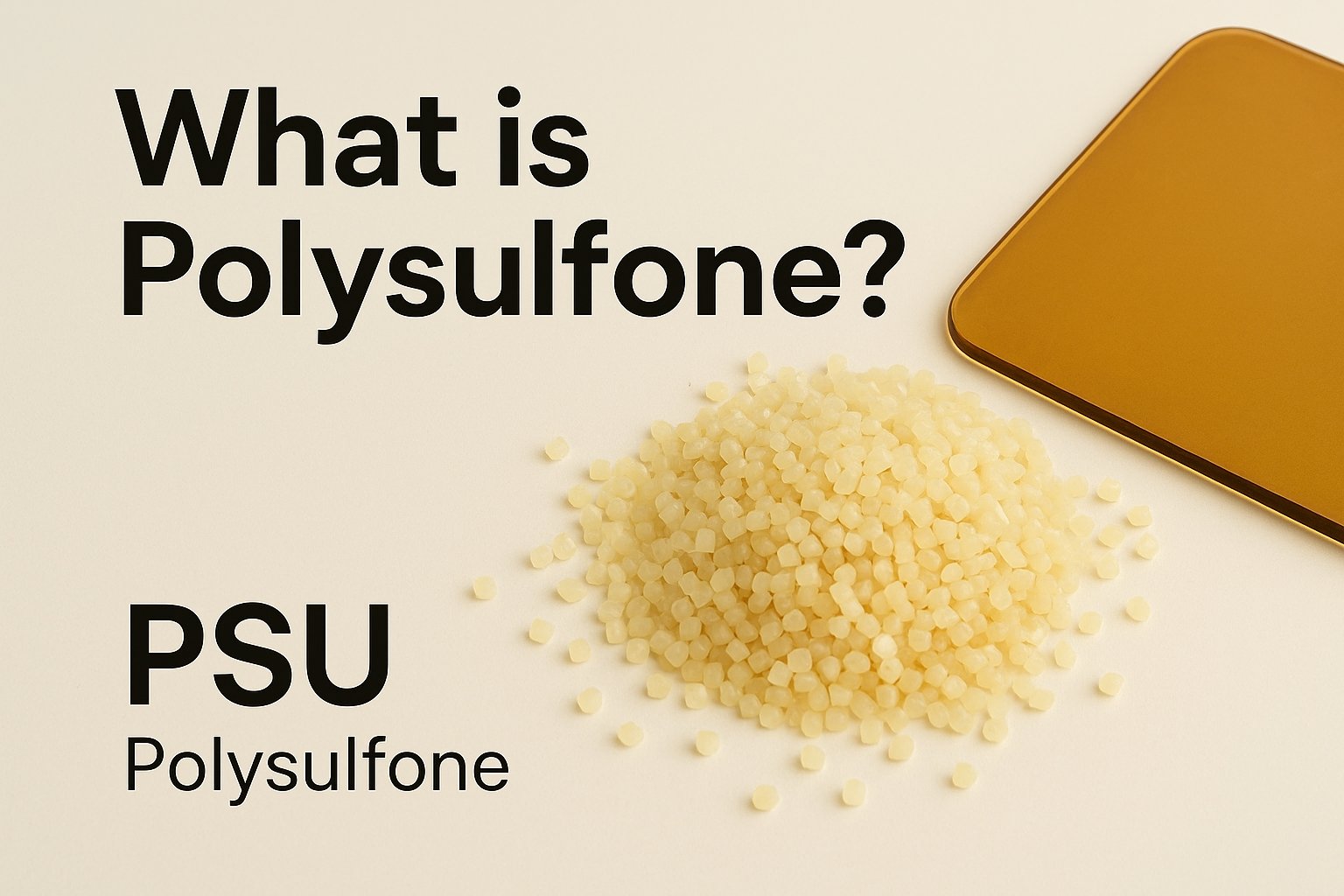
Polysulfone represents a class of high-performance thermoplastic polymers known for their exceptional thermal, mechanical, and chemical resistance properties. Belonging to the broader family of sulfone polymers, these advanced materials have carved out indispensable niches in industries where reliability under extreme conditions is paramount. Their unique molecular structure, characterized by sulfone linkages (–SO2–) and aromatic rings, imparts a formidable combination of strength, stiffness, and transparency, making them suitable for applications far beyond the capabilities of conventional plastics. Understanding polysulfones involves delving into their chemical architecture, exploring their distinct types, and recognizing the transformative impact they have had across various technological sectors, from medical devices to aerospace components.
The Chemical Foundation of Polysulfones
At its core, the performance of polysulfone stems directly from its meticulously engineered molecular structure. These polymers are defined by the presence of a sulfone group (SO2) in the main chain, which is typically flanked by aromatic (benzene) rings and ether linkages. This combination is key to their remarkable properties.
Molecular Structure and Characteristics
The backbone of polysulfone polymers features repeating units where sulfonyl groups are linked to two aromatic rings. The ether linkages (–O–) interspersed along the chain provide flexibility, improving processability and toughness, while the rigid aromatic rings contribute to high thermal stability and mechanical strength. The sulfone group itself is highly polar and electron-withdrawing, which contributes significantly to the polymer’s high glass transition temperature (Tg) and excellent resistance to hydrolysis and oxidation.
This unique arrangement results in several critical characteristics:
- Amorphous Structure: Polysulfones are largely amorphous, meaning their molecular chains are randomly arranged rather than forming ordered crystalline structures. This contributes to their transparency and isotropic mechanical properties (uniform properties in all directions).
- High Glass Transition Temperature (Tg): The Tg of polysulfone polymers typically ranges from 185°C to 230°C, indicating that they maintain rigidity and dimensional stability at elevated temperatures where many other thermoplastics would soften.
- Strong Intermolecular Forces: The polar sulfone groups and aromatic rings lead to strong intermolecular forces, which further contribute to their high mechanical strength, stiffness, and creep resistance.
Key Properties and Advantages
The chemical structure translates into a suite of outstanding properties that differentiate polysulfones from other engineering plastics:
- Exceptional Thermal Stability: Polysulfones can operate continuously at temperatures up to 150-200°C without significant degradation, making them ideal for high-heat applications. They also exhibit excellent thermal oxidative stability.
- High Mechanical Strength and Stiffness: They possess high tensile strength, flexural modulus, and impact strength, even at elevated temperatures, resisting deformation under load.
- Excellent Hydrolytic Stability: One of their most significant advantages is their resistance to hot water and steam, allowing them to withstand repeated sterilization cycles (e.g., autoclaving), which is crucial for medical and food contact applications.
- Good Chemical Resistance: Polysulfones resist a wide range of chemicals, including acids, alkalis, and many organic solvents, though they can be attacked by some polar solvents like ketones and chlorinated hydrocarbons.
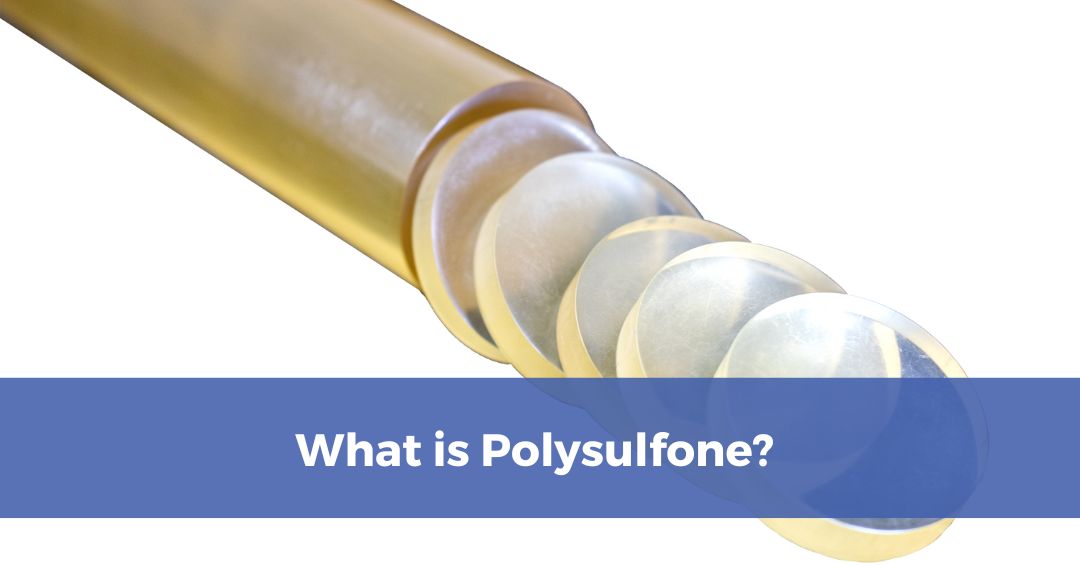
- Transparency: Their amorphous nature imparts excellent clarity and transparency, a valuable attribute for many applications where visibility is required.
- Good Electrical Insulation Properties: They maintain stable dielectric properties over a broad range of temperatures and frequencies.
- Flame Retardancy: Polysulfones are inherently flame retardant, with low smoke emission, often meeting demanding fire safety standards without the need for additives.
Types and Derivatives of Polysulfone
While “polysulfone” is often used as a general term, it specifically refers to a family of polymers, each with distinct advantages and application profiles. The most common and commercially significant members are Polysulfone (PSU), Polyethersulfone (PES), and Polyphenylsulfone (PPSU). The differences among these largely lie in the specific nature and arrangement of the ether and aromatic linkages alongside the sulfone group.
Polysulfone (PSU)
Polysulfone, often abbreviated as PSU, was one of the first commercially successful sulfone polymers. Its structure typically involves isopropylidene groups (a carbon atom bonded to two methyl groups) between the aromatic rings, alongside ether and sulfone linkages.
- Characteristics: PSU offers a good balance of properties, including high mechanical strength, excellent thermal stability (Tg around 185°C), good hydrolytic resistance, and transparency. It is a cost-effective choice within the sulfone family.
- Applications: Commonly found in foodservice equipment (e.g., microwave oven components, coffee machine parts), medical devices (sterilizable trays, instrument handles), and plumbing components.
Polyethersulfone (PES)
Polyethersulfone, or PES, is characterized by a higher ratio of ether linkages to sulfone groups compared to PSU, or by a different arrangement of the groups. This often results in a slightly higher heat deflection temperature and improved chemical resistance.
- Characteristics: PES generally exhibits higher mechanical strength, higher continuous use temperature (Tg around 220°C), and improved toughness compared to PSU. It also boasts excellent chemical resistance, especially to oils, greases, and many solvents. Its inherent flame retardancy is often superior.
- Applications: Widely used in water filtration membranes due to its excellent hydrolytic stability and ability to form fine pores, as well as in automotive parts, electrical connectors, and aircraft interior components where higher heat resistance is needed.
Polyphenylsulfone (PPSU)
Polyphenylsulfone, or PPSU, represents the pinnacle of the sulfone polymer family in terms of performance. It features a higher concentration of aromatic rings in its backbone, often leading to the absence of aliphatic (non-aromatic) carbon segments, which enhances its overall stability.
- Characteristics: PPSU offers the highest heat resistance (Tg around 220-230°C), superior impact strength, and exceptional hydrolytic and chemical resistance among the polysulfones. It can withstand repeated sterilization cycles (steam, dry heat, gamma radiation) without significant property degradation or discoloration, making it the material of choice for the most demanding environments.
- Applications: Dominant in critical medical devices requiring frequent sterilization (e.g., surgical instrument handles, sterilization trays, endoscope components), infant care products (baby bottles), and aerospace applications where extreme durability and fire safety are crucial.
Diverse Technological Applications

The unique blend of properties offered by polysulfones has positioned them as materials of choice across a vast array of high-tech industries. Their ability to perform reliably under challenging conditions makes them indispensable for advancing various technological fronts.
Medical and Healthcare Innovations
The medical sector is a major consumer of polysulfone derivatives, particularly PPSU, due to their biocompatibility, sterilizability, and chemical resistance.
- Surgical Instruments: Handles for surgical tools, sterilization trays, and internal components of endoscopes leverage PPSU’s ability to withstand repeated steam autoclaving, hot water, and harsh disinfectants without compromising structural integrity or material properties.
- Drug Delivery Systems: Components for inhalers, nebulizers, and fluid handling devices benefit from their chemical resistance and low extractables.
- Laboratory Equipment: Parts for centrifuges, filter housings, and various analytical instruments utilize PSU and PES for their transparency, chemical resistance, and ease of cleaning.
Aerospace and Automotive Engineering
The demands for lightweight, high-strength, and thermally stable materials in transportation industries find an excellent match in polysulfones.
- Aerospace: PSU, PES, and PPSU are used in aircraft interior components (e.g., galley equipment, seat parts, ventilation ducts) due to their inherent flame retardancy, low smoke emission, and high heat resistance. Their lightweight nature also contributes to fuel efficiency.
- Automotive: Under-the-hood components, pump parts, and sensor housings benefit from their chemical resistance to automotive fluids (oils, fuels) and ability to withstand high operating temperatures.
Water Filtration and Membrane Technology
Polyethersulfone (PES) stands out in membrane technology, particularly for water purification and separation processes.
- Ultrafiltration and Microfiltration Membranes: PES’s excellent hydrolytic stability, good pore-forming capabilities, and mechanical strength make it an ideal polymer for manufacturing membranes used in water treatment plants, kidney dialysis machines, and various industrial separation processes.
- Sterile Filtration: Its resistance to cleaning agents and steam sterilization allows for the production of membranes used in sterile filtration for pharmaceuticals and biotechnology.
Electronics and Electrical Components
Polysulfones’ excellent dielectric properties, high heat resistance, and dimensional stability make them suitable for various electrical and electronic applications.
- Connectors and Housings: Used in high-temperature electrical connectors, switches, and circuit board components where thermal stability and good insulation are critical.
- LED Components: Employed in reflectors and lenses for high-power LED lighting due to their transparency and ability to withstand the heat generated by LED arrays.
- Circuit Boards: In some demanding applications, polysulfone substrates are used for printed circuit boards due to their low dielectric loss and high-temperature performance.
Processing and Manufacturing Insights
Polysulfone polymers are thermoplastics, meaning they can be repeatedly melted and re-formed without significant degradation, allowing for efficient processing using standard techniques. However, their high melting temperatures and viscosities require specific considerations.
Fabrication Methods
- Injection Molding: This is the most common method for producing complex polysulfone parts. High mold temperatures and injection pressures are often necessary due to their high melt viscosity. Proper drying of the pellets is crucial to prevent hydrolysis during processing, which can lead to part defects.
- Extrusion: Used to produce sheets, films, rods, and profiles. This method also requires careful temperature control and material drying.
- Blow Molding: Less common but used for specific hollow parts, particularly with PPSU for applications like baby bottles.
- Thermoforming: Polysulfone sheets can be thermoformed, often requiring high forming temperatures and rapid cooling to maintain amorphous structure and transparency.
- Machining: Polysulfone parts can be machined, though care must be taken to avoid overheating and stress cracking.
Design Considerations for Polysulfone Parts
Designing with polysulfones requires an understanding of their specific properties:
- Wall Thickness Uniformity: Due to high melt viscosity, maintaining uniform wall thickness helps prevent warpage and residual stresses.
- Stress Concentrators: Sharp corners, abrupt thickness changes, and un-gated areas should be avoided to minimize stress concentrations and potential cracking, especially in parts subjected to chemical exposure or repeated sterilization.
- Mold Design: Molds should be designed with adequate venting and gate placement to ensure proper filling and minimize weld lines. Mold heating is crucial for achieving good surface finish and reducing internal stresses.
- Annealing: For critical applications, post-molding annealing can be performed to relieve internal stresses and further enhance dimensional stability, though it may slightly reduce toughness.
The Future Outlook for High-Performance Polymers
The trajectory of polysulfone development continues to evolve, driven by the increasing demands of advanced technologies and a growing emphasis on sustainability. Ongoing research focuses on refining existing formulations and exploring novel applications.
Emerging Trends and Research
- Enhanced Performance: Researchers are continually working on modifying polysulfone structures to achieve even higher thermal stability, chemical resistance, and mechanical properties, pushing the boundaries for extreme environment applications.
- Composite Materials: Integration of polysulfones into composite materials, often reinforced with carbon or glass fibers, is a significant area of development, aiming to create lighter, stronger, and more resilient components for aerospace and defense.
- Advanced Membrane Technology: Innovations in polysulfone-based membranes for desalination, gas separation, and fuel cell technologies are progressing, offering more efficient and cost-effective solutions for global challenges.
- Additive Manufacturing: Efforts are underway to optimize polysulfone grades for additive manufacturing processes (3D printing), enabling the production of complex geometries with the material’s inherent high-performance attributes.
Sustainability and End-of-Life Considerations
As with all advanced polymers, the environmental impact of polysulfones is a growing concern.
- Recycling: While challenging due to their high processing temperatures and relatively niche applications, efforts are being made to develop effective recycling pathways for polysulfone waste streams, particularly in industrial settings.
- Bio-based Polysulfones: Research into developing polysulfones from bio-renewable feedstocks is a long-term goal, aiming to reduce reliance on petrochemicals.
- Life Cycle Assessment: A holistic approach to evaluating the environmental footprint of polysulfones, from production to end-of-life, is crucial for promoting sustainable material choices in high-tech industries.
In summary, polysulfones are a testament to the power of polymer engineering, offering a unique combination of properties that enable critical technological advancements across diverse sectors. Their continued evolution ensures they will remain at the forefront of high-performance material science for the foreseeable future.
aViewFromTheCave is a participant in the Amazon Services LLC Associates Program, an affiliate advertising program designed to provide a means for sites to earn advertising fees by advertising and linking to Amazon.com. Amazon, the Amazon logo, AmazonSupply, and the AmazonSupply logo are trademarks of Amazon.com, Inc. or its affiliates. As an Amazon Associate we earn affiliate commissions from qualifying purchases.