
In the increasingly digital landscape of personal finance, a user ID is far more than just a string of characters; it is the fundamental key that unlocks your entire financial world with institutions like PNC Bank. Your PNC Bank User ID serves as your unique digital identifier, the primary credential that, in conjunction with your password, grants you secure access to your accounts, transaction history, online banking tools, and a host of other financial services. In essence, it is the cornerstone of your digital financial relationship with PNC, designed to personalize and protect your money management experience.

Understanding what your PNC Bank User ID is, how to use it effectively, and crucially, how to safeguard it, is paramount for anyone looking to navigate their personal finances with confidence and security in the digital age. It’s not just about logging in; it’s about gaining control, insight, and protection over your hard-earned money.
The Gateway to Your Financial World: Understanding Your PNC Bank User ID
Your PNC Bank User ID is the first step in a secure authentication process, acting as your personalized digital signature for online and mobile banking platforms. It distinguishes you from every other customer, linking directly to your specific financial accounts and services. Without it, the vast array of digital tools and information necessary for modern money management would be inaccessible.
More Than Just a Login: The Role of Your User ID in Personal Finance
While its most obvious function is to facilitate login, the user ID’s role extends much deeper into the fabric of your personal financial management. It’s the thread that connects your digital identity to your financial reality.
-
Account Access and Management: Your user ID is the portal through which you view checking accounts, savings accounts, credit cards, loans, and investment portfolios held with PNC. This unified access allows for a holistic view of your financial standing, enabling better budgeting and financial planning decisions.
-
Transaction Monitoring: Through your user ID, you can scrutinize every transaction, identify spending patterns, and quickly spot any unauthorized activity. This real-time oversight is crucial for maintaining financial health and detecting potential fraud.
-
Utilizing Financial Tools: PNC’s online platform offers robust financial tools—from budgeting calculators and expense trackers to bill payment services and money transfer features. Your user ID enables personalized access to these tools, allowing you to automate payments, transfer funds between accounts, and even set up savings goals, all contributing to more efficient money management.
-
Personalized Experience: The user ID often helps tailor your online experience, presenting relevant offers, alerts, and insights based on your account activity and preferences, making your banking experience more intuitive and responsive to your financial needs.
Distinguishing Your User ID from Other Financial Identifiers
It’s common for individuals to confuse their user ID with other numerical identifiers associated with their banking. However, each serves a distinct purpose, primarily for security and functionality.
-
User ID vs. Account Number: Your account number identifies a specific financial account (e.g., checking or savings) to the bank. Your user ID identifies you to the online system. You might have multiple account numbers linked to a single user ID. Sharing an account number is often necessary for deposits or direct debits, but sharing your user ID is never advisable.
-
User ID vs. Debit Card Number: A debit card number is a 16-digit identifier for your payment card, primarily used for transactions at point-of-sale terminals or online purchases. While linked to one of your bank accounts, it’s a physical or virtual payment tool, whereas your user ID is for accessing the digital banking platform itself.
-
User ID vs. PIN: A Personal Identification Number (PIN) is typically a 4-digit code used with your debit or credit card for ATM transactions or purchases. It’s an additional layer of authentication for specific payment methods, not for logging into your online banking portal.
Understanding these distinctions is vital for maintaining the security and integrity of your personal financial information. Each identifier has a specific context, and confusing them can lead to security vulnerabilities or transactional errors.
Establishing and Managing Your PNC User ID: A Foundation for Financial Control
Creating and managing your PNC Bank User ID is a straightforward process, but it lays the essential groundwork for securely accessing and controlling your finances online. It’s the critical first step in taking advantage of modern digital banking conveniences.
The Initial Setup Process: Your First Step Towards Online Banking
If you’re a new PNC customer or haven’t yet enrolled in online banking, setting up your user ID is typically an intuitive, guided process that can often be completed in minutes.
-
Visit the PNC Website or App: Start by navigating to PNC’s official website or downloading the PNC Mobile Banking App.
-
Locate Enrollment: Look for an option like “Enroll in Online Banking,” “Sign Up,” or “First-time user.”
-
Provide Personal Information: You’ll be prompted to enter specific personal details for verification. This typically includes your PNC account number (checking, savings, or credit card), your Social Security number, date of birth, and potentially your debit card number and PIN. This information helps PNC confirm your identity and link your accounts to your new online profile.
-
Create Your User ID and Password: This is where you’ll define your unique User ID and set a strong, memorable password. PNC will likely have guidelines regarding the length, character types (uppercase, lowercase, numbers, symbols) required for both to ensure robust security.
-
Set Up Security Questions: You’ll usually be asked to choose and answer several security questions. These act as an additional layer of verification, particularly useful if you forget your password or user ID.
-
Review and Confirm: After entering all necessary information, you’ll review your details and confirm your enrollment. You may receive an email or text confirmation.
Accuracy during this initial setup is paramount to avoid future access issues and ensure your financial data is correctly linked.
Best Practices for User ID Creation: Security Meets Accessibility
While PNC may have specific requirements, adopting general best practices for creating your User ID enhances both security and usability.
-
Uniqueness: Your User ID should be unique to you and ideally not easily guessable from publicly available information. Avoid using your full name, birthdate, or simple sequences.
-
Memorability: Choose something you can remember without writing down. This might involve a combination of initials, numbers, and a non-obvious personal reference.
-
Distinction: If you bank with multiple institutions, try to create distinct User IDs for each to prevent a single compromise from affecting all your financial accounts.
-
Avoid Sensitive Information: Never use your Social Security number, account number, or debit card number as part of your User ID. These are critical pieces of information that should never be revealed through your login credential.
A well-chosen User ID, combined with a robust password, forms the bedrock of your online financial security.
Recovering a Forgotten User ID: Restoring Access to Your Funds
Forgetting your User ID is a common occurrence, but PNC Bank, like other financial institutions, has a secure process in place to help you regain access without compromising your funds.
-
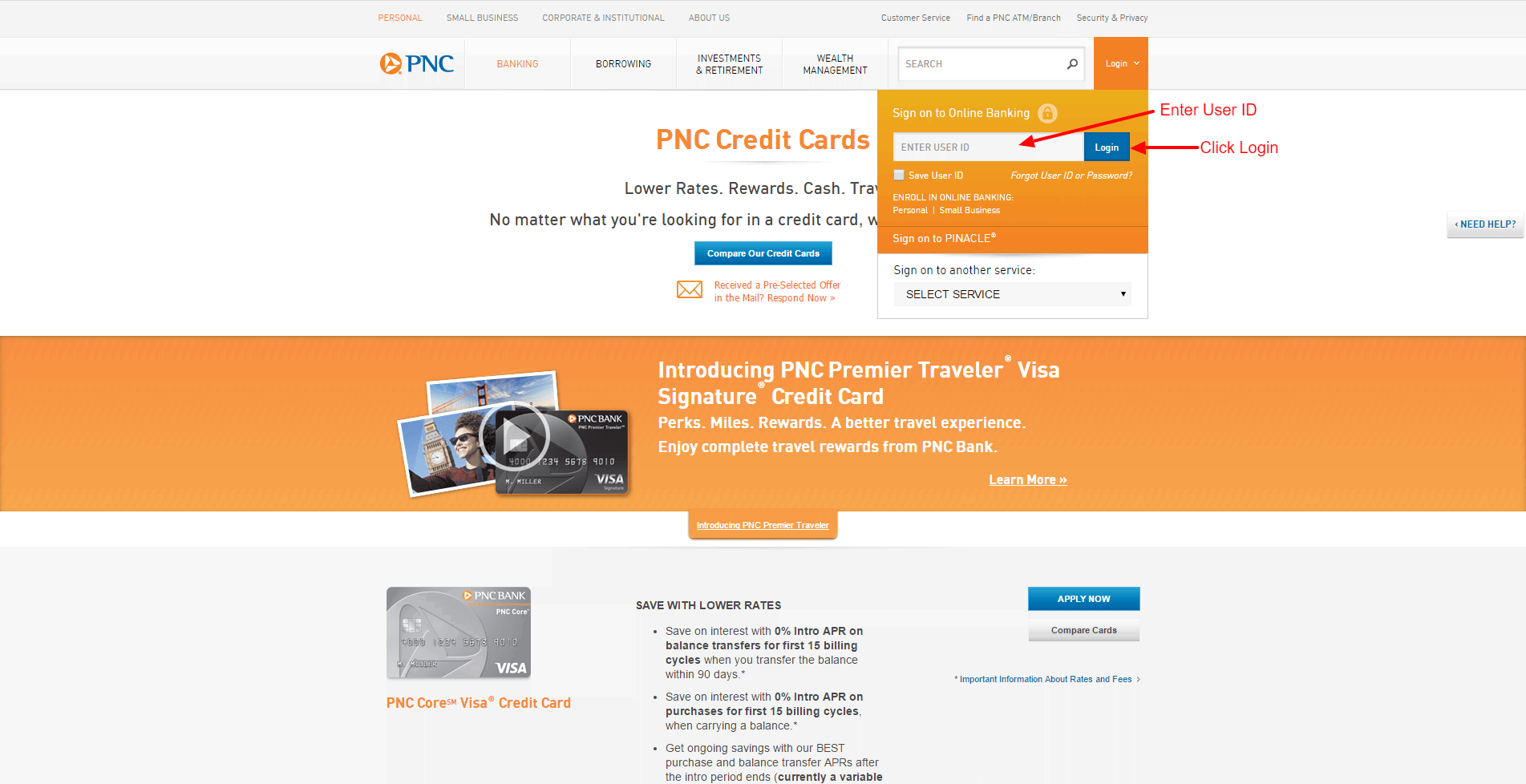
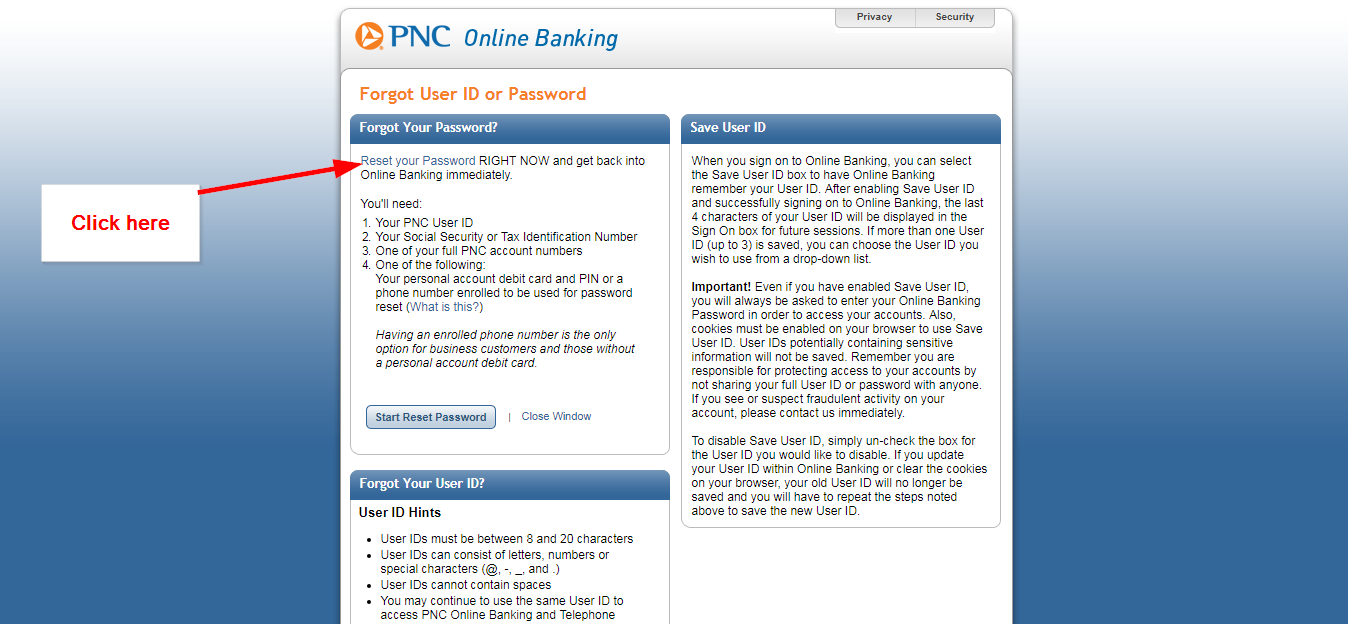
“Forgot User ID” Option: On the PNC online banking login page or app, look for a link such as “Forgot User ID” or “Retrieve User ID.”
-
Verification Process: You will typically be asked to provide identifying information to confirm you are the legitimate account holder. This might include your Social Security number, account number, or the answers to your previously set security questions.
-
Secure Retrieval: Once your identity is verified, PNC will guide you to retrieve your User ID, often by displaying it or sending it to your registered email address or phone number. In some cases, you might be prompted to create a new User ID, especially if the forgotten one doesn’t meet current security standards.
-
Customer Service: If you encounter any difficulties, PNC customer service is available to assist, though they will follow strict verification protocols to ensure your financial security.
This recovery process is designed with multiple layers of security to prevent unauthorized individuals from gaining access to your accounts, underscoring the bank’s commitment to protecting your money.
Digital Security and Your PNC Bank User ID: Protecting Your Financial Assets
The security of your PNC Bank User ID is directly proportional to the security of your financial assets accessible through online banking. Understanding the threats and implementing protective measures is not merely a suggestion but a critical component of responsible money management in the digital age.
Multi-Factor Authentication: Layering Defenses Around Your Money
PNC Bank, like most reputable financial institutions, heavily relies on Multi-Factor Authentication (MFA) to bolster the security around your User ID and password. MFA requires two or more verification methods from independent categories, significantly increasing the difficulty for unauthorized access.
-
What it is: After entering your User ID and password, MFA might require you to enter a code sent to your registered phone or email, answer a security question, or use a biometric scan (fingerprint, facial recognition) if enabled on your device.
-
Why it’s crucial for your money: Even if a fraudster manages to steal your User ID and password, without the second factor (which they would not possess), they cannot gain access to your accounts. This acts as a formidable barrier, directly protecting your funds and personal financial data from theft. PNC’s implementation of MFA is a proactive step in safeguarding your financial well-being.
Recognizing and Avoiding Phishing Scams Related to User IDs
Phishing is a prevalent cyber threat where fraudsters attempt to trick you into revealing sensitive information, including your User ID and password. These scams directly target your ability to access your money.
-
How they work: You might receive an email, text message, or phone call that appears to be from PNC Bank, asking you to “verify” your account details, “update” your information, or click on a suspicious link. These links often lead to fake websites designed to look identical to PNC’s login page, where any entered credentials are then stolen.
-
Red flags to watch for:
-
Urgent or threatening language: Scammers often try to create panic (“Your account will be suspended!”) to rush you into action.
-
Generic greetings: If an email doesn’t address you by name, it’s a red flag.
-
Grammatical errors or typos: Professional banks maintain high standards for communication.
-
Suspicious links: Hover over links (without clicking) to see the actual URL. If it doesn’t clearly show
pnc.com, avoid it. -
Requests for sensitive information: PNC Bank will never ask for your full User ID, password, Social Security number, or full debit card number via unsecure email or text message.
-
-
Protecting your money: Always navigate directly to PNC’s official website by typing the URL yourself or use the official PNC mobile app. If you suspect a phishing attempt, report it to PNC and delete the communication.
Proactive Steps for User ID Protection in Your Financial Routine
Vigilance and consistent good practices are essential for protecting your PNC Bank User ID and, by extension, your financial assets.
-
Strong, Unique Passwords: Always pair your User ID with a strong, complex password unique to PNC Bank. Avoid reusing passwords across different sites.
-
Regular Password Changes: Periodically update your password to maintain security.
-
Secure Devices: Only access your PNC accounts from trusted, secured devices (your personal computer, smartphone) that have up-to-date antivirus software and operating system patches. Avoid public Wi-Fi for banking unless using a VPN.
-
Monitor Account Activity: Regularly review your transaction history and account balances. Promptly report any suspicious activity to PNC Bank. Early detection is key to mitigating potential financial losses.
-
Enable Alerts: Set up email or text alerts for significant transactions, balance changes, or login attempts. This allows you to stay informed about your money in real-time.
By adhering to these proactive measures, you create a robust defense around your PNC Bank User ID, significantly reducing the risk of unauthorized access to your financial accounts.
Maximizing Your Online Banking Experience with Your PNC User ID
Your PNC Bank User ID is not just a security measure; it’s the key to unlocking a comprehensive suite of digital financial management tools designed to empower you to take full control of your money. Maximizing your online banking experience means leveraging these tools to their fullest potential.
Navigating PNC’s Digital Tools: From Budgeting to Bill Pay
Once you securely log in with your User ID, a world of financial convenience opens up. PNC’s platform is designed to make managing your personal finances as seamless and efficient as possible.
-
Budgeting and Spending Analysis: Many online banking platforms, including PNC’s, offer integrated tools that categorize your transactions, visualize your spending, and help you create and stick to a budget. Your User ID allows these tools to pull directly from your account data, providing accurate, real-time insights into where your money goes. This is invaluable for financial planning and identifying areas for savings.
-
Online Bill Pay: Set up recurring payments for utilities, rent, and other bills, or make one-time payments. This eliminates the need for checks, saves postage, and ensures bills are paid on time, avoiding late fees that can impact your financial health.
-
Money Movement: Easily transfer funds between your PNC accounts, send money to friends and family via services like Zelle, or set up external transfers to accounts at other financial institutions. Your User ID authenticates these transactions, ensuring your money goes where it’s intended.
-
Statements and Documents: Access digital statements, tax documents, and other important financial records securely. This reduces paper clutter and ensures you have instant access to necessary documents for tax preparation or record-keeping.
By actively using these features, enabled by your User ID, you transition from reactive to proactive financial management, gaining clarity and efficiency in handling your money.
Personalized Financial Insights and Alerts
Your PNC Bank User ID, in conjunction with your account data, allows the bank to deliver personalized financial insights and critical alerts directly to you. This service adds significant value to your money management strategy.
-
Tailored Advice: Based on your spending habits, savings patterns, and account balances, PNC might offer personalized tips for saving more, managing debt, or optimizing your investments. These insights are derived from your financial footprint, accessible through your User ID.
-
Customizable Alerts: Beyond standard security alerts, you can often set up alerts for specific financial events—such as when a large deposit hits your account, your balance falls below a certain threshold, or a specific type of transaction occurs. These customizable notifications empower you to stay informed and react swiftly to changes in your financial situation, protecting you from unexpected overdrafts or missed opportunities.
These features transform your online banking portal from a mere account viewer into a personalized financial assistant, helping you make smarter decisions about your money.
Future-Proofing Your Financial Access: Adapting to Evolving Digital Banking
The digital banking landscape is continuously evolving, with new technologies and security measures emerging regularly. Your PNC Bank User ID remains a constant, adaptable element at the heart of this evolution.
-
Biometric Integration: While the User ID/password combination remains primary, modern banking apps often integrate biometrics (fingerprint, facial recognition) for quicker, secure access. Your User ID is still the underlying identifier, with biometrics acting as an additional, convenient layer of authentication.
-
Enhanced Security Protocols: As cyber threats evolve, so do banking security measures. PNC consistently updates its systems, and your User ID is inherently tied into these upgraded protocols, ensuring your financial data benefits from the latest protections.
-
Seamless Experience Across Platforms: Whether you’re on a desktop computer, a tablet, or a smartphone, your User ID provides a consistent and secure entry point, ensuring a seamless experience across all digital channels.
In conclusion, your PNC Bank User ID is much more than a simple login credential; it is the linchpin of your digital financial life. It facilitates secure access, empowers comprehensive money management, and acts as a foundational element in protecting your financial assets. By understanding its significance, managing it diligently, and leveraging the tools it unlocks, you can navigate the complexities of modern personal finance with confidence, efficiency, and unwavering security.
aViewFromTheCave is a participant in the Amazon Services LLC Associates Program, an affiliate advertising program designed to provide a means for sites to earn advertising fees by advertising and linking to Amazon.com. Amazon, the Amazon logo, AmazonSupply, and the AmazonSupply logo are trademarks of Amazon.com, Inc. or its affiliates. As an Amazon Associate we earn affiliate commissions from qualifying purchases.