
The Earth’s rainforests are more than just lush landscapes; they are vital engines for our planet’s climate, biodiversity, and the economic well-being of millions. Often referred to as the “lungs of the Earth,” these incredible ecosystems regulate global weather patterns, absorb vast quantities of carbon dioxide, and house an astonishing array of plant and animal life. Yet, they are disappearing at an alarming rate, primarily due to economic pressures driving agricultural expansion, logging, mining, and infrastructure development. The challenge of saving the rainforest, therefore, is not merely an environmental one; it is fundamentally an economic and financial one. By reframing conservation through a lens of strategic investment, sustainable financial mechanisms, and equitable economic development, we can forge a path toward lasting preservation. This article delves into the financial strategies and tools necessary to protect these invaluable natural assets for generations to come.

The Economic Imperative for Rainforest Preservation
Understanding the financial value of rainforests is the first step toward safeguarding them. For too long, their worth has been underestimated, leading to decisions that prioritize short-term gains over long-term planetary health and economic stability.
Valuing Nature’s True Capital
Rainforests provide an immense array of “ecosystem services” – natural processes that benefit human life and underpin global economies. These include carbon sequestration, which mitigates climate change; regulation of water cycles, crucial for agriculture and drinking water; soil stabilization, preventing erosion and landslides; and a vast reservoir of biodiversity, offering potential for new medicines, crops, and industrial materials. Scientists estimate the economic value of these services to be trillions of dollars annually, far exceeding the market value derived from their destruction. For instance, the pharmaceutical industry has found numerous compounds in rainforest plants that have led to life-saving drugs. When rainforests are destroyed, these services are lost, creating a hidden but significant cost to humanity. Recognizing and quantifying this “natural capital” is crucial for shifting investment and policy decisions. It moves rainforests from being perceived as unproductive land to being seen as invaluable assets whose preservation yields significant returns.
The Cost of Inaction: Economic Risks of Deforestation
The financial implications of continued deforestation extend far beyond the immediate loss of natural resources. The global economy faces substantial risks from a warming planet, extreme weather events, and mass extinctions, all exacerbated by rainforest destruction. Climate change-induced disasters, such as floods, droughts, and wildfires, cost billions in damages annually, disrupt supply chains, and displace populations. Industries dependent on stable climates and natural resources, from agriculture and fisheries to tourism and insurance, are directly threatened. Furthermore, the loss of biodiversity compromises ecosystem resilience, making our planet more vulnerable to diseases and ecological collapses that can have cascading economic effects. Investing in rainforest conservation is, therefore, a strategic hedge against future economic instability, a form of proactive risk management that pays dividends in global security and prosperity.
Innovative Financial Mechanisms for Conservation Funding
Traditional conservation funding, often reliant on philanthropy and government grants, is insufficient to meet the scale of the deforestation challenge. A new paradigm requires leveraging sophisticated financial instruments to unlock significant capital flows.
Carbon Markets and Credit Systems
Carbon markets offer a potent financial incentive for rainforest protection. Under these systems, projects that prevent deforestation or reforest degraded areas can generate carbon credits, which represent a measurable reduction or removal of greenhouse gas emissions. These credits can then be bought by companies or governments seeking to offset their own emissions. Compliance markets, driven by international treaties or national regulations, and voluntary markets, fueled by corporate social responsibility, channel billions of dollars into conservation. Initiatives like REDD+ (Reducing Emissions from Deforestation and Forest Degradation) aim to create a financial value for the carbon stored in forests, providing incentives for developing countries to reduce emissions from land use. While challenges remain in terms of verification, permanence, and equitable benefit-sharing, robust carbon markets hold immense potential to make standing forests more valuable than cleared land.
Green Bonds and Sustainable Finance Instruments
The burgeoning sustainable finance market presents another powerful avenue for funding rainforest conservation. Green bonds are fixed-income instruments specifically designed to raise capital for projects with environmental benefits. Governments, development banks, and corporations can issue green bonds to finance sustainable forestry, land restoration, or biodiversity protection initiatives in rainforest regions. Similarly, sustainability-linked loans and other innovative financial products are emerging, where interest rates are tied to borrowers’ performance on specific environmental targets. These instruments attract a growing pool of environmentally conscious investors, redirecting capital towards projects that contribute positively to the planet and offering attractive risk-adjusted returns.
Debt-for-Nature Swaps and Conservation Endowments
Debt-for-nature swaps are creative financial transactions where a portion of a developing country’s foreign debt is forgiven in exchange for commitments to invest in domestic environmental conservation programs, often including rainforest protection. This mechanism simultaneously reduces national debt burdens and generates dedicated, long-term funding for conservation. Conservation endowments, on the other hand, are permanent funds established to provide a stable, long-term source of income for protected areas and conservation initiatives. The principal of the endowment is invested, and only the generated income is spent, ensuring financial sustainability for generations, independent of fluctuating political will or donor cycles.
Empowering Local Economies Through Sustainable Alternatives
Deforestation is often driven by the immediate economic needs of local communities. Providing viable, sustainable alternatives that generate income without destroying the forest is crucial for long-term success.
Ecotourism and Regenerative Livelihoods
Ecotourism offers a powerful economic incentive for communities to protect their rainforests. By developing responsibly managed tourism operations that showcase biodiversity and cultural heritage, local communities can generate significant income from visitors. This makes the standing forest more valuable than logging or cattle ranching, directly linking economic prosperity to conservation. Beyond traditional ecotourism, regenerative livelihoods focus on activities that actively restore ecosystems while providing income, such as guided reforestation projects, sustainable handicraft production, and cultural preservation initiatives that draw tourists. Investing in infrastructure, training, and marketing for these ventures empowers communities to become stewards of their natural heritage.
Sustainable Agriculture and Agroforestry Investments
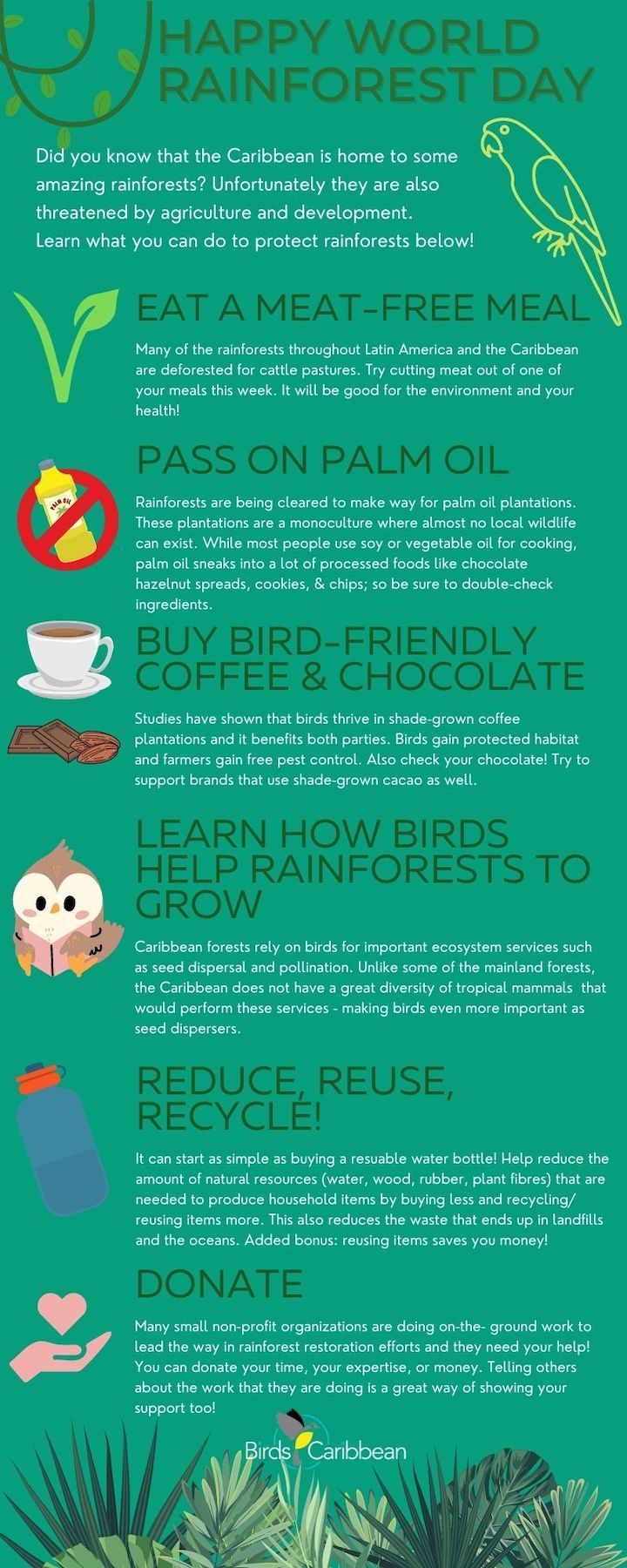
The expansion of unsustainable agriculture is a primary driver of deforestation. Investing in sustainable agriculture and agroforestry systems offers a solution. Practices like shade-grown coffee and cacao, sustainable timber harvesting, and diversified agroforestry models allow farmers to cultivate crops within the forest canopy, preserving biodiversity and soil health while generating consistent income. Financial support for these initiatives includes micro-loans for smallholder farmers, grants for adopting sustainable practices, and investments in certification schemes that guarantee market access and premium prices for sustainably produced goods. This shifts the economic calculus from “clear and plant” to “integrate and sustain.”
Bio-Economy and Non-Timber Forest Products (NTFPs)
Rainforests are a treasure trove of non-timber forest products (NTFPs), including fruits (like açai), nuts, rubber, medicinal plants, and resins. Developing sustainable markets for these products can create significant economic opportunities for forest-dependent communities. Investment in the bio-economy involves funding research into NTFP properties, developing processing and marketing infrastructure, and connecting communities to global markets. This not only diversifies income streams but also incentivizes communities to preserve the forest that provides these valuable resources, creating a direct economic link between forest health and human prosperity.
The Role of Impact Investing and Corporate Responsibility
The private sector, through both direct investment and responsible business practices, holds immense power to steer capital towards rainforest conservation.
Direct Investment in Conservation Projects
Impact investing is a rapidly growing field where investors seek both financial returns and positive social and environmental impacts. This capital can be channeled directly into ventures that protect rainforests, such as sustainable forestry companies, ecotourism resorts, NTFP processing businesses, and carbon sequestration projects. These investments often provide patient capital, tailored to the unique risks and long-term horizons of conservation-linked enterprises, driving innovation and scaling up effective solutions. The demand from a new generation of investors for ethical and impactful investments is accelerating this trend.
Corporate Supply Chain Sustainability and ESG Funds
Major corporations have a significant footprint in rainforest regions through their supply chains, particularly in commodities like palm oil, soy, beef, and timber. Committing to deforestation-free supply chains and investing in traceability and certification programs is a powerful financial lever. Financial institutions are increasingly incorporating ESG (Environmental, Social, Governance) criteria into their investment decisions, directing capital towards companies with strong environmental performance and away from those contributing to deforestation. ESG funds and indices pressure companies to adopt more sustainable practices, creating a financial advantage for responsible businesses and a disincentive for those that lag. This mainstreaming of environmental concerns into financial analysis is a game-changer.
Philanthropic Capital and Grant Funding
While not driven by financial returns, philanthropic capital and grant funding remain indispensable for rainforest conservation. Foundations, wealthy individuals, and non-governmental organizations (NGOs) provide crucial seed funding for innovative projects, support scientific research, fund advocacy efforts, and cover the operational costs of protected areas. This “catalytic capital” can de-risk projects, enabling them to attract larger commercial investments later. It also plays a vital role in areas where market solutions are not yet viable, supporting indigenous rights, land tenure, and community-based conservation, which are foundational to long-term rainforest protection.
Policy, Regulation, and International Financial Cooperation
Effective rainforest conservation requires a supportive policy and regulatory environment, bolstered by international financial cooperation. Governments and multilateral institutions are critical players in setting the rules and providing the necessary frameworks.
Government Incentives and Disincentives
National governments in rainforest nations, and consumer nations alike, can implement policies that financially incentivize conservation and penalize destruction. This includes subsidies for sustainable agriculture, tax breaks for eco-friendly businesses, and robust enforcement of environmental laws. Conversely, removing harmful subsidies that encourage deforestation (e.g., for cattle ranching on cleared land) is equally important. Crucially, establishing secure land tenure rights for indigenous communities and local populations provides them with legal and financial certainty, empowering them to protect their ancestral lands and often serving as the most effective barrier against deforestation.
International Financial Institutions and Development Banks
Organizations like the World Bank, the International Monetary Fund (IMF), and regional development banks play a crucial role in channeling significant financial resources towards sustainable development and conservation. They provide loans, grants, and technical assistance for projects that support rainforest protection, climate resilience, and sustainable livelihoods in developing countries. Their influence can also help shape national policies towards more environmentally sound practices, making conservation an integral part of national development strategies. These institutions can also facilitate the coordination of international funding efforts, ensuring efficiency and impact.
Global Agreements and Funding Mechanisms
International agreements, such as the Paris Agreement on climate change and the Convention on Biological Diversity, provide the overarching framework for global conservation efforts. Associated funding mechanisms, like the Green Climate Fund and the Global Environment Facility, pool resources from developed nations to support climate action and biodiversity protection in developing countries, including initiatives for rainforest preservation. These mechanisms are vital for ensuring that financial burdens are shared globally and that countries with rich rainforests have the resources to protect them, recognizing the global benefits that accrue from their stewardship.
Saving the rainforest is a complex challenge, but at its heart lies an economic equation. By recognizing the immense financial value of these ecosystems, deploying innovative financial instruments, empowering local economies with sustainable alternatives, engaging the private sector through impact investing and corporate responsibility, and fostering robust policy frameworks and international cooperation, we can create a financial blueprint for success. This approach shifts the paradigm from exploitation to sustainable investment, ensuring that the Earth’s rainforests continue to thrive as vital components of our global economic and ecological health. The time for financial innovation in conservation is now; the future of our planet depends on it.
aViewFromTheCave is a participant in the Amazon Services LLC Associates Program, an affiliate advertising program designed to provide a means for sites to earn advertising fees by advertising and linking to Amazon.com. Amazon, the Amazon logo, AmazonSupply, and the AmazonSupply logo are trademarks of Amazon.com, Inc. or its affiliates. As an Amazon Associate we earn affiliate commissions from qualifying purchases.