
The name “PNC Bank” is ubiquitous across the American financial landscape, a familiar acronym gracing skyscrapers, branch signs, and digital interfaces. Yet, for many, the origins and deeper meaning behind these three letters remain a mystery. Unlike more descriptive names that immediately convey a service or location, “PNC” stands as a testament to strategic branding, historical mergers, and the deliberate construction of a corporate identity. Far from being a mere jumble of letters, PNC encapsulates a rich legacy, a defined set of values, and a carefully cultivated image that resonates with millions of customers. Understanding what PNC Bank “stands for” goes beyond its literal etymology; it delves into the strategic brand choices that have positioned it as a leading financial institution.

The Genesis of an Acronym: Tracing PNC’s Historical Roots
Every powerful brand has an origin story, and PNC’s begins with a convergence of two distinct financial entities. The acronym “PNC” is a direct legacy of a pivotal merger, a strategic decision that laid the foundation for the bank we know today.
From Regional Powerhouses to National Presence
The story of PNC begins in the early 1980s, a period of significant consolidation within the U.S. banking sector. Two prominent regional banks, both deeply rooted in their respective communities, decided to unite their strengths. These were Pittsburgh National Corporation and Provident National Corporation.
Pittsburgh National Corporation, founded in 1864 as First National Bank of Pittsburgh, had a long and storied history in Western Pennsylvania. It grew alongside the industrial might of the region, evolving into a robust financial services provider that served businesses and individuals alike. Its identity was closely tied to the Steel City’s resilience and economic dynamism.
Provident National Corporation, headquartered in Philadelphia, boasted an equally impressive lineage. Established in 1847 as Provident Life and Trust Company, it had grown to become a major financial force in the Mid-Atlantic region. Provident was known for its diversified services, including trust management and wealth advisory, serving a sophisticated client base in one of America’s oldest financial hubs.
The merger of these two institutions in 1983 was more than just a business transaction; it was the union of two distinct corporate cultures and regional strengths. This combination created a financial powerhouse with a broader geographic footprint and an expanded suite of services, poised for national growth.
The Birth of “PNC” and Its Evolving Meaning
Upon their merger, the newly formed entity adopted the name PNC Financial Corporation, directly derived from the initials of its two parent companies. This decision to use an acronym was not uncommon at the time, particularly in industries undergoing rapid consolidation. It served several strategic purposes:
Firstly, it provided a neutral identity that honored both contributing institutions without favoring one over the other. This was crucial for fostering internal cohesion and presenting a unified front to the market.
Secondly, it offered brevity and memorability. In an increasingly crowded financial landscape, a concise name like “PNC” was easier to recall and communicate than a lengthy combination of the original names.
Thirdly, it allowed for future flexibility. An acronym, being less descriptive than a full name, offered the advantage of not being tied to a specific product, service, or geographic location. This foresight proved invaluable as PNC diversified its offerings and expanded its reach beyond its initial regional strongholds.
Over the decades, “PNC” has transcended its literal origins. While the initialism technically stands for Pittsburgh National Corporation and Provident National Corporation, the brand has successfully imbued it with a much broader, more contemporary meaning. Today, when one encounters “PNC,” it evokes not just the history of a merger, but the presence of a leading financial services organization committed to innovation, customer service, and community engagement. The meaning has evolved from a historical descriptor to a symbol of its current corporate identity.
Beyond the Initials: PNC’s Brand Pillars and Corporate Identity
A brand is far more than just a name or a logo; it’s the sum total of an organization’s values, promises, and the experiences it delivers. PNC Bank has meticulously built a brand identity that articulates its purpose, guides its operations, and shapes its relationship with customers and stakeholders.
Core Values and Mission Statement
At the heart of PNC’s brand identity are its core values and mission statement, which serve as the guiding principles for its operations and interactions. While specific wordings may evolve, PNC consistently emphasizes themes such as:
- Customer Focus: Placing client needs at the center of all operations, striving to provide tailored solutions and exceptional service.
- Integrity and Trust: Upholding the highest ethical standards, ensuring transparency and reliability in all dealings, which is paramount in the financial sector.
- Teamwork and Collaboration: Fostering an internal culture that values diverse perspectives and collective effort to achieve shared goals.
- Innovation: Continuously seeking new and better ways to serve customers, embracing technological advancements and adapting to market changes.
- Community Commitment: Recognizing its role as a responsible corporate citizen, investing in the well-being and development of the communities it serves.
These values are not merely aspirational statements; they are woven into the fabric of PNC’s decision-making processes, from product development to employee training. They represent what PNC stands for in terms of its operational philosophy and ethical stance. The mission statement typically articulates its commitment to helping individuals, families, and businesses achieve their financial goals, connecting its historical stability with a forward-looking approach to client success.
Visual Identity and Brand Messaging
PNC’s visual identity is instantly recognizable and plays a crucial role in reinforcing its brand message. The logo, color palette, typography, and imagery are carefully chosen to convey specific attributes:
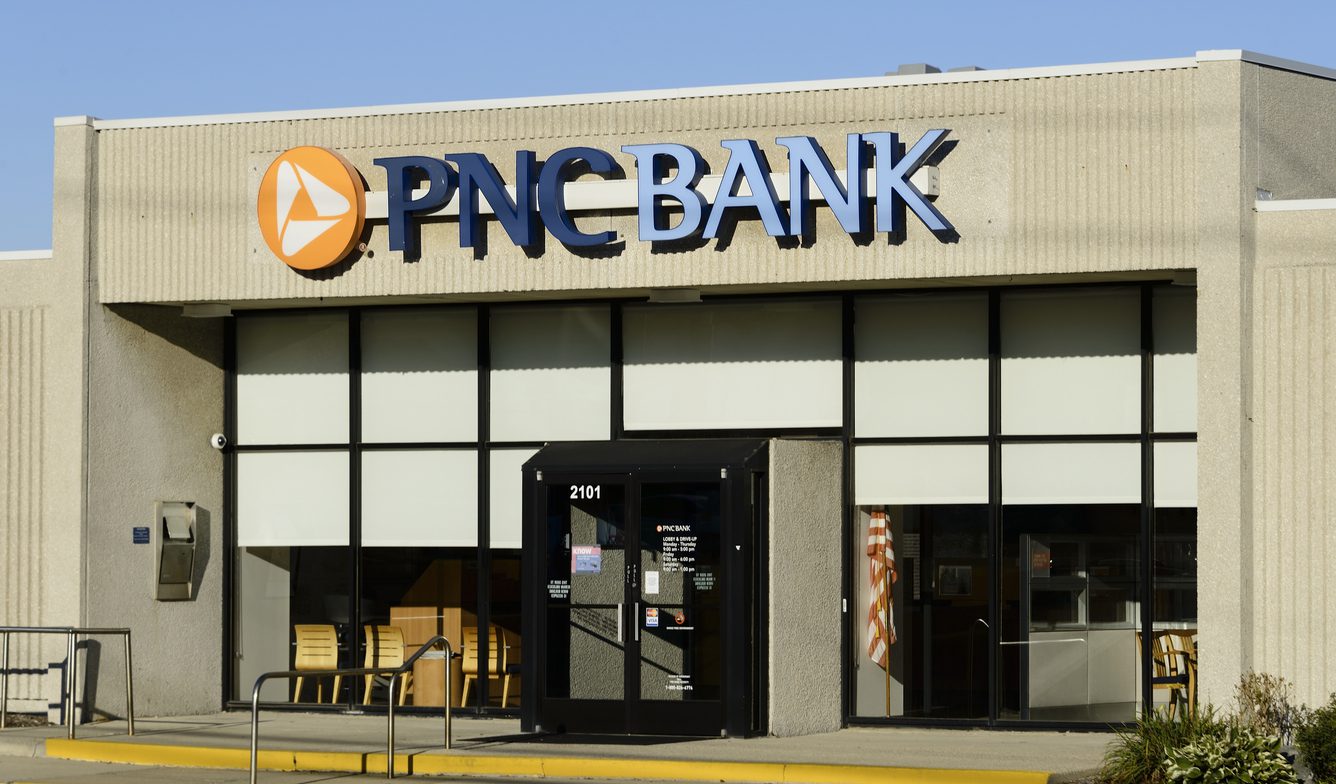
- Logo: The current PNC logo, often featuring a distinct green triangle or simply the stylized “PNC” in a modern sans-serif font, aims for a clean, professional, and approachable aesthetic. The green color traditionally symbolizes growth, stability, and money, while the clean lines suggest efficiency and modernity.
- Color Palette: Dominated by shades of green, often paired with blues and neutrals, the palette evokes a sense of trust, nature (growth), and professionalism. This consistent application across all touchpoints – branches, websites, mobile apps, and marketing materials – builds strong brand recognition.
- Brand Messaging: PNC’s slogans and marketing campaigns typically focus on themes of financial empowerment, guidance, and partnership. Phrases like “For the achiever in you” or “PNC Bank: Banking Reimagined” aim to resonate with aspirations and present PNC as an enabler of financial progress. They often highlight personalized advice, innovative digital tools, and a commitment to helping customers navigate their financial journeys. This messaging positions PNC not just as a bank, but as a financial ally.
Through these cohesive visual and verbal elements, PNC consistently communicates its promise of reliability, innovation, and a personalized approach to banking, ensuring that the brand identity is clear and compelling.
Customer Perception and Brand Experience
The ultimate test of a brand’s strength lies in how it is perceived and experienced by its customers. PNC strives to shape these perceptions across various segments:
- Retail Customers: For individuals and families, PNC aims to be seen as a convenient, reliable, and technologically advanced bank that simplifies everyday banking and provides accessible tools for financial planning. The branch experience, ATM network, and especially the mobile banking app are critical touchpoints.
- Business Customers: For small, mid-sized, and large businesses, PNC positions itself as a strategic partner, offering sophisticated cash management, lending, and advisory services. The brand message here emphasizes expertise, tailored solutions, and support for growth.
- Institutional Clients: For corporations and other large organizations, PNC seeks to be a trusted provider of capital markets, treasury management, and wealth management services, highlighting its deep financial acumen and robust infrastructure.
The brand experience is a direct outcome of the quality of service, the functionality of digital platforms, the professionalism of employees, and the overall reliability of its operations. PNC’s consistent efforts to deliver on its brand promise across these touchpoints are fundamental to building and maintaining a strong, positive brand image.
Strategic Brand Evolution in a Dynamic Market
No brand, especially in the rapidly changing financial sector, can remain static. PNC has demonstrated a remarkable ability to evolve its brand identity while staying true to its core values, adapting to technological shifts, market consolidation, and evolving societal expectations.
Adapting to Digital Transformation and Changing Consumer Expectations
The digital revolution has fundamentally reshaped the banking industry. PNC’s brand identity has had to adapt significantly to this new reality:
- Fintech Integration: Rather than resisting fintech, PNC has strategically embraced it, either through in-house development or partnerships. Its brand now emphasizes its robust digital banking platform, user-friendly mobile app, and innovative tools like Virtual Wallet®, which integrates checking, savings, and money management features. This positions PNC as a forward-thinking, technologically savvy bank, appealing to a digitally native customer base.
- Seamless Omnichannel Experience: The brand promises a consistent experience whether a customer is interacting online, via mobile, or in a physical branch. This focus on seamless integration reinforces the idea of PNC as a modern, accessible bank that meets customers wherever they are.
- Cybersecurity and Trust: In an era of increasing digital threats, PNC’s brand messaging also highlights its commitment to digital security, reassuring customers that their financial information is protected. This reinforces the foundational brand pillar of trust.
By actively investing in digital innovation and integrating it into its brand narrative, PNC has managed to maintain its relevance and appeal in a highly competitive and digitally driven financial landscape.
Acquisitions, Divestitures, and Brand Integration
PNC’s growth has often involved significant mergers and acquisitions, each of which presents a unique branding challenge and opportunity:
- National City Acquisition (2008): This was a major expansion for PNC, significantly increasing its branch network and customer base. The challenge was to smoothly integrate National City’s customers and operations under the PNC brand, communicating the benefits of the merger while reassuring former National City clients. The success of this integration solidified PNC’s identity as a national player.
- BBVA USA Acquisition (2021): More recently, PNC acquired BBVA USA, further expanding its presence in the Sunbelt region. This required another large-scale brand integration effort, transitioning BBVA customers to the PNC system and communicating the unified brand promise. Such acquisitions are crucial for geographic expansion and market share, but also demand careful brand management to ensure a coherent and positive customer experience.
Each acquisition is an exercise in extending and reinforcing the PNC brand, demonstrating its capacity to grow while maintaining its core identity. The consistent application of its brand standards and values during these transitions is key to their success.
Corporate Social Responsibility and Brand Reputation
In today’s interconnected world, a brand’s reputation is inextricably linked to its corporate social responsibility (CSR) initiatives. PNC recognizes this, actively integrating community engagement and sustainability into its brand identity:
- Community Investment: PNC’s brand highlights its commitment to the communities it serves through initiatives like Grow Up Great®, a multi-year program dedicated to early childhood education. Such programs demonstrate a genuine concern for societal well-being, building goodwill and enhancing the brand’s image as a responsible corporate citizen.
- Environmental Sustainability: The brand also communicates its efforts towards environmental sustainability, whether through financing green initiatives or operating its own facilities more efficiently. This resonates with an increasingly environmentally conscious customer base.
- Diversity, Equity, and Inclusion (DEI): PNC’s public commitment to DEI within its workforce and in its community programs further strengthens its brand as a progressive and inclusive organization.
These CSR efforts are not just separate initiatives; they are integral components of what PNC stands for. They build a powerful narrative around the brand, demonstrating that PNC is not just a financial institution, but a company deeply invested in making a positive impact on society. This commitment significantly contributes to its reputation and long-term brand equity.
The Power of an Acronym: Advantages and Challenges
The decision to brand as “PNC” – an acronym rather than a descriptive name – has shaped its brand trajectory in unique ways, offering distinct advantages while posing certain challenges that the company has adeptly managed.
Memorability and Modernity
One of the primary advantages of an acronym like PNC is its inherent memorability. Three letters are far easier to recall, pronounce, and type than a longer, multi-word name. This simplicity is a powerful asset in an information-saturated world. Furthermore, acronyms often convey a sense of modernity and professionalism. They can sound sleek, efficient, and forward-thinking, aligning well with a financial institution that aims to be perceived as innovative and technologically advanced. The concise nature of “PNC” allows it to fit easily into various digital interfaces and marketing materials, contributing to a clean and sophisticated brand presentation.
Overcoming a Lack of Literal Meaning
The main challenge of an acronym, particularly one derived from two historical names, is its initial lack of inherent meaning. Unlike “Bank of America” or “Wells Fargo,” “PNC” doesn’t immediately tell you what the company does or where it’s located. This means the brand must work harder to imbue the acronym with meaning through consistent marketing, excellent service, and strong corporate values. PNC has successfully overcome this by:
- Consistent Messaging: Repeatedly associating “PNC” with themes of financial growth, customer partnership, and community support.
- Building a Strong Reputation: Allowing the quality of its services and its ethical conduct to define the brand. Over time, “PNC” has become synonymous with stability, reliability, and innovation in the minds of its customers.
- Visual Reinforcement: Using distinct visual elements (like the green triangle) to create instant recognition and association, even without a descriptive name.
Through these efforts, PNC has transformed an initially abstract name into a powerful symbol of its corporate identity.
Global Recognition and Scalability
While PNC operates primarily in the United States, an acronym offers inherent advantages for potential future global recognition and scalability. Descriptive names often face challenges with translation, cultural relevance, or existing trademarks in different markets. An acronym, being largely phonetic, can transcend language barriers more easily. It is also highly versatile, capable of accommodating future diversification into new financial products, services, or even non-financial ventures without requiring a name change that might pigeonhole the brand. The neutrality of “PNC” makes it adaptable to various contexts, supporting the brand’s long-term strategic growth.
Conclusion: The Enduring Legacy of “PNC” as a Brand
In unpacking “what is PNC Bank stand for,” we move beyond a simple etymological explanation to reveal a sophisticated brand strategy. The name, born from the practical necessity of a merger, has been meticulously crafted into a symbol of a leading financial institution.
From Initials to a Symbol of Trust and Innovation
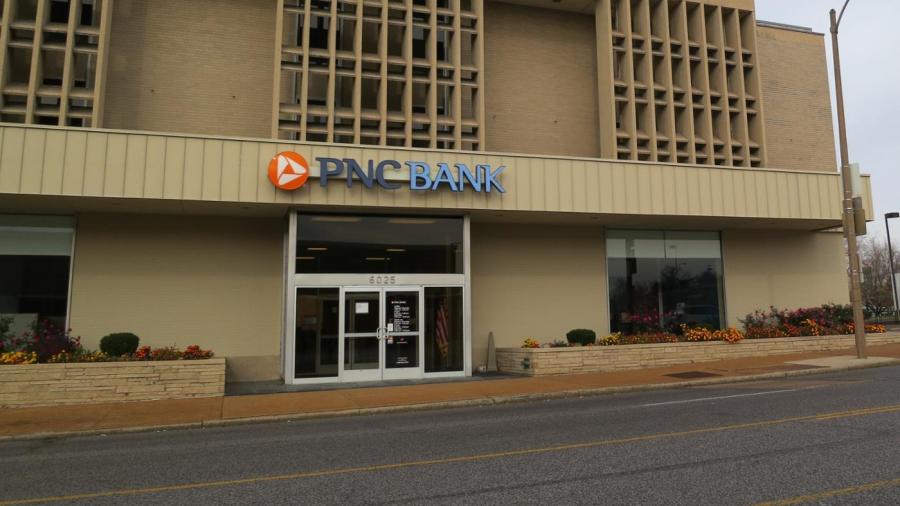
PNC’s journey from a historical acronym representing Pittsburgh National Corporation and Provident National Corporation to a powerful, resonant brand is a testament to effective corporate identity building. It illustrates how a name, initially devoid of immediate descriptive meaning, can be imbued with a rich tapestry of values, services, and experiences. Today, “PNC” stands as a symbol of trust, stability, and innovative financial solutions, underpinned by a deep commitment to its customers and the communities it serves. The green triangle logo and the concise three-letter name have become synonymous with a broad spectrum of financial offerings, from retail banking to sophisticated corporate services.
What PNC Stands For Today
In the contemporary financial landscape, PNC Bank stands for:
- Reliability: A robust financial partner with a strong historical foundation and a proven track record.
- Innovation: A forward-thinking institution that embraces digital transformation to deliver convenient and cutting-edge banking solutions.
- Customer-Centricity: A bank dedicated to understanding and meeting the diverse financial needs of individuals, families, and businesses through personalized advice and accessible tools.
- Community Engagement: A responsible corporate citizen actively investing in the well-being and development of the regions it serves.
- Growth and Opportunity: A partner that helps its clients achieve their financial aspirations, whether personal or business-related.
Ultimately, “PNC” stands for a meticulously constructed brand identity that has successfully navigated decades of change, consolidating its position as a significant and respected player in the American financial services industry. It is a brand that has transformed its initialism into an emblem of its enduring promise and strategic vision.
aViewFromTheCave is a participant in the Amazon Services LLC Associates Program, an affiliate advertising program designed to provide a means for sites to earn advertising fees by advertising and linking to Amazon.com. Amazon, the Amazon logo, AmazonSupply, and the AmazonSupply logo are trademarks of Amazon.com, Inc. or its affiliates. As an Amazon Associate we earn affiliate commissions from qualifying purchases.