
In the intricate world of modern technological infrastructure, where data flows at the speed of light and network reliability is paramount, the choice of cabling often goes overlooked by the casual observer. Yet, for IT professionals, network architects, and facility managers, understanding the nuances of cable types is not merely a technicality but a critical component of digital security, operational continuity, and, most importantly, human safety. Among the myriad of cable classifications, “plenum cable” stands out as a fundamental requirement in specific environments, dictated by stringent building codes and fire safety regulations. It’s not just a cable; it’s a safeguard built into the very fabric of our connected spaces.

The Critical Role of Cable Types in Modern Infrastructure
The physical infrastructure that underpins our digital lives – from corporate data centers to smart buildings and even residential networks – relies heavily on robust and reliable cabling. However, not all cables are created equal, especially when considering the environments through which they must pass. The primary distinction often revolves around a cable’s reaction to fire, a factor that becomes profoundly important in spaces designed to circulate air or house critical systems.
Understanding Fire Safety Classifications for Cabling
Building codes and safety standards worldwide categorize cables based on their fire-resistant properties. These classifications are crucial for minimizing the spread of fire and reducing the emission of toxic smoke in an emergency. Standard PVC (polyvinyl chloride) jacketed cables, common in non-plenum areas, can contribute significantly to fire spread and generate dense, hazardous smoke when ignited. In contrast, cables designed for fire-sensitive areas employ specialized materials to mitigate these risks, playing a direct role in protecting lives and preserving expensive hardware and data. The proper selection of cabling is not just about signal integrity; it’s about disaster preparedness and resilience, an often-underestimated aspect of digital security.
The “Plenum” Environment Defined
A plenum is a designated space within a building used for air circulation, typically for heating, ventilation, and air conditioning (HVAC) systems. These spaces often include the area above a suspended ceiling or below a raised floor, as well as air ducts themselves. Because these areas are integral to a building’s air distribution system, any fire that ignites in a plenum can quickly spread smoke and toxic fumes throughout the entire structure. This makes plenum spaces exceptionally vulnerable to the dangers posed by burning conventional cables, which can release corrosive gases and large quantities of opaque smoke, hindering evacuation efforts and damaging sensitive electronic equipment. Consequently, regulations mandate specific fire-resistant cables, known as plenum cables, for these critical air pathways to prevent such catastrophic scenarios.
Distinguishing Features and Material Science of Plenum Cable
Plenum cables are engineered with a distinct purpose: to significantly reduce the risk posed by burning cables in air-handling spaces. Their unique construction and material composition are what set them apart from standard riser or general-purpose cables, making them a cornerstone of modern, safe technological deployments.
Low-Smoke, Low-Flame Characteristics
The most critical characteristic of plenum cable is its superior fire resistance. Unlike standard PVC cables, which can rapidly propagate flames and produce copious amounts of black, sooty smoke when burned, plenum cables are designed to be low-smoke and low-flame. This means they are inherently more difficult to ignite, burn more slowly if they do catch fire, and, crucially, emit significantly less smoke and toxic fumes. This attribute is vital for two primary reasons: first, it slows the spread of fire, buying precious time for occupants to evacuate and for emergency services to respond. Second, the reduced smoke density allows for better visibility during an emergency, facilitating safer evacuation and aiding firefighters. The decreased toxicity of the smoke also minimizes harm to individuals and lessens the corrosive damage to expensive network equipment.
Fluoropolymer Insulation and Jacket Materials
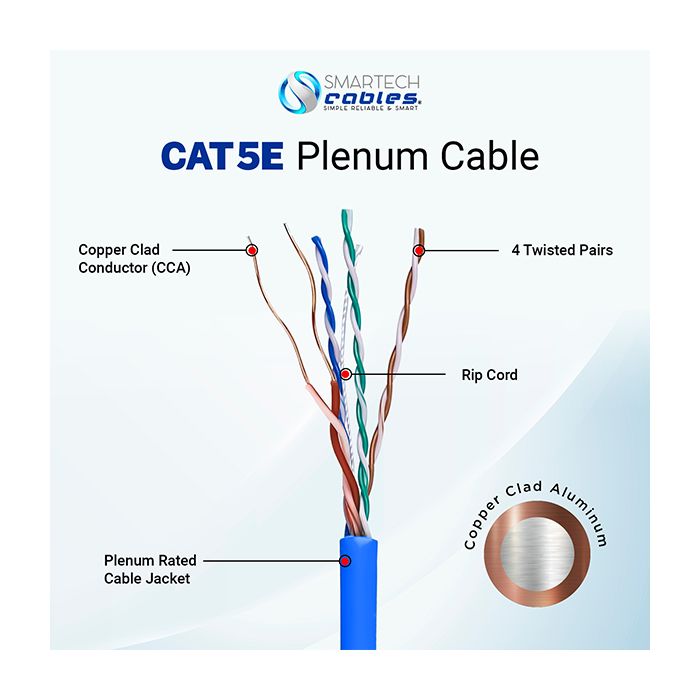
The secret to plenum cable’s fire-resistant properties lies primarily in its specialized insulation and outer jacket materials. While conventional cables often use PVC, plenum cables typically utilize fluoropolymers such such as FEP (fluorinated ethylene propylene) or PVDF (polyvinylidene fluoride). These materials are chosen for their intrinsic non-flammable properties and their ability to produce minimal smoke and low levels of toxic halogen gases when exposed to high heat. FEP, for instance, has a very high melting point and a low flammability rating. When subjected to fire, these fluoropolymers tend to self-extinguish or char rather than continuing to burn and drip molten plastic, which can spread fire. This material science innovation is fundamental to meeting the stringent safety standards required for plenum environments, ensuring that the cable itself does not become a conduit for disaster.
Common Types of Plenum Cables (Ethernet, Coaxial, Fiber Optic)
The demand for plenum-rated cables extends across various communication technologies. Ethernet cables (Cat5e, Cat6, Cat6a, Cat7, Cat8), which form the backbone of most wired networks, are widely available in plenum versions. These are essential for connecting devices, servers, and network equipment in data centers, offices, and other commercial buildings with plenum spaces. Similarly, coaxial cables, used for video surveillance, broadcast, and some internet services, also come in plenum-rated variants. Fiber optic cables, increasingly prevalent for their high bandwidth and long-distance capabilities, are also manufactured with plenum jackets. Regardless of the internal conductor – copper or fiber – the crucial factor for plenum use is the fire-retardant outer jacket and insulation that meets the necessary safety specifications. This ensures that every component of the network infrastructure adheres to the highest safety standards in critical environments.
Why Plenum Cable is a Non-Negotiable Requirement
The mandate for using plenum-rated cables in specific building environments isn’t arbitrary; it stems from a deep understanding of fire dynamics and the devastating consequences of inadequate fire safety measures. For anyone involved in deploying or managing IT infrastructure, recognizing plenum cable as a non-negotiable requirement is paramount for ethical, legal, and practical reasons.
Adherence to Building Codes and Safety Regulations (NFPA 90A, NEC)
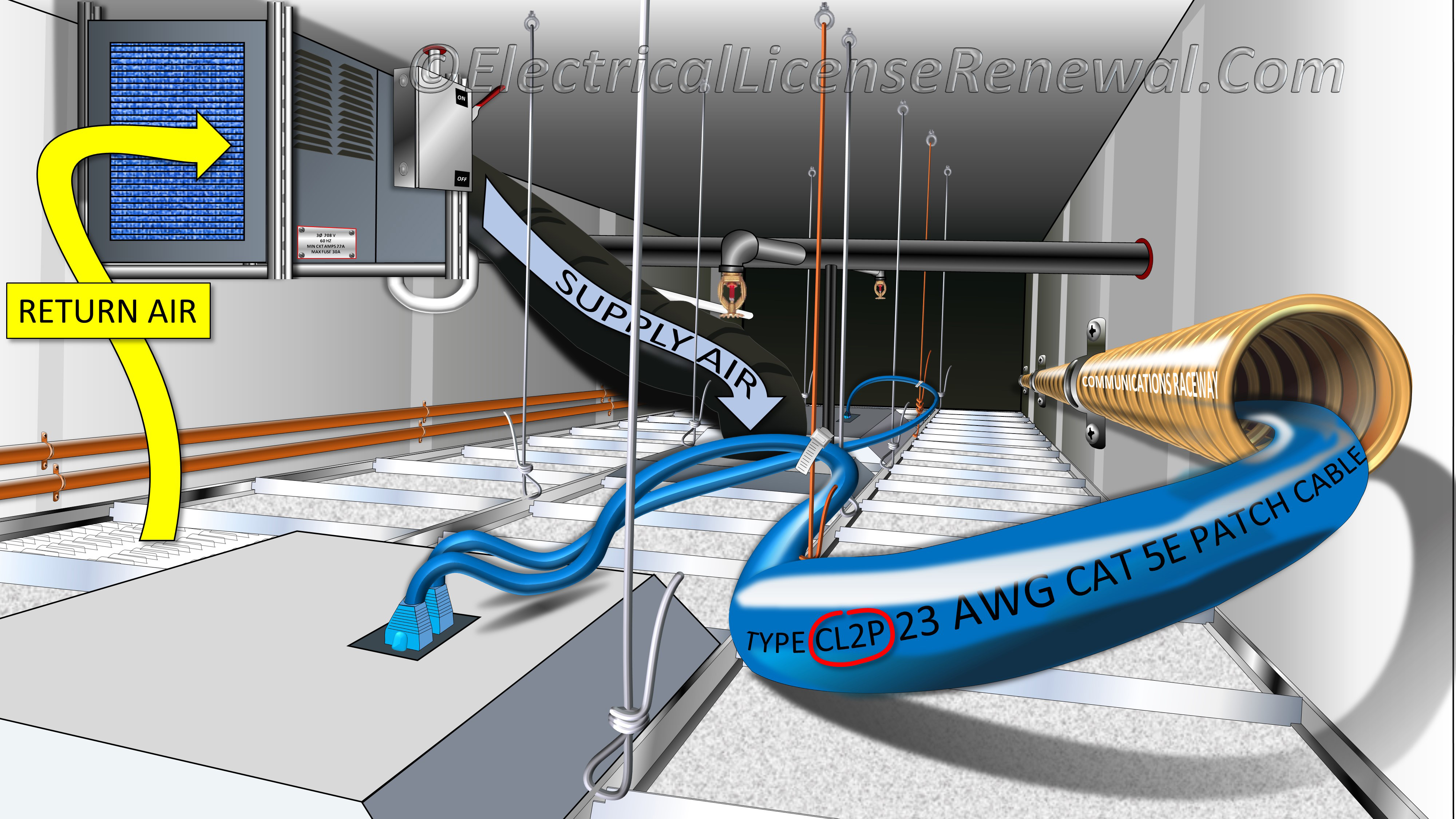
The use of plenum cable is primarily driven by strict building codes and safety regulations designed to protect occupants and property. In the United States, the National Fire Protection Association (NFPA) plays a critical role, particularly through NFPA 90A, which addresses the installation of air conditioning and ventilating systems. Complementing this, the National Electrical Code (NEC), specifically Article 800 for communications circuits and Article 770 for optical fiber cables, specifies cable types based on their fire resistance for various building applications. These codes classify cables into categories like CMP (Communication Multipurpose Plenum), CMR (Communication Multipurpose Riser), and CM (Communication Multipurpose). The CMP rating is the highest and the only one permitted in plenum spaces, strictly requiring that the cable materials produce minimal smoke and are difficult to ignite. Non-compliance with these codes can lead to significant legal liabilities, failed inspections, and, most critically, catastrophic safety risks.
Protecting Lives and Property
The most fundamental reason for plenum cable’s mandatory use is the protection of human life and property. In the event of a fire, the reduced smoke emission from plenum cables allows building occupants more time to evacuate safely, preventing smoke inhalation, which is often a greater cause of fatalities than burns themselves. The slower flame propagation also limits the spread of fire through the building, containing the damage and providing firefighters with a better chance to extinguish the blaze. Beyond human safety, plenum cables protect valuable technological assets. Data centers, server rooms, and critical network infrastructure often reside in environments with plenum spaces. The corrosive gases emitted by burning PVC cables can severely damage sensitive electronics, leading to extensive equipment loss and data corruption. By using plenum cables, organizations mitigate these risks, safeguarding their digital assets and operational continuity.
Minimizing Downtime and Data Loss Risks
Beyond the immediate dangers of fire, the implications for business continuity and digital security are profound. A fire incident in a plenum space, even a localized one, can lead to extensive network downtime, regardless of the direct damage to equipment. Smoke and corrosive residues can necessitate extensive cleanup, equipment replacement, and system re-certification, costing businesses millions in lost revenue, productivity, and reputational damage. From a digital security standpoint, prolonged downtime means systems are offline, data is inaccessible, and potential vulnerabilities might arise during recovery. By investing in plenum-rated cabling, organizations are making a proactive move to enhance their physical security posture, thereby bolstering their overall digital resilience and ensuring that critical systems remain operational for as long as possible during an emergency, and are recoverable more quickly afterward.
Practical Applications and Installation Considerations
The widespread application of plenum cable underscores its importance across various sectors, particularly where large-scale networks and stringent safety protocols are in place. Proper installation is as critical as selecting the correct cable type.
Commercial Buildings and Data Centers
Commercial office buildings, with their extensive HVAC systems and dense networks, are prime environments for plenum cable requirements. The spaces above suspended ceilings and below raised floors in these buildings often serve as air returns, making them plenum spaces. Similarly, data centers, which are the nerve centers of the digital world, heavily rely on plenum cables. With countless servers, switches, and miles of cabling, data centers are high-risk environments for fire, and any incident could have global repercussions. The use of plenum-rated fiber optic and copper cables in these facilities is a foundational element of their fire safety strategy, contributing to the overall reliability and security of critical digital infrastructure.
Educational Institutions and Healthcare Facilities
Educational institutions, from universities to K-12 schools, also utilize plenum cables extensively. Classrooms, lecture halls, and administrative offices all have networking requirements, and their building designs often incorporate plenum spaces for air handling. In healthcare facilities like hospitals and clinics, the stakes are even higher. Patient safety and the uninterrupted operation of critical medical equipment depend on robust and safe infrastructure. Plenum cabling helps ensure that these facilities can maintain essential services and safely evacuate patients in an emergency, highlighting its role not just in technology, but in public health and safety.
Installation Best Practices and Avoiding Misuse
While selecting plenum cable is essential, correct installation is equally vital. Installers must adhere to local building codes and industry standards, ensuring that cables are properly routed, supported, and terminated. It is crucial to avoid mixing plenum-rated cables with non-plenum-rated cables in plenum spaces, as even a small amount of non-compliant cable can compromise the entire system’s fire safety. Additionally, never remove the outer plenum jacket or insulation, as this destroys the fire-resistant properties. Over-tightening cable ties or bending cables beyond their specified radius can also damage internal conductors and outer jackets, potentially compromising both signal integrity and fire safety features. Regular inspections and adherence to manufacturer guidelines are paramount for maintaining the integrity of plenum cable installations.
The Economic and Operational Impact of Choosing Correct Cabling
The decision to use plenum cable might seem like an added expense, but when viewed through the lens of long-term operational costs, legal compliance, and the inherent risks of fire, it represents a shrewd investment that protects both financial assets and human lives.
Cost of Compliance vs. Cost of Non-Compliance
Initially, plenum cable often carries a higher upfront cost compared to its non-plenum counterparts due to the specialized fluoropolymer materials and manufacturing processes involved. However, this premium pales in comparison to the potential costs of non-compliance. Fines for violating building and fire codes can be substantial, and the need to replace non-compliant cabling identified during inspections can lead to significant retrofitting expenses, labor costs, and operational disruptions. Far more devastating is the financial fallout from a fire incident, which can include extensive property damage, equipment replacement, business interruption losses, legal fees from liability claims, and potentially crippling blows to a company’s reputation. Investing in plenum cable from the outset is a preventative measure that dramatically reduces these severe financial risks, ensuring compliance and peace of mind.
Longevity and Performance in Critical Environments
Beyond fire safety, the robust materials used in plenum cables often contribute to their overall durability and longevity. Fluoropolymers are known for their resistance to environmental stressors such as temperature fluctuations, chemical exposure, and abrasion, which can be beneficial in maintaining cable performance over extended periods. In critical environments like data centers, where consistent network performance and minimal downtime are non-negotiable, the reliability afforded by high-quality plenum cables supports continuous operation. This contributes to the overall stability of the IT infrastructure, reducing the frequency of cable failures and the associated maintenance costs. Ultimately, choosing plenum cable isn’t just about meeting a safety requirement; it’s about building a resilient, high-performing, and secure network infrastructure that stands the test of time and disaster.
aViewFromTheCave is a participant in the Amazon Services LLC Associates Program, an affiliate advertising program designed to provide a means for sites to earn advertising fees by advertising and linking to Amazon.com. Amazon, the Amazon logo, AmazonSupply, and the AmazonSupply logo are trademarks of Amazon.com, Inc. or its affiliates. As an Amazon Associate we earn affiliate commissions from qualifying purchases.