
Black ants are among the most persistent visitors to our kitchens, patios, and outdoor spaces. While they are often dismissed as mere pests, understanding their dietary habits is essential for homeowners, pest control professionals, and anyone interested in local ecosystem management. From a biological standpoint, black ants—often belonging to the genus Lasius or Monomorium—are opportunistic foragers. Their survival strategy is built on flexibility, allowing them to exploit a wide array of food sources depending on environmental availability.
The Omnivorous Nature of Black Ants
At their core, black ants are opportunistic omnivores. This means they are biologically equipped to process both plant-derived sugars and animal-derived proteins. This duality is not accidental; it is a calculated evolutionary advantage that ensures the survival of the colony throughout changing seasons.
The Craving for Carbohydrates and Sugars
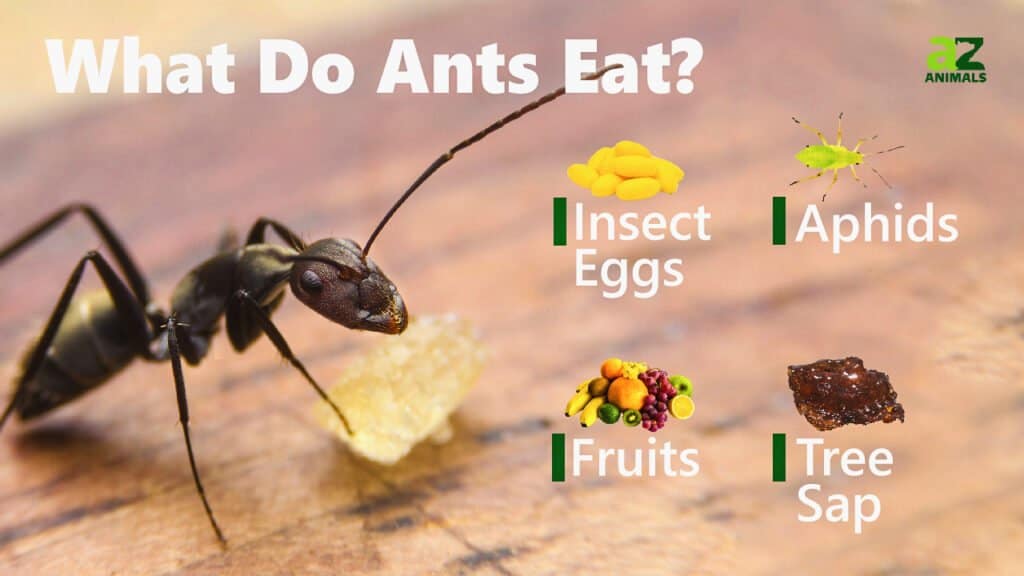
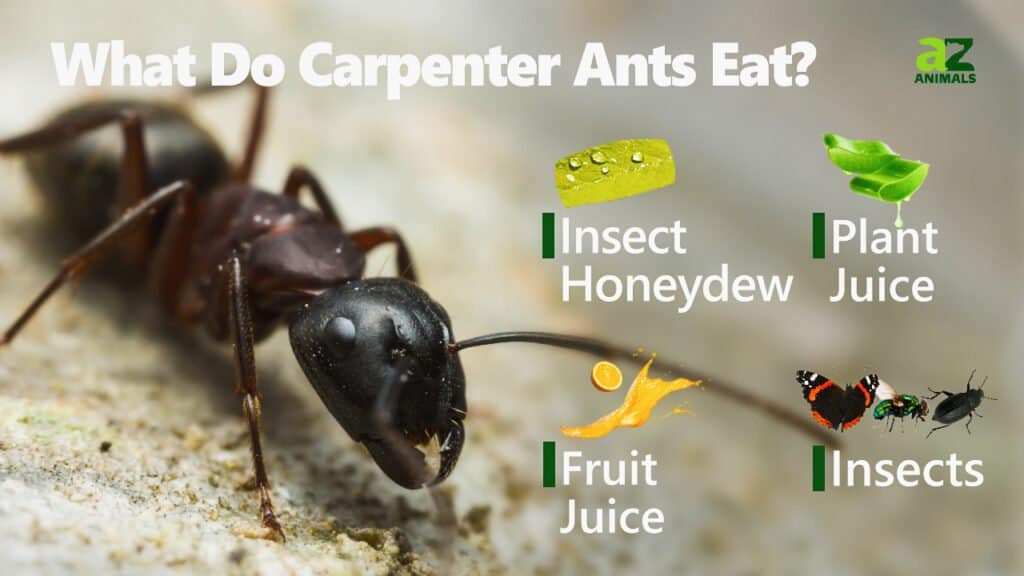
In the world of black ants, carbohydrates act as the primary fuel source. Worker ants require high-energy fuel to sustain the massive amounts of physical labor required to expand tunnels, tend to the brood, and forage for food. In nature, this sugar often comes from floral nectar, fruit juices, and a substance known as honeydew.
Honeydew is perhaps the most fascinating aspect of the ant diet. It is a sugary liquid excreted by aphids and other scale insects that feed on plant sap. Ants have developed a symbiotic relationship with these insects. They will “herd” aphids, protecting them from predators in exchange for the honeydew they produce. If you notice ants marching up and down the trunk of a tree or a rose bush, they are almost certainly farming aphids for this sugary secretion.
Protein Requirements for Colony Growth
While sugars provide the energy for the workers to move, proteins are the building blocks required for the colony’s growth. Protein is essential for the queen’s egg-laying process and the development of the larvae. Without a steady supply of protein, the colony cannot produce new workers, and the population will eventually stagnate.
In the wild, this protein comes from dead insects, small fallen vertebrates, or eggs of other arthropods. Within a human environment, however, black ants are not picky. They will readily scavenge for crumbs of meat, grease, pet food, or even dead insects trapped in window sills. This high-protein intake is crucial during the late spring and summer months when the colony is rapidly expanding its brood.
Foraging Strategies and Sensory Perception
Black ants do not stumble upon food by accident. Their success is a result of a highly sophisticated, decentralized communication system that relies on chemical signals and sensory precision.
The Role of Pheromone Trails
When a scout ant discovers a food source—be it a drop of syrup or a piece of discarded meat—it returns to the nest while leaving a trail of pheromones on the ground. This chemical marker acts as a roadmap for the rest of the workers. Other ants detect these pheromones with their antennae and follow the path to the food source. The more ants that follow the trail, the more the pheromone signal is reinforced, effectively creating a “superhighway” between the nest and the food.
This is why, once a single ant finds a crumb on your kitchen counter, it often feels as though an entire army has arrived within minutes. The colony is essentially outsourcing its navigation to a system that prioritizes speed and efficiency.
Sensory Adaptations for Resource Detection
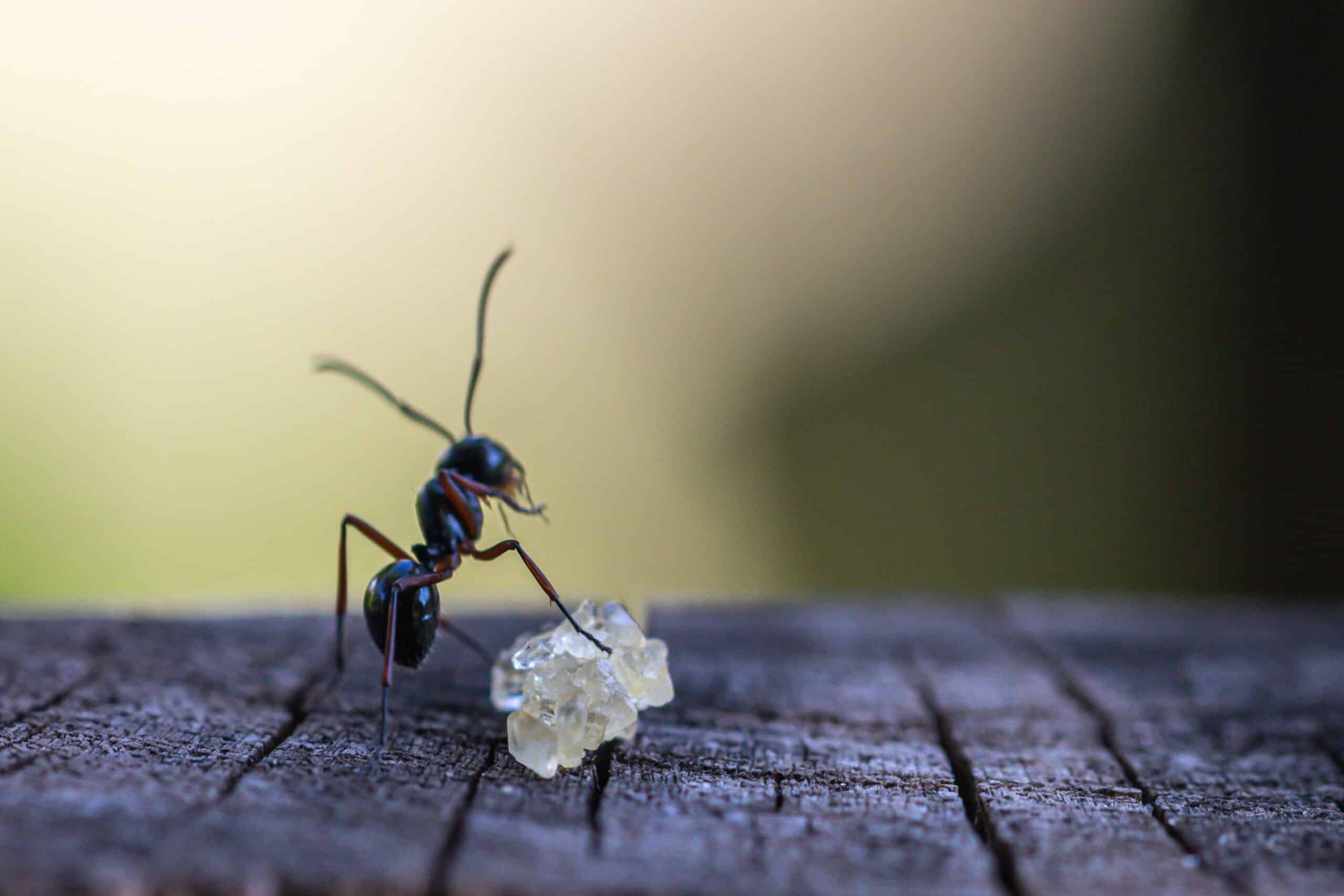
Black ants possess highly sensitive antennae that are capable of detecting minute concentrations of chemical compounds in the air. This allows them to “smell” potential food sources from significant distances. Furthermore, their sight is tuned to detect motion and changes in light intensity, which helps them navigate back to the nest even in low-light conditions.
Their ability to identify food is also bolstered by their mouthparts, known as mandibles. These are not just for carrying food; they are sensory tools that help the ant determine the nutritional density of a substance. If an ant finds a source of food that is highly nutritious, it will secrete a stronger pheromone trail to encourage more foragers to join the effort.
Household Impact and Resource Competition
When black ants enter human dwellings, the “natural” diet of honeydew and small insects is often replaced by human-processed foods. This transition can lead to significant hygiene concerns and the structural presence of large colonies within wall voids or crawl spaces.
The Lure of Processed Foods
Human homes are essentially buffets for ants. Carbohydrates are abundant in the form of sugar, honey, syrup, bread crumbs, and fruit remnants. Proteins are equally accessible through pet food bowls, greasy stove residues, and uncovered leftovers.
The primary problem with household access is that human food is often much more nutrient-dense than what an ant would find in the forest. This abundance can lead to larger colonies than would naturally exist in the wild, which in turn leads to increased competition between colonies and more frequent incursions into living areas.
Identifying Potential Attractants
To manage or mitigate the presence of black ants, it is important to understand what specifically is drawing them in:
- Sticky Residues: Spilled soda, fruit juice, or even a drop of honey on a countertop is a major “super-attractant.”
- Pet Food: Dry kibble contains both the fats and proteins that black ants crave. If left out overnight, it becomes a beacon for foraging workers.
- Grease and Oils: Even thin layers of cooking oil left on a stovetop can provide the lipids necessary for the ants to supplement their diet.
- Water Sources: While food is the primary goal, moisture is a secondary requirement. Leaking pipes or standing water in a sink can attract ants just as effectively as a piece of fruit.
Balancing Ecological Presence with Human Comfort
While black ants are a nuisance in the kitchen, they serve a vital purpose in the wider ecosystem. They act as “gardeners” of the soil, aerating it as they dig tunnels, and they serve as an essential food source for birds, spiders, and larger insects.
The Concept of Natural Pest Control
Because black ants feed on other insects—including small larvae and various garden pests—they can actually provide a level of biological pest control for your garden. If you can keep them out of your house, there is a strong argument for allowing them to remain in the periphery of your yard. They help clean up organic debris and accelerate the decomposition process, recycling nutrients back into the soil.
Strategic Mitigation
If you choose to manage the population rather than eliminate it, focus on disruption rather than destruction. By limiting access to food, you force the scout ants to report back that the area is not worth the energy investment.
- Seal entry points: Use caulk to fill cracks in foundations and around window frames.
- Remove the source: Store sugar, cereal, and pet food in airtight containers.
- Sanitize surfaces: Regularly wipe down kitchen counters with vinegar-based solutions, which disrupt the pheromone trails left by scouts, effectively “erasing” their map to your pantry.
Ultimately, the black ant is an evolutionary masterpiece of efficiency. Its dietary habits—characterized by an ability to switch between high-energy sugars and muscle-building proteins—are the reason it has successfully colonized almost every corner of the planet. By recognizing how they find, identify, and consume food, we can better coexist with these industrious insects while keeping our homes free of their persistent, organized foraging. Understanding that they are merely looking for the most efficient way to fuel their colony changes the perspective from a “pest invasion” to a study in biological resource management.
aViewFromTheCave is a participant in the Amazon Services LLC Associates Program, an affiliate advertising program designed to provide a means for sites to earn advertising fees by advertising and linking to Amazon.com. Amazon, the Amazon logo, AmazonSupply, and the AmazonSupply logo are trademarks of Amazon.com, Inc. or its affiliates. As an Amazon Associate we earn affiliate commissions from qualifying purchases.