
In a world increasingly dominated by screens and sedentary lifestyles, the pursuit of physical well-being has become paramount. While the digital realm offers unparalleled connectivity and convenience, it also presents unique challenges to our physical health. This is where the humble yet powerful planking exercise emerges, offering a potent antidote to prolonged sitting and a gateway to improved posture, reduced back pain, and enhanced overall core strength. But what exactly is planking, and how can this seemingly simple movement translate into tangible benefits, even in our tech-driven lives?
This article will delve into the essence of the planking exercise, exploring its mechanics, its myriad benefits, and how its principles can even be applied metaphorically to foster better practices within the technological, branding, and financial spheres that define our modern existence.

The Fundamental Mechanics of the Plank
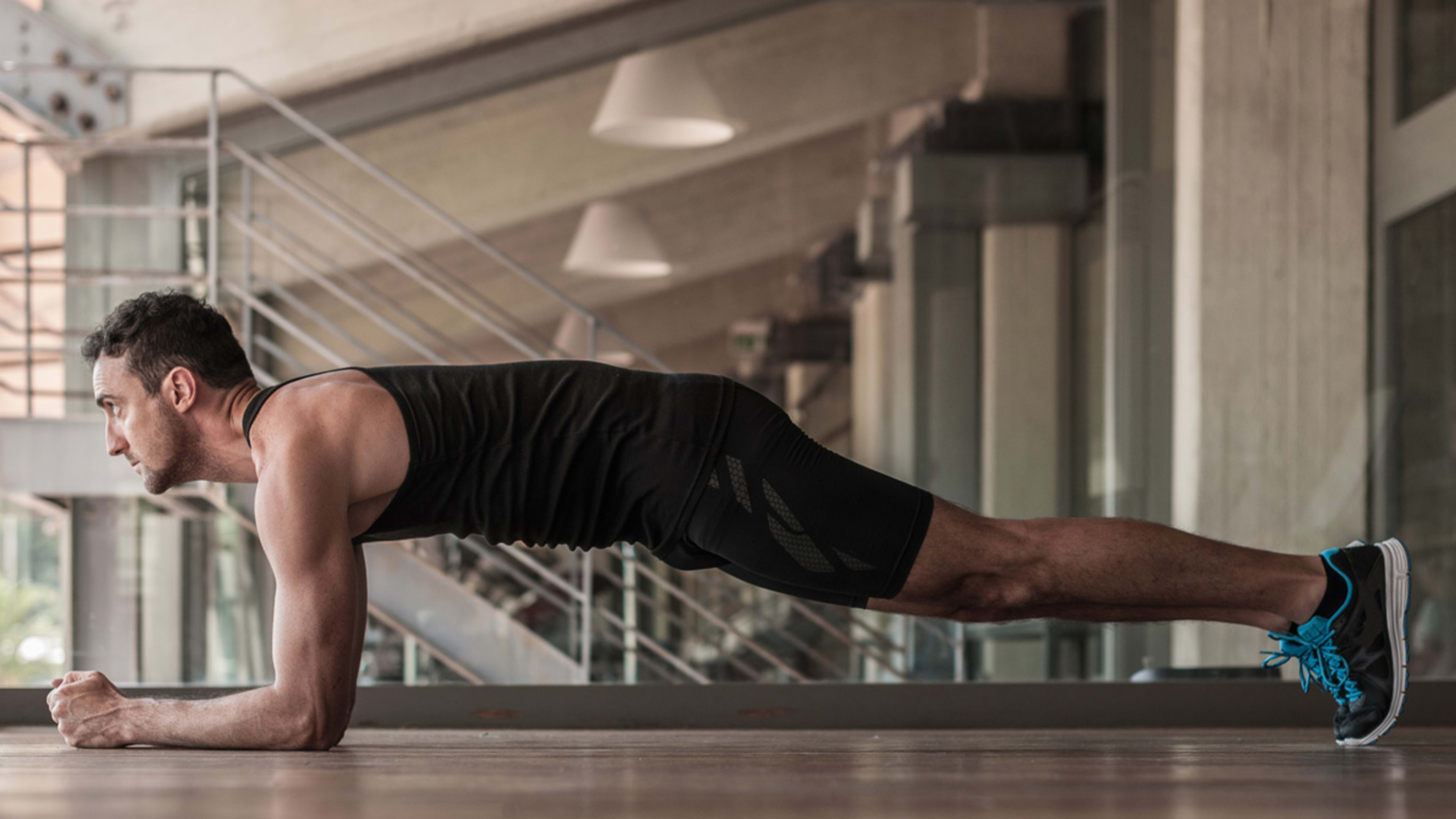
At its core, the plank is an isometric exercise, meaning it involves holding a static position rather than performing repetitive movements. It primarily targets the abdominal muscles, obliques, and lower back, but also engages a surprising array of other muscle groups, including the shoulders, chest, quadriceps, and glutes. The fundamental idea is to mimic the position of a push-up, but with the forearms resting on the ground instead of the hands.
Performing the Basic Forearm Plank
To execute a standard forearm plank, follow these steps:
- Starting Position: Begin by lying face down on the floor.
- Forearm Placement: Place your forearms on the ground, with your elbows directly beneath your shoulders. Your forearms should be parallel to each other, or you can clasp your hands together for added stability.
- Body Alignment: Engage your core muscles, drawing your navel towards your spine. This is crucial for protecting your lower back.
- Lifting the Body: Lift your hips and legs off the floor, so your body forms a straight line from your head to your heels. Avoid letting your hips sag towards the ground or rise too high towards the ceiling.
- Foot Placement: Your feet should be hip-width apart. You can rest on the balls of your feet or, for a more advanced variation, keep your feet closer together.
- Holding the Position: Maintain this straight line throughout your body, keeping your core engaged. Breathe deeply and steadily.
- Duration: Aim to hold the plank for a specific duration, starting with shorter holds (e.g., 20-30 seconds) and gradually increasing as your strength improves.
Variations to Challenge and Enhance
While the forearm plank is the most common, a variety of other plank positions exist, each offering unique challenges and targeting slightly different muscle groups. These variations are essential for continued progression and preventing plateaus.
The High Plank (Standard Push-up Position)
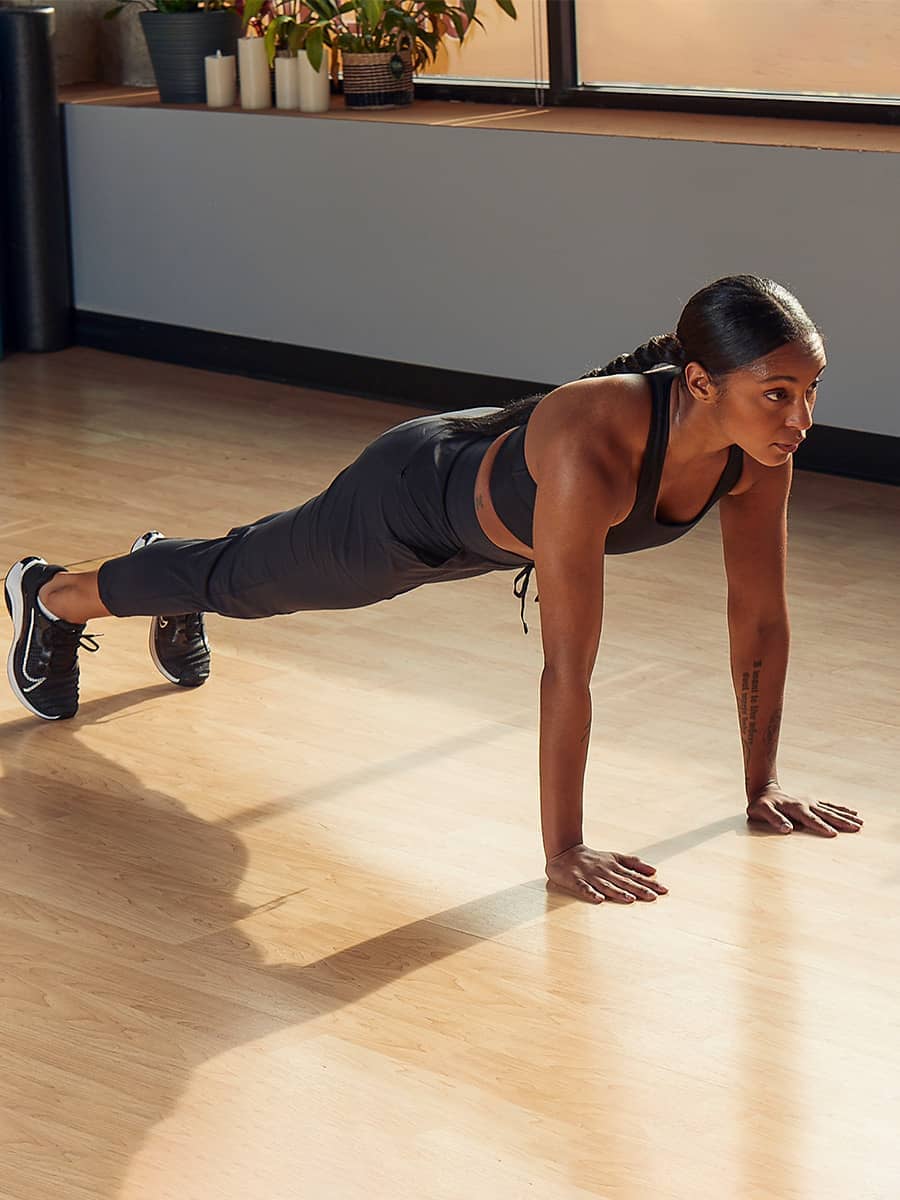
This variation is performed on your hands instead of your forearms. Your hands should be directly beneath your shoulders, with your fingers spread wide. The rest of the body alignment remains the same, forming a straight line from head to heels. The high plank further engages the shoulders, triceps, and chest muscles.
The Side Plank
The side plank is performed on one forearm and the side of one foot. Your body should form a straight line, perpendicular to the floor. This variation is particularly effective for strengthening the obliques, the muscles on the sides of your torso, which are vital for rotational movements and spinal stability.
Other Notable Variations
- Plank Jacks: A dynamic plank that involves jumping the feet out and in, similar to a jumping jack, to increase cardiovascular engagement.
- Plank with Leg Lift: While in a standard plank, lift one leg a few inches off the ground, holding for a few seconds before returning it and switching legs. This adds a challenge to balance and further engages the glutes.
- Plank with Arm Reach: From a high plank, extend one arm straight forward, maintaining a stable core and body position. This tests balance and shoulder stability.
The Multifaceted Benefits of Planking
The appeal of planking lies not only in its simplicity but also in its extensive list of physical advantages. From foundational strength to injury prevention, the plank is a cornerstone of any effective fitness routine.
Strengthening the Core: The Foundation of Movement
The term “core” often conjures images of a sculpted six-pack, but it encompasses a much broader and more critical network of muscles. These include the deep abdominal muscles (transverse abdominis), obliques, rectus abdominis, erector spinae (lower back muscles), pelvic floor muscles, and even the diaphragm. A strong core acts as a central stabilizer for the entire body, influencing everything from walking and running to lifting and even breathing.
Planking excels at engaging these deep stabilizing muscles, which are often neglected by traditional crunches. By holding the plank position, you are forcing these muscles to work isometrically to maintain proper posture and prevent your body from collapsing. This strengthens the core from the inside out, leading to improved stability and a more powerful foundation for all your movements.
Improving Posture and Reducing Back Pain
In our screen-dominated world, prolonged sitting can lead to rounded shoulders, a hunched back, and weakened core muscles. This poor posture can result in discomfort, stiffness, and chronic back pain. Planking directly counteracts these negative effects.
By strengthening the core and improving the alignment of the spine, planking helps to pull the shoulders back and maintain an upright posture. A strong core supports the spine, reducing the strain on the lower back muscles. Regular planking can alleviate existing back pain and prevent future occurrences, making it an invaluable tool for anyone who spends significant time at a desk or engaged in sedentary activities.
Enhancing Balance and Stability
A stable core is fundamental for good balance. When your core muscles are strong and engaged, they provide a steady platform for your limbs to move from. This translates to improved agility and a reduced risk of falls, especially as we age. The plank, by its very nature, demands a high level of core engagement to maintain equilibrium, thereby directly enhancing your overall balance and proprioception (your body’s awareness of its position in space).
Boosting Metabolism and Burning Calories
While planking is an isometric exercise, it’s far from a passive calorie burner. Holding a plank engages a significant number of muscle groups simultaneously, requiring a considerable amount of energy. This continuous muscle activation contributes to an elevated metabolic rate, even after your workout is complete. While it might not burn as many calories as high-intensity interval training (HIIT) in the short term, the muscle-building aspect of regular planking can lead to a more efficient metabolism in the long run.
A Gateway to Functional Strength
The benefits of planking extend beyond the gym or your living room. The functional strength developed through this exercise translates directly into everyday life. Carrying groceries, lifting children, or even standing for extended periods become easier and less strenuous when your core is robust. It’s a foundational strength that underpins our ability to perform a wide range of physical tasks with greater ease and reduced risk of injury.
Planking Principles in the Digital Age: Beyond the Mat
The principles embodied by the planking exercise – stability, engagement, alignment, and sustained effort – are remarkably transferable to the digital and professional landscapes that shape our lives.
Tech: Maintaining Digital Stability and Productivity
In the realm of technology, the “core” is your digital infrastructure, your foundational software, and your personal security. Just as a weak core leads to instability in the body, a poorly managed digital environment can lead to data breaches, software glitches, and decreased productivity.
- Core Software Updates: Regularly updating your operating systems, antivirus software, and essential applications is akin to performing your daily plank. It strengthens your digital defenses, patches vulnerabilities, and ensures smooth operation. Neglecting these updates leaves you exposed, just as a sagging plank leaves your lower back vulnerable.
- Digital Hygiene and Security: Practicing good digital hygiene – strong passwords, two-factor authentication, being wary of phishing attempts – is your “core engagement” in the digital space. It requires constant awareness and deliberate action to maintain security and prevent breaches.
- Productivity Tools as Core Strength: Utilizing productivity apps and tools effectively is like building a strong core for your workflow. They help you organize tasks, manage time, and maintain focus, preventing your digital efforts from becoming scattered and ineffective. Consistent use and proper configuration of these tools are key to sustained digital productivity.
Brand: Building a Resilient Corporate and Personal Identity
Brand strategy and personal branding are about building a strong, consistent, and recognizable identity that can withstand market fluctuations and public scrutiny. This requires a solid “core” of values, mission, and messaging.
- Consistent Brand Messaging: A strong brand has a clear and consistent message across all platforms, much like a well-executed plank maintains a straight line. Inconsistent messaging creates confusion and weakens brand recognition, analogous to a plank that wavers or sags.
- Corporate Identity as Core Stability: A well-defined corporate identity, encompassing visual elements, tone of voice, and company culture, provides the stability for a brand. It ensures that all interactions with the brand reinforce its core principles, preventing the brand from becoming diluted or misrepresented.
- Reputation Management as Core Strength: Protecting and enhancing a brand’s reputation is akin to building core strength to resist external pressures. Proactive communication, transparent practices, and effective crisis management are essential for maintaining a strong and positive public perception, preventing reputational damage that can destabilize the entire brand.
Money: Financial Resilience and Strategic Growth
In the financial world, the “core” is your financial foundation – your savings, your investments, and your debt management strategies. A strong financial core provides stability and enables growth.
- Personal Finance as Core Stability: A robust personal finance strategy, including a budget, emergency fund, and responsible debt management, forms the “core” of your financial well-being. It provides a buffer against unexpected expenses and allows for strategic planning, much like a strong core supports your body.
- Investing as Sustained Effort: Investing, whether in stocks, bonds, or real estate, requires sustained effort and a long-term perspective. Understanding market dynamics, diversifying portfolios, and regularly reviewing investments are all part of building financial resilience, analogous to the sustained effort required to hold a plank.
- Online Income and Side Hustles as Core Expansion: Developing online income streams and side hustles can be seen as expanding your core financial strength. It diversifies your income sources and builds additional avenues for financial security, much like incorporating variations in your planking routine strengthens different muscle groups.
Conclusion: Embracing the Plank, Both Physical and Metaphorical
The planking exercise, in its elegantly simple form, offers a profound pathway to enhanced physical health. It’s a testament to the power of isometric strength, foundational stability, and sustained effort. By strengthening our core, we not only improve our posture and reduce pain but also build a more resilient and capable body.
Furthermore, by abstracting the principles of planking – stability, engagement, alignment, and sustained effort – we can find valuable applications in the digital, branding, and financial arenas. In an increasingly complex world, mastering the art of the plank, in all its forms, is a powerful strategy for building a stronger, more stable, and more successful existence. So, whether you’re on the floor or navigating the digital landscape, embrace the plank. Your core will thank you.
aViewFromTheCave is a participant in the Amazon Services LLC Associates Program, an affiliate advertising program designed to provide a means for sites to earn advertising fees by advertising and linking to Amazon.com. Amazon, the Amazon logo, AmazonSupply, and the AmazonSupply logo are trademarks of Amazon.com, Inc. or its affiliates. As an Amazon Associate we earn affiliate commissions from qualifying purchases.