
In the realm of personal finance and discretionary spending, few purchases are as complex and multi-layered as a cruise ship ticket. For many, a cruise represents a significant financial investment in leisure, often requiring months, if not years, of budgeting and financial planning. However, the sticker price seen on a travel aggregator or a cruise line’s website is rarely the final figure that reflects the true impact on a traveler’s bank account. Understanding “how much is a cruise ship ticket” requires a deep dive into dynamic pricing models, hidden cost structures, and a value-based analysis of the modern maritime hospitality industry.
To the uninitiated, the price of a cruise can seem like a bargain, but to the financially savvy, it is a puzzle of base fares, taxes, and incidental expenditures. This article explores the financial landscape of cruising, providing a professional breakdown of how prices are determined and how a consumer can maximize their return on investment (ROI) for their vacation dollar.
Decoding the Baseline: Factors That Influence Ticket Pricing
At its core, cruise pricing is an exercise in yield management, similar to the airline and hotel industries but with higher stakes due to the massive overhead of operating a floating city. The base fare—the number most people focus on—is influenced by several macroeconomic and microeconomic variables.
The Impact of Seasonality and Dynamic Pricing
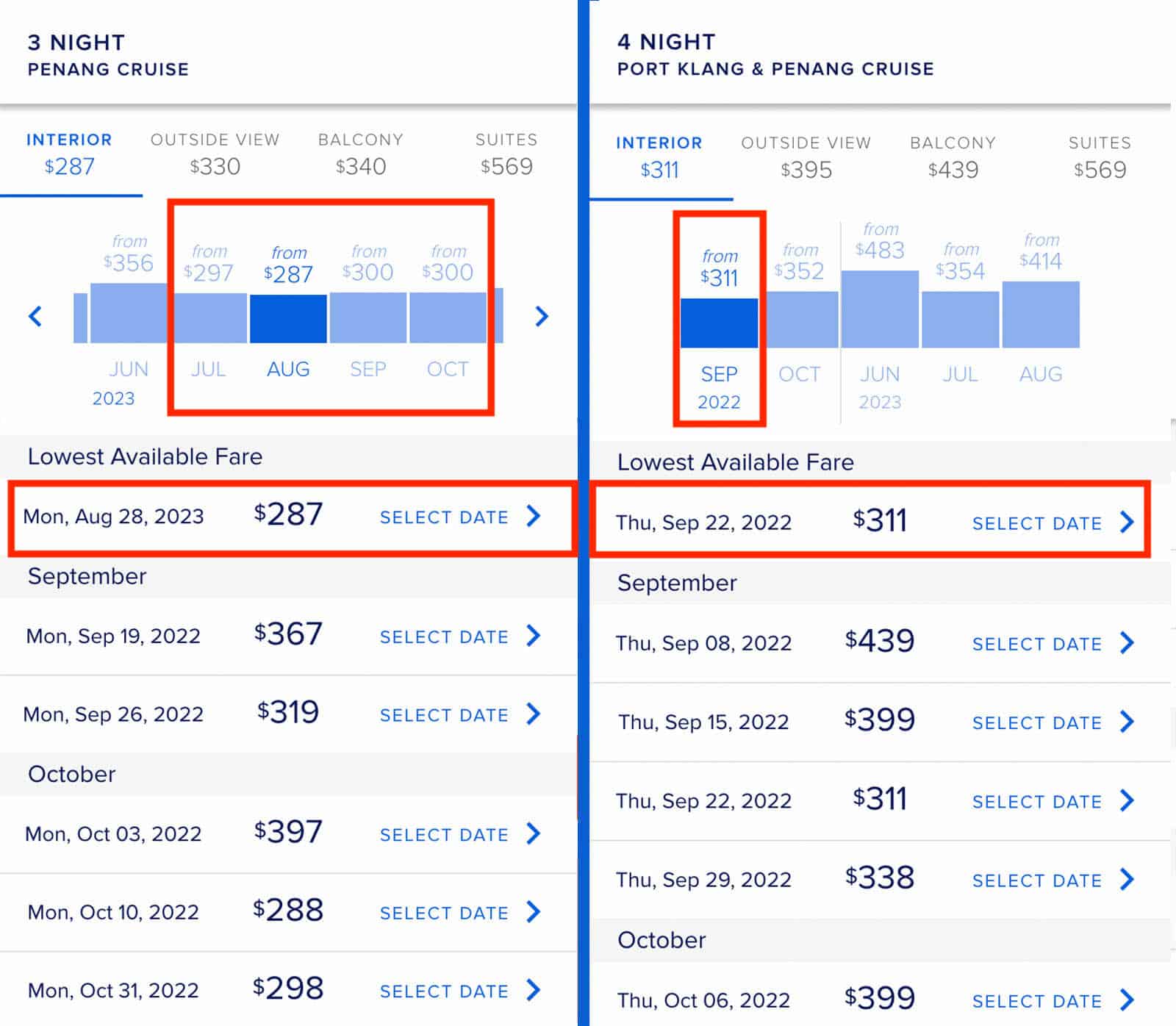
Cruise lines utilize sophisticated AI-driven dynamic pricing algorithms that adjust ticket costs in real-time based on supply and demand. From a financial perspective, “when” you book is just as important as “where” you go. During peak seasons, such as summer in the Mediterranean or winter holidays in the Caribbean, prices skyrocket because the demand inelasticity allows cruise lines to capture higher margins. Conversely, booking during “shoulder seasons” (the periods between peak and off-peak) can result in a 30% to 50% reduction in the ticket price. For the budget-conscious traveler, understanding these market cycles is the first step in effective financial planning for travel.
Cabin Categories and the Premium for Space
The ticket price is most heavily weighted by the physical real estate you occupy on the ship. The industry typically divides accommodations into four main tiers: Interior, Oceanview, Balcony, and Suites.
- Interior Rooms: These represent the entry-level price point, often utilized by the cruise line as a “loss leader” to get passengers on board, where they can be upsold on other services.
- Balcony Cabins: Currently the most popular category, these offer a balance between cost and experience, usually commanding a 40% premium over interior rooms.
- Suites and The “Ship-Within-a-Ship” Concept: At the high end of the market, suites can cost five to ten times the base fare. This segment is designed for high-net-worth individuals who prioritize privacy and exclusivity, offering a different financial tier of service including private lounges and butler service.
Hidden Costs and the “All-Inclusive” Illusion
One of the most significant pitfalls in personal finance related to travel is failing to account for “leakage”—money spent above the initial purchase price. While many cruise lines market themselves as “all-inclusive,” the reality is often closer to an “unbundled” pricing model.
Gratuities, Port Fees, and Mandatory Extras
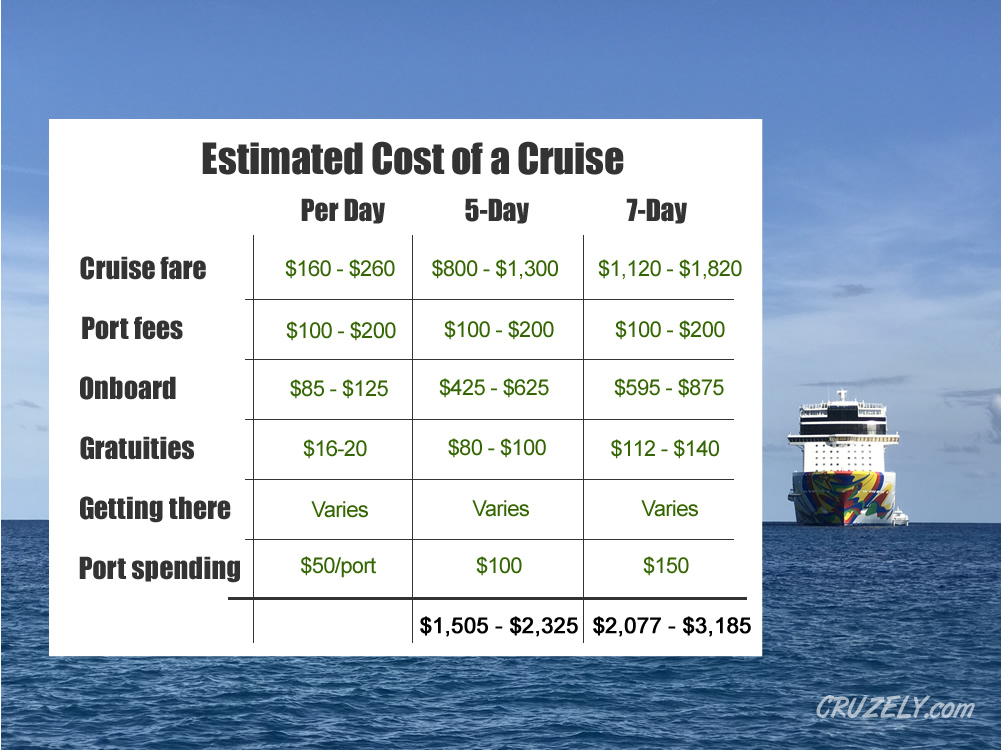
When asking how much a cruise ticket is, one must look past the “From $499” advertisements. Government taxes, fees, and port expenses are almost never included in the headline price and can add an additional $150 to $300 per person depending on the itinerary. Furthermore, most major lines automatically add a daily gratuity or service charge to the passenger’s account, ranging from $16 to $25 per day. Over a seven-day cruise for a family of four, these “hidden” costs can easily exceed $1,000, significantly altering the initial budget.
Onboard Spending: The Psychology of the Seapass Card
Cruise lines are masters of behavioral economics. By requiring passengers to use a “Seapass” or “Medallion” (a cashless onboard account linked to a credit card), they remove the immediate “pain of paying.” Financially, this often leads to higher discretionary spending on specialty dining, alcoholic beverages, spa treatments, and shore excursions.
- Beverage Packages: A common financial dilemma for cruisers is whether to purchase a pre-paid drink package. These often cost between $60 and $100 per day. For the package to provide a positive ROI, a passenger must consume a specific volume of beverages, which many find difficult to sustain over a week-long voyage.
- Connectivity Costs: In an era of remote work and digital nomadism, Wi-Fi is no longer a luxury but a necessity for many. Cruise lines charge a premium for satellite internet, often $20 to $35 per day, which must be factored into the total cost of the “ticket.”

Value Analysis: Is a Cruise More Cost-Effective Than Land-Based Travel?
To determine the true “cost” of a cruise, one must perform a comparative financial analysis against a traditional land-based vacation. This is where the value proposition of a cruise ship ticket often shines, despite the hidden fees mentioned above.
Comparing the Daily Cost-Per-Person
When you break down a $1,400 per person, 7-day cruise, you are looking at a $200 daily rate. This $200 covers lodging, transportation between multiple destinations, 24-hour dining, and world-class entertainment. In a destination like Maui or London, a comparable hotel room alone might cost $400 per night, with meals adding another $150 and entertainment adding more. From a “cost-per-unit-of-experience” perspective, cruising often offers a 20% to 40% savings over independent land travel, making it an efficient allocation of vacation capital.
The ROI of Luxury and Expedition Cruising
For investors in “experiences,” high-end lines like Silversea or Regent Seven Seas present a different financial model. These tickets are significantly more expensive—often starting at $5,000 to $10,000 per person—but they are truly all-inclusive. When you factor in the cost of business-class airfare, premium spirits, excursions, and gratuities (which are included in these fares), the “expensive” ticket often provides better financial predictability and, in some cases, better absolute value than a “cheap” cruise with constant upselling.
Strategic Booking: Financial Tactics to Lower Your Fare
Just as one might use sophisticated tools for stock market analysis, savvy travelers can use specific financial tactics to lower the cost of their cruise ship ticket.
Leveraging Credit Card Rewards and Loyalty Programs
The most effective way to offset the cost of a cruise is through strategic use of credit card rewards. Many cruise lines have co-branded credit cards, but general travel rewards cards (like those from Chase or Amex) often offer better flexibility. By “stacking” rewards—using points for the base fare and using a card’s travel credit for onboard expenses—it is possible to reduce the out-of-pocket cost of a cruise by 50% or more. Additionally, cruise line loyalty programs (e.g., Royal Caribbean’s Crown & Anchor Society) provide “soft” financial benefits, such as free laundry, drinks, and discounts, which lower the total cost of the trip over time.
Last-Minute vs. Early-Bird Financial Benefits
There are two primary windows for optimal pricing. The “Early Bird” strategy involves booking 18–24 months in advance to lock in the lowest base rate and secure specific cabin inventory. This is a low-risk strategy for those with fixed schedules. The “Last-Minute” strategy (booking 30–90 days before sailing) is high-risk but high-reward. When ships have unsold inventory after the final payment date, they slash prices to ensure the ship sails at capacity, as a passenger in a room—even at a low fare—is more valuable for onboard spending than an empty room.
The Role of Travel Consortia and Group Rates
Individual consumers often lack the “buying power” of large travel agencies. Booking through a travel professional who belongs to a large consortium (like Virtuoso or Signature Travel Network) can often provide “inclusive value” that isn’t available to the general public. While the ticket price might remain the same as the cruise line’s website, these agents can offer hundreds of dollars in “Onboard Credit” (OBC), which effectively acts as a cash rebate on the ticket price.
Conclusion: The Bottom Line on Cruise Pricing
The answer to “how much is a cruise ship ticket” is rarely a single number. It is a shifting figure that depends on market timing, cabin choice, and a realistic assessment of secondary spending. From a financial management perspective, a cruise represents an incredibly efficient way to bundle the costs of travel, but only if the consumer remains vigilant about the “unbundled” extras.
By treating the purchase of a cruise ticket as a strategic financial decision—analyzing the daily cost-per-person, accounting for hidden fees, and leveraging loyalty and reward systems—travelers can enjoy a high-end luxury experience without compromising their long-term financial health. In the final analysis, the most expensive cruise ticket is the one bought without a clear understanding of the total cost of ownership, while the cheapest is the one where every dollar spent is maximized for value and experience.
aViewFromTheCave is a participant in the Amazon Services LLC Associates Program, an affiliate advertising program designed to provide a means for sites to earn advertising fees by advertising and linking to Amazon.com. Amazon, the Amazon logo, AmazonSupply, and the AmazonSupply logo are trademarks of Amazon.com, Inc. or its affiliates. As an Amazon Associate we earn affiliate commissions from qualifying purchases.