
Pilling – those tiny, unsightly balls of entangled fibers that cling to the surface of our cherished garments – is a common textile phenomenon that frustrates consumers and challenges apparel manufacturers alike. Far from being a mere aesthetic annoyance, pilling is a complex interaction of material science, fabric construction, and mechanical forces. In an era where sustainability and garment lifespan are increasingly paramount, understanding pilling through a technological lens offers invaluable insights into prevention, maintenance, and the future of textile innovation. This article will unravel the science behind pilling, explore the technological advancements aimed at combating it, and highlight smart solutions for maintaining the pristine appearance of our clothes.
Understanding the Anatomy of Pilling: The Science Behind Fabric Degradation
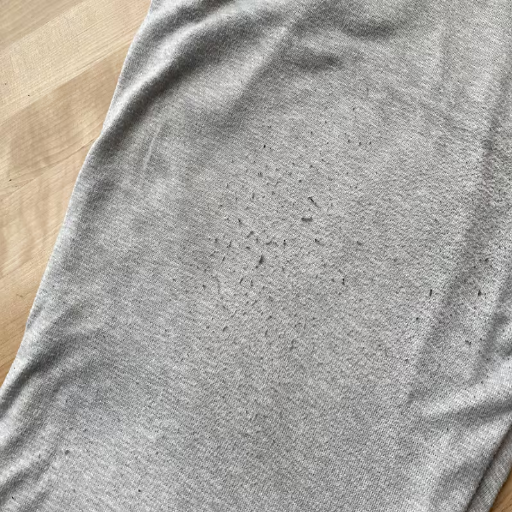
To effectively address pilling, we must first dissect its fundamental causes, which are intricately linked to the microscopic world of fibers and fabric structures. Pilling is not a sign of poor quality in all cases, but rather a consequence of friction causing short, loose fibers on the fabric surface to migrate, tangle, and form small, dense balls.
Fiber Structure and Surface Dynamics
The inherent characteristics of individual fibers play a crucial role in pilling propensity. Shorter, weaker fibers, often found in spun yarns, have more free ends that can work their way out of the yarn structure. These loose ends are prime candidates for pilling. Synthetic fibers like polyester, while strong, are particularly prone to pilling because their high tensile strength and abrasion resistance mean that once a pill forms, it stays attached to the fabric surface rather than breaking off. Natural fibers, especially wool, also pill, but their weaker individual fibers often break off over time, causing pills to disappear.
The surface texture of a fiber also matters. Fibers with rougher or more irregular surfaces tend to interlock and tangle more easily than smooth, slick fibers. Furthermore, static electricity, more common in synthetic materials, can also contribute to fibers clinging together, accelerating pill formation. Textile scientists rigorously study these fiber dynamics, employing electron microscopes and sophisticated imaging techniques to understand the nuanced interactions that precede visible pilling. This deep understanding informs the development of new fiber blends and treatments.
The Role of Fabric Construction and Blends
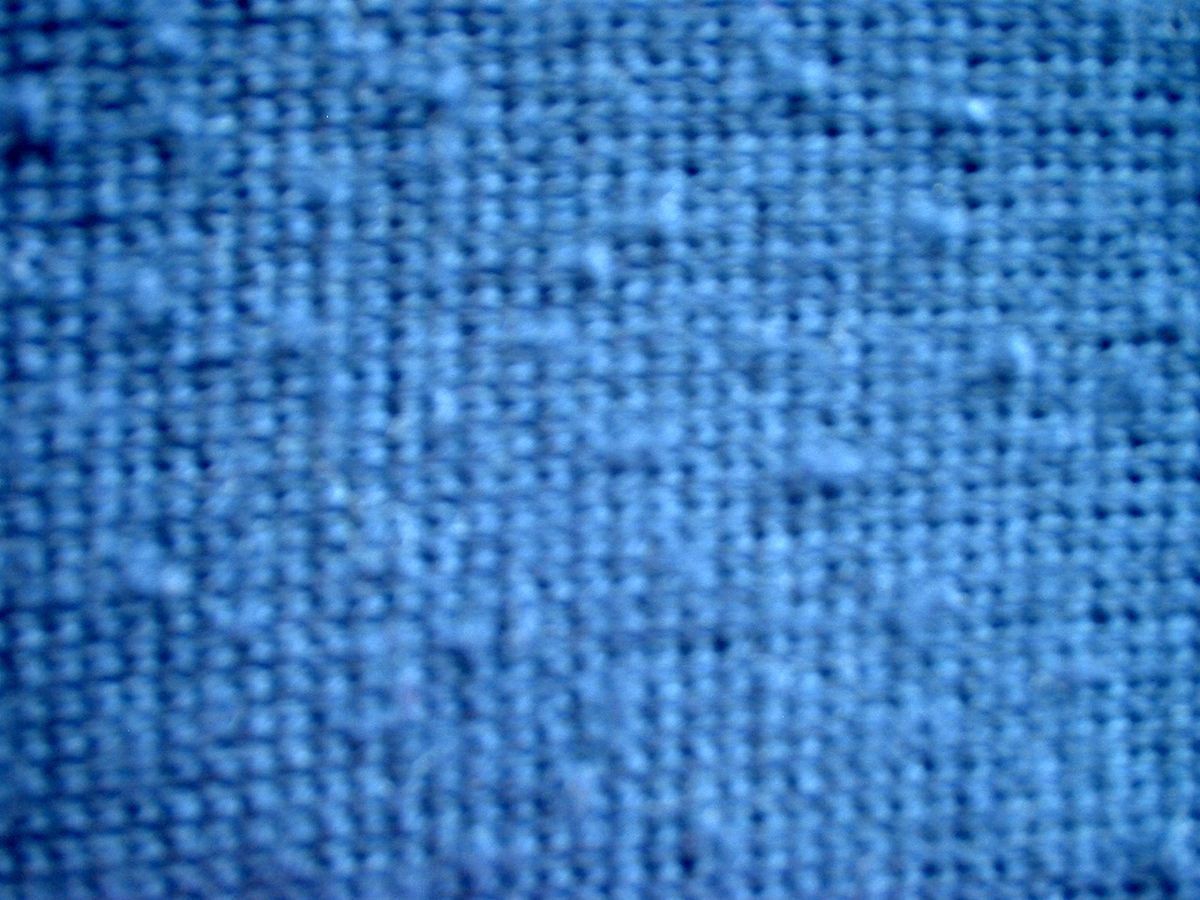
Beyond individual fiber characteristics, the way fibers are spun into yarn and how those yarns are woven or knitted into fabric significantly influences pilling. Loosely spun yarns, which have more fiber ends exposed, are inherently more susceptible to pilling than tightly twisted yarns. Similarly, fabrics with a loose weave or knit structure allow fibers greater freedom of movement, increasing the likelihood of entanglement. For instance, fleece, with its napped and brushed surface, is designed to be soft and insulating but often presents a higher pilling risk due to the many exposed fiber ends.
Fabric blends, while offering desirable properties like stretch or wrinkle resistance, can also complicate the pilling equation. Blends of strong synthetic fibers (which resist breaking off) and weaker natural fibers (which provide the initial loose ends) can be particularly prone to persistent pilling. The weaker fibers break and entangle, while the stronger fibers anchor the pills firmly to the fabric surface. Textile engineers carefully consider these interactions during fabric design, aiming for structures and blends that minimize fiber migration and maximize resistance to abrasive forces.
Factors Accelerating Pilling: Friction and Wear
The primary catalyst for pilling is friction. This mechanical action, whether from daily wear, rubbing against other garments, or even machine washing, causes fibers to loosen and migrate to the fabric surface. Areas of high friction, such as underarms, cuffs, collars, and where seatbelts or bags rub against clothing, are typically the first to show signs of pilling.
Beyond friction, the type of detergent used, water temperature, and agitation levels during washing can all contribute to accelerated pilling. Harsh chemicals can weaken fibers, making them more prone to breakage and entanglement. High heat can set pills or damage delicate fibers. Understanding these environmental and mechanical stressors allows textile technologists to design not only more resilient fabrics but also to recommend optimal care instructions that extend garment life.
Technological Innovations for Pilling Prevention and Resistance
The textile industry continuously invests in research and development to engineer fabrics that resist pilling, employing a multi-faceted approach from fiber modification to advanced finishing techniques.
Advanced Fiber Treatments and Chemical Finishes
One of the most direct technological interventions against pilling involves modifying the fibers themselves or applying specialized finishes. Researchers are developing bio-based enzymes that selectively degrade the loose, protruding fibers on the fabric surface, preventing them from forming pills, without compromising the main structure of the fabric. Similarly, polymer coatings can be applied to fibers, creating a smoother surface that reduces friction and helps to bind loose fibers more securely within the yarn.
Innovations in fiber science also include the development of new synthetic fibers with controlled surface properties or specific cross-sections that inherently reduce entanglement. For natural fibers, breeding and processing techniques are evolving to produce longer, stronger staple fibers, which naturally reduce the number of loose ends available for pilling. These treatments are often applied during the manufacturing process, representing a significant technological leap in creating “anti-pill” fabrics from the ground up.
Engineering Fabric Structures for Durability
Beyond chemical treatments, textile engineers are constantly innovating in how fabrics are constructed. Tighter weaves and knits, sometimes incorporating high-twist yarns, significantly reduce the opportunity for fibers to migrate and entangle. Specialized compacting techniques applied during fabric finishing can also consolidate the surface, locking fibers into place.
The development of core-spun yarns, where a strong filament core is wrapped with softer, shorter fibers, offers a hybrid solution. The core provides strength and stability, while the outer fibers offer the desired handfeel, with reduced pilling potential due to better fiber encapsulation. Advancements in knitting and weaving machinery allow for greater precision and control over yarn tension and loop formation, leading to more uniform and pilling-resistant fabric surfaces. The integration of computer-aided design (CAD) and manufacturing (CAM) tools allows for rapid prototyping and testing of new fabric structures, optimizing for durability and aesthetic retention.

Quality Control and Textile Testing Methodologies
In modern textile manufacturing, rigorous quality control is paramount to ensuring pilling resistance. Advanced testing methodologies are employed to quantify a fabric’s propensity to pill before it ever reaches the consumer. Machines like the Martindale Abrasion and Pilling Tester, ICI Pilling Box, and Random Tumble Pilling Tester simulate the abrasive forces fabrics encounter during wear and washing. These machines use standardized rubbing motions or tumbling actions to induce pilling under controlled conditions.
Digital image analysis and sophisticated software are then used to objectively grade the severity of pilling, moving beyond subjective visual assessment. This technological approach to testing allows manufacturers to benchmark their fabrics, refine their processes, and provide clear quality assurances, ensuring that anti-pilling claims are backed by scientific data. This continuous feedback loop between design, production, and testing is a cornerstone of modern textile engineering.
Smart Solutions and Gadgets for Pilling Management
Even with advancements in anti-pill fabrics, some garments will eventually show signs of pilling. Fortunately, technology offers a range of tools and solutions for effective pilling management, allowing consumers to extend the life and appearance of their clothing.
The Evolution of Fabric Shavers and Lint Removers
The most common technological solution for existing pilling is the electric fabric shaver, sometimes referred to as a lint shaver or depiller. These handheld devices are essentially miniature vacuum cleaners with rotating blades protected by a perforated screen. As the device glides over the fabric, the raised pills are drawn through the screen and neatly clipped off by the blades, while the underlying fabric remains untouched.
Modern fabric shavers feature ergonomic designs, rechargeable batteries, and adjustable blade heights to accommodate different fabric types and pilling severities. Some even incorporate smart sensors that detect fabric type and automatically adjust power settings to prevent damage. The continuous refinement of blade technology, motor efficiency, and safety features in these devices exemplifies how simple tech can significantly enhance garment care.
Automated Garment Care Systems and AI Applications
Looking to the future, we can anticipate more sophisticated, automated solutions for garment care. Imagine washing machines equipped with integrated pilling detection and removal cycles, using gentle mechanical or even laser-based techniques to de-pill garments during a wash. Robotics and artificial intelligence could play a role in advanced garment care systems, where robotic arms, guided by computer vision, precisely identify and remove pills from delicate fabrics without manual intervention.
While currently in nascent stages, the concept of a “smart closet” where garments are automatically assessed for wear and tear, including pilling, and then treated or recommended for care, is gaining traction. AI algorithms could learn individual garment characteristics and wear patterns to predict pilling and suggest preventative measures or optimal removal strategies, moving beyond reactive solutions to proactive garment longevity.
Emerging Technologies in Fabric Repair and Restoration
Beyond simple removal, emerging technologies are exploring more holistic fabric repair and restoration. This includes advanced textile bonding agents that can re-adhere loose fibers, or even nano-coatings that can be applied post-purchase to restore some level of pilling resistance to older garments. Research into self-healing fabrics, which can repair minor damage including fiber breakage and entanglement, could revolutionize garment longevity. While these technologies are largely still in research labs, they represent the next frontier in maintaining the quality and appearance of our clothes.
The Technological Imperative: Pilling, Sustainability, and the Future of Apparel
In a world increasingly focused on sustainability and reducing textile waste, combating pilling through technological innovation takes on a deeper significance. Extending the lifespan of clothes directly contributes to a more sustainable apparel ecosystem.
Extending Garment Lifespan Through Tech-Driven Care
Pilling often leads consumers to discard garments prematurely, even when the garment is otherwise perfectly functional. By providing effective technological solutions for pilling prevention and removal, we empower consumers to keep their clothes looking good for longer. This directly reduces the demand for new clothing, lessens the environmental impact of textile production (water usage, energy, dyes), and decreases the volume of textiles sent to landfills. Technologies that make garment care easier and more effective are powerful tools in promoting a circular economy for fashion.
Sustainable Textile Innovations to Combat Pilling
The development of anti-pilling technologies is also aligning with broader sustainability goals within the textile industry. Innovations are moving towards eco-friendly fiber treatments, such as bio-enzymes, which are biodegradable and reduce reliance on harsh chemicals. Research into recycled and upcycled fibers that inherently resist pilling is also a key area of focus, marrying sustainable sourcing with enhanced durability. The goal is not just to prevent pilling, but to do so in a way that minimizes environmental footprint throughout the garment’s lifecycle.
Consumer Education and the Tech-Empowered Wardrobe
Ultimately, the impact of technological advancements against pilling is maximized when coupled with informed consumer practices. Educating consumers about fiber types, fabric care labels, and the proper use of tech tools like fabric shavers is crucial. A technologically empowered wardrobe is one where consumers understand how their clothes are made, how to care for them using available tools, and how to make purchasing decisions that favor durability and longevity. This synergy between cutting-edge textile science, smart care solutions, and educated consumers represents the best pathway to overcoming the pervasive challenge of pilling and fostering a more sustainable and satisfying relationship with our clothing.
aViewFromTheCave is a participant in the Amazon Services LLC Associates Program, an affiliate advertising program designed to provide a means for sites to earn advertising fees by advertising and linking to Amazon.com. Amazon, the Amazon logo, AmazonSupply, and the AmazonSupply logo are trademarks of Amazon.com, Inc. or its affiliates. As an Amazon Associate we earn affiliate commissions from qualifying purchases.