
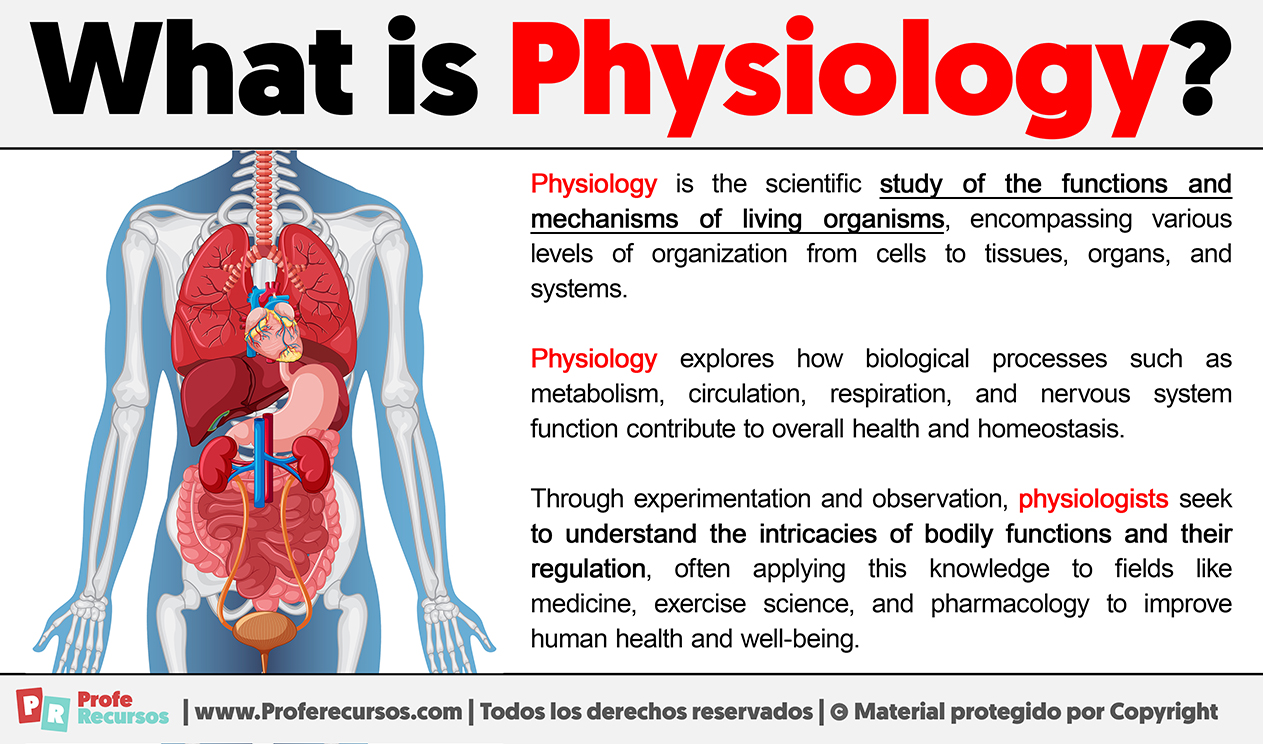
The term “physiological” fundamentally refers to the normal functions of living organisms and their parts. It delves into the intricate mechanisms that allow a body to breathe, digest, circulate blood, think, and react to its environment. For centuries, understanding physiology was the domain of biology and medicine, relying on observable symptoms, manual measurements, and invasive tests. However, the advent of sophisticated technology has utterly transformed our ability to capture, analyze, and interpret physiological data, pulling it from the confines of the clinic into our daily lives and opening up unprecedented avenues for health, performance, and well-being. Today, “what is physiological” extends beyond the textbook definition to encompass a vast, dynamic ecosystem of digital tools and insights that are redefining our relationship with our own biology.

Demystifying Physiology in the Age of Information
At its core, physiology is the science of how life works. It examines the chemical and physical processes that occur within living systems, from the molecular level to entire organ systems, ensuring homeostasis and adaptation. When we talk about “what is physiological” in a modern context, we’re discussing the measurable outputs of these processes—heart rate, body temperature, blood glucose levels, sleep patterns, brain activity, respiratory rate, and countless other biomarkers.
Defining Physiology: The Foundation of Life
Every heartbeat, every breath, every muscle contraction is a physiological event. These processes, often involuntary, are critical for maintaining life. Before the digital age, understanding these processes was largely reactive; we assessed physiological states when something went wrong or during periodic check-ups. The challenge was the sheer complexity and the difficulty of continuous, non-invasive measurement. Traditional methods were often snapshot-based, providing limited context of the dynamic fluctuations that characterize human biology.
Bridging Biology and Bytes: The Emergence of Physiological Technology
The true revolution lies in the convergence of biological understanding with advanced computing, sensing, and data science. Physiological technology, or “physio-tech,” refers to the devices, software, and platforms designed to detect, collect, transmit, process, and interpret biological signals and data. This field has exploded, driven by advancements in miniaturization, battery life, wireless communication, and machine learning. From the simple step counter to sophisticated smart patches, these technologies are creating a continuous, personalized stream of physiological information that was previously unimaginable.
Why Physiological Data Matters: Beyond Basic Health Monitoring
The significance of this data extends far beyond merely monitoring vital signs. Continuous physiological data provides an unparalleled window into an individual’s unique biological rhythms, responses to stress, recovery patterns, and susceptibility to illness. It empowers proactive health management, allowing for early detection of potential issues, personalized interventions, and optimization of everything from athletic performance to cognitive function. It shifts the paradigm from treating sickness to cultivating wellness, providing individuals with actionable insights to live healthier, more productive lives.
The Technological Ecosystem of Physiological Measurement
The array of technologies enabling physiological data capture is diverse and rapidly expanding. These tools are no longer confined to medical facilities; they are integrated into our apparel, our homes, and even implanted within our bodies, creating a pervasive network of bio-sensors.
Wearable Devices: Your Personal Bio-Sensors
Wearable technology has become the most prominent interface for individuals to interact with their physiological data. Smartwatches, fitness trackers, smart rings, and even smart clothing are equipped with a variety of sensors to continuously monitor key physiological parameters.
-
Heart Rate and Heart Rate Variability (HRV): Optical sensors (photoplethysmography or PPG) measure blood flow, providing real-time heart rate data. HRV, a more nuanced metric derived from the timing between heartbeats, offers insights into autonomic nervous system activity, reflecting stress levels, recovery status, and overall resilience.
-
Sleep Tracking: Accelerometers and gyroscopes detect movement, while heart rate sensors monitor physiological changes associated with different sleep stages (light, deep, REM). This data helps users understand sleep quality, identify disturbances, and optimize sleep hygiene.
-
Activity and Exercise: Accelerometers track movement, steps, distance, and calories burned, motivating users to maintain an active lifestyle and measure workout intensity.
-
Skin Temperature: Sensors can track subtle changes in skin temperature, which can indicate illness, ovulation, or even onset of specific sleep stages.
Advanced Monitoring Systems: Beyond the Wrist
While wearables are ubiquitous, other advanced systems offer deeper, more specialized physiological insights.
-
Continuous Glucose Monitors (CGMs): Initially for diabetics, CGMs use small sensors inserted under the skin to provide real-time blood glucose readings. Emerging non-invasive technologies promise even broader adoption for metabolic health management in the general population.
-
Smart Patches and E-Tattoos: These adhesive, flexible sensors can monitor a wider range of physiological parameters, often with greater accuracy, for longer durations. They can track ECG, respiration, temperature, and even hydration levels, making them valuable for remote patient monitoring or high-performance athletics.
-
Smart Home Devices: Beyond personal wearables, ambient sensors in mattresses, mirrors, or smart speakers are beginning to passively collect physiological data, such as sleep patterns, breathing anomalies, or even gait analysis, without direct user interaction.
The Sensor Revolution: From ECG to EEG at Your Fingertips
The ability to miniaturize and integrate sophisticated sensors has been a cornerstone of this revolution.
-
Electrocardiography (ECG/EKG): Traditionally requiring multiple leads, some smartwatches and patches now offer single-lead ECG capabilities, allowing users to detect potential cardiac arrhythmias like atrial fibrillation at home.
-
Electroencephalography (EEG): While still primarily a clinical tool, consumer-grade EEG devices (often headbands) are emerging, designed to track brainwave activity for meditation, focus improvement, or sleep insights.
-
Electromyography (EMG): Sensors that measure muscle electrical activity are used in sports tech to analyze muscle fatigue and recruitment patterns.
-
Galvanic Skin Response (GSR): Also known as electrodermal activity, GSR sensors measure changes in skin conductivity, which correlate with emotional arousal and stress levels.
The sophistication of these sensors, combined with advanced signal processing algorithms, allows for the conversion of complex biological signals into meaningful, interpretable data points that drive personal health decisions and medical advancements.
AI and Big Data: Unlocking Deeper Physiological Insights
The sheer volume and complexity of physiological data generated by these technologies would be overwhelming without the power of Artificial Intelligence (AI) and big data analytics. These computational tools are crucial for transforming raw measurements into actionable insights.
Artificial Intelligence in Action: Pattern Recognition and Predictive Analytics
AI algorithms, particularly machine learning models, are adept at identifying subtle patterns and correlations within vast datasets that human observers might miss.
-
Anomaly Detection: AI can learn an individual’s physiological baseline and instantly flag deviations that might indicate stress, impending illness, or a decline in performance. For example, a persistent elevation in resting heart rate or a significant drop in HRV could signal overtraining or an approaching infection.
-
Personalized Insights: Instead of generic advice, AI can synthesize an individual’s unique physiological profile, activity levels, and lifestyle factors to provide tailored recommendations for sleep, nutrition, exercise, and stress management.
-
Risk Stratification: By analyzing physiological trends over time, AI can help identify individuals at higher risk for certain conditions (e.g., cardiovascular disease, sleep apnea) and recommend preventative measures or further medical consultation.
Leveraging Big Data for Population Health and Precision Medicine
When aggregated and anonymized, individual physiological data contributes to massive datasets that offer unprecedented opportunities for public health research and precision medicine.
-
Population Health Trends: Analyzing physiological data from large populations can reveal trends in disease prevalence, efficacy of health interventions, and the impact of environmental factors on health. This supports proactive public health strategies.
-
Drug Discovery and Development: Pharmaceutical companies can use physiological data from clinical trials and real-world monitoring to better understand drug efficacy, side effects, and optimize dosing regimens.
-
Precision Medicine: This approach aims to tailor medical treatment to the individual characteristics of each patient. Physiological data is a cornerstone of precision medicine, allowing clinicians to customize therapies based on a person’s unique genetic makeup, environment, and lifestyle, as reflected in their physiological responses.
From Raw Data to Actionable Intelligence: The Role of Algorithms
The transition from raw sensor output to valuable insight is driven by sophisticated algorithms. These algorithms don’t just display numbers; they interpret context. For instance, a heart rate of 120 bpm during a run is normal, but the same heart rate during sleep is an anomaly. Algorithms are designed to understand these nuances, providing not just data points, but actionable intelligence: “Your recovery is low today,” or “You might be coming down with something,” or “Your stress levels peaked significantly after that meeting.”
Impact and Applications Across Diverse Domains
The proliferation of physiological technology is having a profound impact across various sectors, moving beyond the traditional healthcare setting to permeate daily life, sports, and professional environments.
Healthcare and Wellness: Revolutionizing Diagnostics and Prevention
In healthcare, physio-tech is shifting the focus from episodic care to continuous monitoring and proactive prevention.
-
Remote Patient Monitoring (RPM): For chronic disease management (e.g., heart failure, diabetes, hypertension), wearable and smart home devices enable healthcare providers to remotely track vital signs, glucose levels, and activity. This reduces hospital readmissions, improves medication adherence, and provides timely interventions.
-
Early Detection: Continuous physiological monitoring can detect subtle changes indicative of early disease onset, potentially allowing for diagnosis and treatment before conditions become severe. Examples include atrial fibrillation detection via smartwatches or early detection of respiratory infections.
-
Personalized Medicine and Digital Therapeutics: Tailoring treatments based on an individual’s unique physiological responses, and using apps or digital programs (often powered by physiological feedback) to manage conditions or improve health behaviors.
Sports and Performance: Optimizing Training and Recovery
Athletes at all levels are leveraging physiological technology to gain a competitive edge.
-
Training Load Management: By tracking heart rate, HRV, sleep quality, and exertion metrics, coaches and athletes can precisely manage training loads, preventing overtraining and optimizing peak performance.
-
Recovery Optimization: Physiological data provides objective measures of recovery status, guiding decisions on rest days, nutrition, and specific recovery modalities.
-
Injury Prevention: Consistent monitoring can flag physiological markers associated with fatigue or stress that might predispose an athlete to injury, allowing for proactive adjustments.
-
Real-time Feedback: During training, physiological feedback helps athletes maintain target heart rate zones, pacing, and effort levels for optimal results.
Workplace and Everyday Life: Enhancing Productivity and Well-being
Beyond health and sports, physiological insights are finding applications in enhancing daily living and professional environments.
-
Stress Management: Wearables that track HRV or GSR can alert users to elevated stress levels, prompting mindfulness exercises or breaks. In corporate settings, this can inform wellness programs.
-
Cognitive Enhancement: Devices measuring brain waves (EEG) are used in consumer applications to guide meditation, improve focus, or facilitate relaxation.
-
Ergonomics and Safety: In industrial settings, physiological monitoring can assess worker fatigue or exposure to hazardous conditions, enhancing safety protocols and optimizing work-rest cycles.
-
Personalized Wellness: From smart scales that measure body composition to apps that track hydration and calorie intake, physiological tech is enabling individuals to take a more data-driven approach to their overall wellness goals.
Navigating the Future: Challenges, Ethics, and the Promise of Physiological Tech
As physiological technology becomes more sophisticated and integrated into our lives, it brings with it significant challenges and ethical considerations that must be addressed to realize its full potential responsibly.
Data Privacy, Security, and Ownership: The Digital Identity Dilemma
The collection of intimate physiological data raises profound questions about privacy, security, and data ownership.
-
Privacy: Who has access to my heart rate, sleep patterns, or glucose levels? How is this data used, stored, and shared? Concerns arise regarding potential discrimination in insurance or employment, or the sale of data to third parties.
-
Security: Physiological data, especially medical-grade information, is highly sensitive and a prime target for cybercriminals. Robust encryption and security protocols are paramount to prevent breaches.
-
Ownership: Do individuals truly own their physiological data once it’s collected by a device or platform? Clarity on data ownership and control is crucial for building trust and empowering users.
Accuracy, Regulation, and the Path to Clinical Validation
The consumer market is flooded with devices, but not all provide clinically accurate or reliable physiological measurements.
-
Accuracy: While convenient, consumer wearables often sacrifice clinical-grade accuracy for form factor and battery life. It’s essential for users and healthcare providers to understand the limitations of these devices.
-
Regulation: The regulatory landscape for physiological technology is complex. Devices marketed for general wellness typically face less stringent oversight than those claiming medical diagnostic capabilities. Clearer guidelines are needed to ensure safety, efficacy, and appropriate claims.
-
Clinical Validation: For physiological tech to be widely adopted in clinical settings, devices and their algorithms must undergo rigorous clinical validation processes to demonstrate their accuracy and utility.

The Transformative Potential: A Future of Proactive, Personalized Health
Despite the challenges, the promise of physiological technology remains immense. The future points towards an era of highly personalized, proactive health management.
-
Seamless Integration: Expect deeper integration of physiological data with electronic health records, AI-powered health coaches, and smart home ecosystems, creating a holistic view of health.
-
Hyper-Personalization: Further advancements will enable real-time, context-aware interventions and recommendations tailored down to the individual’s unique momentary physiological state, rather than just general trends.
-
Preventative Healthcare’s Golden Age: Continuous physiological monitoring, coupled with advanced AI, will empower individuals and healthcare systems to predict and prevent illnesses long before symptoms manifest, revolutionizing public health and individual longevity.
-
Beyond the Body: Emerging neurotechnology, such as brain-computer interfaces, represents the next frontier, potentially allowing us to understand and even influence brain physiological states for cognitive enhancement, therapeutic applications, and novel forms of human-computer interaction.
In conclusion, “what is physiological” in the 21st century is a dynamic concept, interwoven with cutting-edge technology. It’s about empowering individuals with unprecedented insight into their own biological narratives, driving a global shift towards a more proactive, personalized, and data-driven approach to health, performance, and well-being. As we navigate this digital frontier, balancing innovation with ethical responsibility will be key to unlocking the full, transformative potential of physiological technology.
aViewFromTheCave is a participant in the Amazon Services LLC Associates Program, an affiliate advertising program designed to provide a means for sites to earn advertising fees by advertising and linking to Amazon.com. Amazon, the Amazon logo, AmazonSupply, and the AmazonSupply logo are trademarks of Amazon.com, Inc. or its affiliates. As an Amazon Associate we earn affiliate commissions from qualifying purchases.