
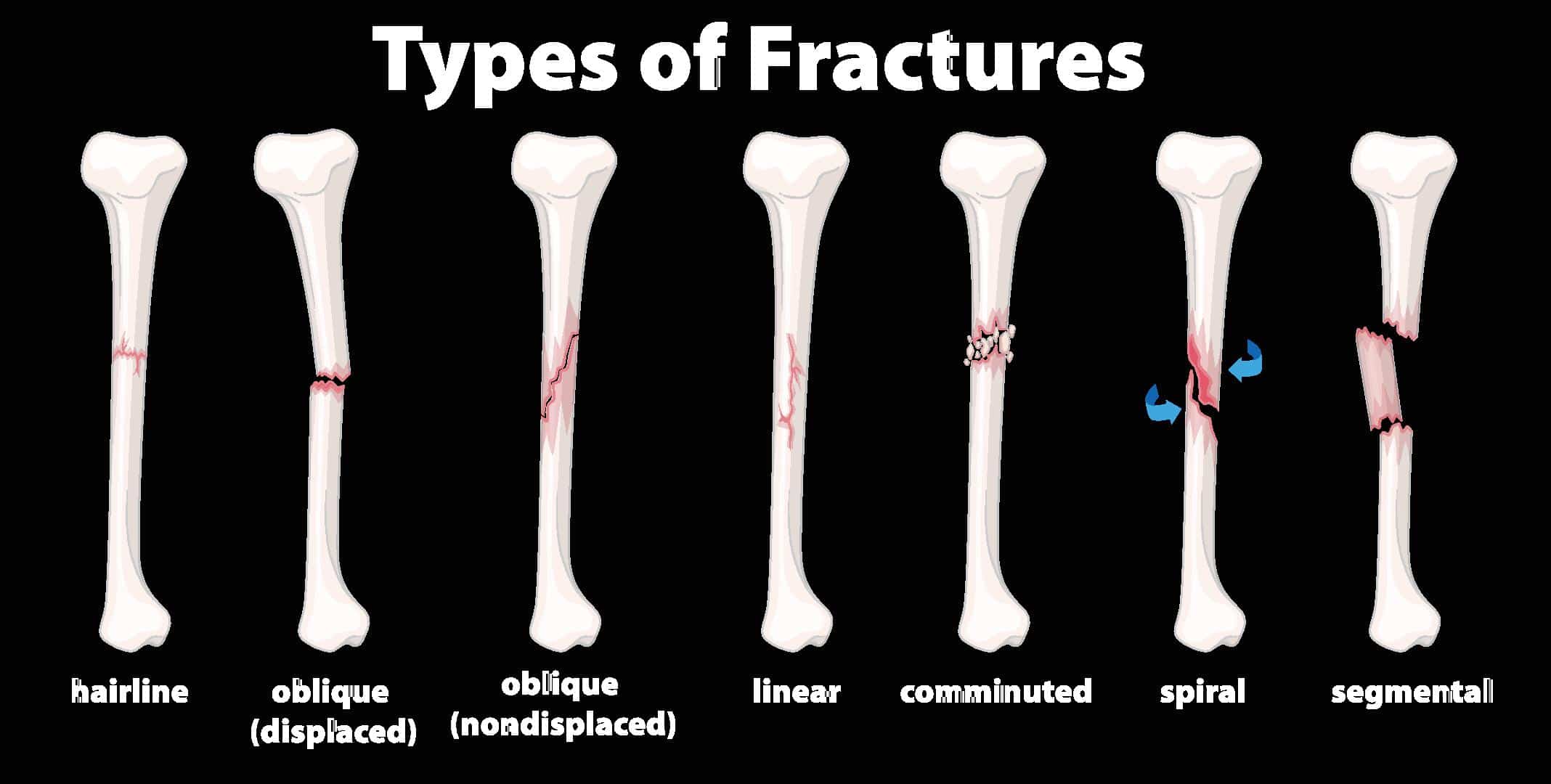
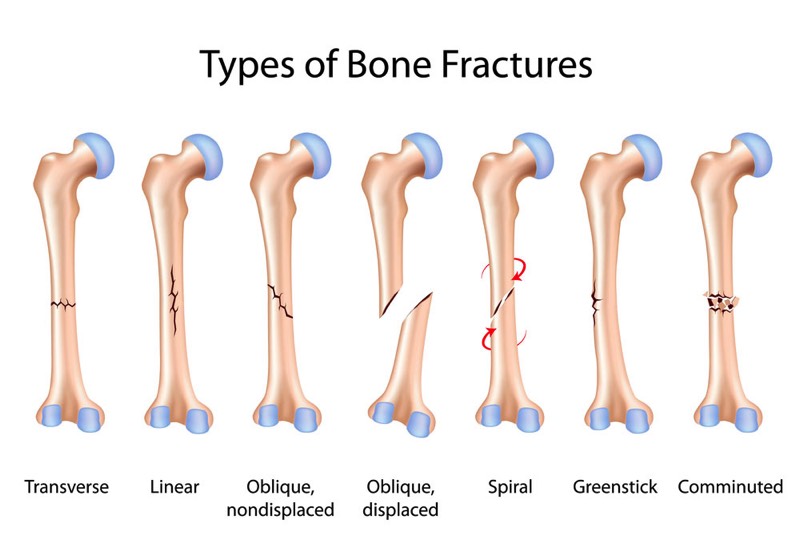
The human body is a marvel of engineering, yet susceptible to injury. Among the common physical traumas, fractures stand out, ranging from hairline cracks to severe breaks. While the medical definition of a “nondisplaced fracture” is straightforward—a break in a bone where the bone fragments retain their normal alignment—its implications for modern medical technology and patient care are anything but simple. In an era dominated by digital transformation, understanding a nondisplaced fracture goes beyond anatomy; it involves cutting-edge diagnostic tools, sophisticated rehabilitation platforms, and data-driven insights that are revolutionizing how these injuries are detected, managed, and recovered from. This article delves into the technological landscape surrounding nondisplaced fractures, exploring how innovation is enhancing precision, accelerating healing, and empowering patients.
The Technological Lens: Diagnosing Nondisplaced Fractures with Precision
The initial step in managing any fracture is accurate diagnosis, and this is where technology shines brightest. For nondisplaced fractures, where the subtle nature of the break can sometimes evade rudimentary inspection, advanced imaging and AI-powered analytics have become indispensable. The meaning of a nondisplaced fracture, in a technological context, is its specific presentation as data that can be captured, analyzed, and interpreted with increasing fidelity.
Advanced Imaging Techniques: Beyond the X-ray
While traditional X-rays remain the frontline diagnostic tool, their limitations in detecting subtle nondisplaced fractures, especially in complex anatomical structures, paved the way for more sophisticated imaging technologies. Modern radiography systems offer higher resolution and digital manipulation capabilities, allowing clinicians to zoom, enhance contrast, and apply filters to identify minute fractures that might otherwise be missed.
Computed Tomography (CT) scans provide cross-sectional images, offering a three-dimensional view that is invaluable for assessing intricate bone structures like those in the wrist, ankle, or spine. For nondisplaced fractures, CT can reveal bone edema or tiny cracks not visible on plain X-rays, providing crucial detail for treatment planning. Magnetic Resonance Imaging (MRI), typically associated with soft tissue injuries, also plays a role in visualizing bone marrow edema—a strong indicator of occult (hidden) nondisplaced fractures, particularly stress fractures, even before they are clearly visible on X-rays or CT. These advanced modalities generate vast amounts of data, setting the stage for subsequent technological interventions.
AI in Radiographic Interpretation: Augmenting Human Expertise
The sheer volume and complexity of medical images have made AI an invaluable partner in diagnostics. Machine learning algorithms, trained on massive datasets of fracture images, are now capable of identifying patterns indicative of nondisplaced fractures with remarkable accuracy. AI tools can flag suspicious areas for radiologists, reducing the chances of oversight, especially in busy clinical settings. For nondisplaced fractures, which can be subtle and challenging to spot, AI can act as a crucial second pair of eyes, enhancing diagnostic speed and consistency.
Furthermore, AI can assist in quantifying fracture characteristics, such as precise alignment measurements, which are critical in defining “nondisplaced.” This objective analysis helps standardize diagnoses and ensures consistent patient management protocols. The development of deep learning models continues to push the boundaries, promising even more refined detection capabilities and potentially enabling earlier intervention for complicated cases.
Telemedicine and Remote Diagnostics: Bridging Geographical Gaps
Technology has not only improved how fractures are diagnosed but also where and by whom. Telemedicine platforms allow general practitioners or emergency room physicians in remote areas to securely transmit imaging studies to orthopedic specialists anywhere in the world. This capability is particularly impactful for nondisplaced fractures, where specialist interpretation can prevent misdiagnosis or inappropriate management. A radiologist or orthopedic surgeon can review high-resolution images, consult with local staff via video conference, and provide expert opinions without the patient needing to travel. This democratizes access to specialized care, reduces patient burden, and ensures that even subtle nondisplaced fractures receive the expert attention they warrant, regardless of geographical barriers.
Managing Recovery with Digital Health Solutions
Once a nondisplaced fracture is diagnosed, the focus shifts to recovery. While traditional methods involve immobilization and physical therapy, digital health solutions are now transforming the recovery journey. For a nondisplaced fracture, technology means a more personalized, monitored, and engaging pathway back to full function.
Wearable Technology for Monitoring and Engagement
Wearable devices are moving beyond fitness tracking into clinical applications, offering continuous monitoring of recovery metrics. Smart casts or sensors integrated into braces can track patient activity levels, movement patterns, and even subtle vibrations or forces applied to the healing bone. This data can provide objective insights into patient compliance with weight-bearing restrictions or exercise protocols, which are crucial for nondisplaced fractures to heal correctly without further displacement.
Moreover, wearables can remind patients about medication schedules, exercise routines, or follow-up appointments, fostering greater engagement and adherence to treatment plans. Gamified rehabilitation exercises delivered via wearables can make the recovery process more enjoyable and motivate patients to consistently perform their prescribed movements, thereby accelerating healing and improving outcomes for nondisplaced fractures.
Mobile Applications for Patient Engagement and Education
Smartphone applications have become powerful tools in fracture recovery. Dedicated apps can provide patients with comprehensive educational resources about their specific nondisplaced fracture, detailing what to expect during healing, potential complications, and self-care tips. This empowerment through knowledge is vital for patients to actively participate in their recovery.
Beyond education, these apps can facilitate communication between patients and their care team, allowing patients to report pain levels, ask questions, and share progress updates. Features like guided exercise videos, symptom trackers, and progress charts create a personalized recovery dashboard, enhancing patient autonomy and making the often-long healing process for a nondisplaced fracture feel more manageable and transparent.
Virtual and Augmented Reality in Rehabilitation

Virtual Reality (VR) and Augmented Reality (AR) are emerging as game-changers in physical therapy, especially for complex rehabilitation after a nondisplaced fracture. VR environments can immerse patients in engaging, game-like scenarios that require them to perform specific movements or exercises, making repetitive therapy less monotonous and more motivating. This is particularly beneficial for restoring range of motion and strength in a controlled, safe environment.
AR, on the other hand, overlays digital information onto the real world. For fracture rehabilitation, AR can guide patients through exercises by displaying virtual markers or instructions directly onto their limbs, providing real-time feedback on form and accuracy. This blend of virtual engagement and real-world interaction promises to make recovery for nondisplaced fractures more effective, precise, and enjoyable, speeding up the return to daily activities.
Data-Driven Insights and Predictive Analytics in Orthopedics
The digitalization of healthcare has led to an explosion of data. For nondisplaced fractures, this data is not merely descriptive but predictive, offering profound insights that can shape treatment protocols and improve patient outcomes on a population level. The meaning of a nondisplaced fracture is increasingly defined by its data footprint and its place within broader epidemiological and clinical datasets.
Big Data in Orthopedics: Identifying Trends and Best Practices
Aggregating vast amounts of patient data—including fracture types, demographics, treatment modalities, and outcomes—allows orthopedic researchers and clinicians to identify trends and best practices. Big data analytics can reveal which specific interventions lead to the fastest or most complete healing for various types of nondisplaced fractures, contributing to evidence-based medicine. This collective intelligence can help standardize care, optimize resource allocation, and continuously refine treatment guidelines, ensuring that every patient benefits from the most effective approaches.
For example, analyzing data from thousands of nondisplaced wrist fractures might reveal that a particular type of brace, combined with a specific early motion protocol, yields superior long-term functional outcomes compared to traditional casting, leading to a shift in clinical practice.
Predictive Models for Complication Risk
Leveraging AI and machine learning, predictive analytics can identify patients at higher risk of complications, even with seemingly benign nondisplaced fractures. Factors such as age, bone density, comorbidities (e.g., diabetes, osteoporosis), lifestyle choices (e.g., smoking), and adherence to treatment can be fed into algorithms to estimate the likelihood of delayed union, non-union, or subsequent displacement.
This foresight allows clinicians to proactively implement preventative measures or intensify monitoring for at-risk individuals. For a nondisplaced fracture, this might mean more frequent imaging, nutritional support, or earlier referral to specialized therapies, preventing minor injuries from escalating into more serious problems and ultimately improving healing rates.
Personalized Treatment Pathways: Tailoring Care with Technology
The ultimate goal of data-driven insights is personalized medicine. Technology enables healthcare providers to move away from a one-size-fits-all approach, designing treatment plans that are precisely tailored to an individual patient’s nondisplaced fracture, biological healing capacity, lifestyle, and goals. By integrating genetic information, detailed imaging data, continuous monitoring from wearables, and patient-reported outcomes, AI can help recommend the optimal type of immobilization, the ideal duration of rest, the specific progression of physical therapy, and even dietary advice. This level of customization, informed by technology, ensures that each nondisplaced fracture receives the most effective and efficient care possible, leading to better functional recovery and patient satisfaction.
The Future of Fracture Care: Innovation and Integration
The trajectory of technology in orthopedic care points towards an increasingly integrated, intelligent, and patient-centric future. For nondisplaced fractures, this future holds promises of even faster healing, minimal invasiveness, and greater patient empowerment.
3D Printing for Custom Orthotics and Implants
3D printing technology is already revolutionizing the creation of custom orthopedic devices. For nondisplaced fractures, this means personalized casts that offer a perfect fit, enhancing comfort, improving ventilation, and potentially allowing for greater functionality during immobilization compared to traditional plaster or fiberglass casts. These custom orthotics can be designed to apply specific pressures to aid healing or accommodate swelling more effectively. While less common for purely nondisplaced fractures, 3D printing is also pivotal in creating patient-specific surgical guides and even custom implants, should a nondisplaced fracture require fixation in certain complex scenarios or if it fails to heal correctly.
Robotics in Rehabilitation and Diagnostics
Robotics, while more visibly applied in complex surgeries, is also making inroads into rehabilitation. Robotic exoskeletons and smart devices can assist patients in performing precise, repetitive movements during physical therapy, ensuring correct form and providing quantifiable data on strength and range of motion. For nondisplaced fractures, this can mean highly controlled and consistent rehabilitation, crucial for regaining full function without risking re-injury. In diagnostics, advanced robotic arms could potentially automate certain imaging procedures, improving consistency and reducing technician fatigue.
Blockchain for Secure and Integrated Medical Records
The vast amount of patient data generated by advanced diagnostics and monitoring tools necessitates robust and secure management systems. Blockchain technology offers a decentralized, immutable ledger for medical records, enhancing data security, privacy, and interoperability across different healthcare providers. For a patient recovering from a nondisplaced fracture, this means seamless sharing of their imaging studies, treatment plans, and progress reports between their orthopedic surgeon, physical therapist, general practitioner, and even emergency services, ensuring continuity of care and preventing redundant testing or conflicting advice. This integrated approach ensures that the entire care team has access to the most up-to-date and accurate information, optimizing recovery pathways.
In conclusion, a “nondisplaced fracture” in the context of modern healthcare technology is not just a medical diagnosis but a complex data point within an intricate ecosystem of digital tools and innovations. From the precision of AI-augmented diagnostics and remote consultations to the personalized engagement offered by wearables and VR/AR rehabilitation, technology is profoundly redefining the experience of fracture care. It’s about faster, safer, and more effective healing, driven by intelligent systems that empower both clinicians and patients, ultimately leading to superior outcomes and a more seamless journey back to health.
aViewFromTheCave is a participant in the Amazon Services LLC Associates Program, an affiliate advertising program designed to provide a means for sites to earn advertising fees by advertising and linking to Amazon.com. Amazon, the Amazon logo, AmazonSupply, and the AmazonSupply logo are trademarks of Amazon.com, Inc. or its affiliates. As an Amazon Associate we earn affiliate commissions from qualifying purchases.