
In today’s increasingly digital world, customer service and business operations are constantly evolving. While we might associate technology with sleek apps and sophisticated websites, some of the most impactful advancements are happening right over the phone. One such technology that has quietly revolutionized how businesses interact with their customers is Interactive Voice Response, or IVR. You’ve likely encountered it yourself, perhaps without even realizing the sophisticated system working behind the scenes.
But what exactly is phone IVR? At its core, IVR is a telephony technology that allows computers to interact with humans through voice and touch-tone keypad inputs. It’s the automated voice you hear when you call a company, guiding you through options to get you to the right department, access information, or even complete transactions without the need for a live agent. From banking and healthcare to retail and government services, IVR systems are the backbone of efficient communication for countless organizations.
This article will delve deep into the world of phone IVR, exploring its fundamental concepts, its crucial role across various industries, the technologies that power it, and the strategic advantages it offers businesses. We’ll also touch upon how IVR fits into the broader landscape of technological trends and its impact on brand perception and financial efficiency.
The Mechanics Behind the Voice: How IVR Works
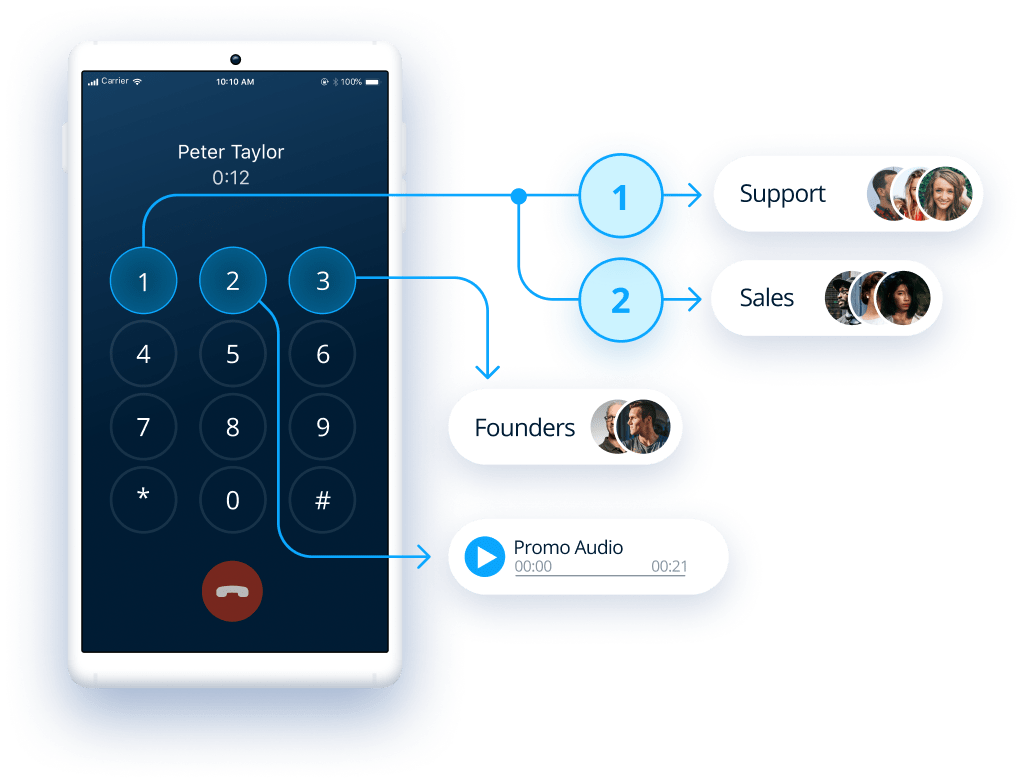
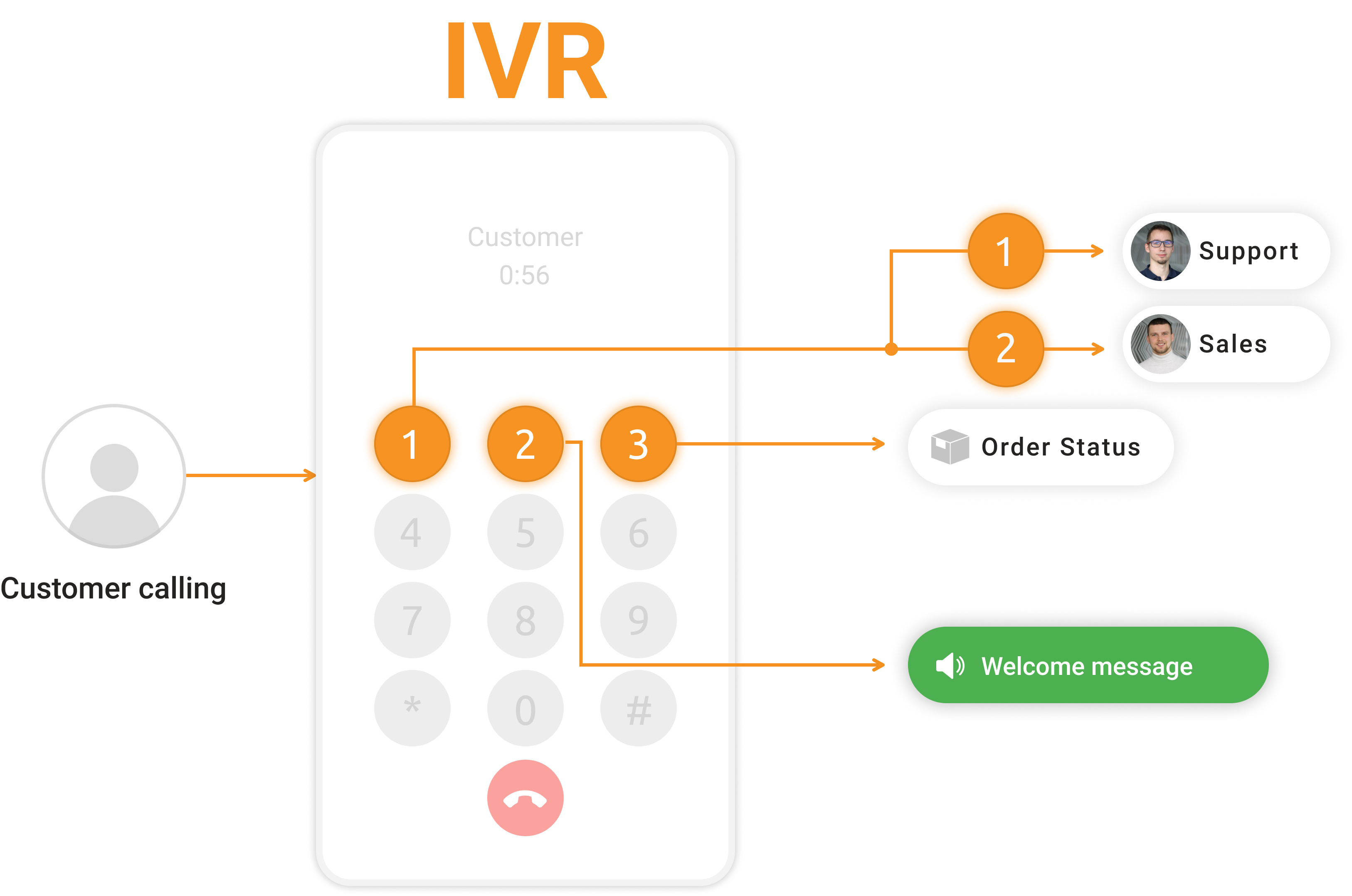
Before we explore the applications, it’s essential to understand the fundamental mechanics of an IVR system. When you dial a business, your call is routed to an IVR system. This system then uses a combination of pre-recorded voice prompts and touch-tone (DTMF – Dual-Tone Multi-Frequency) signals to guide you through a menu of options.
1. Voice Prompts and Menu Navigation
The first point of contact is typically a pre-recorded voice, which greets you and presents a series of choices. These prompts are carefully crafted to be clear, concise, and logical, aiming to direct your call efficiently. For instance, you might hear: “For English, press 1. Para español, oprima dos.” Or, “To check your account balance, press 1. To make a payment, press 2. To speak with a representative, press 3.”
The user then interacts with the system by pressing the corresponding buttons on their phone keypad. This touch-tone input is interpreted by the IVR system, which then triggers the next set of prompts or actions.
2. Speech Recognition and Natural Language Processing (NLP)
More advanced IVR systems go beyond simple touch-tone navigation. They incorporate Automatic Speech Recognition (ASR), allowing callers to speak their responses instead of pressing buttons. This offers a more natural and intuitive user experience, especially for complex queries. For example, instead of navigating through a menu of options, you might be able to simply say, “I want to check my order status.”
Further enhancing this capability is Natural Language Processing (NLP). NLP enables the IVR system to understand the meaning and intent behind a caller’s spoken words, even if they are phrased in different ways. This allows for more sophisticated interactions, where the system can interpret a wider range of requests and respond accordingly. For instance, if a customer says “I need to dispute a charge,” an NLP-powered IVR can understand this intent and route them to the appropriate department or offer self-service options for disputing charges.
3. Integration with Backend Systems
The true power of IVR lies in its ability to integrate with a company’s existing backend systems. This integration allows the IVR to perform actions beyond simply directing calls. For example, when you check your bank balance, the IVR system communicates with the bank’s database to retrieve your information and then relays it back to you verbally. Similarly, an IVR can be used to:
- Authenticate users: By asking for account numbers, PINs, or other personal information.
- Update customer records: Such as changing an address or updating contact preferences.
- Process transactions: Like making payments, scheduling appointments, or ordering products.
- Provide real-time information: Such as flight status, order tracking, or store hours.
This seamless integration transforms the IVR from a simple answering machine into a powerful self-service tool, streamlining operations and improving customer satisfaction.
The Pervasive Presence of IVR: Industry Applications
The versatility and efficiency of IVR systems have made them indispensable across a wide spectrum of industries. From mundane tasks to critical communications, IVR plays a vital role in ensuring smooth operations and enhancing customer experiences.
1. Customer Service and Support
This is arguably the most common application of IVR. Businesses leverage IVR to:
- Route calls effectively: Directing customers to the most appropriate department or agent based on their needs, reducing wait times and transfers.
- Provide self-service options: Allowing customers to resolve common issues, such as checking order status, resetting passwords, or finding FAQs, without speaking to a representative.
- Gather information: Collecting essential details from callers before connecting them to an agent, saving the agent time and allowing them to prepare for the call.
- Manage high call volumes: Handling a large number of inquiries efficiently, especially during peak seasons or promotional events.
For example, a retail company might use an IVR to allow customers to track their orders, inquire about return policies, or even initiate a return process. A telecommunications company could use it to help customers check their data usage, pay their bills, or troubleshoot common network issues.
2. Banking and Financial Services
The financial sector relies heavily on IVR for security, efficiency, and accessibility. Common uses include:
- Account inquiries: Checking balances, reviewing recent transactions, and inquiring about account details.
- Fund transfers and payments: Initiating transfers between accounts or making loan payments.
- Fraud reporting and security alerts: Allowing customers to report lost or stolen cards, or to confirm suspicious activity on their accounts.
- Loan applications and inquiries: Providing information about loan products or guiding applicants through initial stages of the application process.
The ability of IVR to handle sensitive information securely and provide instant access to financial data makes it a cornerstone of modern banking.
3. Healthcare
In healthcare, IVR systems are used to improve patient engagement and streamline administrative tasks. Applications include:

- Appointment scheduling and reminders: Allowing patients to book, reschedule, or confirm appointments, and sending automated reminders to reduce no-shows.
- Prescription refills: Enabling patients to request prescription refills without having to wait on hold.
- Patient surveys and feedback: Gathering valuable patient feedback on their experience.
- Information dissemination: Providing information about hospital services, visiting hours, or health-related topics.
The use of IVR in healthcare not only enhances patient convenience but also helps healthcare providers optimize their schedules and reduce administrative burdens.
4. Government and Public Services
Government agencies utilize IVR to provide accessible information and services to citizens. Examples include:
- Tax information and filing assistance: Providing access to tax forms, filing deadlines, and basic tax advice.
- Benefit inquiries and applications: Guiding citizens through the process of inquiring about or applying for government benefits.
- Public safety announcements: Disseminating important information during emergencies or public health advisories.
- Voting information: Providing details about polling locations, voter registration, and election dates.
The accessibility of phone-based systems makes IVR a crucial tool for ensuring that all citizens, regardless of their technological literacy, can access essential government services.
Enhancing Efficiency and Brand Perception: The Strategic Advantages of IVR
Beyond its functional capabilities, implementing an effective IVR system offers significant strategic advantages for businesses, impacting both their operational efficiency and their brand image.
1. Cost Reduction and Resource Optimization
One of the most compelling benefits of IVR is its ability to significantly reduce operational costs. By automating routine inquiries and tasks, IVR systems:
- Decrease the need for a large customer service team: Freeing up human agents to handle more complex and high-value interactions.
- Reduce call handling times: Because self-service options are readily available, the average time spent on each call is often reduced.
- Minimize the number of abandoned calls: Well-designed IVRs can keep callers engaged and guide them to solutions, preventing frustration and hang-ups.
- Improve agent productivity: By filtering and pre-qualifying calls, IVR ensures that agents receive calls that truly require their expertise, leading to greater satisfaction and efficiency.
This cost savings can be reinvested in other areas of the business, such as product development, marketing, or employee training.
2. Improved Customer Experience and Satisfaction
While poorly designed IVRs can be a source of frustration, a well-executed system can dramatically enhance the customer experience. Key improvements include:
- 24/7 availability: Customers can access information and services at any time, day or night, without having to wait for business hours.
- Reduced wait times: By offering immediate self-service options, IVR minimizes the need for callers to be placed on hold.
- Personalized interactions: Modern IVRs can integrate with CRM systems to recognize returning callers and offer tailored options based on their past interactions.
- Faster problem resolution: For straightforward issues, IVR can provide instant solutions, leading to quicker customer satisfaction.
When IVR is implemented thoughtfully, it demonstrates a commitment to customer convenience and efficient service, positively impacting brand perception.
3. Enhanced Brand Reputation and Professionalism
A sophisticated and user-friendly IVR system contributes significantly to a company’s professional image. It signals to customers that the business is technologically advanced, organized, and values their time. Conversely, a clunky, confusing, or outdated IVR can lead to negative perceptions, suggesting inefficiency or a lack of investment in customer service.
By providing a consistent and professional brand voice, clear navigation, and effective problem-solving capabilities, IVR helps to build trust and loyalty. It can also be a powerful tool for reinforcing brand messaging through carefully crafted greetings and promotional information.
4. Data Collection and Business Insights
IVR systems are a rich source of data that can provide invaluable business insights. By tracking call volumes, common inquiries, successful self-service resolutions, and customer feedback, businesses can:
- Identify customer pain points: Understand what issues customers frequently encounter and where improvements are needed.
- Optimize service offerings: Tailor products and services based on customer demand and feedback.
- Improve agent training: Identify areas where agents might need additional support or training based on the types of calls escalated from the IVR.
- Measure the effectiveness of marketing campaigns: By analyzing call patterns related to specific promotions.
This data-driven approach allows businesses to continuously refine their operations and customer engagement strategies.
The Future of Phone IVR: Evolving with Technology
The landscape of phone IVR is not static. As technology advances, so too do the capabilities and applications of these systems. We are seeing a clear trend towards more intelligent, personalized, and integrated IVR experiences.
The integration of Artificial Intelligence (AI) is a significant driver of this evolution. AI-powered IVR systems are becoming increasingly sophisticated, capable of understanding complex language, adapting to individual caller needs, and even anticipating future requirements. This leads to more human-like interactions and a more intuitive user journey.
Furthermore, the convergence of omnichannel communication means that IVR is no longer a standalone solution. It’s becoming increasingly integrated with other communication channels, such as live chat, email, and social media. This allows customers to seamlessly transition between channels without losing context, providing a truly unified customer experience.
As businesses continue to prioritize customer satisfaction, operational efficiency, and a strong brand identity, phone IVR will remain a critical and evolving technology. Understanding its capabilities and strategically implementing it is no longer just an option – it’s a necessity for success in today’s competitive marketplace. From managing finances to accessing essential services, the humble IVR system continues to play a powerful, albeit often unseen, role in our daily lives.
aViewFromTheCave is a participant in the Amazon Services LLC Associates Program, an affiliate advertising program designed to provide a means for sites to earn advertising fees by advertising and linking to Amazon.com. Amazon, the Amazon logo, AmazonSupply, and the AmazonSupply logo are trademarks of Amazon.com, Inc. or its affiliates. As an Amazon Associate we earn affiliate commissions from qualifying purchases.