
Pharmaceutical sales is a high-stakes, multi-billion-dollar industry that sits at the intersection of healthcare, business strategy, and high-level finance. At its core, pharmaceutical sales refers to the process by which drug manufacturers communicate the value of their products to healthcare providers (HCPs) to facilitate the prescribing of specific medications. However, looking at it purely through the lens of “selling” oversimplifies what is actually one of the most lucrative and strategically complex sectors in the global economy.
From a financial perspective, pharmaceutical sales is the engine that drives the research and development (R&D) cycles of global biotech giants. It is a field characterized by aggressive commission structures, high barrier-to-entry career paths, and a unique B2B (business-to-business) model where the person making the “buying” decision (the doctor) is not the one paying for the product (the patient or insurance company). Understanding pharmaceutical sales requires an analysis of its economic impact, the earning potential for professionals, and the strategic business models that sustain global healthcare markets.
The Business Mechanics: How Pharmaceutical Sales Drives Industry Revenue
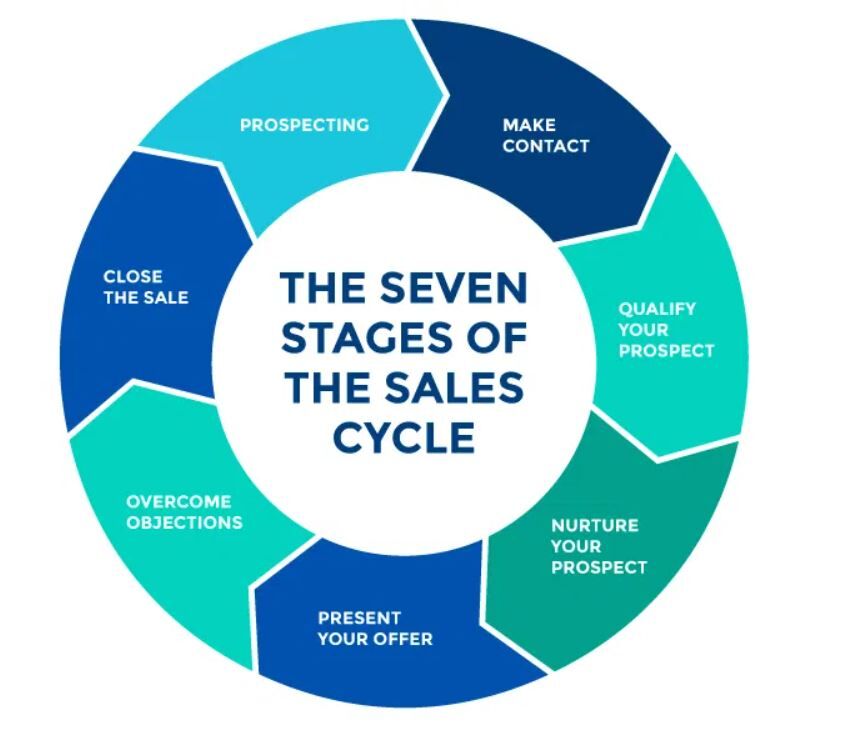
The pharmaceutical industry is unique because its revenue model is indirect. Unlike a retail environment where a customer pays for a product on the spot, pharmaceutical sales relies on a complex ecosystem of “influence and prescription.” The sales representative does not sell a bottle of pills to a physician; they sell the clinical data and efficacy of that medication so that the physician will choose it over a competitor’s offering.
The Role of the Pharmaceutical Representative as a Value-Driver
In the “Money” niche, a pharmaceutical representative is essentially a high-level consultant. They are responsible for managing a specific geographic territory as if it were their own small business. Their goal is to increase the “market share” of their assigned drugs within that territory. This involves meticulous data analysis—tracking which physicians are prescribing which medications and identifying opportunities to convert them to a new brand.
The financial success of a pharmaceutical company hinges on these representatives. Because the cost of bringing a single drug to market can exceed $2 billion (factoring in R&D and clinical trials), the sales force must recoup those costs during the period of “patent protection.” Every day a drug is on the market before its patent expires is worth millions; therefore, the efficiency of the sales force directly impacts the company’s stock price and overall valuation.
B2B vs. B2C Dynamics in Healthcare
Pharmaceutical sales is a specialized form of B2B selling. The “business” is the pharmaceutical manufacturer, and the “client” is the medical practice or hospital system. However, the financial transaction is further complicated by “Payers”—insurance companies and government entities like Medicare.
Sales representatives must understand the financial “formulary” of their region. A drug might be medically superior, but if a sales rep cannot navigate the financial hurdles of insurance coverage, the drug will not sell. Thus, “selling” in this field is as much about understanding the financial reimbursement landscape as it is about biology.
Career Economics: Salary, Commissions, and Earning Potential
For individuals looking at pharmaceutical sales as a “Side Hustle” that turned into a “Main Hustle,” or for those seeking high-income career paths, the financial rewards are among the highest in the professional world. It is a field where performance is directly tied to financial gain, making it a favorite for those with a high “Money” drive.
Base Salary vs. Performance-Based Bonuses
The compensation structure in pharmaceutical sales is typically split between a high base salary and a significant commission or bonus structure. According to industry data, entry-level associates can expect base salaries ranging from $70,000 to $90,000, while experienced specialty reps (those selling oncology, neurology, or rare disease medications) often see base salaries north of $130,000.
The “Money” appeal, however, lies in the bonuses. Most pharmaceutical companies offer quarterly or annual bonuses based on hitting “quotas.” If a representative exceeds their sales targets, they can earn “uncapped” commissions. It is not uncommon for top-tier specialty representatives to earn total compensation packages between $200,000 and $300,000 per year. This makes it one of the most profitable sales niches in existence, rivaling software-as-a-service (SaaS) and medical device sales.
Long-term Financial Growth and Perks
Beyond the direct paycheck, the financial “perks” of pharmaceutical sales significantly lower a professional’s cost of living, effectively increasing their net income. Standard benefits usually include:
- Company Car/Fleet Program: Companies often provide a late-model vehicle, covering insurance, maintenance, and fuel—a benefit worth an estimated $10,000 to $15,000 in post-tax income.
- Expense Accounts: Travel, meals, and educational programs for doctors are covered, allowing the rep to operate their territory without personal financial drain.
- Stock Options and RSUs: Many publicly traded pharma companies (like Pfizer, Merck, or Eli Lilly) offer Restricted Stock Units (RSUs) or employee stock purchase plans, allowing reps to build significant long-term wealth through equity.

Market Positioning and Strategic Value
In the world of business finance, pharmaceutical sales is a game of “Market Access.” Companies do not just want to sell a drug; they want to dominate a therapeutic category. This requires a deep understanding of market positioning and the competitive landscape.
Navigating the High-Stakes Regulatory Environment
Unlike selling a typical consumer good, pharmaceutical sales is governed by strict financial and ethical regulations, such as the Sunshine Act and various FDA guidelines. From a business perspective, a single compliance violation can result in millions of dollars in fines. Therefore, “sales” in this context involves a sophisticated level of risk management.
Successful companies invest heavily in training their sales force to ensure that every dollar of revenue generated is “clean.” This regulatory barrier also protects the industry’s high profit margins; because it is so difficult and expensive to sell drugs legally and effectively, incumbents face less competition from low-cost “disruptors” than other industries might.
Impact on the Bottom Line and Shareholder Value
For investors, the strength of a company’s sales force is a leading indicator of financial health. When a pharmaceutical giant announces its quarterly earnings, the “Sales and Marketing” spend is scrutinized. High-performing sales teams ensure a high Return on Investment (ROI) for the massive capital expenditures poured into R&D.
When a drug goes “off-patent,” the sales strategy shifts toward “lifecycle management,” where sales reps may focus on new formulations or “combination therapies” to maintain revenue streams. This financial maneuvering is what keeps pharmaceutical companies among the most profitable entities on the S&P 500.
Entering the Industry: The Investment in Personal Professional Capital
Because the financial stakes are so high, breaking into pharmaceutical sales requires a significant “investment” in one’s own professional capital. This isn’t a side hustle one starts with a $100 laptop; it is a career that requires a specific pedigree and a high ROI on education.
Required Qualifications and ROI of Education
Most pharmaceutical companies require at least a four-year bachelor’s degree, often in business, marketing, or the sciences. Many high-earning reps also hold MBAs or advanced clinical degrees. The “return” on this educational investment is high, as the starting salary in pharma sales often doubles or triples the average starting salary of other undergraduate roles.
Furthermore, the industry values “documented success.” To reach the high-income tiers, individuals often spend 2–3 years in “b2b sales” (like payroll or copier sales) to prove they can handle a quota. This period is essentially an apprenticeship for the high-income world of pharma.
Networking and Breaking into High-Income Tiers
The business of pharmaceutical sales is built on relationships—not just with doctors, but with industry recruiters. Professional networking is the primary “tool” for financial advancement here. Breaking into a “Specialty” role (selling to specialists like cardiologists or surgeons) is where the real money is made.
Specialty sales requires a deeper understanding of complex clinical data and often involves “institutional selling” (selling to entire hospital boards or pharmacy directors). The transition from a “Primary Care” rep to a “Specialty” rep is the most significant financial jump a professional can make, often resulting in a 40-50% increase in total earnings.

Conclusion: The Financial Powerhouse of Healthcare
Pharmaceutical sales is far more than just a job; it is a vital financial pillar of the global healthcare economy. It serves as the bridge between scientific innovation and commercial viability. For the companies, it is the mechanism that generates the cash flow necessary for future medical breakthroughs. For the professional, it offers a career path with an extraordinary ceiling for income and wealth accumulation.
By understanding the mechanics of territory management, the nuances of commission structures, and the strategic importance of market access, one can see why pharmaceutical sales remains one of the most coveted sectors in the world of business and finance. Whether you are an investor looking at the “S&M” (Sales and Marketing) line on a balance sheet or a professional looking for a high-ROI career, pharmaceutical sales represents a peak of commercial strategy and financial opportunity.
aViewFromTheCave is a participant in the Amazon Services LLC Associates Program, an affiliate advertising program designed to provide a means for sites to earn advertising fees by advertising and linking to Amazon.com. Amazon, the Amazon logo, AmazonSupply, and the AmazonSupply logo are trademarks of Amazon.com, Inc. or its affiliates. As an Amazon Associate we earn affiliate commissions from qualifying purchases.